

Description
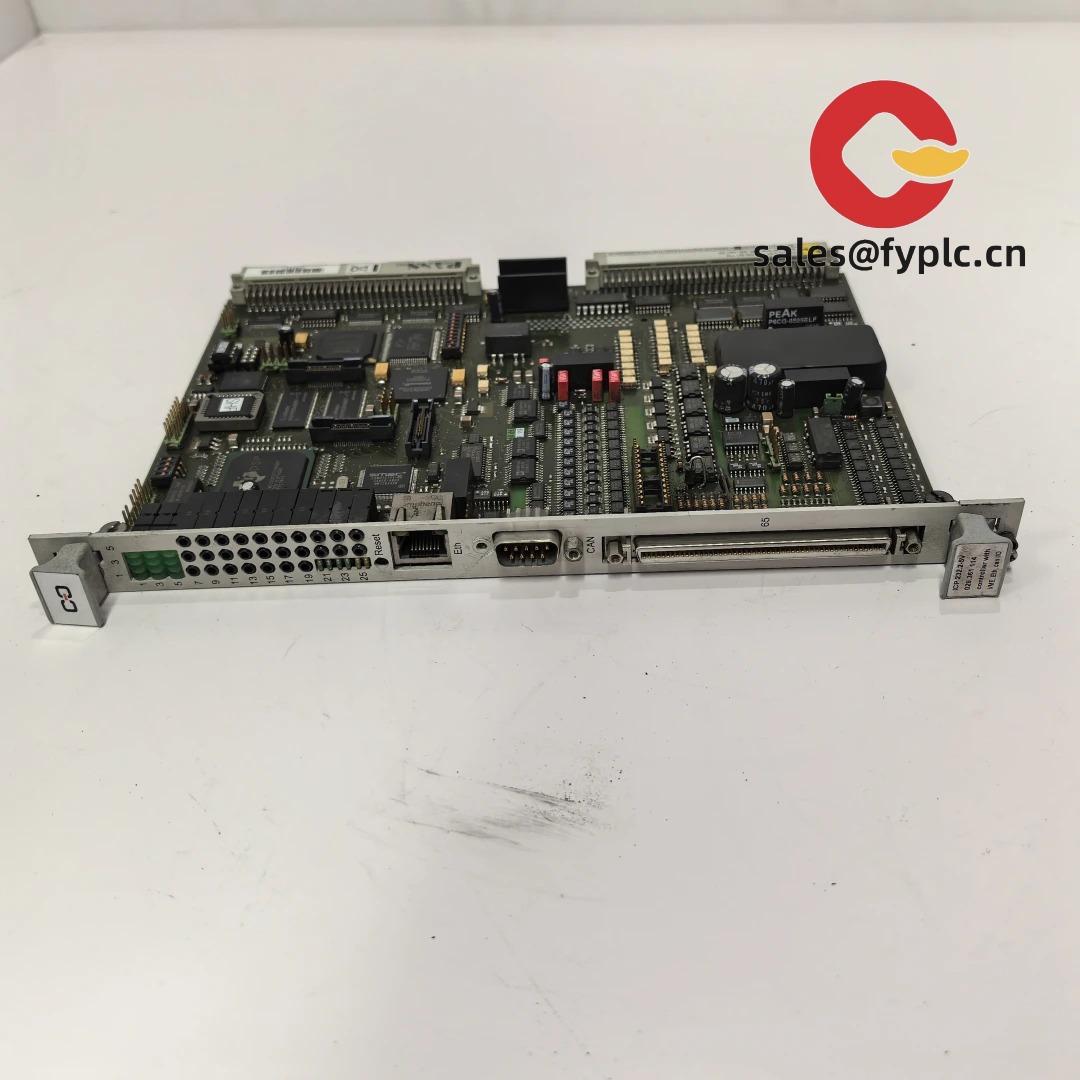
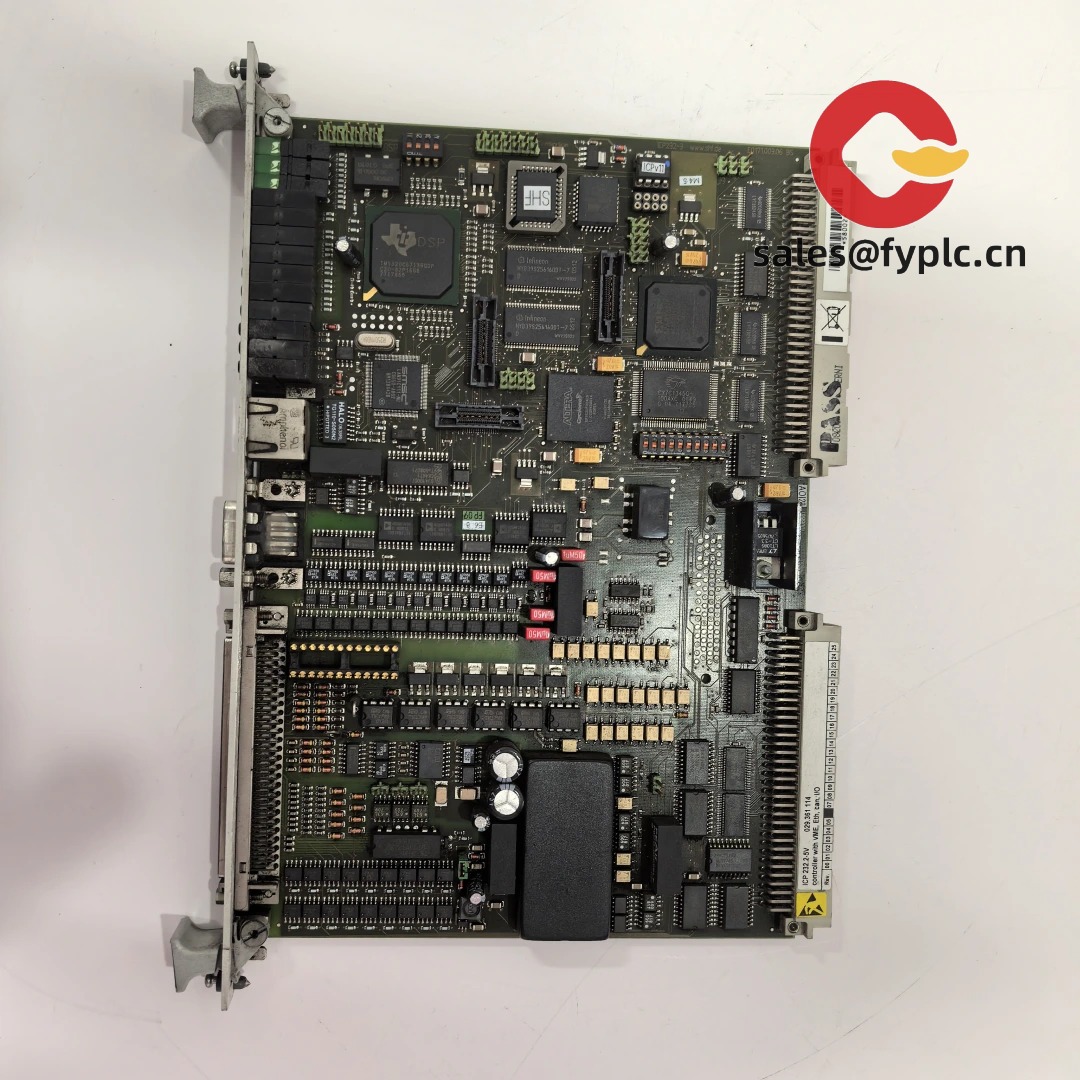
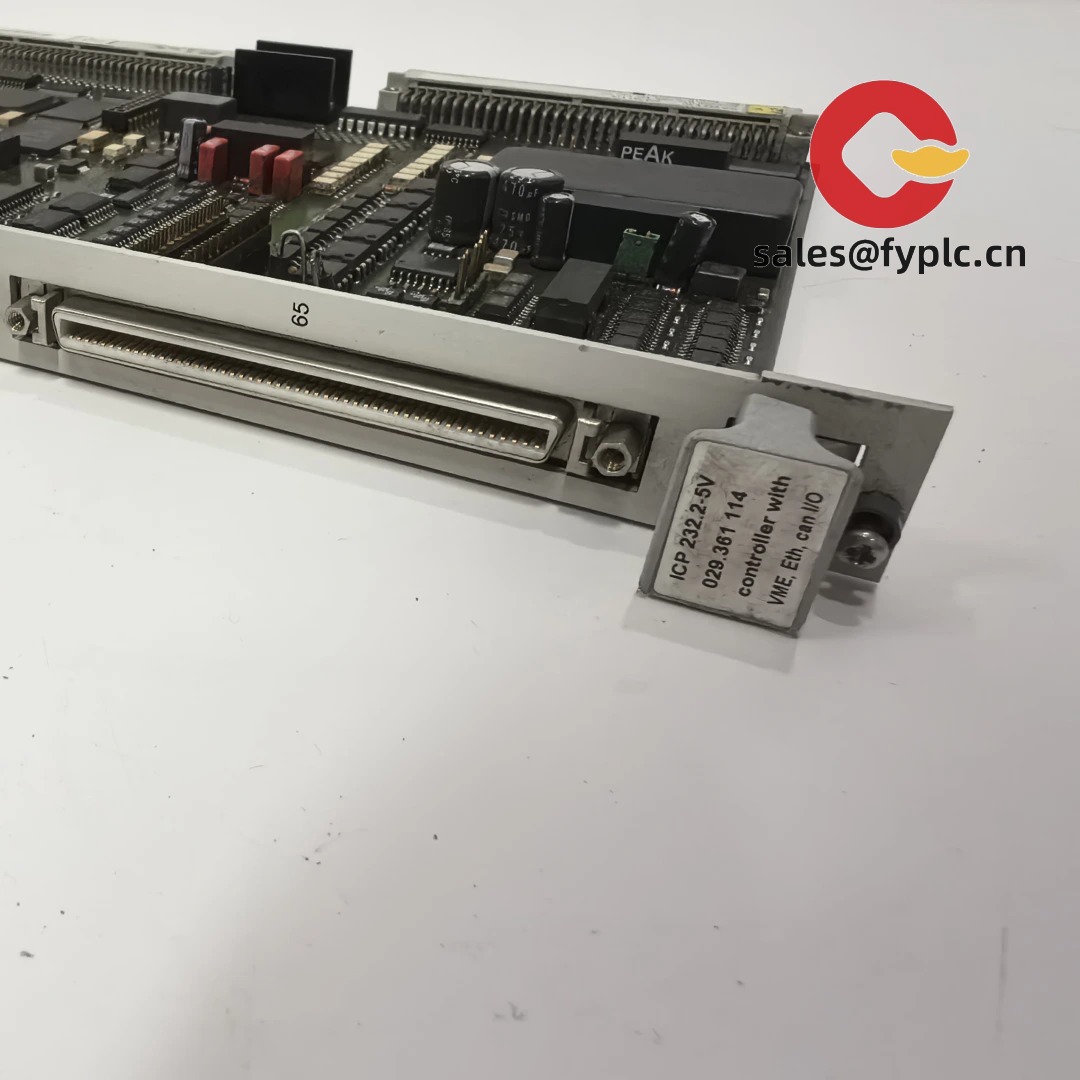
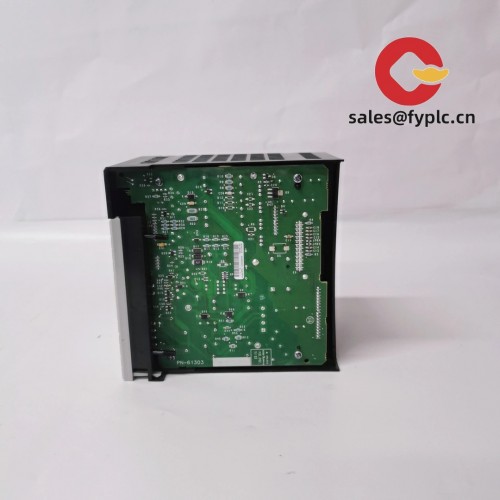
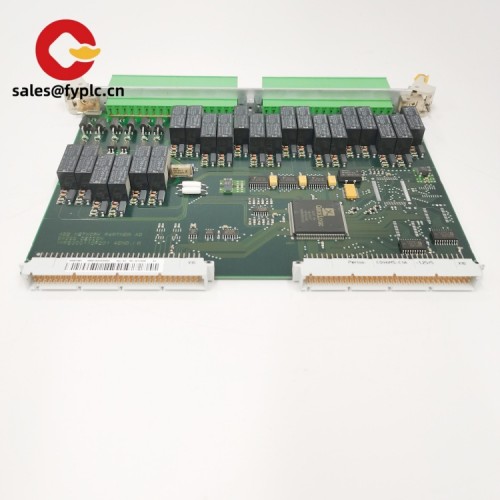
DATEL ICP232.2-5V-029.361114 – Compact 5 V RS‑232 Interface Module for Industrial Panels and Controllers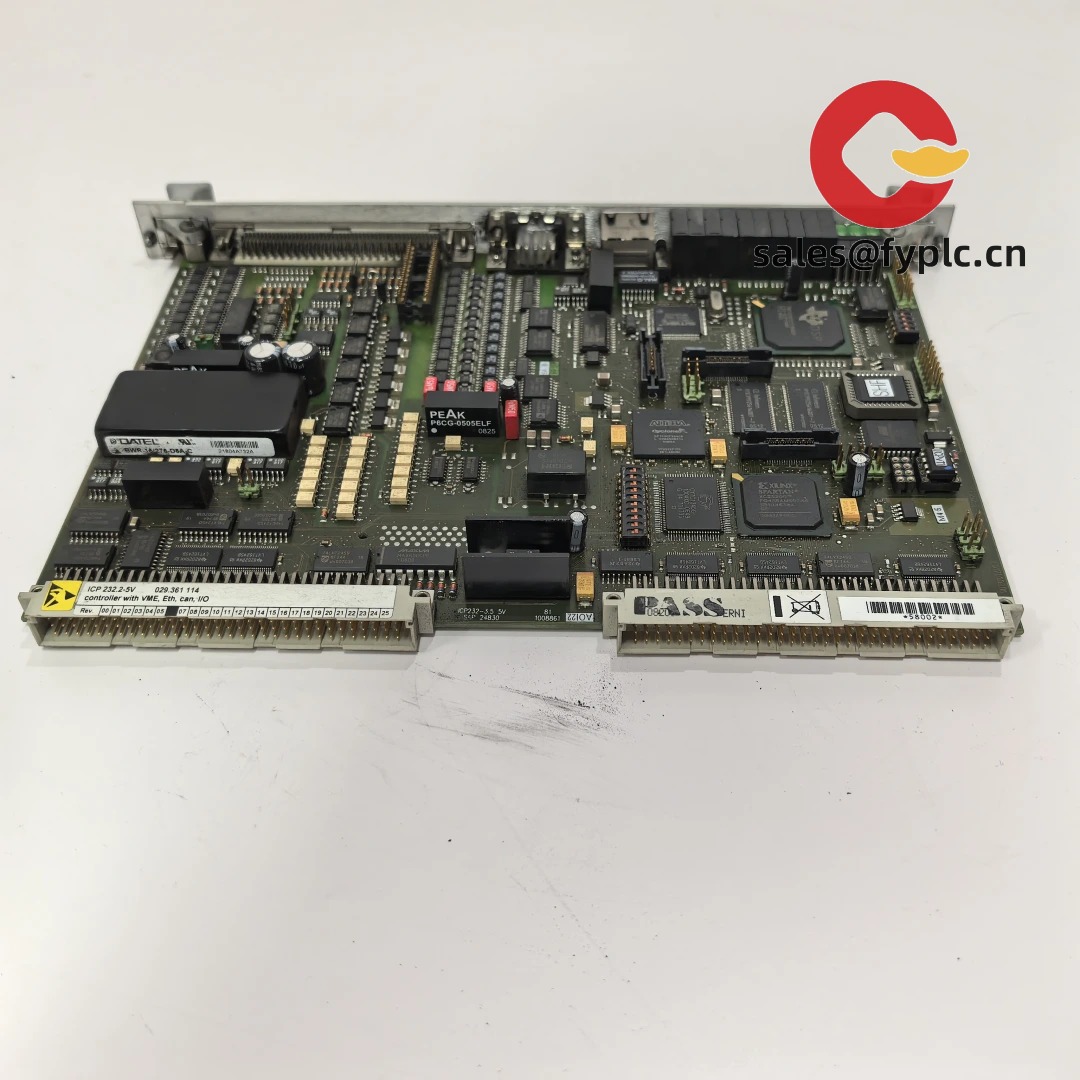
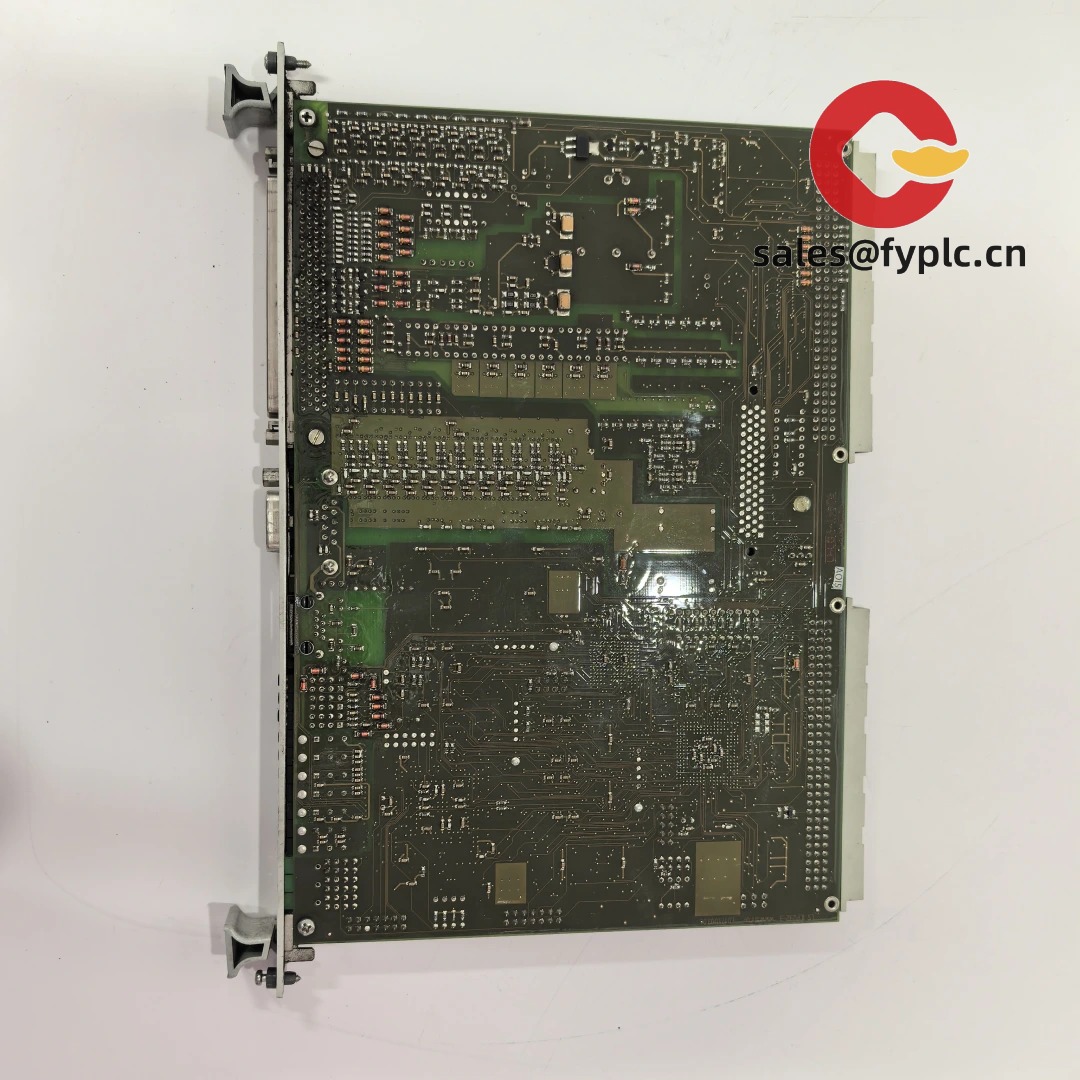
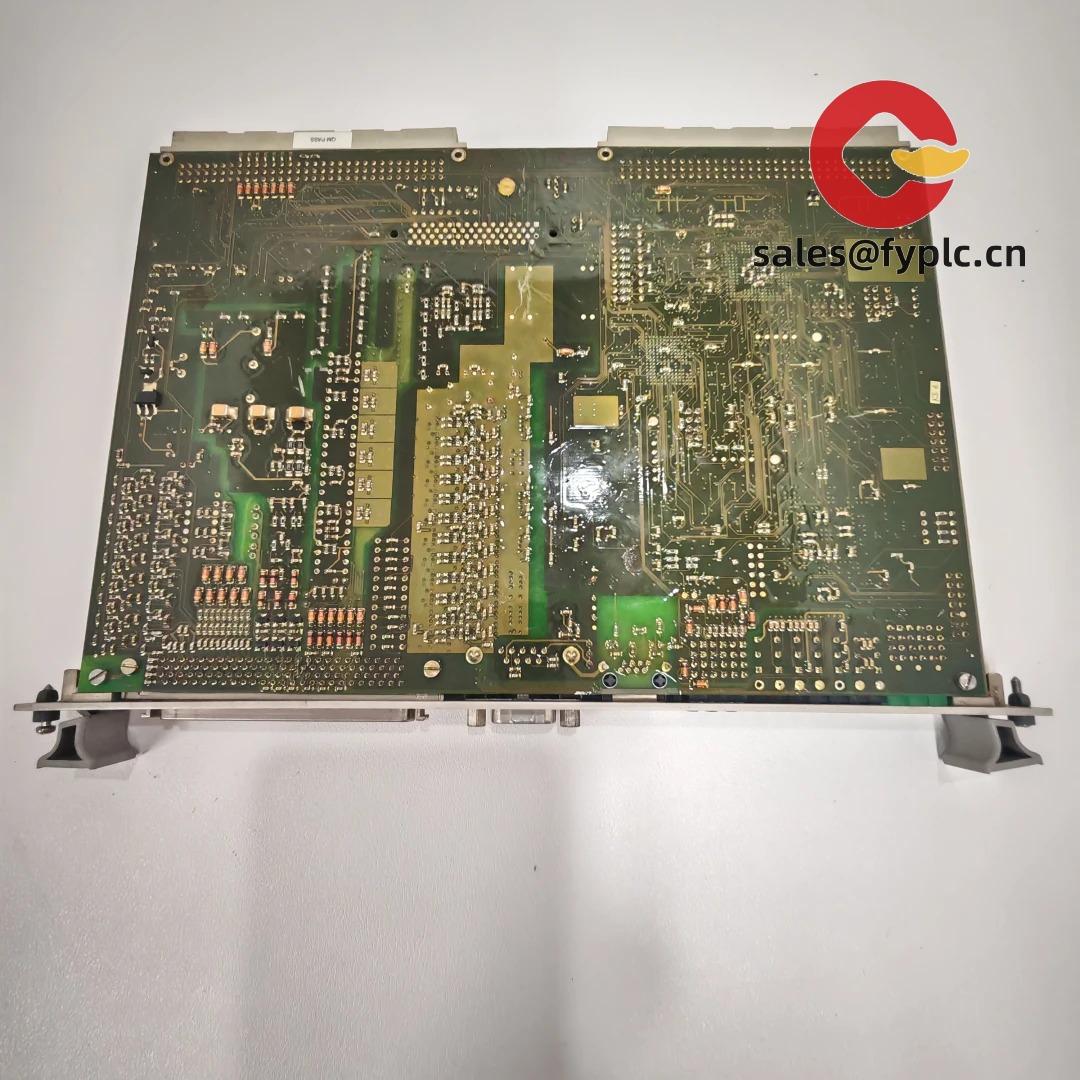
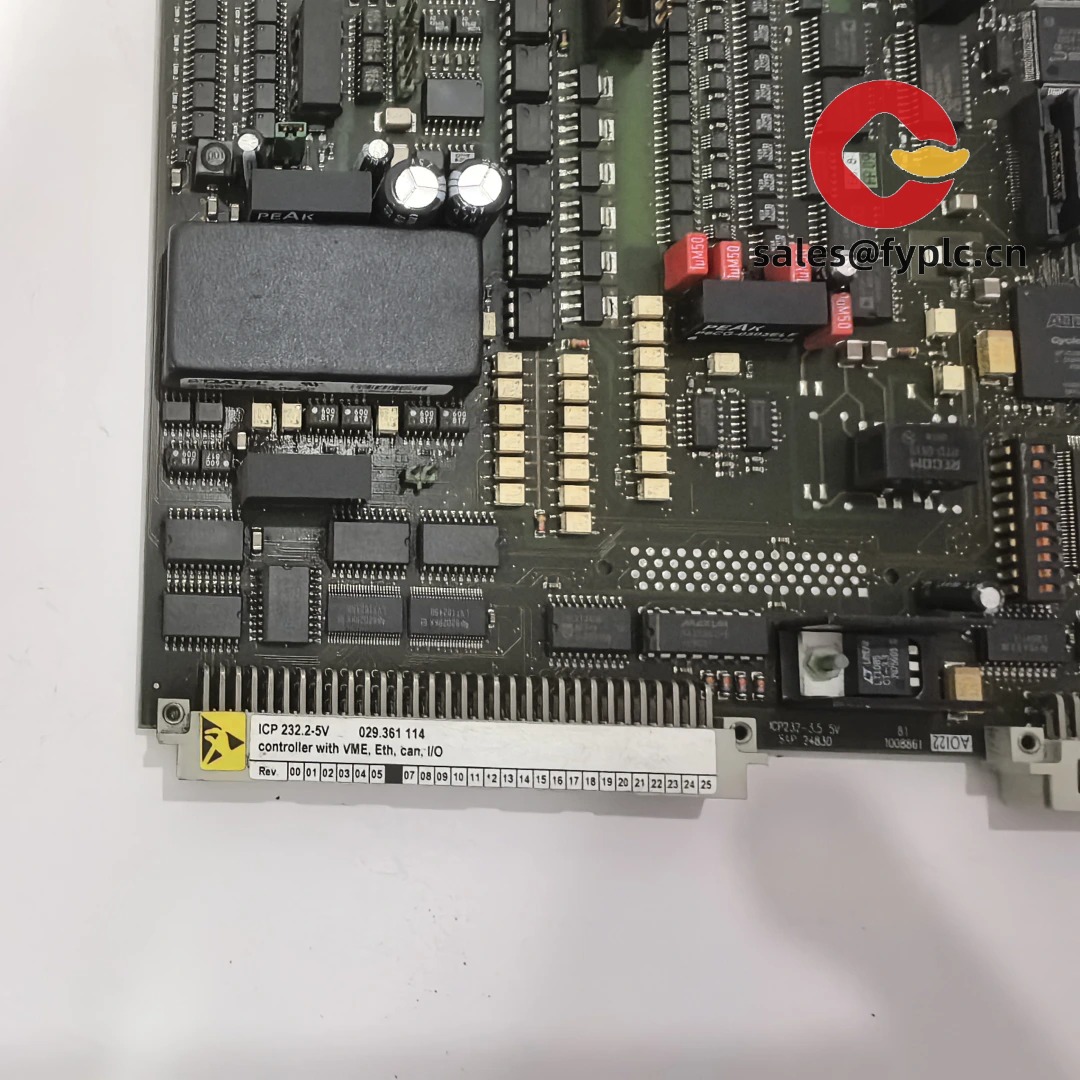
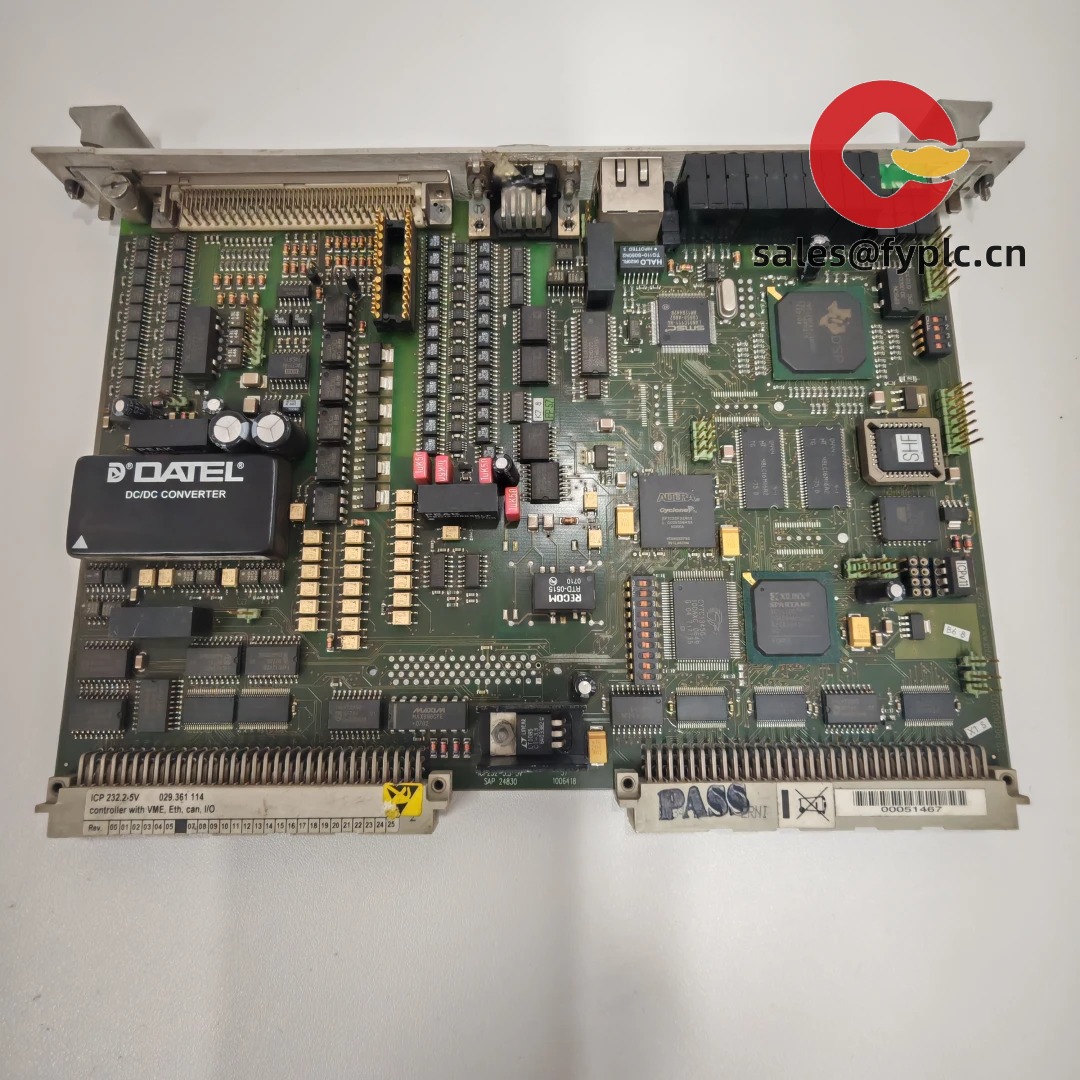
The DATEL ICP232.2-5V-029.361114 is a small RS‑232 interface module designed for equipment that still relies on reliable, wired serial links. From my experience, this kind of module is often used to bridge a controller or embedded board that runs on 5 V logic to a robust RS‑232 port for field devices, test jigs, or legacy HMIs. You might notice that the part code highlights the 5 V power requirement, which keeps integration simple inside tight control cabinets.
Company’s Order Placement Process and Guarantees
- Warranty: 365 days
- Delivery: typically 1 week if in stock; no more than one month at the latest
- Payment: 50% advance payment, full balance before delivery
- Express options: FedEx, UPS, DHL
Key Features
- 5 VDC Supply – Runs from a standard regulated 5 V rail, which is common in PLC panels and embedded controllers.
- RS‑232 Level Interface – Provides classic RS‑232 signaling for connecting to scanners, printers, weigh scales, or maintenance laptops.
- Compact module design – Small footprint for easy drop‑in integration where DIN space or PCB real estate is limited.
- Noise‑resilient I/O – Uses industry‑standard transceiver topology; in many cases this improves tolerance to ESD and line noise compared with bare TTL wiring.
- Reliable link stability – Typically supports standard baud rates used in industrial equipment (e.g., 9.6–115.2 kbps), helping with mixed‑vendor compatibility.
- Simple wiring – TXD, RXD, and GND as the core pins; hardware handshaking (RTS/CTS) is commonly supported on similar modules when required.
Technical Specifications
| Brand / Model | DATEL / ICP232.2-5V-029.361114 |
| HS Code | 8517.62 (Data communication equipment) |
| Power Requirements | 5 VDC nominal |
| Signal Input/Output Types | RS‑232 line‑level signals (TXD, RXD, GND; RTS/CTS commonly available on similar modules) |
| Communication Interfaces | RS‑232 serial port; typical baud rates up to 115.2 kbps |
| Installation Method | Module‑level integration inside a control cabinet or enclosure; wiring via header/terminal depending on build |
Application Fields
This model suits plants where RS‑232 links still run critical tasks. I typically see it used for:
- PLC and motion controller service ports for commissioning or firmware loading
- CNC, test benches, and metrology devices that output RS‑232 diagnostics
- Barcode readers, label printers, and weigh scales in production lines
- Legacy HMIs or operator panels that still require a stable COM port
A maintenance engineer shared that swapping to a 5 V module like this solved intermittent framing errors on a packaging line—mainly because the transceiver handled noisy cabling better than a direct TTL connection.
Advantages & Value
- Reliability – Purpose‑built RS‑232 level shifting tends to reduce communication faults compared with makeshift adapters.
- Compatibility – Works with standard serial tooling, making it easy to integrate across mixed equipment brands.
- Cost Efficiency – Keeps existing assets in service; avoiding a full controller upgrade often saves both time and budget.
- Support & Availability – 365‑day warranty and pragmatic delivery windows help de‑risk maintenance shutdowns.
Installation & Maintenance
- Power & Cabinet – Use a clean, regulated 5 VDC rail. Install inside a ventilated cabinet to avoid heat buildup from nearby drives.
- Wiring – Keep RS‑232 cable runs short where possible. Route away from VFD output cables to reduce noise coupling.
- Grounding & ESD – Bond shields at one end and follow site ESD practices when connecting/disconnecting.
- Commissioning – Match baud rate, parity, data bits, and stop bits with the connected device; 8‑N‑1 at 9.6–115.2 kbps is common.
- Routine checks – Periodically inspect connectors and cable strain relief; clean dust from enclosures; update related controller firmware when applicable.
Quality & Certifications
- Manufacturer quality systems typically aligned with ISO practices for industrial electronics
- CE and RoHS conformity are commonly available for comparable DATEL interface modules; certificate copies can be provided with the order
- Standard warranty: 365 days
Suggested Supporting Components
- Regulated 5 VDC power supply (industrial grade, low ripple)
- RS‑232 cable assemblies (DB9 male/female as required, shielded)
- Panel feed‑through DB9 adapter for clean cabinet wiring
- DIN‑rail mounting plate or carrier if the module is panel‑mounted
If you’re standardizing spares, this seems to be a practical pick for keeping RS‑232 links stable without complicating your 5 V power budget. Let me know your connector style and cable length, and we’ll match the right build and ship window.

Reviews
There are no reviews yet.