
Description
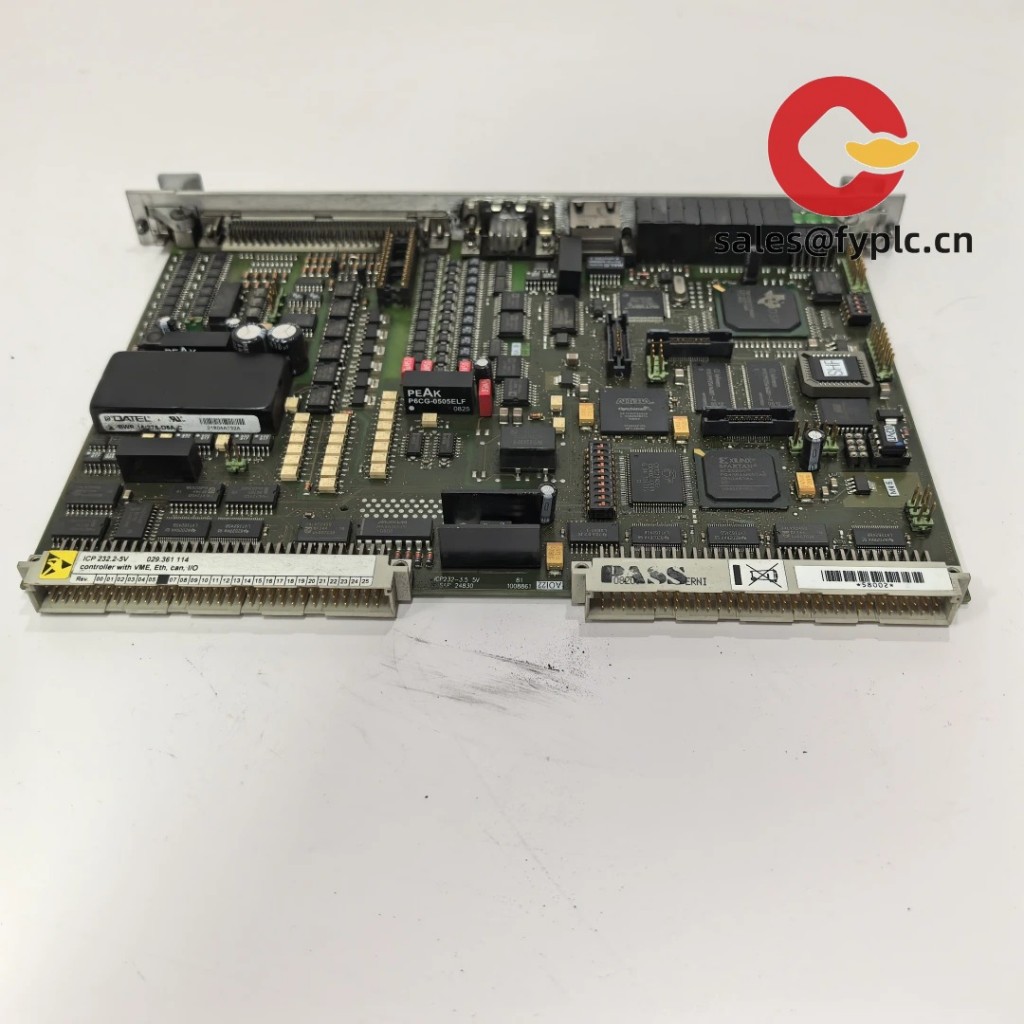
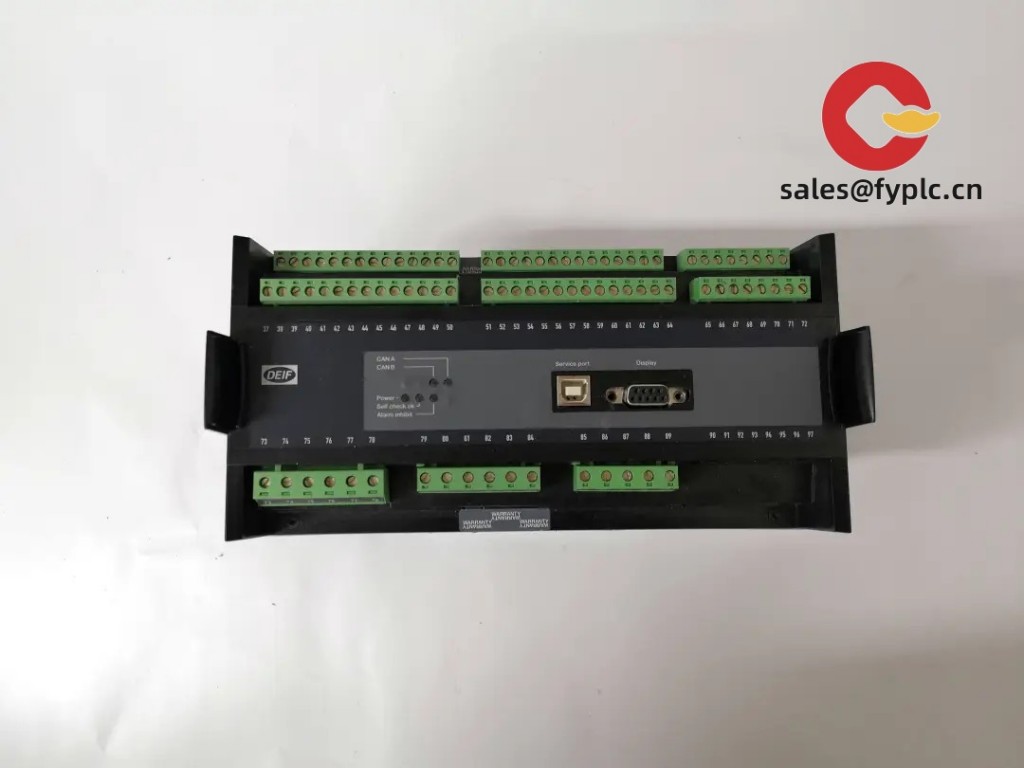
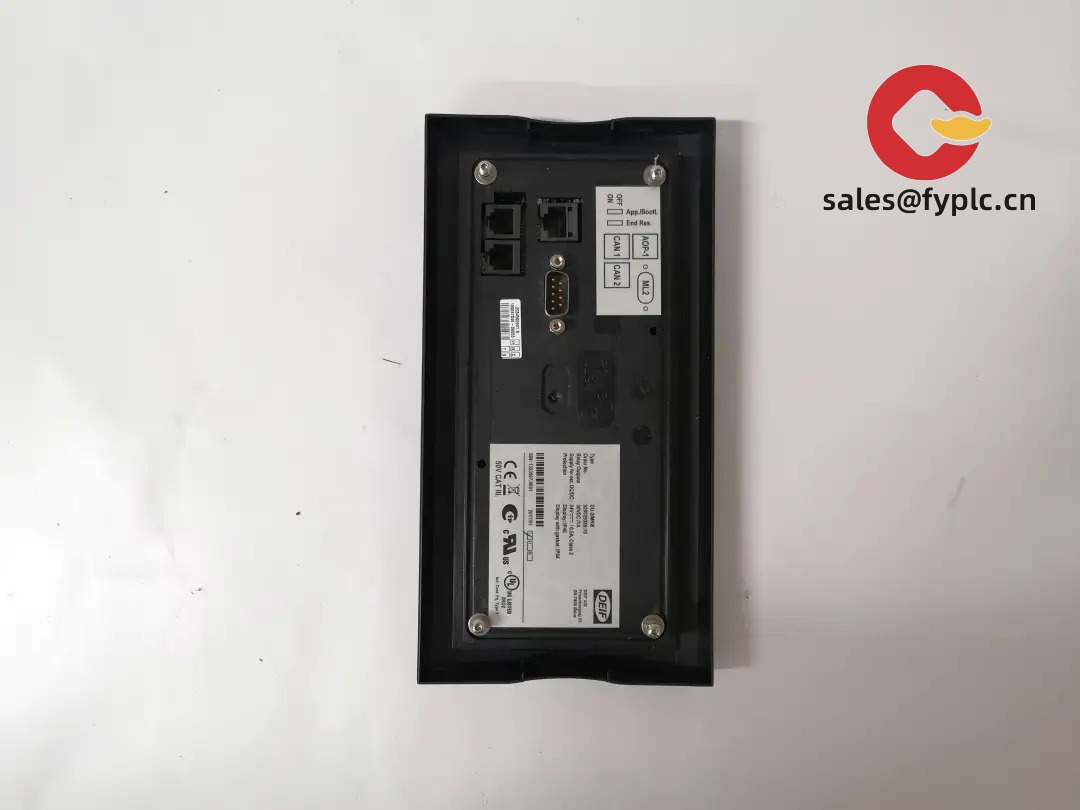
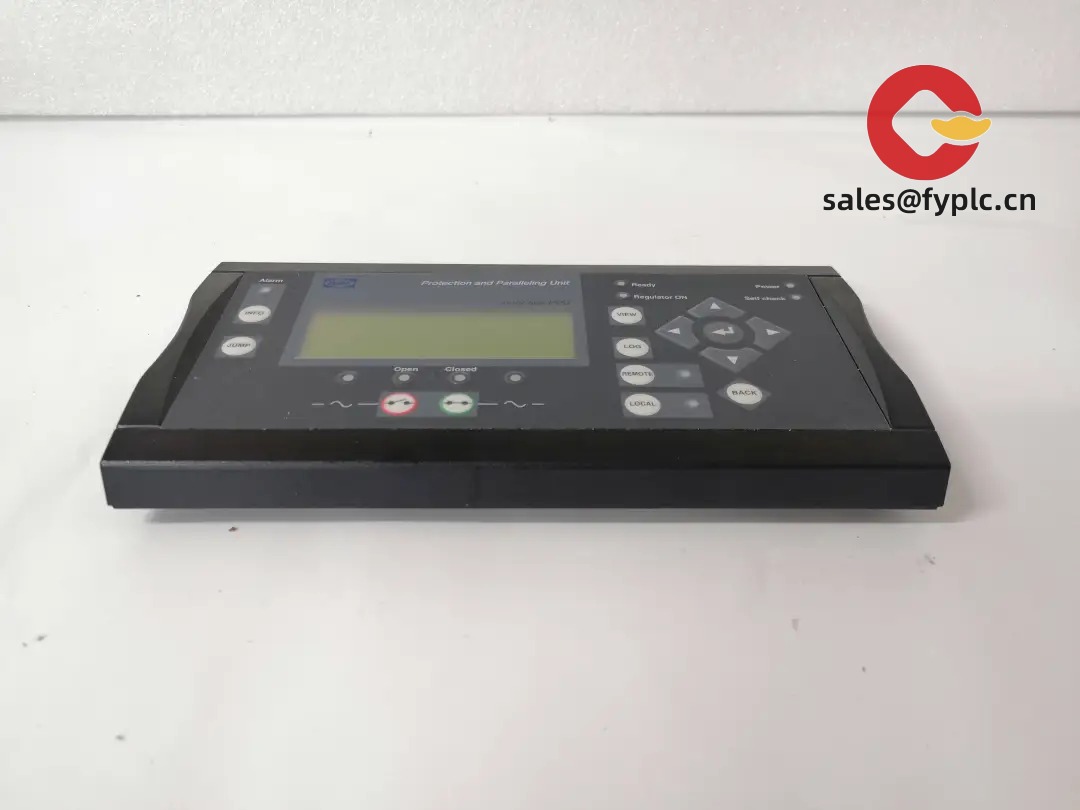
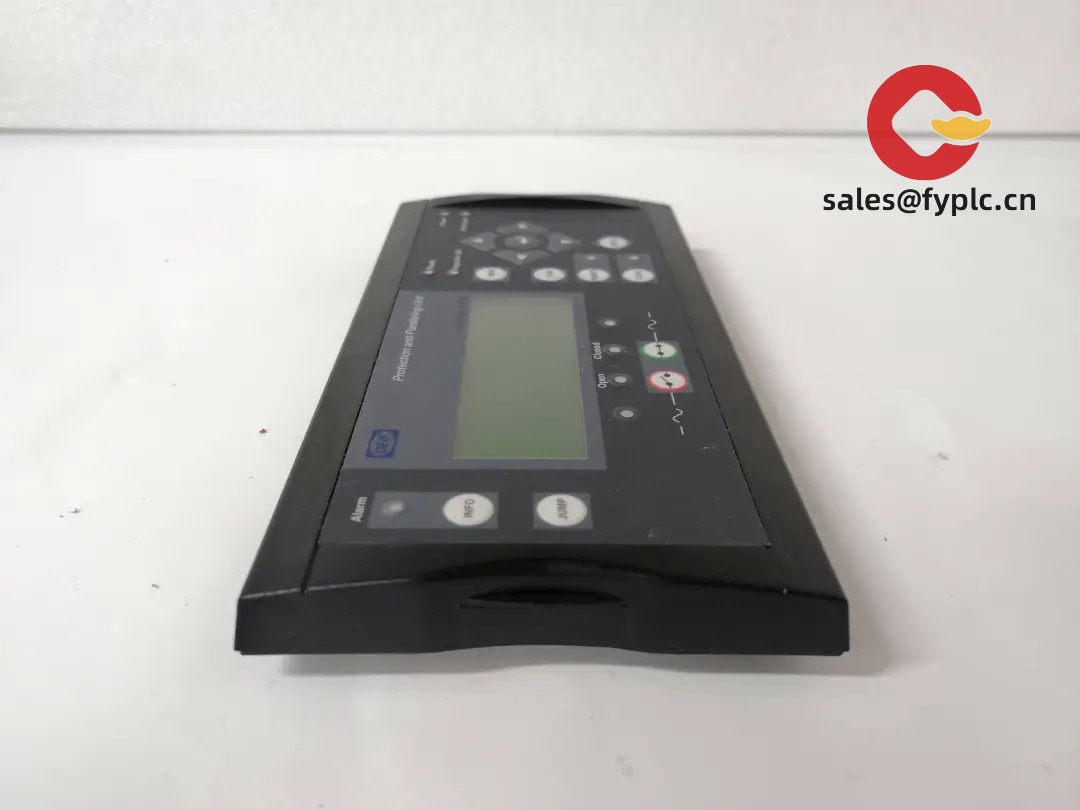
DEIF DU-2 MKIII – Digital genset controller for synchronising, load sharing, and reliable engine-generator supervision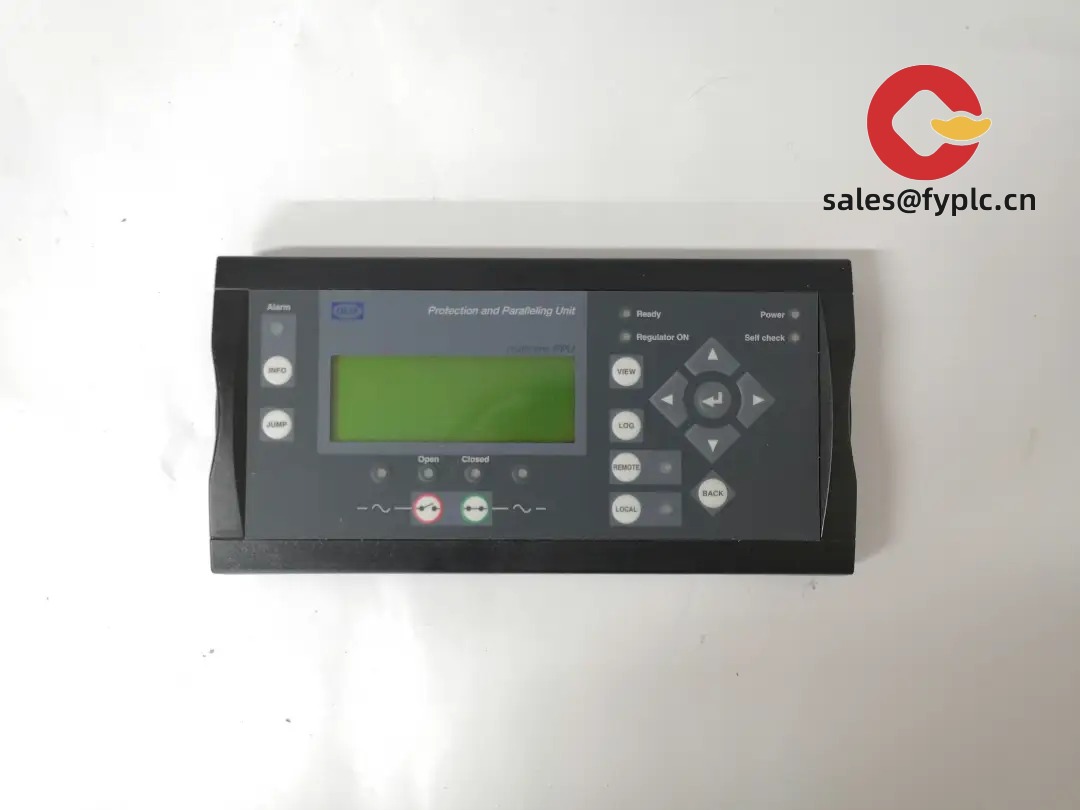
From my experience with marine and land-based power systems, the DEIF DU-2 MKIII is the kind of controller you pick when you need steady synchronising and load sharing without turning your switchboard into a science project. It’s typically used to manage generator start/stop, voltage and frequency matching, breaker control, and stable kW/kVar sharing—often in mixed fleets where not every genset is the same age. You might notice that the MkIII generation seems to be particularly forgiving on retrofits, especially when interfacing with analog governors and AVRs.
Order Placement Process and Guarantees
- Warranty: 365 days
- Delivery: 1 week for in-stock; no more than one month at the latest
- Payment: 50% advance payment; full payment prior to delivery
- Express delivery: FedEx, UPS, DHL
Key Features
- Synchronising & breaker control – Matches voltage/frequency and issues safe close commands to the generator breaker when conditions are met.
- Load sharing – Supports stable real and reactive power sharing in parallel operation, typically with both isochronous and droop-based setups.
- Governor & AVR interfacing – Works with common analog interfaces (0/4–20 mA or 0–10 V), making retrofits to existing engines/alternators straightforward in most cases.
- Protection & alarms – Standard protections for over/under frequency and voltage, plus configurable alarms for safe shutdowns and clear diagnostics.
- Flexible I/O – Discrete inputs for start/stop and status, relay outputs for breakers/alarms, and analog I/O for fine control.
- SCADA-friendly integration – Typically supports RS‑485/Modbus RTU for easy monitoring and control from a PMS or PLC layer.
- Marine & industrial ready – Designed for switchboard environments where electrical noise and thermal cycling are everyday realities.
Technical Specifications
| Brand / Model | DEIF / DU-2 MKIII |
| HS Code | 9032.89 (Automatic regulating or controlling instruments and apparatus) |
| Power Requirements | 24 VDC nominal (commonly 18–32 VDC range) |
| Signal I/O Types | Digital inputs (commands/status), relay outputs (breaker/alarms), analog I/O (0/4–20 mA or 0–10 V for governor/AVR), voltage/frequency sensing for synchronising |
| Communication Interfaces | RS‑485 (Modbus RTU, if equipped) for PMS/SCADA integration |
| Installation Method | Panel/switchboard mounting in generator control cabinets; screw-terminal wiring |
| Operating Environment | Industrial/marine switchboard conditions; vibration-resistant design and EMC-hardened circuitry |
Application Fields
- Marine power management – multi-genset parallel operation, shore-to-ship synchronising, and blackout prevention.
- Data centers and hospitals – N+1 or N+N generator plants where clean transfer and balanced loading matter.
- Rental power & temporary plants – quick set-up parallel packs with mixed engine/AVR brands.
- Industrial microgrids – peak shaving and demand response where stable kW/kVar sharing protects the bus.
Advantages & Value
- Retrofit-friendly – Interfacing to analog governors and AVRs keeps upgrade costs in check.
- Predictable synchronising – Stable closing logic reduces nuisance trips and breaker wear.
- Fleet compatibility – Works across a mixture of engine makes and alternator frames in many cases.
- Reduced downtime – Configuration is straightforward; one fleet operator told us their MkIII swap per set took under an hour once prewired.
- Service & spares – Easy access to wiring terminals and modular I/O means faster maintenance.
Installation & Maintenance
- Control cabinet – Mount in a ventilated, dry switchboard. Follow typical panel standards (proper earthing, segregated power vs. signal wiring).
- Wiring – Use shielded twisted pairs for governor/AVR analog lines and frequency sensing. Keep CT/VT circuits tight and clearly labeled.
- Commissioning – Verify phasing/rotation, set frequency/voltage thresholds, test dead-bus and live-bus sync logic before going on-load.
- Routine checks – Periodically validate load-sharing stability, clean terminals, back up configuration files, and, where available, apply approved firmware updates during planned downtime.
- Safety – Lockout/tagout the breaker and isolate control power before any rewiring; confirm permissives prior to breaker close tests.
Quality & Certifications
- Compliance – CE marked; RoHS compliant for most configurations.
- Approvals – Many DEIF MkIII units carry marine type approvals (DNV, ABS, LR), which, in practice, eases acceptance on shipboard switchboards.
- Warranty – 365 days of coverage from shipment.
Common Supporting Components
You might pair the DU-2 MKIII with these components to round out a complete solution:
- DEIF LSU-2 – Dedicated load sharing unit when additional sharing modes or redundancy are required.
- DEIF AGC-4 or AGC-150 – Plant-level automatic genset controllers for PMS, tie-breaker logic, and utility parallel control.
- Magnetic pickup (MPU) speed sensor – Clean engine speed feedback for accurate synchronising.
- CTs/VTs – Properly rated transducers for stable measurement and protection thresholds.
A quick note from the field
One thing I appreciate is how predictable the close window is after tuning—on a recent retrofit with mixed 600 kW sets, the DU‑2 MKIII held sync tightly even when one engine’s governor wasn’t in perfect shape. It saved a service visit we would usually need to fix oscillations.

Reviews
There are no reviews yet.