
Description
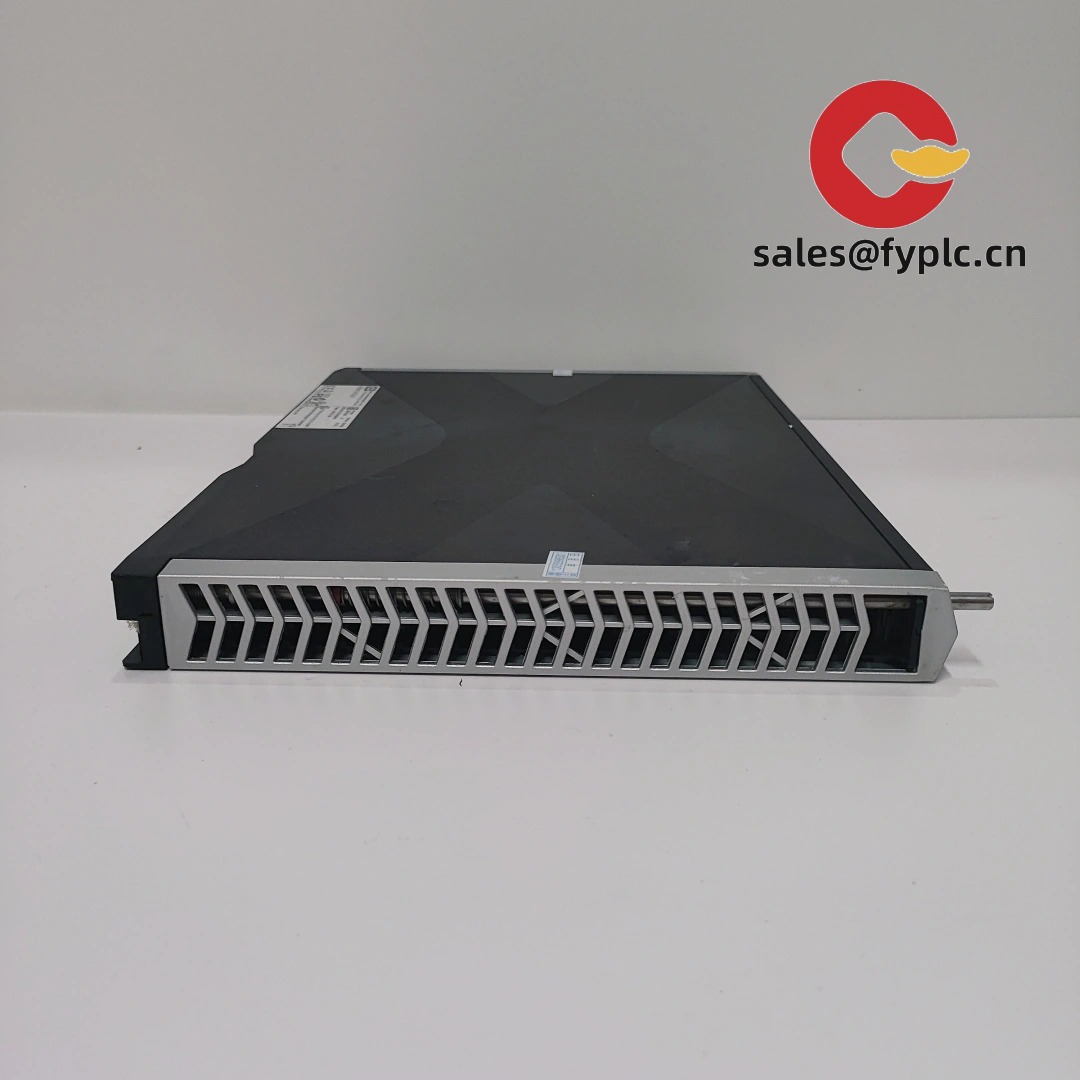
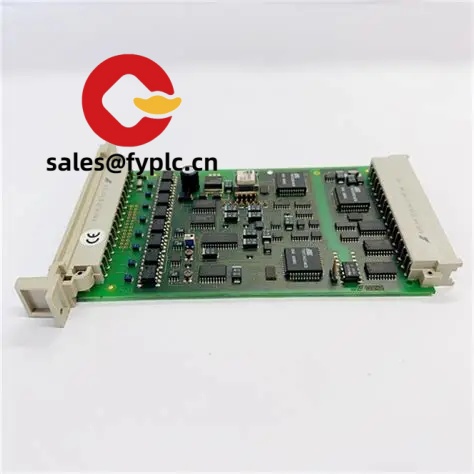
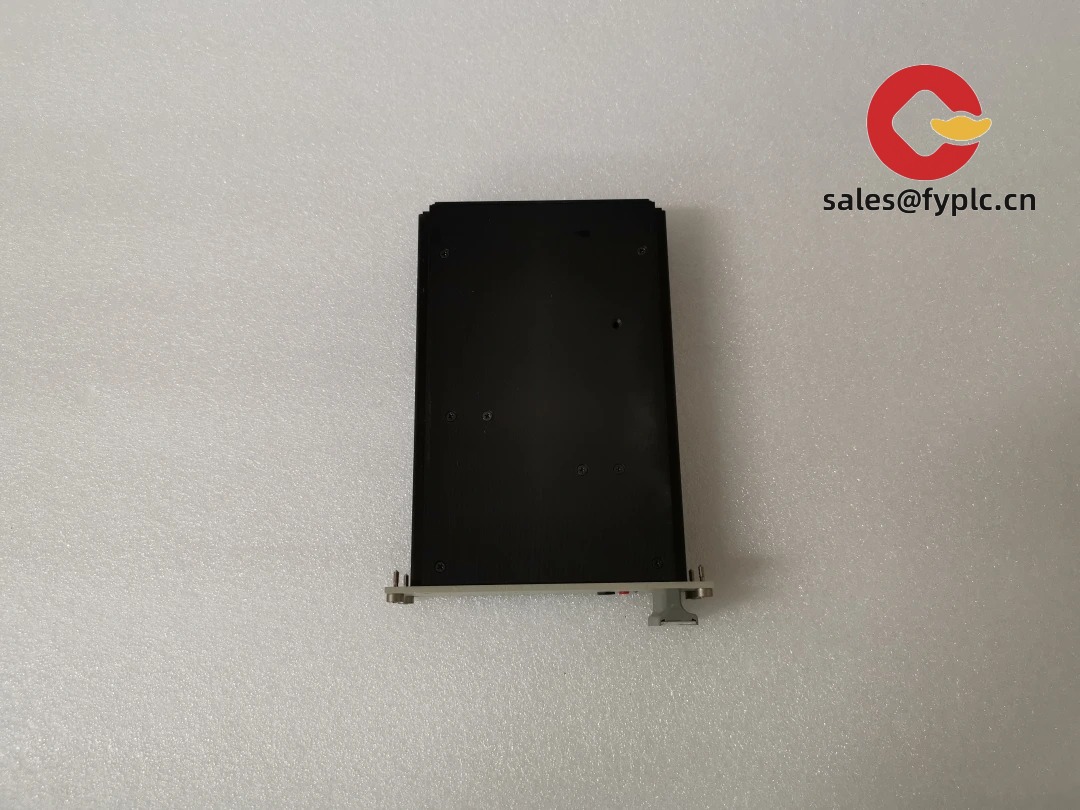
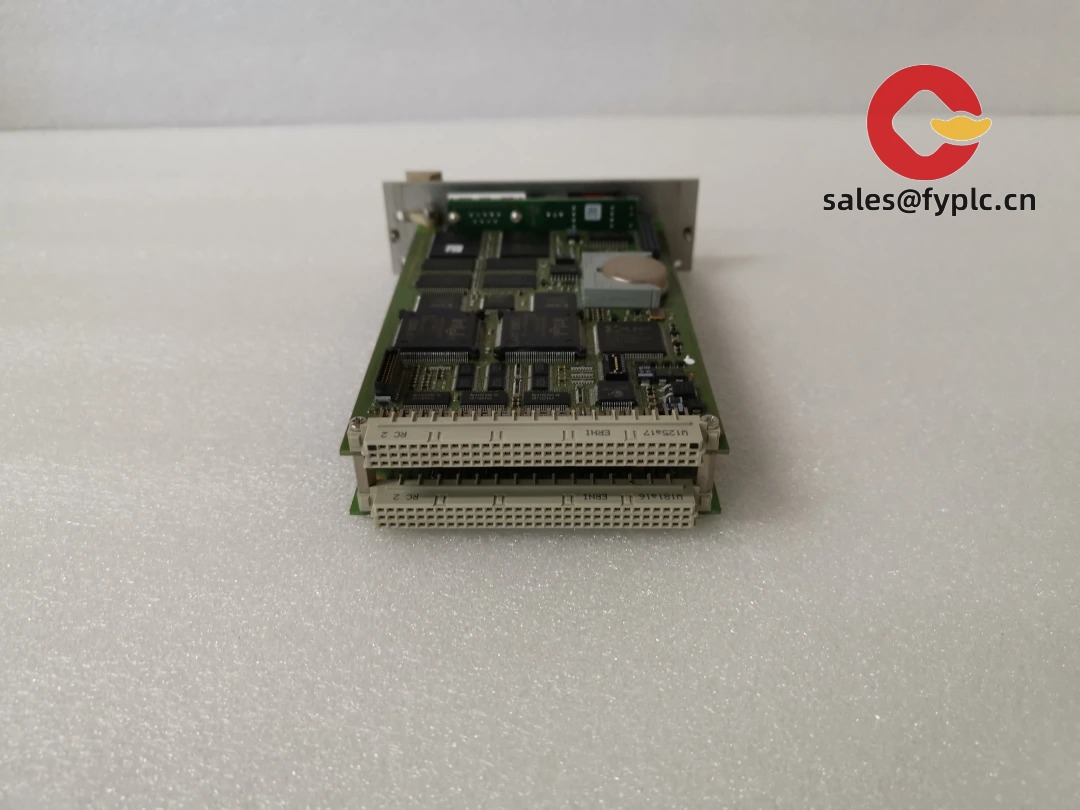
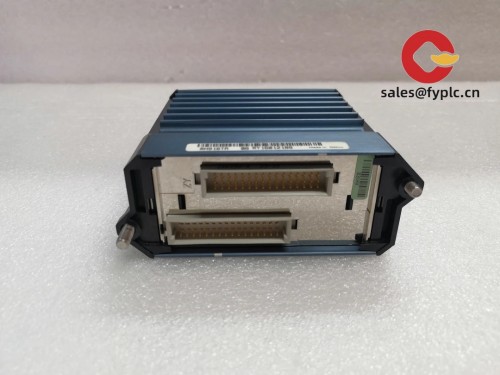
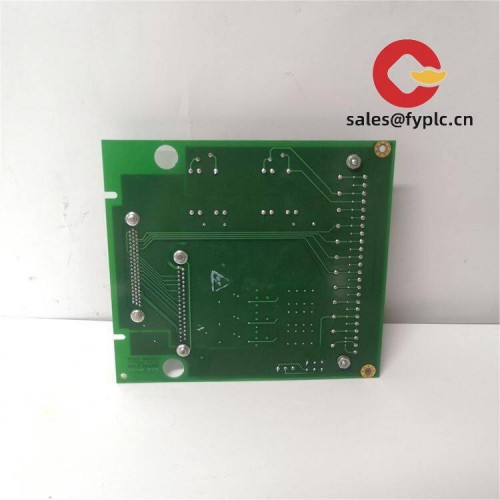
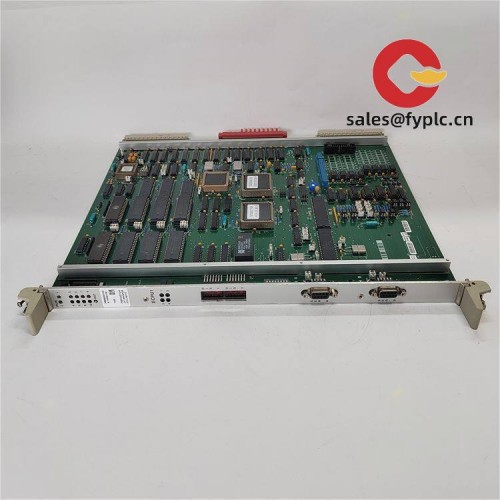
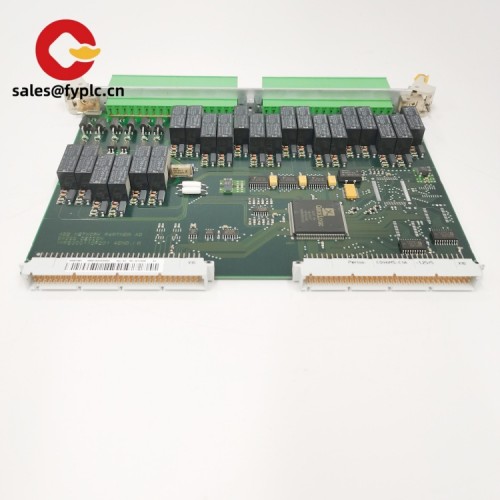
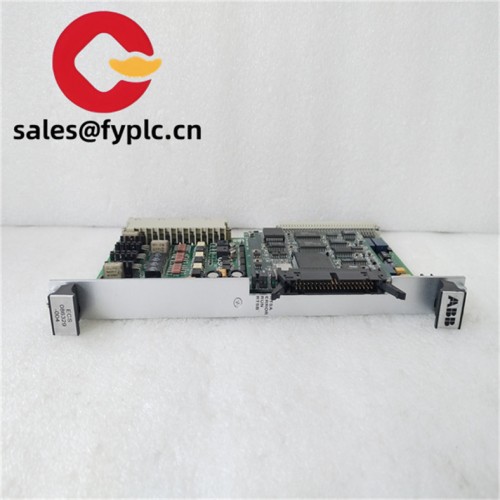
HIMI X-AI3201-985210213 – High‑Density Analog Input Module for PLC/HMI Data Acquisition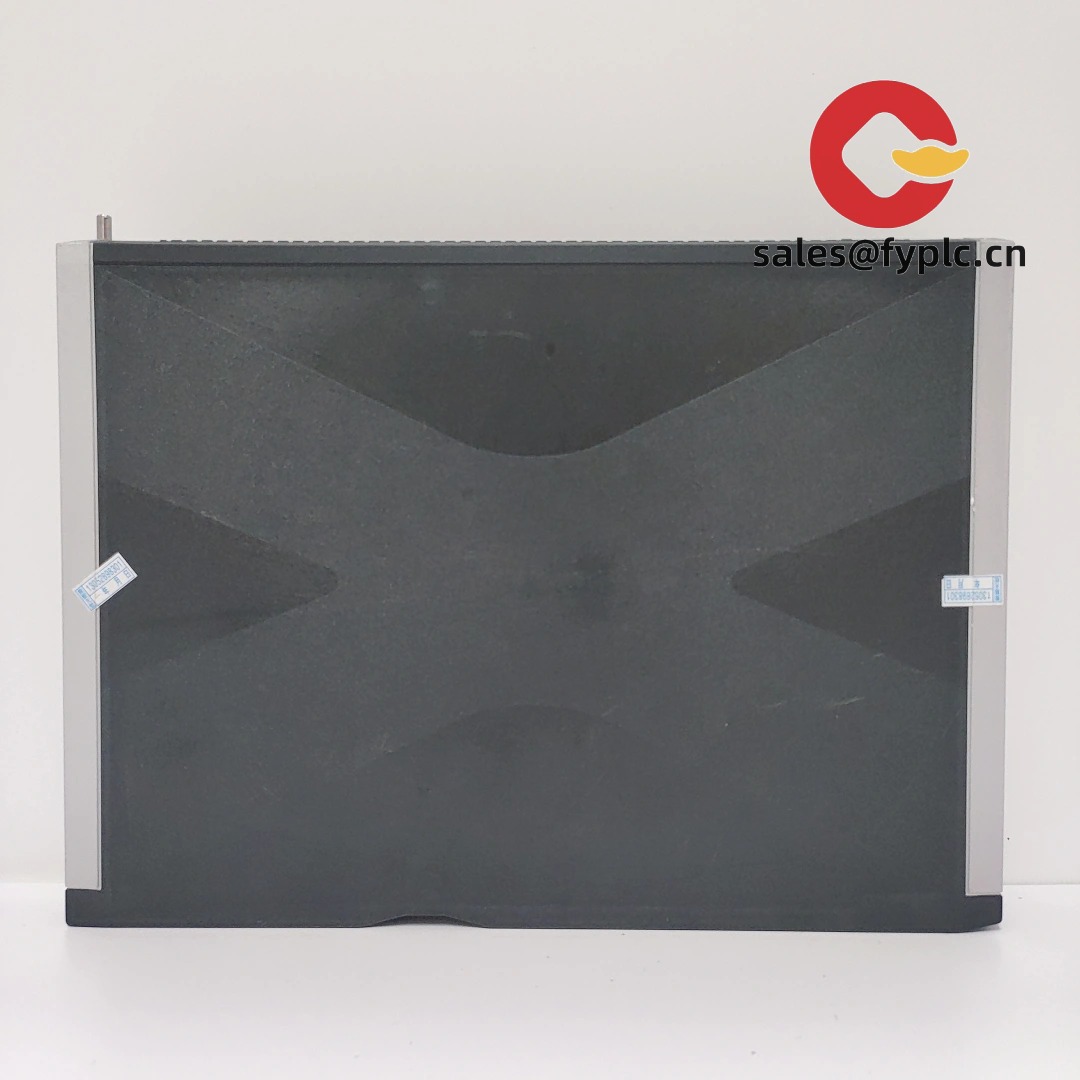
The HIMI X-AI3201-985210213 seems to be built for projects that need lots of reliable analog inputs in a compact footprint. From my experience, models with “AI3201” typically indicate a 32‑channel analog input design that works smoothly with PLCs, SCADA, and HMI-based control panels. You might notice that it prioritizes clean signal handling and easy wiring, which is exactly what maintenance teams ask for on brownfield upgrades and space-limited panels.
Company’s Order Placement Process and Guarantees
- Warranty: 365 days
- Lead time: 1 week if in stock, no more than 1 month at the latest
- Payment: 50% advance payment, full payment before delivery
- Express options: FedEx, UPS, DHL
Key Features
- High channel density (32 AI channels): Ideal for process skids, test benches, and multi-loop monitoring where panel space is tight.
- Voltage or current input support: Typically supports 0–10 V and 4–20 mA signals, letting you standardize on one module for most field instruments.
- Stable, low‑noise acquisition: Designed for steady readings from transmitters, load cells, and positioners in many cases.
- RS‑485 Modbus RTU integration: Simple drop‑in to existing PLC/HMI networks; addressable for multi‑node wiring.
- 24 VDC cabinet-friendly power: Common industrial supply range for quick retrofit without adding special PSUs.
- DIN‑rail mounting: Quick install and easy module replacement during maintenance windows.
- Status LEDs and labeled terminals: Faster commissioning and fault isolation on site.
Technical Specifications
| Brand / Model | HIMI X-AI3201-985210213 |
| HS Code | 8538.90 (Parts suitable for apparatus of heading 8537; reference for customs classification) |
| Power Requirements | 24 VDC nominal (typically 19–30 VDC), consumption ≈ 3–4 W |
| Dimensions & Weight | Approx. 120 × 100 × 35 mm; ~0.25 kg (module only) |
| Operating Temperature | -10 to +55 °C; 5–95% RH, non‑condensing (typical industrial environment) |
| Signal Input/Output Types | 32 analog inputs; configurable per channel for 0–10 V or 4–20 mA (common process ranges); 16‑bit resolution typical |
| Communication Interfaces | RS‑485 (Modbus RTU), up to 115.2 kbps; node address via DIP/soft setup (varies by batch) |
| Isolation & Protection | Channel-to-bus isolation (typical), input over‑range protection, reverse‑polarity power protection |
| Installation Method | 35 mm DIN‑rail (EN 60715); pluggable terminal blocks for field wiring |
Application Fields
This module fits right into multi-sensor data acquisition and slow-to-medium speed process monitoring. Typical deployments include:
- Water & wastewater SCADA – 4–20 mA pressure, level, and flow transmitters across multiple wells or chambers.
- HVAC and building utilities – reading temperature loops, valve positions, and energy meters with 0–10 V outputs.
- Food & beverage lines – batching, CIP skids, and tank farms where lots of analog loops live in one cabinet.
- Machine retrofits – adding extra AI capacity to existing PLC/HMI systems without redesigning the main rack.
- Laboratory/test stands – consolidating many analog sensors into one compact, Modbus-accessible device.
Advantages & Value
- Panel efficiency: High channel density cuts rail space and terminal clutter, which, in many cases, reduces total panel cost.
- Compatibility: Modbus RTU over RS‑485 means it plays well with most PLCs/HMIs and industrial gateways.
- Lower installed cost: One module for mixed voltage/current signals helps standardize spares and simplify wiring kits.
- Maintainability: Clear labeling and status LEDs make diagnostics faster during shutdowns.
- Service & availability: Practical lead times and a straightforward warranty reduce project risk.
Customer feedback from a recent retrofit project: “We replaced two older 16‑channel cards with one X‑AI3201. Commissioning was quicker than expected, and the Modbus mapping was predictable.”
Installation & Maintenance
- Panel environment: Mount in a ventilated enclosure (IP54 or better recommended) away from high‑EMI devices and high‑voltage cabling.
- Power & grounding: Use a clean 24 VDC supply and a solid earth reference; segregate analog, digital, and power wiring.
- Wiring practice: Shielded twisted pair for analog inputs; terminate shields at one side to avoid loops. Label every loop for maintenance.
- RS‑485 layout: Daisy‑chain topology with end‑of‑line termination (≈120 Ω) and biasing as required by the host controller.
- Routine checks: Verify zero/span against a known reference annually (or per site SOP); inspect terminals and clean dust from the vents.
- Spare strategy: Keep one spare module per cabinet cluster in critical lines to shorten recovery time.
Quality & Certifications
- CE and RoHS compliance are typically available for HIMI industrial modules.
- UL/cUL listing may vary by production lot and regional approvals; confirm per project documentation.
- Manufacturing quality aligned with ISO‑style process controls in most cases.
- Warranty: 12 months (365 days).
Common Supporting Components
- 24 VDC power supply (30–60 W): For clean and stable powering of the module and loop devices.
- RS‑485 to USB converter: Handy for bench configuration and troubleshooting with a laptop.
- DIN‑rail end clamps & wire markers: Keeps the rail tidy and improves serviceability.
- 120 Ω RS‑485 terminators: For long bus runs to maintain signal integrity.
- Shielded twisted pair cable (analog grade): Reduces noise pickup on low‑level voltage inputs.
If you need the exact channel pinout or Modbus register map for your PLC, share the host model and we’ll match a register template. One thing I appreciate is how predictable the addressing usually is on HIMI AI modules, which saves time during FAT/SAT.
Reviews
There are no reviews yet.