
Description
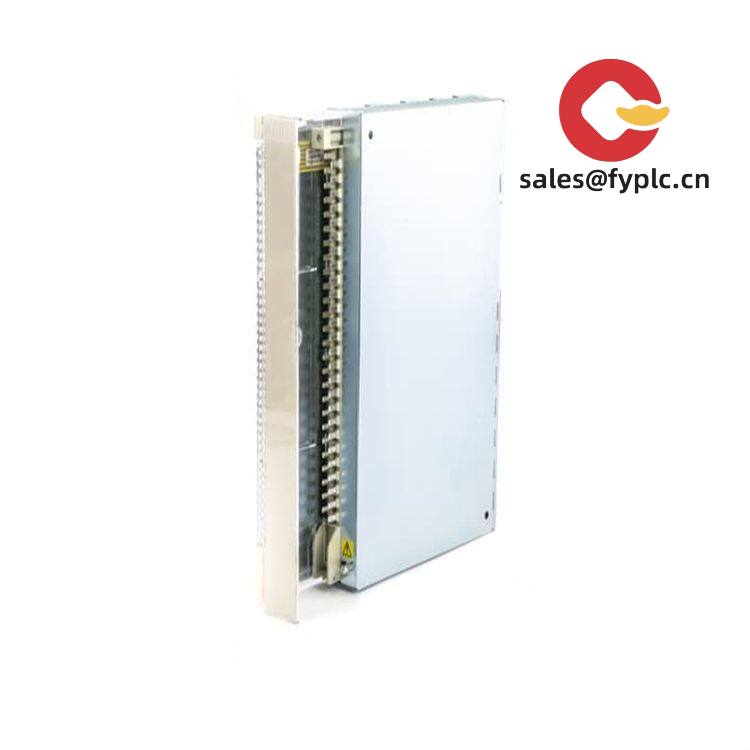
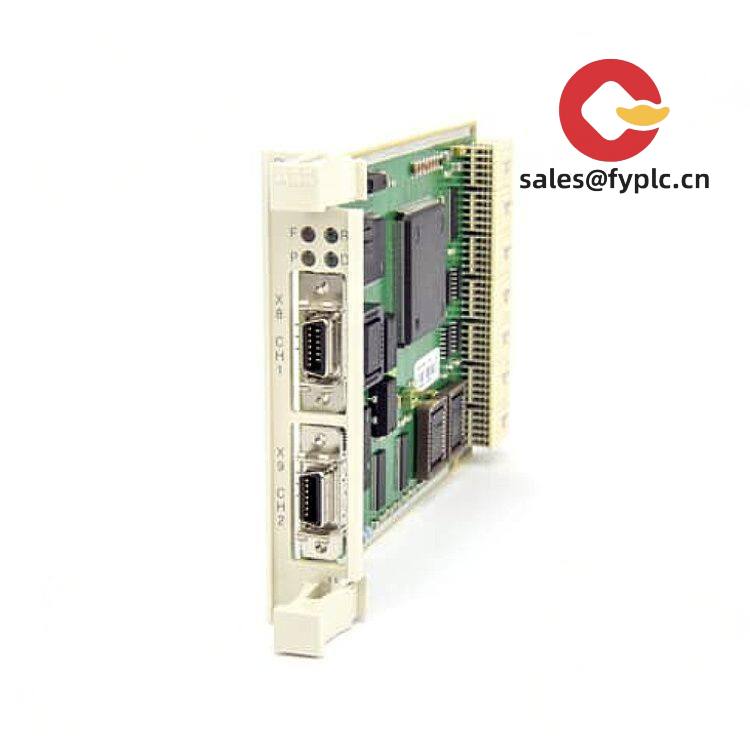
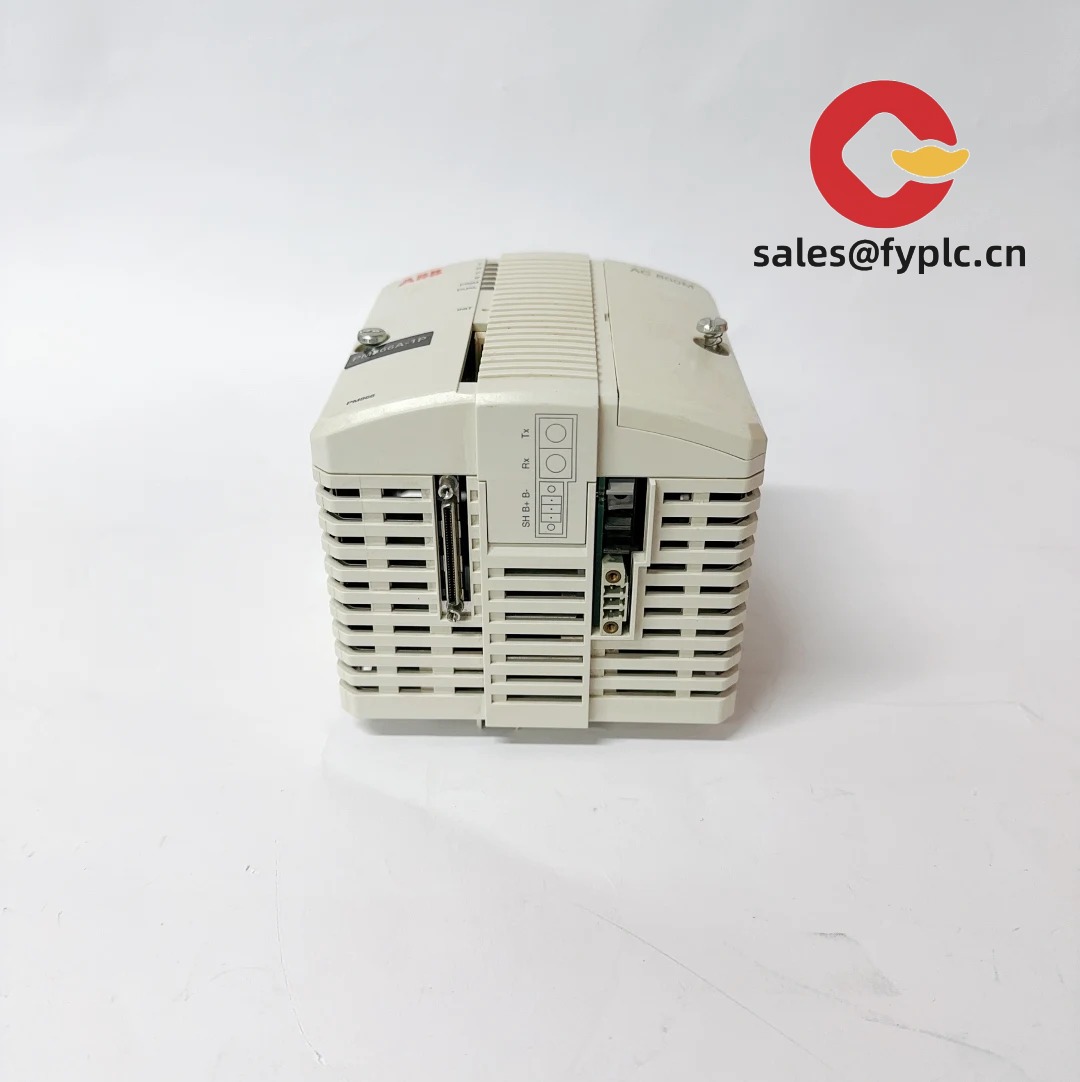
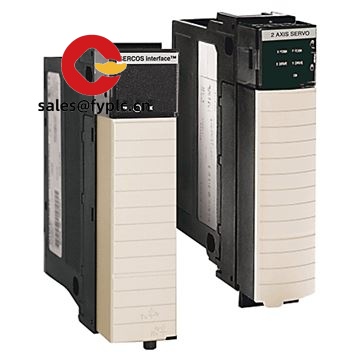
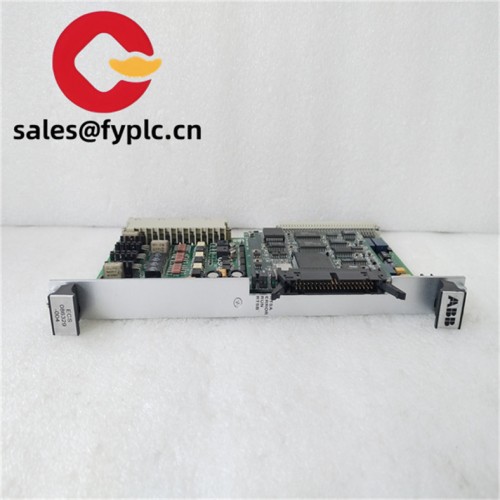
ABB CI546 3BSE012545R1 – Redundant Communication Interface for AC 800M Control Systems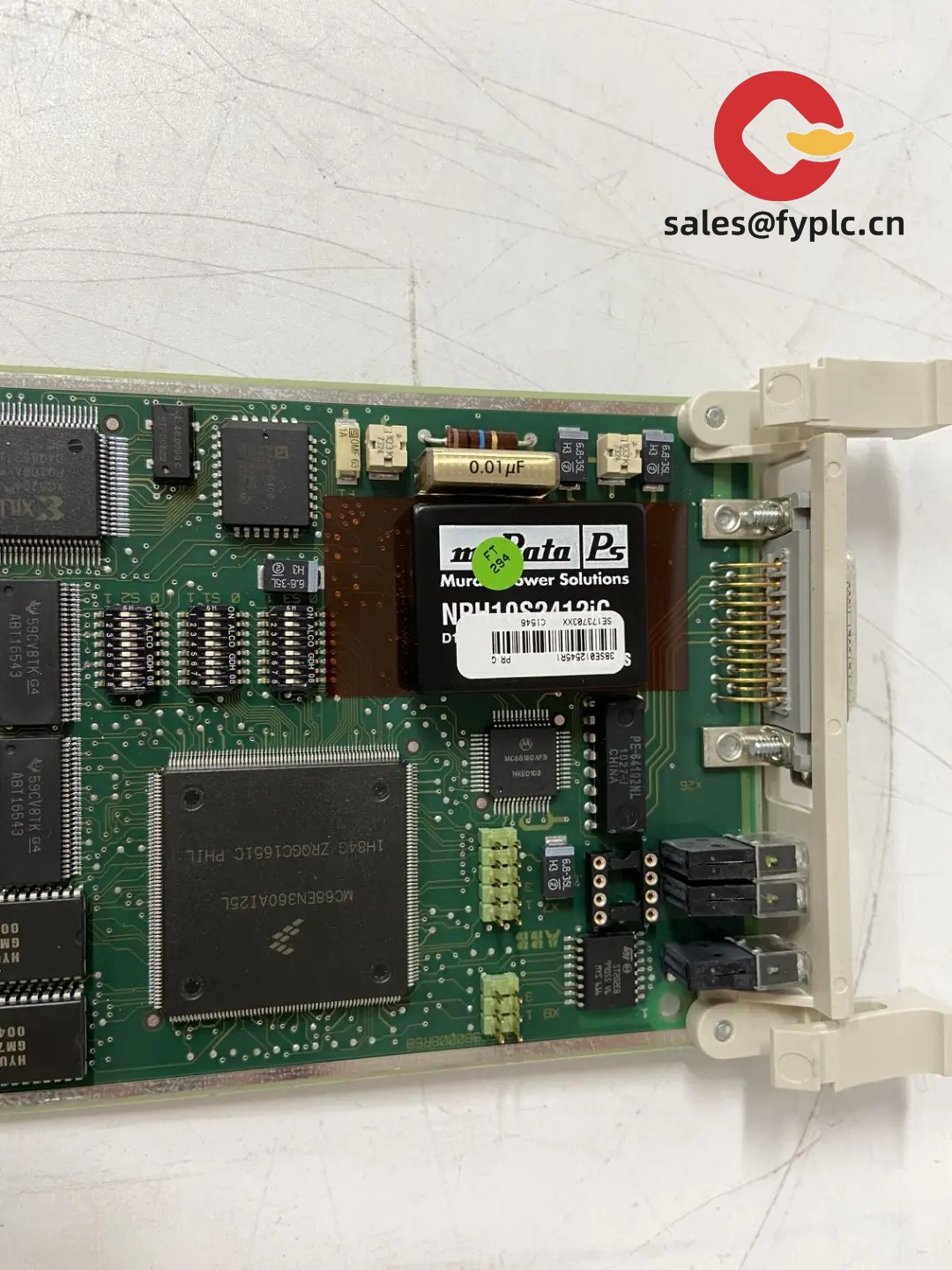
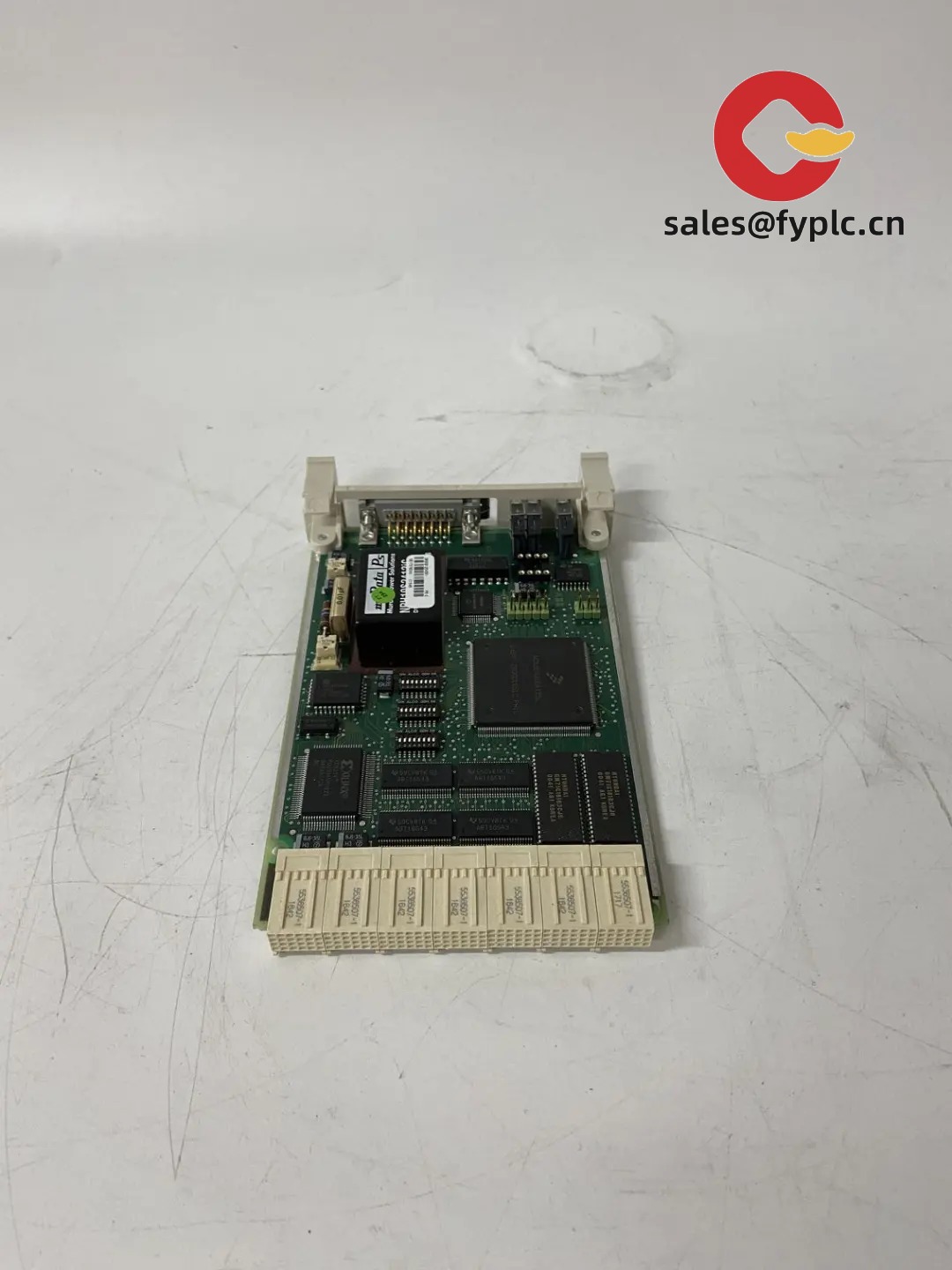
If you’re running an AC 800M controller and need reliable, fault-tolerant communication between automation stations, the ABB CI546 module is typically a solid pick. From my experience, it’s commonly used in power plants and large-scale process industries where uptime matters. One thing I appreciate is how seamlessly it integrates into redundant architectures—helping maintain system continuity even if one communication path fails.
Key Features
- Dual-channel redundancy: Supports hot-standby configurations over two independent optical fiber links—this means minimal disruption during link failure.
- Fiber optic interface (FOI): Uses duplex SC connectors with multimode fiber, which helps reduce electrical noise interference in high-voltage environments.
- High-speed data transfer: Operates at up to 100 Mbps, suitable for time-critical control applications like turbine management or boiler control.
- Integration with AC 800M: Plugs directly into the controller’s I/O bus without additional configuration tools—just map it in Control Builder M.
- Diagnostic capabilities: LED indicators provide real-time status feedback on link activity, synchronization, and errors—useful when troubleshooting on-site.
Technical Specifications
| Brand / Model | ABB / CI546 (3BSE012545R1) |
| HS Code | 8538.90.90 |
| Power Requirements | Supplied via backplane from AC 800M rack (typically 5 VDC ±5%) |
| Dimensions & Weight | Standard EU module: 35 mm x 150 mm x 120 mm; ~300 g |
| Operating Temperature | 0°C to +60°C (with derating above 45°C) |
| Signal Input/Output Types | Dual fiber optic (multimode), SC-type connectors |
| Communication Interfaces | Redundant FOI, compatible with PROFIBUS FMS and ABB-specific protocols over optical ring |
| Installation Method | DIN-rail mounted, integrated into AC 800M I/O rack |
Application Fields
This module tends to show up most often in heavy industrial settings—think thermal power generation, oil refineries, or water treatment facilities where distributed control systems span multiple buildings. In many cases, it’s deployed as part of a redundant communication ring linking main and backup controllers across separate control rooms. It seems particularly well-suited for environments where electromagnetic interference could disrupt copper-based signaling.
Advantages & Value
Procurement teams usually consider this module a long-term investment rather than a quick fix. While not the cheapest communication card out there, its compatibility with existing ABB ecosystems reduces integration risk. You might notice that replacement lead times can be tight, so having spares on hand makes sense—especially since delivery for in-stock units here takes about a week. The 365-day warranty also adds peace of mind for mission-critical deployments.
Installation & Maintenance
Mounting is straightforward—it snaps into any available slot in the AC 800M extension rack. Just make sure the cabinet meets IP20 standards and has adequate ventilation, especially if operating near the upper temperature limit. When connecting fiber cables, avoid sharp bends; I’ve seen more than one site lose signal due to kinked patch cords. Routine checks should include verifying LED statuses monthly and cleaning fiber ends annually using approved wipes. Firmware updates aren’t frequent, but they’re handled through Automation Builder—so keep your engineering station synced.
Quality & Certifications
The CI546 carries CE, UL, and CSA certifications, meeting standard industrial safety requirements for control equipment. It’s also RoHS compliant, which helps with environmental compliance in EU projects. ABB typically designs these modules to last well beyond a decade under normal conditions, and we back every unit shipped with a full 365-day warranty—no questions asked, as long as it’s been installed per guidelines.


Reviews
There are no reviews yet.