

Description
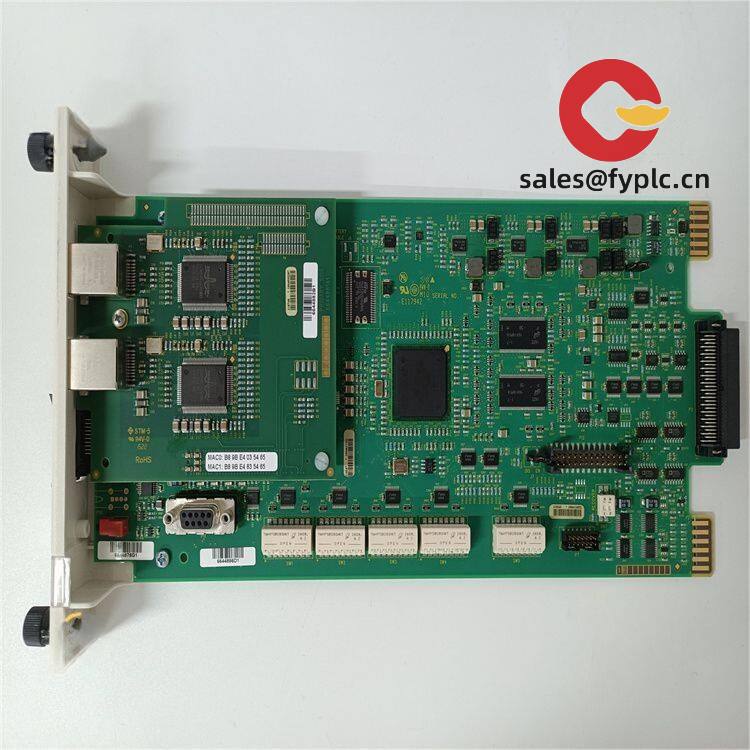
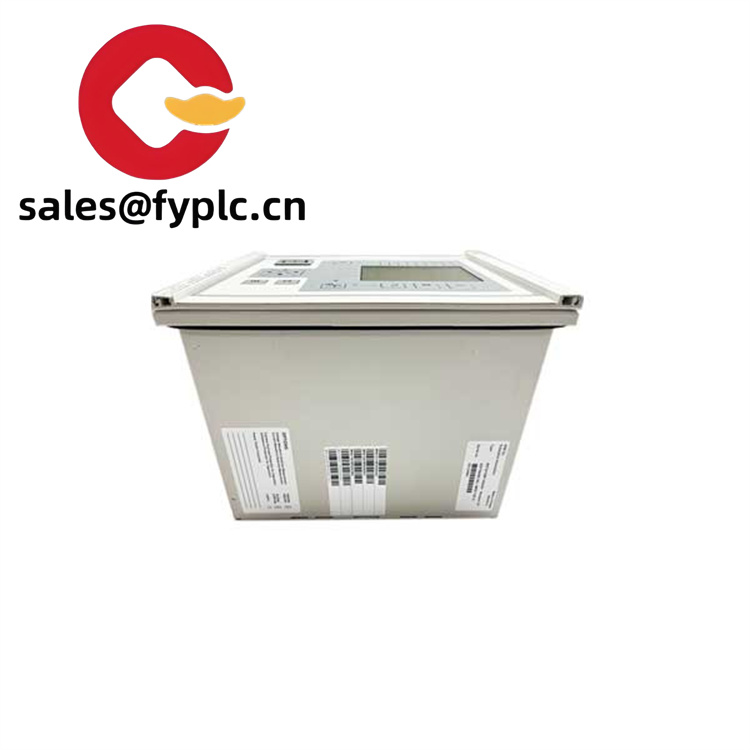
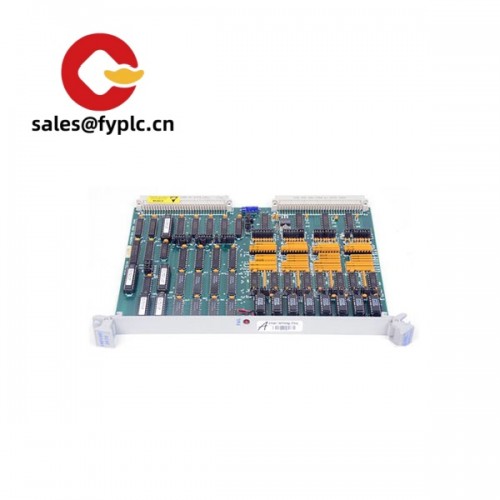
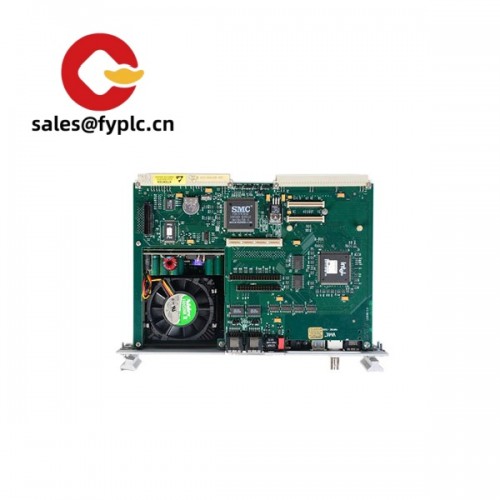
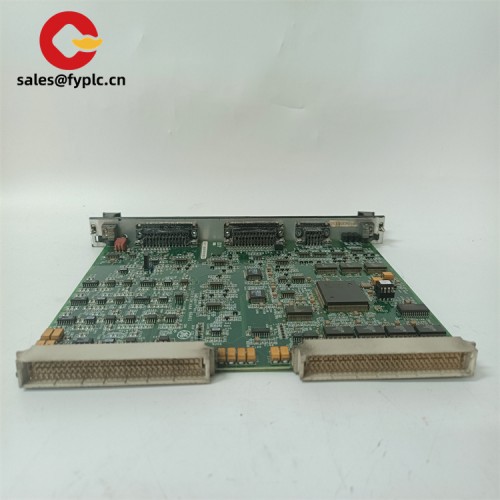
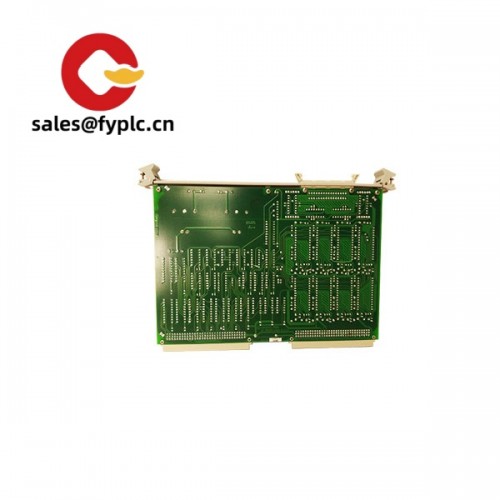
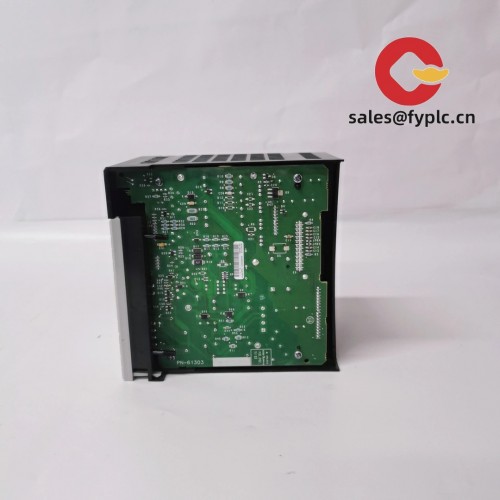
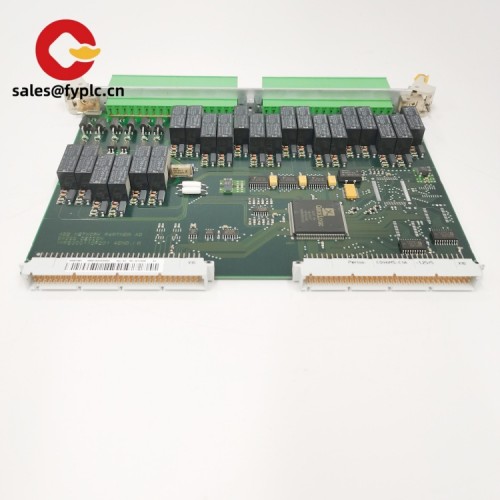
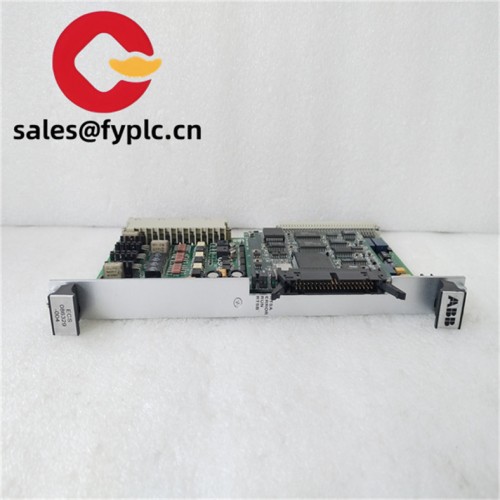
ABB Bailey INNPM12 – Intelligent Power Supply Module for Industrial Control Systems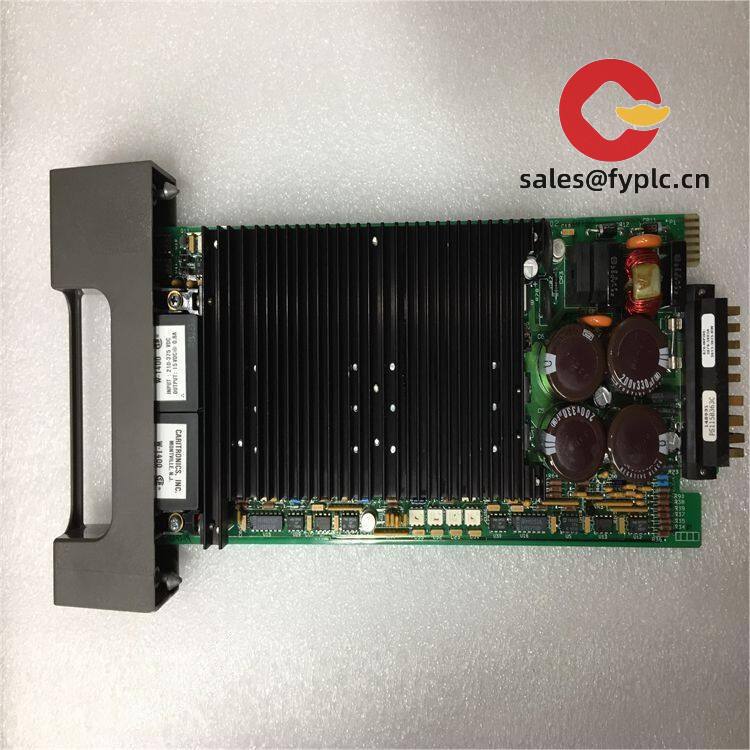
If you’re maintaining or upgrading a legacy Bailey Network 800 system, the ABB Bailey INNPM12 is likely one of those components that keeps things running quietly in the background—until it doesn’t. From my experience supporting process automation environments, this intelligent power supply module isn’t flashy, but its reliability and integration with the INFI-90 architecture make it a workhorse in many older power and chemical plants still relying on proven DCS infrastructure.
Key Features
- Intelligent diagnostics: Continuously monitors output voltage and current, reporting faults directly to the INFI-90 controller—helps reduce downtime during troubleshooting.
- Redundant-ready design: Typically deployed in pairs to support N+1 redundancy setups common in critical control cabinets.
- Hot-swappable: You can replace it without powering down the rack, which is a big deal during live operations.
- Wide input range: Accepts 85–264 VAC or 100–300 VDC, making it adaptable across different plant power standards.
- Front-panel status indicators: Clear LED feedback for power, fault, and battery conditions—no need for software tools just to verify basic operation.
Technical Specifications
| Parameter | Specification |
|---|---|
| Brand / Model | ABB / INNPM12 |
| HS Code | 8537.10.90 (Control panels for industrial automation) |
| Power Requirements | 85–264 VAC or 100–300 VDC 50/60 Hz, auto-ranging |
| Output Voltage | +5V DC @ 10A max +/-12V DC @ 1A each |
| Dimensions & Weight | Approx. 240 x 160 x 70 mm (WxHxD) ~2.1 kg |
| Operating Temperature | 0°C to +60°C (with derating above 50°C) |
| Communication Interface | Backplane serial link via INFI-90 I/O bus |
| Installation Method | DIN-rail or shelf-mounted chassis (compatible with INFI-90 racks) |
Application Fields
The INNPM12 shows up most often in aging—but still mission-critical—industrial settings where replacing an entire DCS isn’t feasible. In many cases, I’ve seen it used in fossil fuel power stations managing turbine controls, petrochemical facilities handling safety interlocks, and even some water treatment plants where the original ABB Bailey systems were never fully migrated. It’s not something you’d spec for a new installation today, but if you’re keeping legacy gear online, this module plays a vital role in stable rack-level power distribution.
Advantages & Value
One thing I appreciate about sourcing these units now is that while they’re no longer manufactured, refurbished and tested modules like this are still available with full burn-in testing. That means you get near-original reliability at a fraction of what a full system upgrade would cost. Compatibility with existing INFI-90 firmware and controllers makes integration seamless. Procurement teams tend to favor them because downtime avoidance usually outweighs long-term obsolescence concerns—especially when spares are secured for another 5–7 years.
Installation & Maintenance
You’ll want to install this in a clean, well-ventilated control cabinet—preferably conforming to NEMA 12 or IP54 standards. Make sure there’s at least 50mm of clearance on both sides for airflow. Wiring should be done with shielded conductors, especially for the input power lines, to avoid noise coupling into sensitive logic circuits. While the module doesn’t require routine calibration, checking the output voltages annually with a multimeter helps catch drift early. Also, keep firmware revision records handy; although the INNPM12 doesn’t update often, mismatched versions between modules have caused communication glitches in some cases.
Quality & Certifications
Each unit goes through functional testing, including load regulation and ripple checks before shipment. They typically carry CE marking and meet UL 508A standards for industrial control equipment. RoHS compliance applies to later production batches, though earlier ones may predate full implementation. The warranty period is 365 days—covers defects in materials and workmanship under normal operating conditions.
Ordering Notes: Delivery takes about one week for in-stock units; otherwise, no more than a month. Payment is 50% upfront, with the balance due before shipping. We ship via FedEx, UPS, or DHL—your choice. If you’re replacing multiple units, bundling orders helps cut down on logistics overhead.

Reviews
There are no reviews yet.