
Description
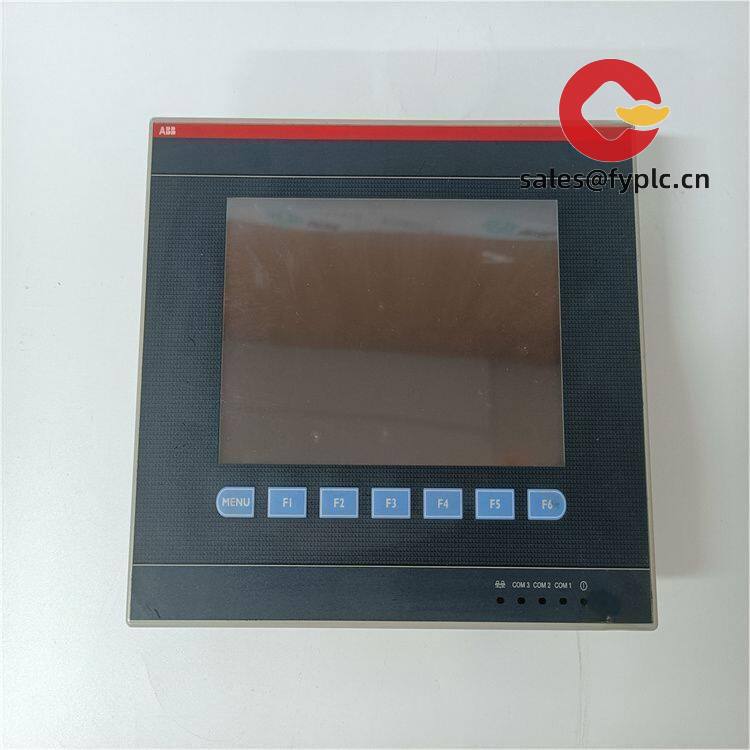
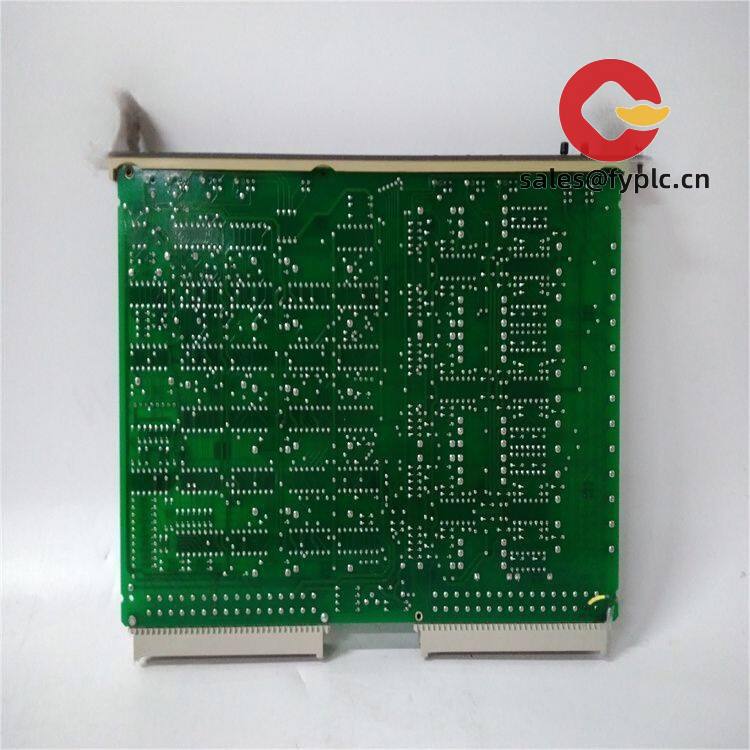
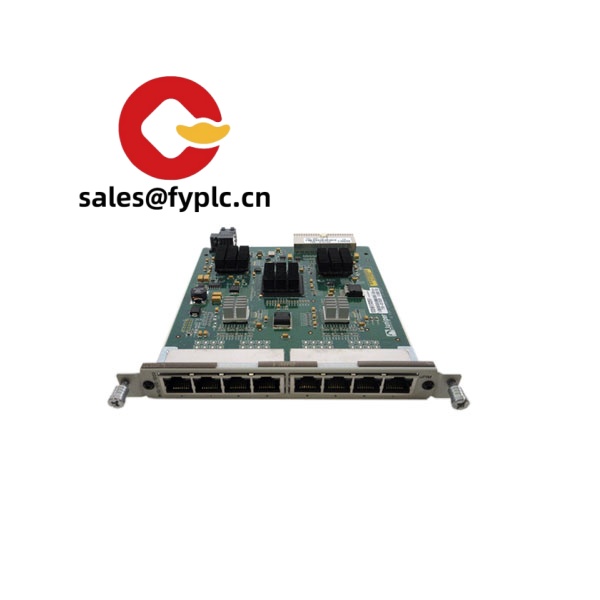
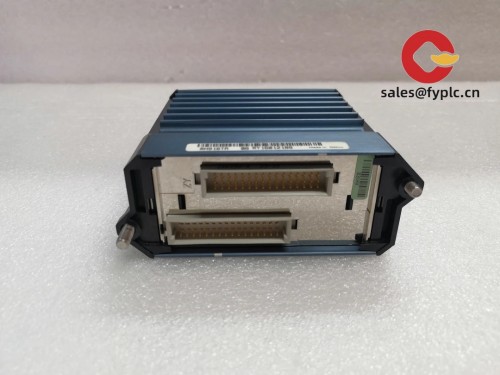
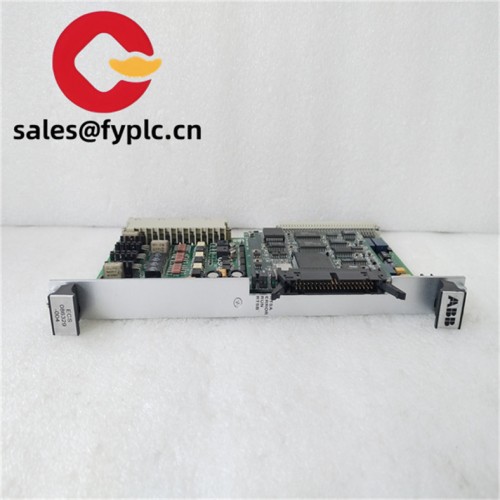
ABB CP450T-ETH (1SBP260189R1001) – High-Performance Industrial Controller with Integrated Ethernet Communication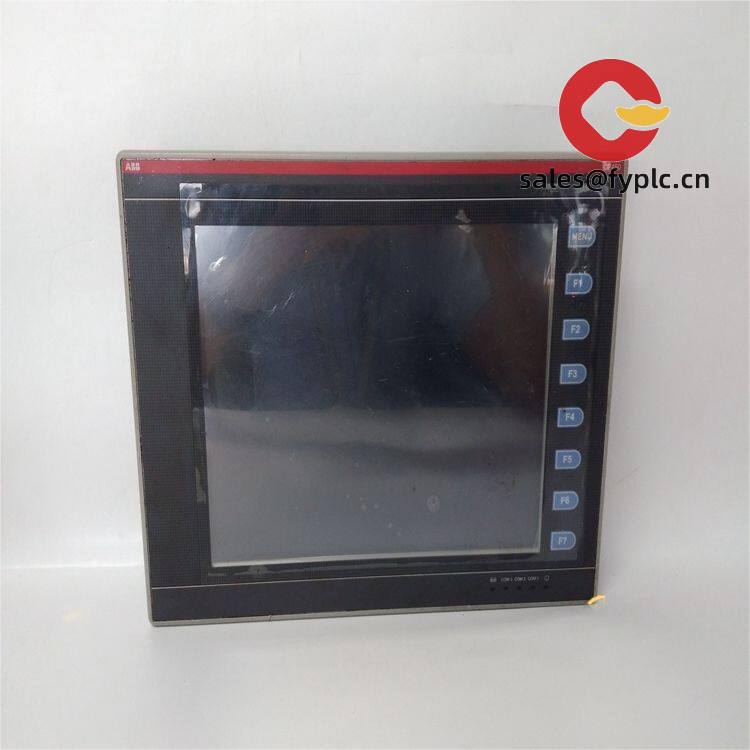
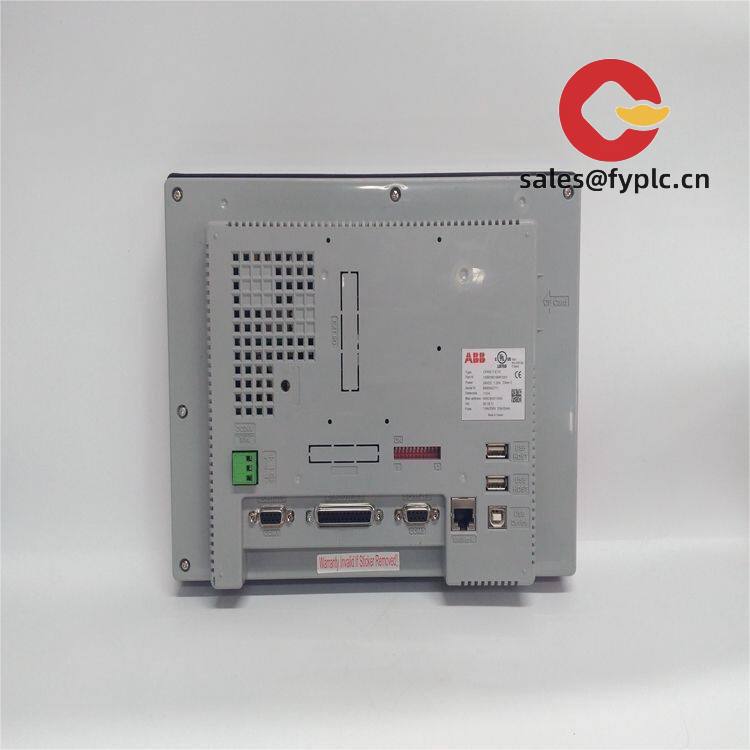
If you’re running a mid-sized automation setup—say, in water treatment or building HVAC systems—and need a reliable, network-capable controller that won’t require constant babysitting, the ABB CP450T-ETH is typically worth a closer look. It’s not the most powerful in ABB’s CP series, but it hits a sweet spot between performance and cost for distributed control tasks. From my experience, clients replacing older PLCs in retrofitted pumping stations often find this model fits neatly into their architecture without overengineering.
Key Features
- Ethernet-enabled out of the box: The built-in 10/100 Mbps Ethernet port supports Modbus TCP and ABB’s own protocols, so integration with SCADA or HMI systems tends to go smoothly—no extra communication modules needed.
- Modular I/O expandability: You can daisy-chain up to seven I/O extension units, which makes scaling easier if your application grows. One thing I appreciate is how cleanly the bus connectors align—less wiring hassle during panel assembly.
- DIN-rail mountable: Fits standard 35 mm rails, so installation in compact control cabinets is straightforward. In many cases, maintenance techs swap these in under an hour during planned downtime.
- Real-time clock and SD card slot: Useful for time-stamped data logging and firmware backups. Some users report using this for audit trails in compliance-heavy environments like municipal wastewater plants.
- Programmable via Automation Builder: ABB’s software suite handles logic, HMI, and comms configuration in one place. While there’s a learning curve, once your team gets used to it, development cycles seem to be faster than with third-party IDEs.
Technical Specifications
| Parameter | Specification |
|---|---|
| Brand / Model | ABB CP450T-ETH (1SBP260189R1001) |
| HS Code | 85371090 |
| Power Requirements | 24 VDC ±15%, typical consumption ~15 W |
| Dimensions (W × H × D) | 80 × 100 × 70 mm |
| Weight | Approx. 480 g |
| Operating Temperature | -25°C to +60°C |
| Signal I/O (Base Unit) | 8 digital inputs (24 VDC), 4 relay outputs, 2 analog inputs (0–10 V / 0–20 mA) |
| Communication Interfaces | 1x Ethernet (Modbus TCP), 1x RS-485 (Modbus RTU) |
| Installation Method | Top-hat DIN rail (35 mm) |
| Programming Interface | USB service port + Ethernet |
Application Fields
This controller shows up frequently in utility infrastructure—particularly in pump control panels and small-to-medium substations. It’s also used in commercial HVAC sequences where BMS systems need decentralized logic handling. I’ve seen it deployed in refrigerated warehouse zones where temperature staging matters, and its real-time clock helps maintain compliance logs. Not ideal for high-speed motion control, but more than capable for process logic involving timers, interlocks, and basic PID loops.
Advantages & Value
Procurement teams tend to favor this model because it reduces spare part sprawl—if you’re already using ABB drives or low-voltage gear, adding another ABB-branded controller simplifies support contracts and training. Firmware updates are usually backward compatible, which helps avoid surprise rewrites during upgrades. Also, since it uses standard Ethernet, you’re not locked into proprietary cabling. That said, it’s not the cheapest option on the market, but the long-term reliability appears to justify the premium for many industrial users.
Installation & Maintenance
Mount it in a well-ventilated cabinet—ideally IP54 or better—to protect against dust and condensation. Avoid placing near high-heat sources like transformers. Wiring should follow ABB’s separation guidelines between power and signal lines to minimize noise. From my experience, grounding the DIN rail properly cuts down on sporadic communication faults. Routine maintenance includes checking terminal tightness every six months and verifying SD card integrity annually. Firmware updates are recommended when ABB releases patches for known protocol vulnerabilities—typically once or twice a year.
Quality & Certifications
Certified to CE, UL 61010-1, and RoHS standards. It also meets electromagnetic compatibility requirements per EN 61000-6-2 and -6-4, so interference resistance is solid in noisy environments. The unit comes with a 365-day warranty, covering defects in materials and workmanship. Repairs or replacements are handled through authorized service centers, and ABB typically responds within 72 hours for logged claims.
Ordering & Delivery Notes: Units in stock ship within one week. For large orders, lead time won’t exceed four weeks. We require 50% advance payment, with the balance due before shipment. We ship globally via FedEx, UPS, or DHL—your choice.

Reviews
There are no reviews yet.