
Description
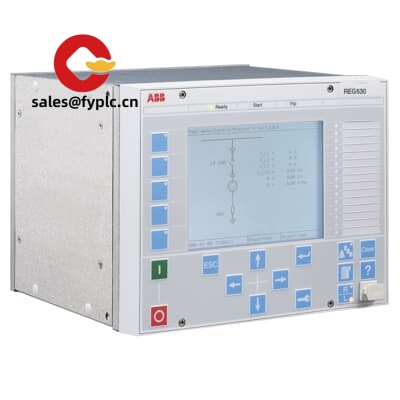
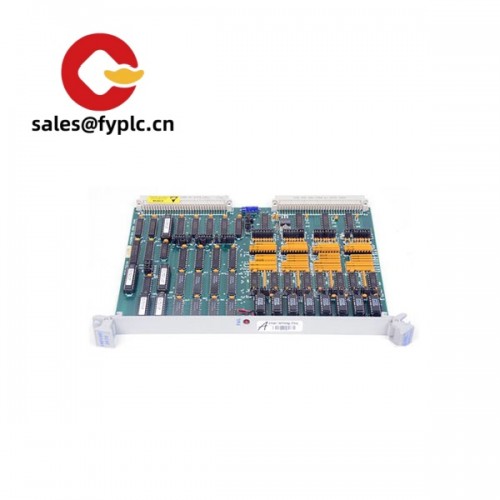
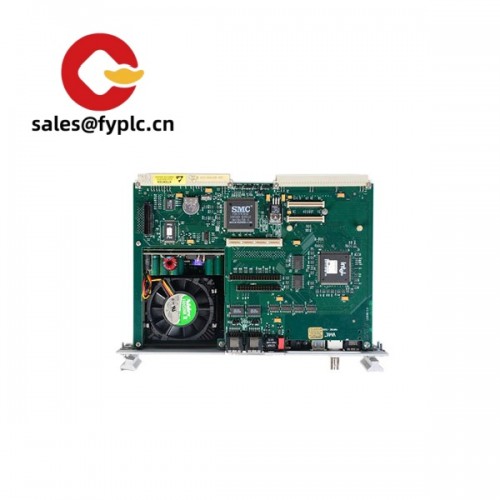
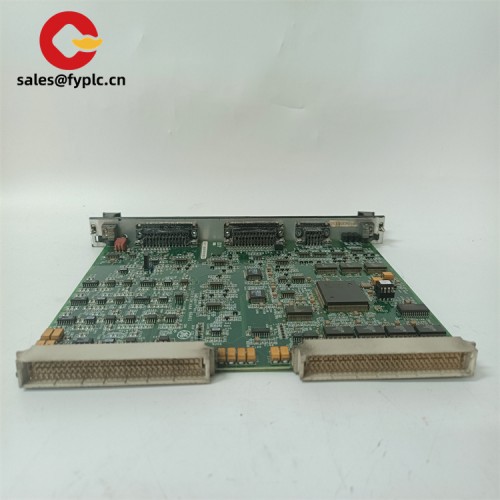
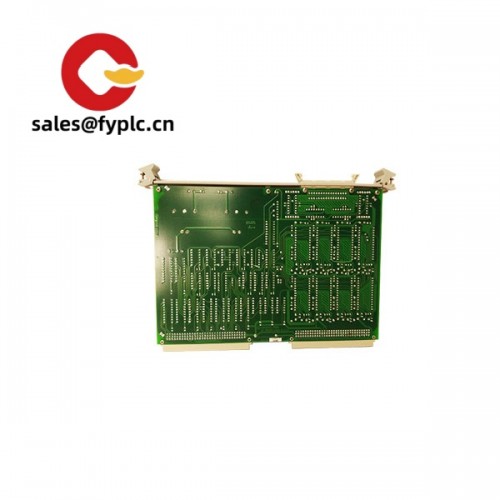
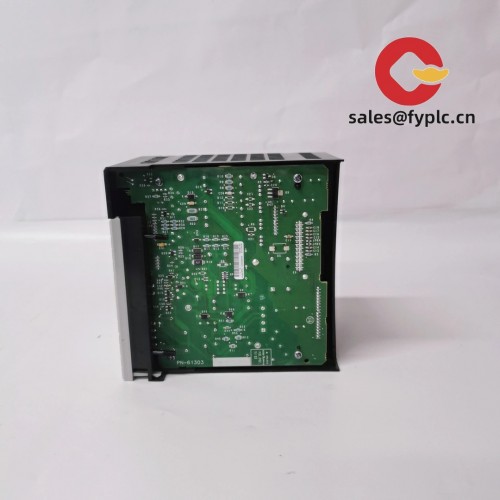
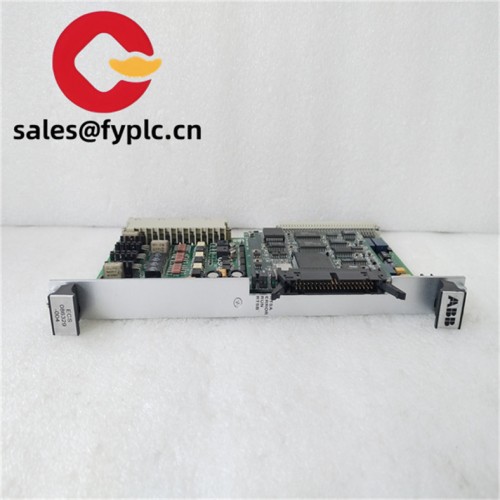
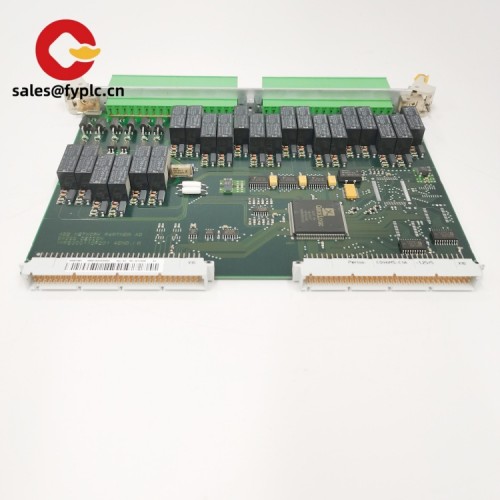
ABB DLM02 – Digital Load Manager for Industrial Power Control Systems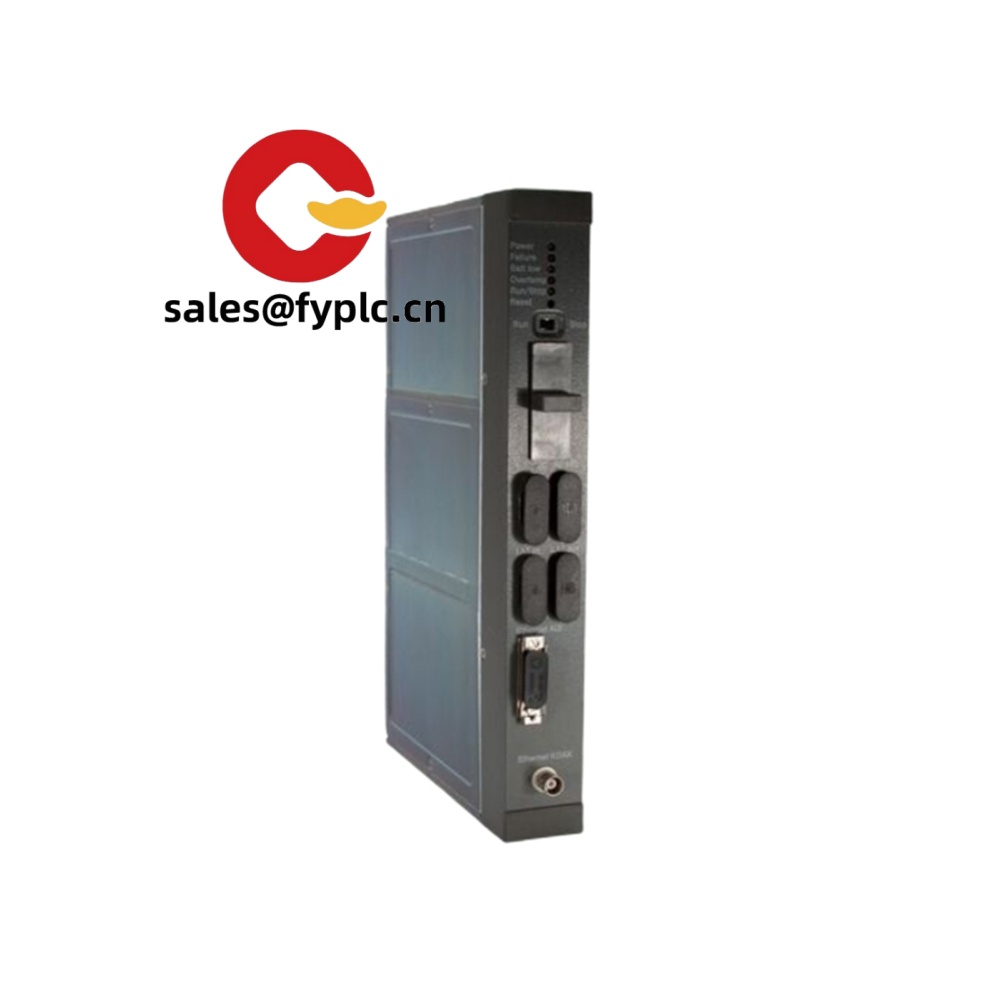
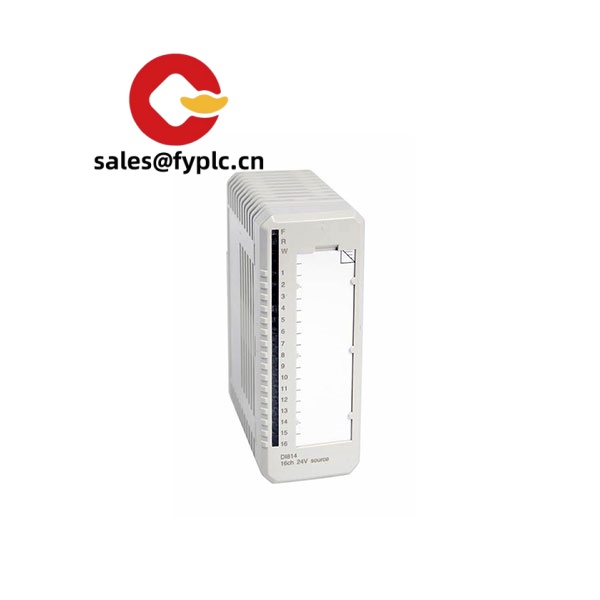
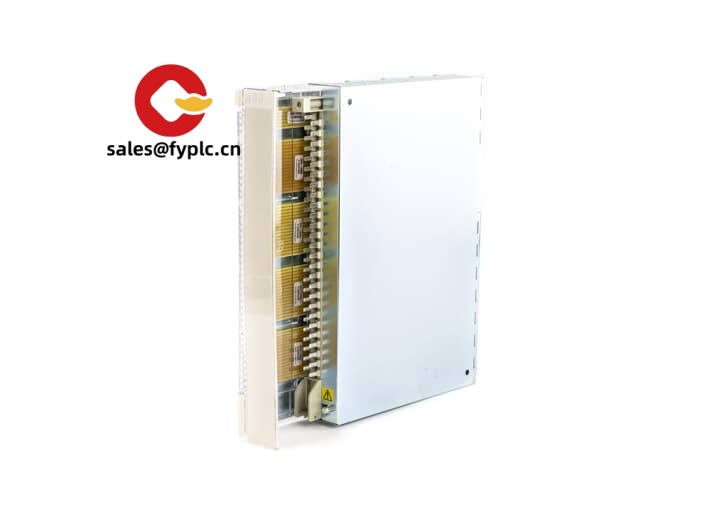
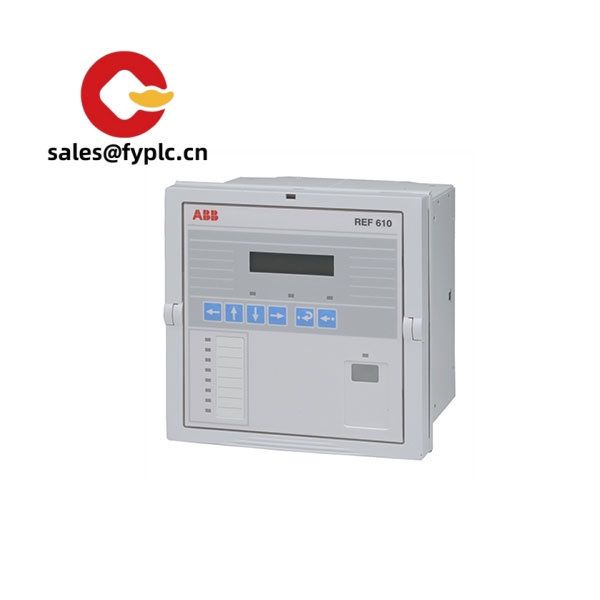
The ABB DLM02 is typically found in medium-voltage switchgear setups where precise load shedding and power continuity are critical. From my experience, it’s a go-to module when you’re working on retrofitting older ABB REF615 or REL670 relays with smarter load management logic—especially in utilities or large manufacturing plants where unplanned outages can get expensive fast.
Key Features
- Digital Load Management: Automatically sheds non-critical loads during underfrequency events, helping maintain system stability.
- Integration with ABB Protection Relays: Designed to work seamlessly with ABB’s 600 series protection IEDs, typically via IEC 61850 or Modbus RTU.
- Programmable Logic: Supports user-defined scripts for staged load shedding—handy if your plant has tiered operational priorities.
- Event Logging & Diagnostics: Stores time-stamped records of trigger events, which in many cases helps speed up root-cause analysis after disturbances.
- Compact Design: Fits into standard 19” cabinets without requiring additional mounting hardware.
Technical Specifications
| Parameter | Specification |
|---|---|
| Brand / Model | ABB / DLM02 |
| HS Code | 85371090 |
| Power Requirements | 24–60 VDC or 85–265 VAC/DC, typical draw ~12W |
| Dimensions & Weight | 120 mm × 180 mm × 60 mm / ~0.8 kg |
| Operating Temperature | -25°C to +70°C (storage up to +85°C) |
| Signal Input/Output Types | 6 digital inputs (dry contact), 4 relay outputs (max 5A resistive) |
| Communication Interfaces | RS-485 (Modbus RTU), optional IEC 61850-8-1 over Ethernet |
| Installation Method | DIN rail or panel mount in indoor switchgear panels |
Application Fields
You might notice that the DLM02 shows up a lot in water treatment facilities and pulp & paper mills—places where maintaining partial operation during grid instability matters more than full shutdown. It’s also used in microgrids with diesel backup, where it helps prevent generator overload by sequentially disconnecting low-priority circuits. In offshore platforms, its reliability under fluctuating voltage conditions makes it a solid choice despite newer alternatives.
Advantages & Value
One thing I appreciate is how well it integrates with legacy ABB systems without requiring a full control system overhaul. That often translates into real cost savings—both in engineering hours and spare parts inventory. While it doesn’t have native wireless monitoring, its deterministic response time (<50ms) still holds up in critical applications. Procurement teams tend to favor it because replacement units are still supported by ABB, and firmware updates are available through their portal.
Installation & Maintenance
Install in a clean, dry cabinet meeting IP54 standards. Make sure there’s at least 50mm clearance on both sides for heat dissipation. Wiring should use shielded twisted pair for communication lines, grounded at one end only. Avoid routing near high-current cables to reduce noise interference. For maintenance, check terminal tightness annually and verify relay operation every 18 months. Firmware updates are rare but recommended when patch notes mention improved fault ride-through behavior.
Quality & Certifications
Certified to IEC 60255-6 (vibration), IEC 60255-22 (EMC), UL 508, CE marked, and RoHS compliant. The unit comes with a manufacturer-backed warranty of 365 days. Field failure data suggests mean time between failures (MTBF) exceeds 100,000 hours under normal operating conditions.
Order Placement Process & Guarantees
- Delivery Time: 1 week for in-stock units; no more than one month for backordered items.
- Payment Method: 50% advance payment, balance due before shipment.
- Express Delivery: FedEx, UPS, or DHL—tracking provided upon dispatch.


Reviews
There are no reviews yet.