
Description
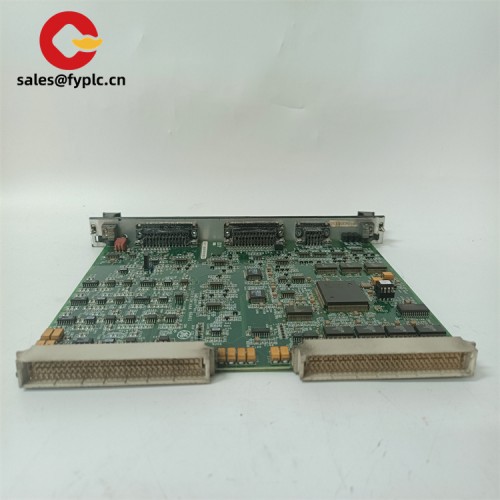
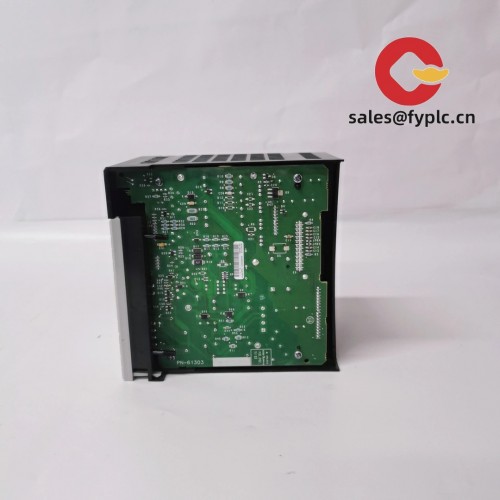
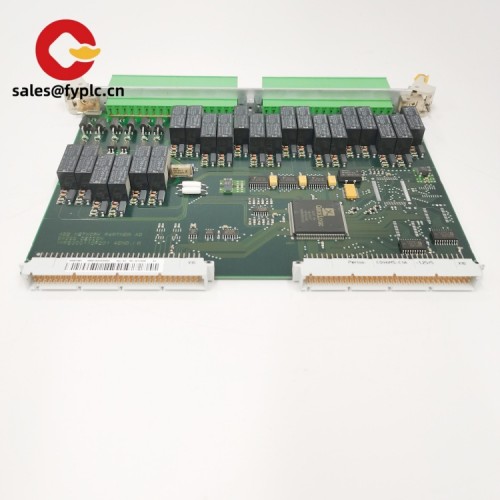
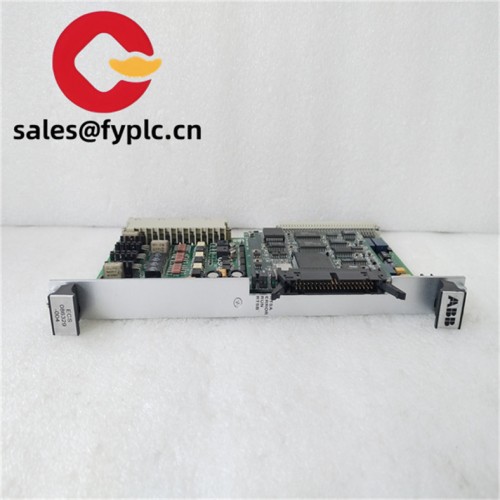
ABB MSR04XI – Modular Safety Relay for Industrial Machine Protection
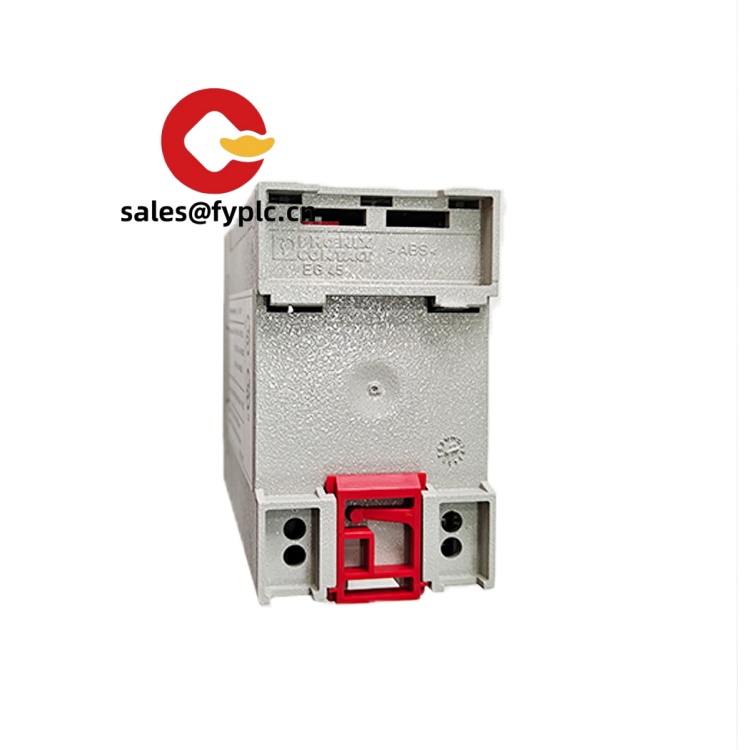
If you’re working on machinery that requires reliable safety circuit monitoring—like presses, packaging lines, or automated assembly systems—the ABB MSR04XI is one relay that tends to stay in the cabinet long after installation. It’s not flashy, but it does its job consistently. From my experience, it’s become a go-to in applications where dual-channel safety monitoring matters, especially when interfacing with emergency stops, light curtains, and door interlocks.
Our Order Placement Process & Guarantees
- Warranty: 365 days from date of delivery — full coverage for defects in materials or workmanship.
- Delivery Time: Typically within 1 week if in stock; never exceeds one month even during supply chain delays.
- Payment Terms: 50% advance payment required; remaining 50% due before shipment.
- Shipping: Dispatched via FedEx, UPS, or DHL depending on destination and urgency.
Key Features
- Dual-channel safety input monitoring – Accepts two separate safety circuits (e.g., E-stop + guard door), reducing risk of bypassing safety functions.
- Forced-guided relays (EN 549) – The output relays are mechanically linked so that if one contact welds, the others can’t falsely indicate a safe state. One thing I appreciate is how this aligns with Category 4 performance levels.
- Manual or automatic reset option – You might notice that some installations prefer manual reset after a trip, especially where operator acknowledgment is critical.
- LED status indicators – Clear visual feedback for power, fault, and output status. In dimly lit control panels, these make troubleshooting noticeably faster.
- Compact DIN-rail mount design – Fits neatly into standard 35 mm top-hat rails, saving space in crowded cabinets.
Technical Specifications
| Parameter | Specification |
|---|---|
| Brand / Model | ABB / MSR04XI |
| HS Code | 8536.50.90 (typical for industrial safety relays; verify locally based on configuration) |
| Power Requirements | 24 V DC (±20%), typical consumption ~3.5 W |
| Dimensions & Weight | Approx. 60 mm (W) × 90 mm (H) × 60 mm (D), ~220 g |
| Operating Temperature | -25°C to +55°C (non-condensing) |
| Signal Input Types | Two safety inputs (N/C monitored), compatible with dry contacts or semiconductor outputs |
| Output Contacts | 3 normally open (NO) safety outputs, forced-guided relays, rated up to 6 A @ 250 V AC |
| Communication Interfaces | None – hardwired only (no fieldbus); keeps design simple and failure points low |
| Installation Method | 35 mm DIN rail mounting (TS35), clips securely without additional fasteners |
Application Fields
The MSR04XI shows up most often in mid-tier automation environments where full PLC-based safety isn’t justified—or where redundancy at the component level makes more sense. Think of woodworking machines, conveyor transfer zones, robotic cells with physical guarding, or older retrofitted lines. It appears that many maintenance teams favor it because it doesn’t require programming software or complex setup. One customer mentioned using it as a drop-in replacement for an aging Siemens 3SK safety relay, citing similar footprint and wiring layout.
Advantages & Value
While it’s not the cheapest safety relay on the market, the MSR04XI typically pays for itself in reduced downtime. Its reliability means fewer nuisance trips and less diagnostic time. Since it’s part of ABB’s broader MSR series, sourcing spares across regions tends to be easier than with proprietary units. Compatibility with standard DIN enclosures and terminal blocks also simplifies integration—no need for custom brackets or adapters. From a procurement standpoint, knowing that replacements arrive within a week helps keep MRO inventories lean.
Installation & Maintenance
Mount it vertically on a standard TS35 rail, ideally in a sealed control cabinet meeting IP54 or better. Avoid locations near high-heat sources like drives or transformers—thermal stress can shorten relay life over time. Wiring should use 0.2–2.5 mm² stranded copper with ferrules recommended for vibration-prone areas. One thing worth noting: always test both manual and automatic reset modes during commissioning to avoid surprises later. For maintenance, periodic visual inspection and functional testing every 6–12 months usually suffice. No firmware updates needed—it’s purely electromechanical—but check contact resistance annually if used in high-cycle applications.
Quality & Certifications
The unit carries CE, UL, and CSA marks, confirming compliance with EN ISO 13849-1 (up to PL e, Cat. 4) and IEC 60947-5-1 standards. It’s also RoHS compliant, which helps with environmental reporting in regulated industries. The 365-day warranty covers repair or replacement for manufacturing defects, provided it’s installed per ABB guidelines. In practice, we’ve seen field lifespans exceed 10 years under normal load conditions.

Reviews
There are no reviews yet.