
Description
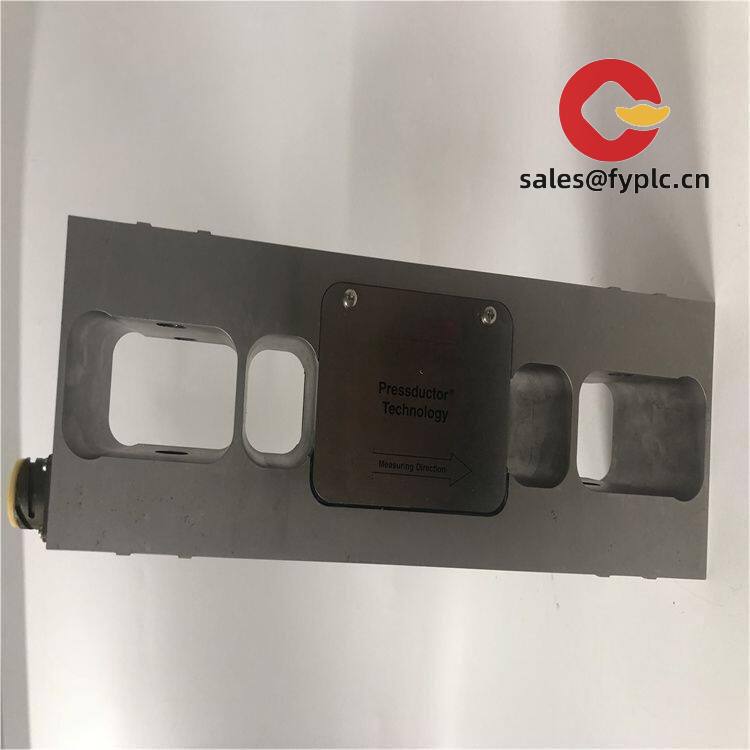
ABB PFCL201C 20KN (3BSE023409R20) – High-Precision Load Cell for Industrial Weighing Systems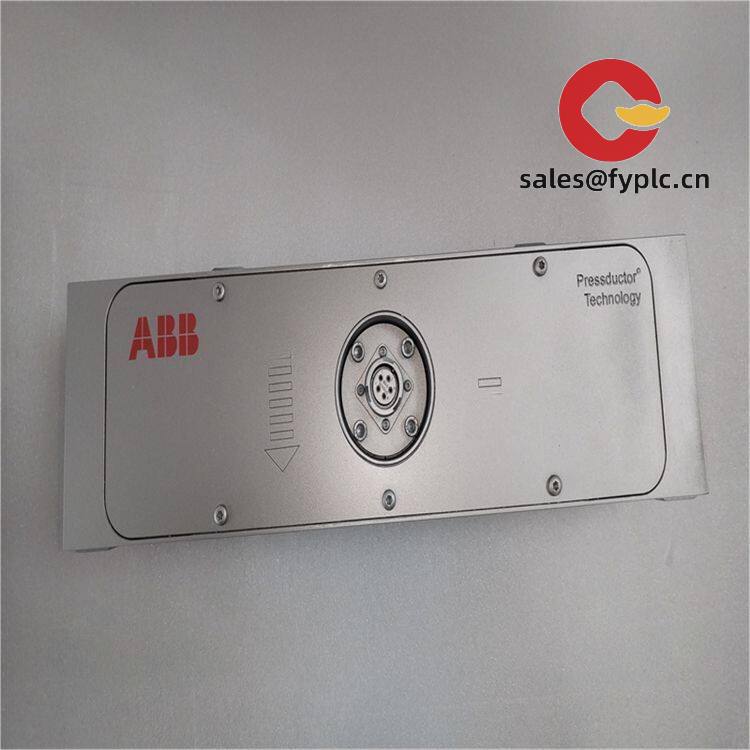
If you’re working on a bulk material handling setup or configuring a silo monitoring system, the ABB PFCL201C 20KN load cell tends to show up as a solid performer. It’s not flashy, but in continuous-duty environments—like cement plants or grain terminals—it holds up well over time. From my experience, it’s one of those components that doesn’t get much attention until it fails, which is rare if installed correctly.
Key Features
- Precision rating of 20 kN: Designed for medium-load applications where accuracy matters—typically used in hoppers and tanks up to 10 tons.
- Robust stainless steel construction: Resists corrosion from moisture and dust, making it suitable for outdoor or washdown environments.
- IP67-rated enclosure: One thing I appreciate is how reliably it performs in wet conditions—rain or condensation doesn’t seem to affect signal stability.
- Strain gauge technology: Offers stable output with low drift over time, especially when paired with ABB’s compatible signal conditioners.
- Analog mV/V output: Simple integration with most PLCs and weight indicators using standard junction boxes and summing circuits.
Technical Specifications
| Parameter | Specification |
|---|---|
| Brand / Model | ABB / PFCL201C 20KN (3BSE023409R20) |
| HS Code | 8543.70.90 |
| Rated Capacity | 20 kN (approx. 2,040 kg force) |
| Output Signal | 2.0 ± 0.1 mV/V |
| Excitation Voltage | Typically 10 V DC (max 15 V) |
| Operating Temperature Range | -20°C to +70°C |
| Installation Method | Threaded stud base, typically mounted under support feet or hanging assemblies |
| Dimensions & Weight | Ø58 mm x 35 mm height; ~380 g |
| Protection Rating | IP67 (dust-tight and protected against temporary immersion) |
Application Fields
This load cell is commonly found in process industries where batching, inventory tracking, or continuous feeding requires accurate weight data. In many cases, it’s used beneath small mixers, reactor vessels, or dosing bins in food processing, chemical manufacturing, and wastewater treatment. You might notice that some OEMs integrate it into modular skid systems because of its compact size and ease of calibration.
Advantages & Value
Procurement teams often favor this model due to its compatibility with existing ABB instrumentation ecosystems. While it isn’t the cheapest option on the market, the long-term reliability reduces downtime costs. Spare units can be kept without worrying about obsolescence—ABB has maintained this form factor across revisions. Also, since it uses standard analog signaling, replacing legacy cells during upgrades is straightforward without rewiring entire cabinets.
Installation & Maintenance
Mounting should be done on a level, rigid surface—any misalignment can introduce side-loading errors. Use thread-locking compound on the mounting stud, but avoid over-torquing. The cable entry should face downward to prevent water ingress. For maintenance, check for mechanical binding every six months, especially in high-vibration areas. Calibration should be verified annually or after physical impact. Firmware updates aren’t applicable here since it’s passive, but ensure connected instruments are running current software versions.
Quality & Certifications
The PFCL201C meets CE, UL, and RoHS standards, which makes it suitable for deployment in North America, Europe, and Asia without compliance concerns. It appears that ABB maintains consistent quality control across production batches—field failure rates tend to stay low. The unit comes with a standard 365-day warranty, covering defects in materials and workmanship.
Orders ship within one week if in stock, and never take more than a month. Payment is 50% upfront, with the balance due before shipment. We use FedEx, UPS, or DHL for express delivery depending on destination and urgency.

Reviews
There are no reviews yet.