
Description
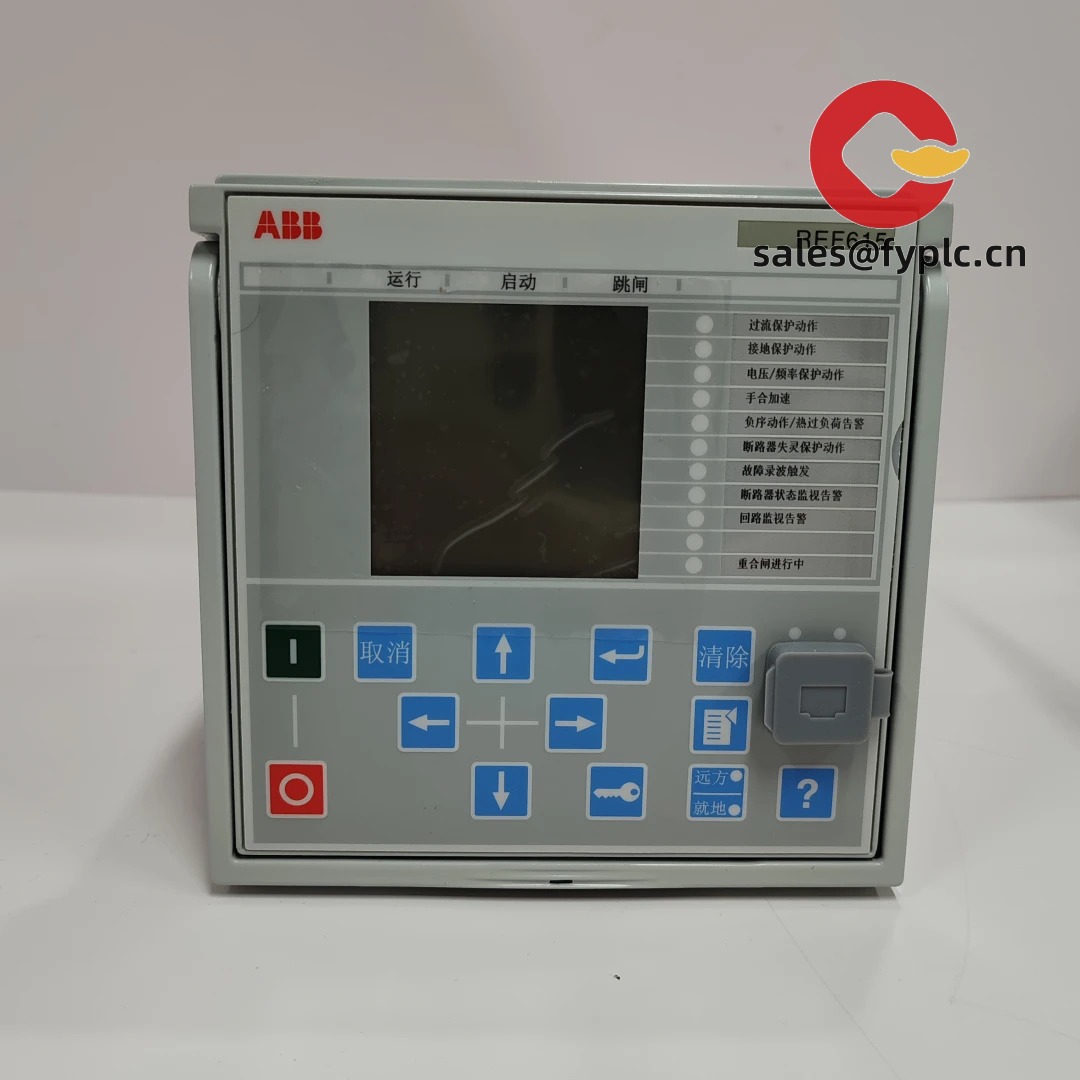
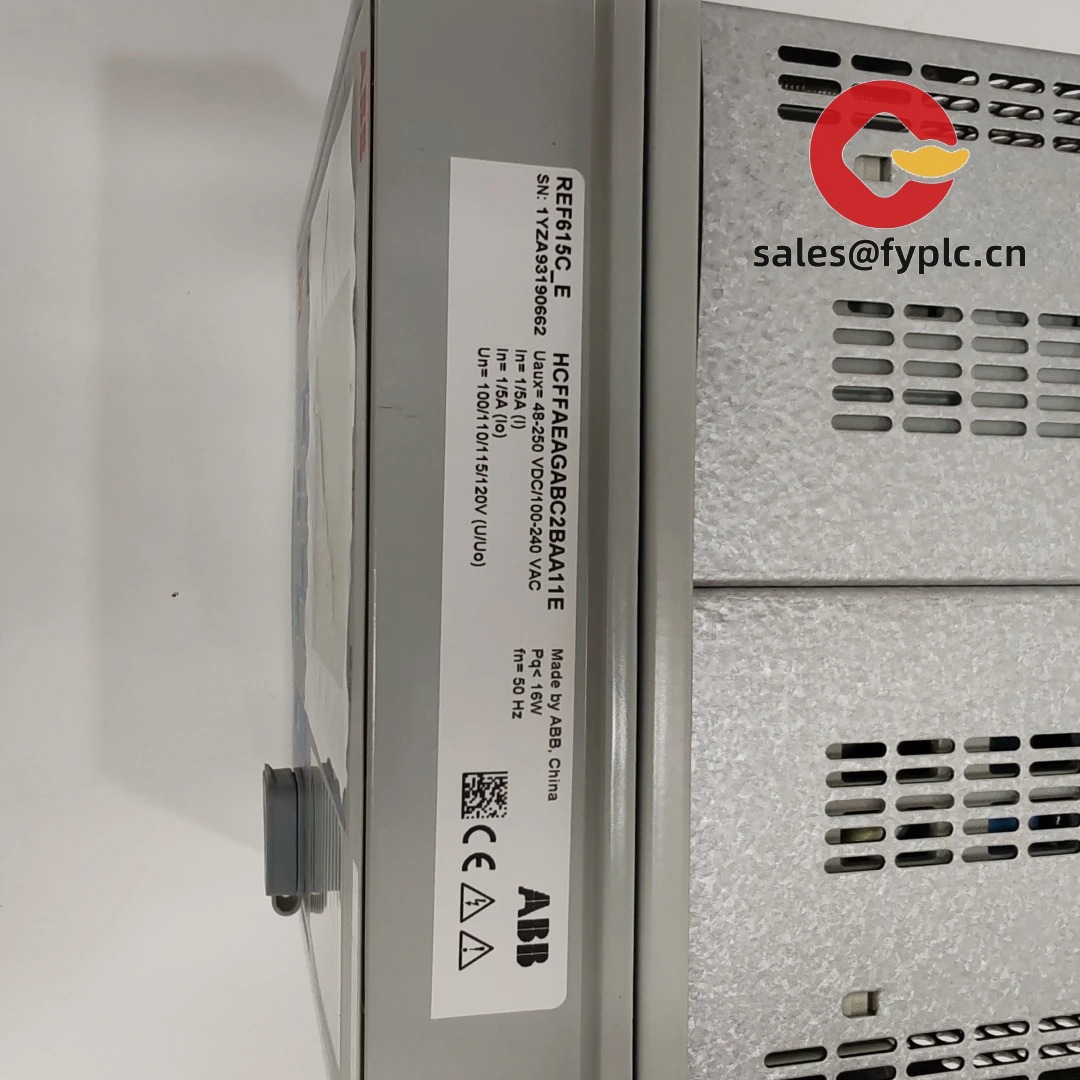
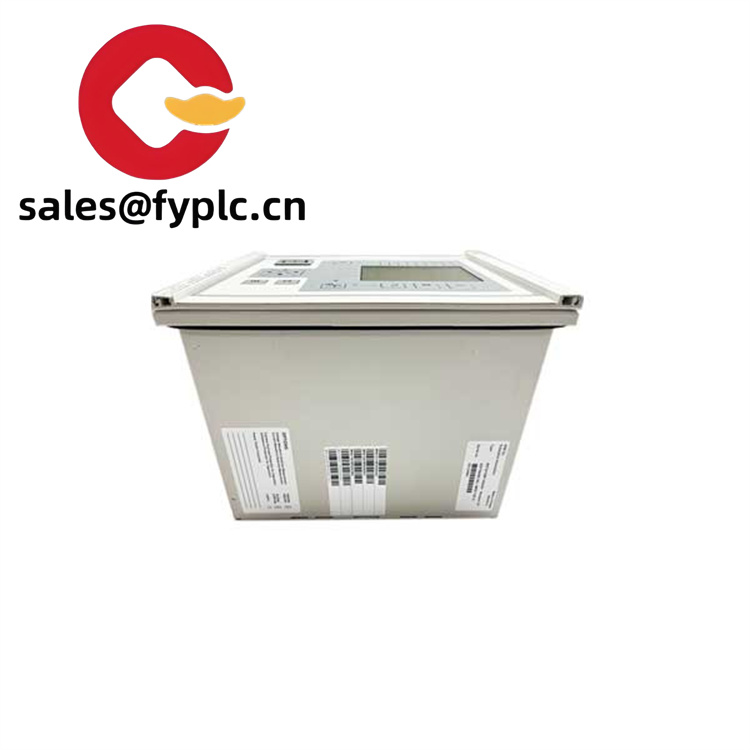
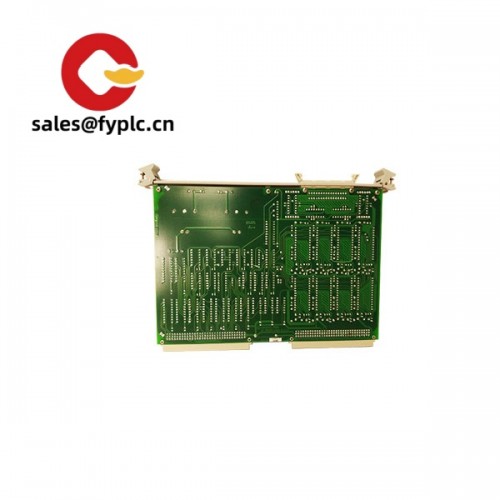
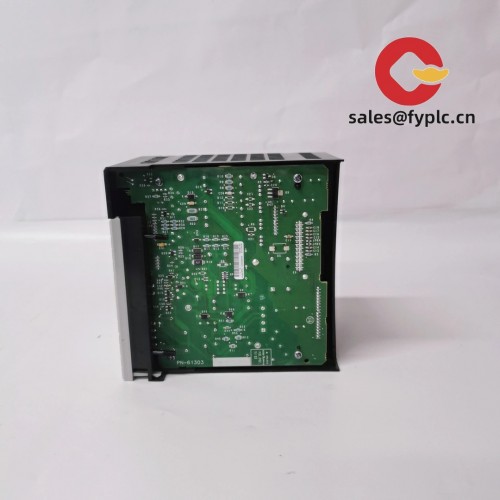
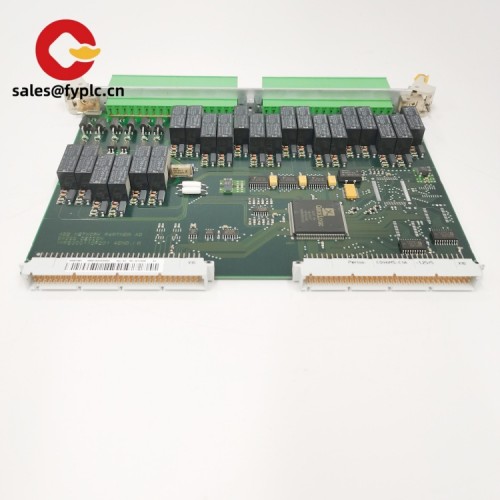
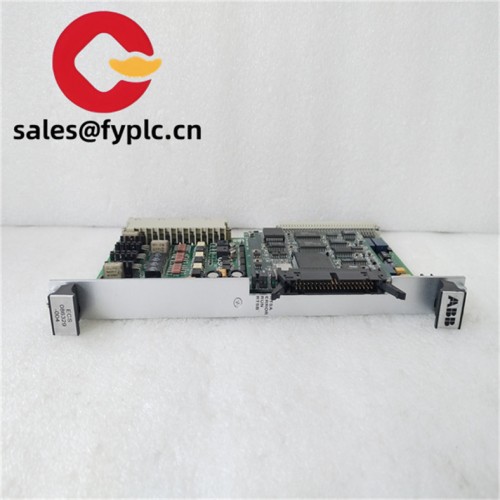
ABB REF615C-E HCFFAEAGABC2BAA11E – Protection Relay for Medium Voltage Applications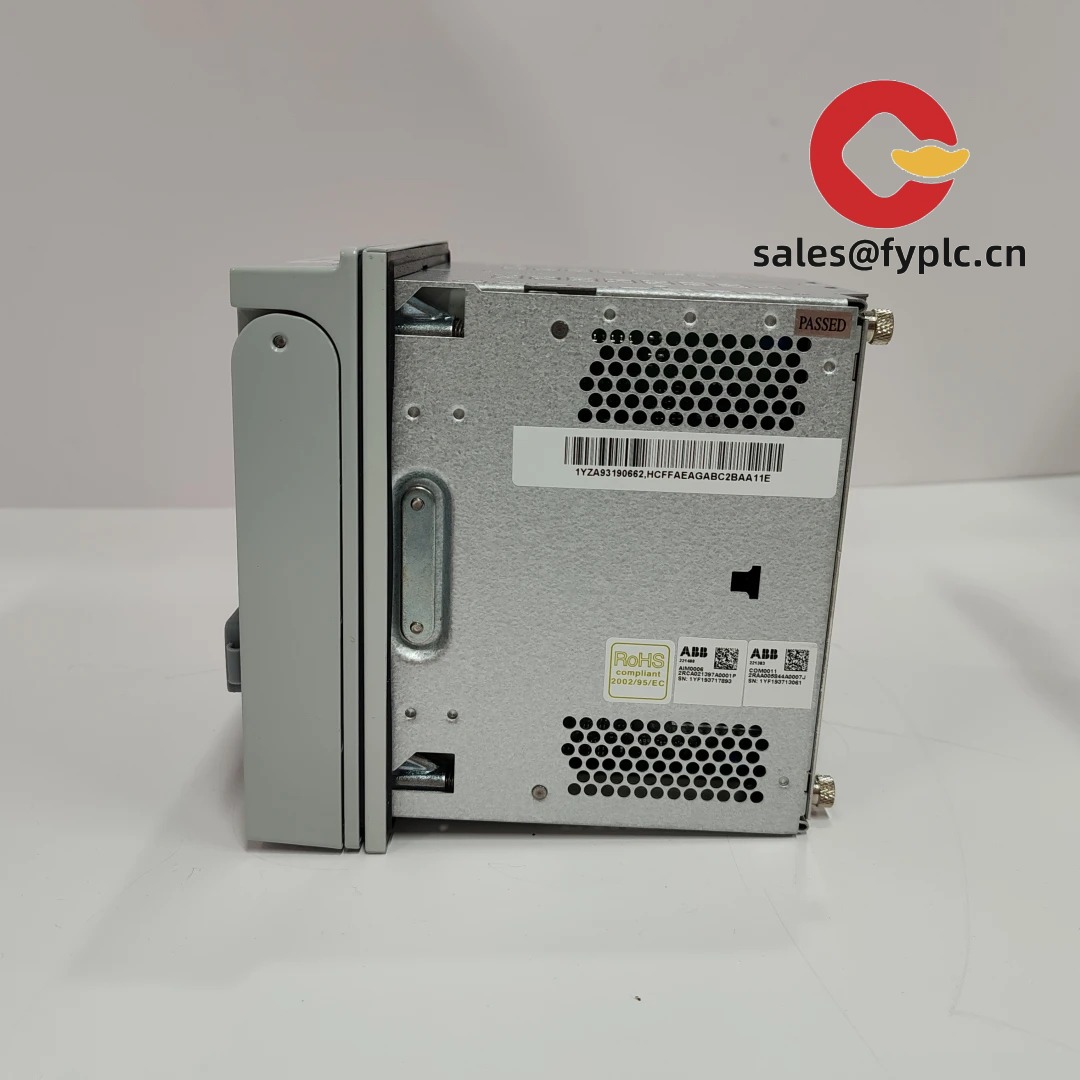
You might not think a lot about protection relays until something goes wrong—then you realize how critical they are. The ABB REF615C-E is one of those units that typically flies under the radar in well-functioning substations, but from my experience, it’s the kind of device you want quietly doing its job in the background. It’s designed specifically for transformer and feeder protection in medium voltage networks, commonly found in industrial plants and distribution utilities.
One thing I appreciate is how it balances advanced functionality with ease of integration. It supports motor protection, transformer differential logic, and even arc flash detection in some configurations—making it more versatile than older models like the RET540 series.
Key Features
- Integrated protection & control: Handles overcurrent, earth fault, differential, and thermal overload protection in a single unit—reducing panel space and wiring complexity.
- Dual Ethernet communication (IEC 61850): Supports redundant GOOSE messaging, which seems to be essential for modern digital substations aiming for high availability.
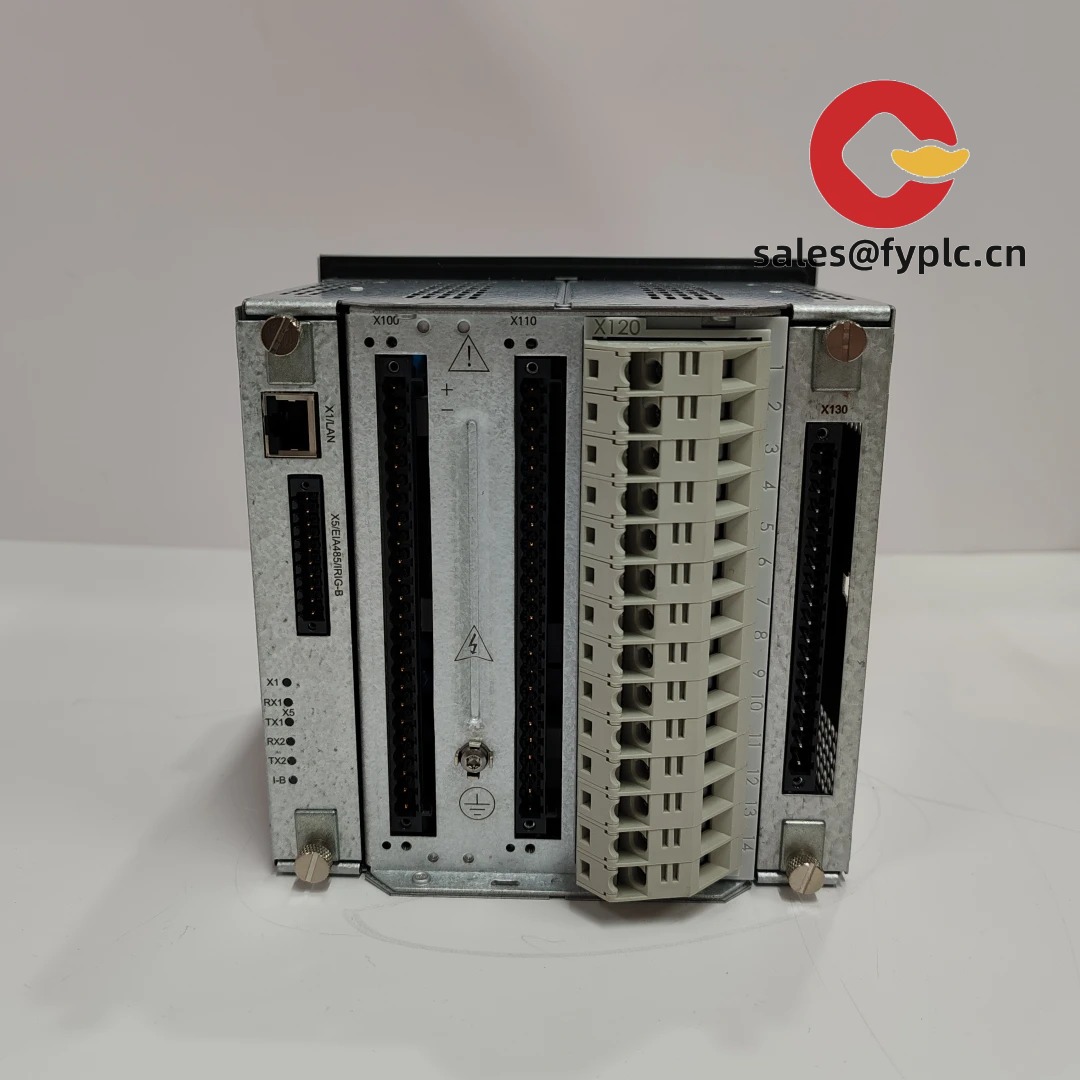
- Front-accessible I/O and modular design: Makes field replacements easier without rewiring the entire cabinet—especially useful during unplanned outages.
- High immunity to EMI: Typically performs reliably even in electrically noisy environments such as steel mills or mining operations.
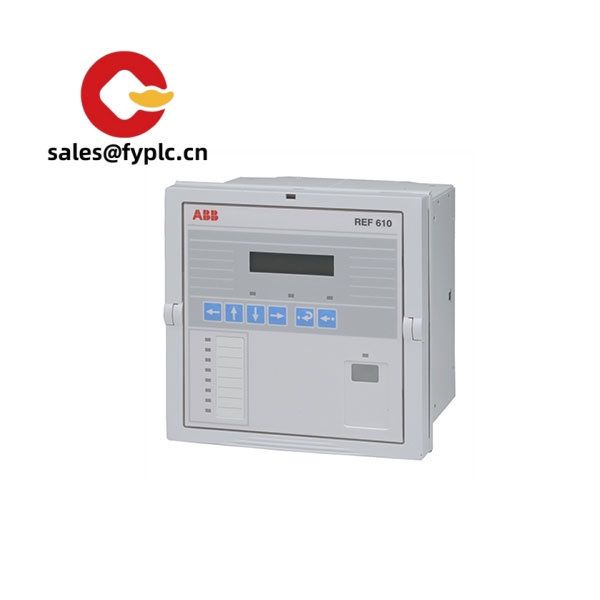
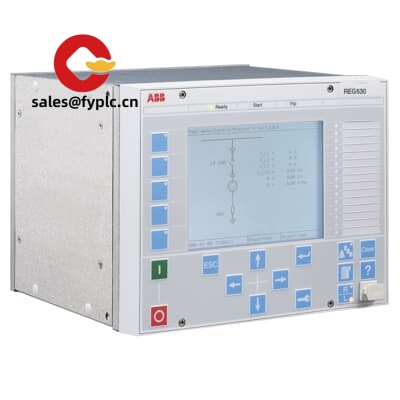
- User-friendly HMI: Graphical display with local navigation simplifies diagnostics—field engineers tend to find this helpful when troubleshooting remotely.
Technical Specifications
| Parameter | Specification |
|---|---|
| Brand / Model | ABB / REF615C-E HCFFAEAGABC2BAA11E |
| HS Code | 85371090 (Control panels for electrical circuits, programmable) |
| Power Supply | 88–264 V DC / 85–265 V AC, universal input |
| Dimensions (H×W×D) | 132 × 185 × 147 mm (fits standard 19” subrack) |
| Weight | Approx. 2.1 kg |
| Operating Temperature | -25°C to +70°C (wide range for harsh environments) |
| Signal Inputs | Analog: CT/VT inputs (1A or 5A); Digital: 16 binary inputs (dry/wet) |
| Outputs | 8 relay outputs (including alarm and trip), configurable |
| Communication Interfaces | Dual Ethernet (RJ-45) for IEC 61850-9-2 and GOOSE; Optional RS-485 (Modbus RTU) |
| Installation Method | Snap-in or screw-mounted in 19” rack or switchgear cubicle |
Application Fields
This relay is commonly deployed in medium voltage switchgear up to 36 kV, particularly where reliability and communication integration matter. In many cases, we’ve seen it used in water treatment plants protecting pump motors, in wind farm collector substations handling feeder faults, and inside manufacturing facilities safeguarding step-down transformers. Its support for IEC 61850 means it fits naturally into smart grid rollouts or retrofitted digital substations.
Advantages & Value
Procurement teams often favor this model because it reduces long-term service costs. Since it uses standardized protocols, spare units can be configured quickly using templates—cutting downtime. From what I’ve seen in service logs, sites using REF615 relays report fewer nuisance trips compared to legacy electromechanical relays. Also, the dual Ethernet ports allow network segmentation, improving cybersecurity posture without additional hardware.
Another subtle benefit: firmware updates are manageable through PCM600 or directly via web interface in newer versions, so you don’t always need an engineer on-site. That tends to lower maintenance overhead in distributed operations.
Installation & Maintenance
It needs to be installed in a clean, low-humidity environment—ideally in an IP54-rated cabinet with adequate ventilation. Avoid placing near heat-generating components like power contactors. When wiring, keep analog and digital cables separated to prevent noise coupling; shielded twisted pair is recommended for communication lines.
For maintenance, perform visual inspection every six months. Check terminal tightness annually, especially after initial commissioning. Calibration checks are advised every 3–5 years depending on operating conditions. Don’t skip firmware updates—they sometimes include fixes for time synchronization issues affecting event logging accuracy.
Quality & Certifications
The unit carries CE, UL, CSA, and KEMA certifications, meeting IEC 60255 standards for electrical durability and EMC performance. RoHS compliant, lead-free assembly. Manufacturer-backed warranty: 365 days from date of shipment, covering defects in materials and workmanship.
Delivery within 1 week if in stock; maximum lead time no more than one month. Payment terms: 50% advance, balance before dispatch. Shipped via FedEx, UPS, or DHL based on destination and urgency.

Reviews
There are no reviews yet.