
Description
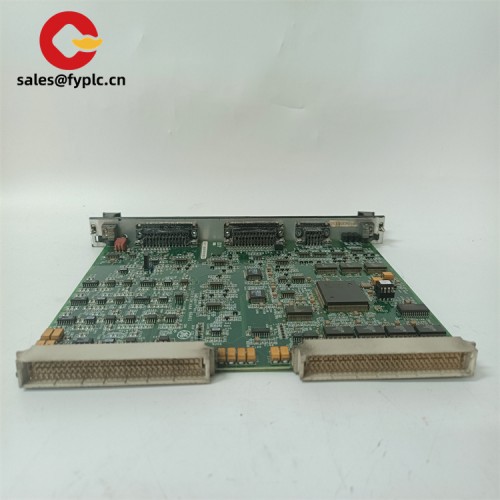
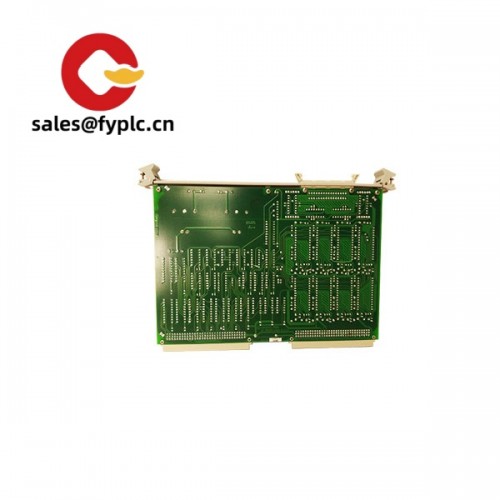
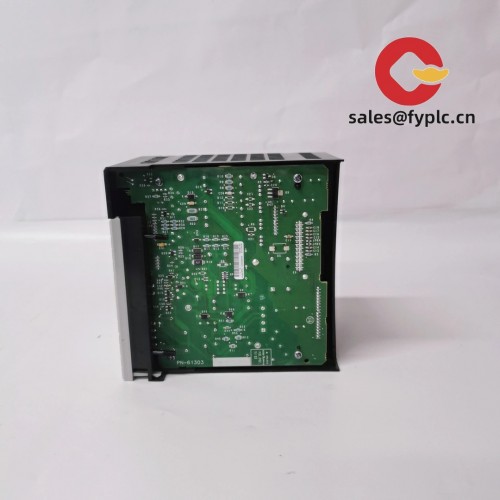
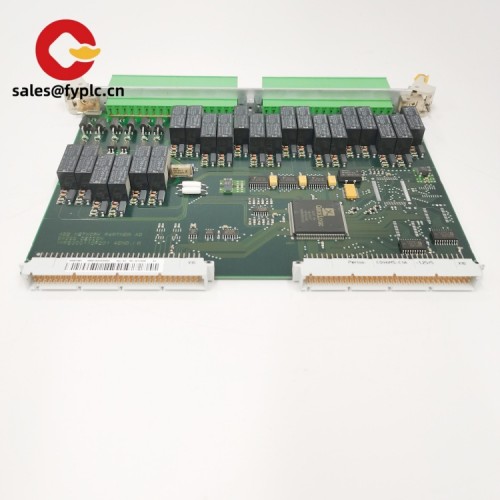
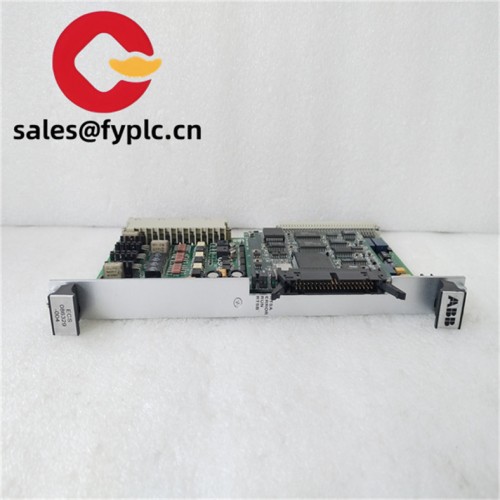
ABB EL3020 – High-Precision 2-Channel Analog Input Terminal for Industrial Automation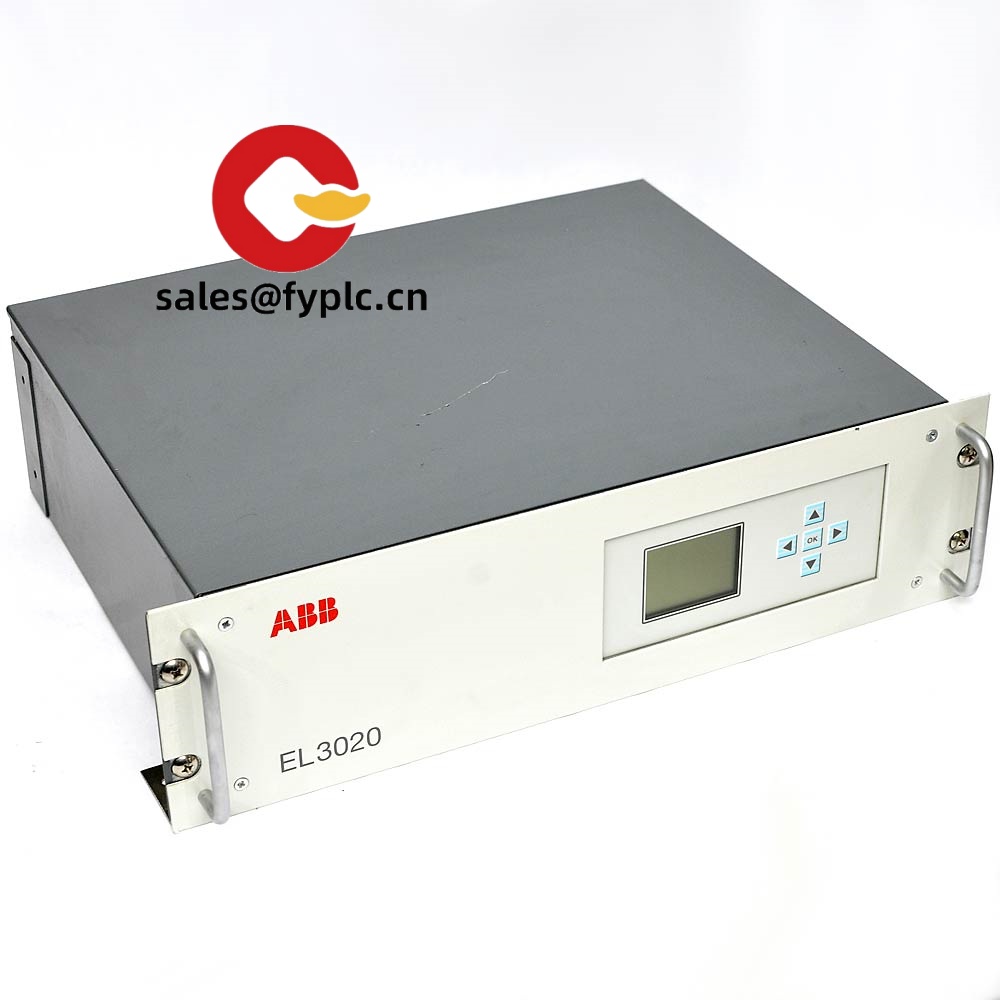
If you’re working on a compact or modular control system that demands accurate analog signal acquisition, the ABB EL3020 terminal typically stands out as a reliable choice. From my experience, it’s especially useful in applications where space is limited but precision matters—like test benches, small-scale machinery, or retrofitting older systems with modern I/O capabilities.
Key Features
- Dual-channel analog input: Measures two independent voltage signals with high accuracy, ideal for monitoring sensors or process variables.
- High resolution (16-bit): Delivers fine-grained data capture, which seems to make a noticeable difference in closed-loop control scenarios.
- Compact 12 mm housing: One thing I appreciate is how it fits tightly into dense EtherCAT I/O stacks without sacrificing performance.
- Integrated diagnostics: You might notice that fault detection—like overvoltage or wire break—is handled internally, reducing PLC logic overhead.
- Hot-swappable design: Can be replaced under power in most cases, minimizing downtime during maintenance.
Technical Specifications
| Parameter | Specification |
|---|---|
| Brand / Model | ABB/ EL3020 |
| HS Code | 8538.90 |
| Power Requirements | 24 V DC via E-bus (max. 150 mA) |
| Dimensions & Weight | 12 mm width, 112 mm height, 68 mm depth / ~100 g |
| Operating Temperature | 0 °C to +55 °C (standard), derating above 45 °C |
| Signal Input Type | Voltage: ±10 V (differential), 16-bit resolution |
| Communication Interface | EtherCAT (E-bus) |
| Installation Method | Top-hat rail (35 mm DIN EN 60715) with direct plug-in connection |
Application Fields
The EL3020 shows up frequently in environments where analog signal fidelity is critical but full-sized cabinets aren’t practical. It’s commonly used in laboratory automation, packaging machines, and condition monitoring setups. In many cases, engineers pair it with other EL-series terminals to build scalable I/O systems without needing additional gateways.
Advantages & Value
Procurement teams tend to favor this terminal because of its long-term availability and compatibility across Beckhoff platforms. There’s minimal risk of obsolescence, and firmware updates are backward-compatible. It also reduces wiring complexity since it connects directly to standard sensors—no external signal conditioning needed in typical installations.
Installation & Maintenance
Install in a clean, dry control cabinet meeting IP20 requirements. Make sure there’s adequate ventilation—especially if operating near 55 °C. Wiring should use shielded twisted-pair cables grounded at one end to reduce noise. From my experience, checking calibration every 12 months helps maintain accuracy, though drift is usually negligible. Firmware can be updated through TwinCAT, so keep your engineering environment synced.
Quality & Certifications
Certified to CE, UL, and RoHS standards—so it meets global regulatory needs for industrial equipment. It appears to be built to last, with conformal coating on internal circuitry for humidity resistance. Warranty coverage is 365 days, covering defects in materials and workmanship under normal operating conditions.
Delivery takes about one week for in-stock units, with a maximum lead time of four weeks if ordered from backlog. Payment is 50% upfront, with the balance due before shipment. We ship via FedEx, UPS, or DHL—whichever offers the fastest transit based on destination.

Reviews
There are no reviews yet.