
Description
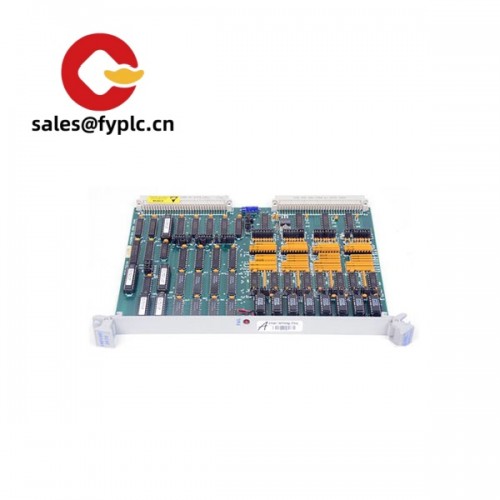
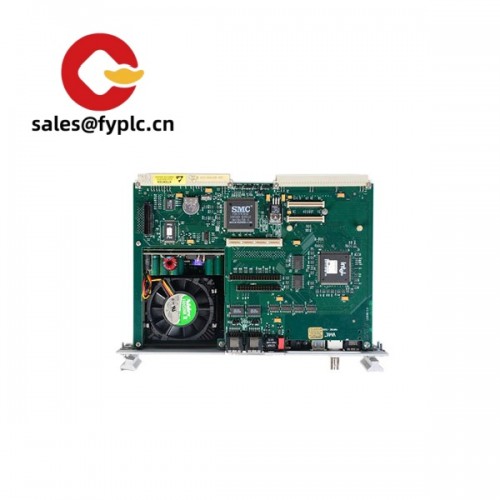
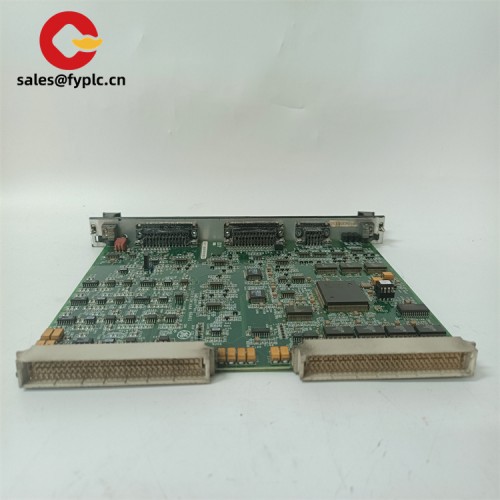
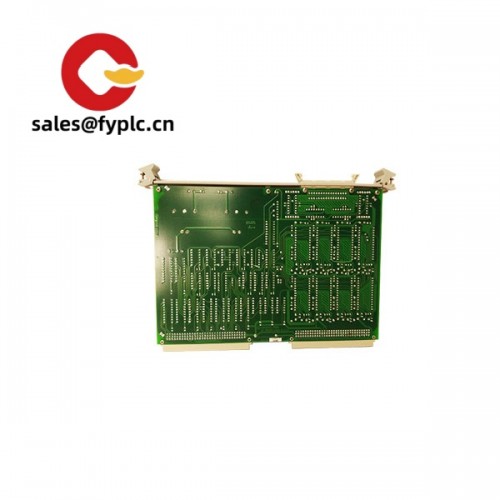
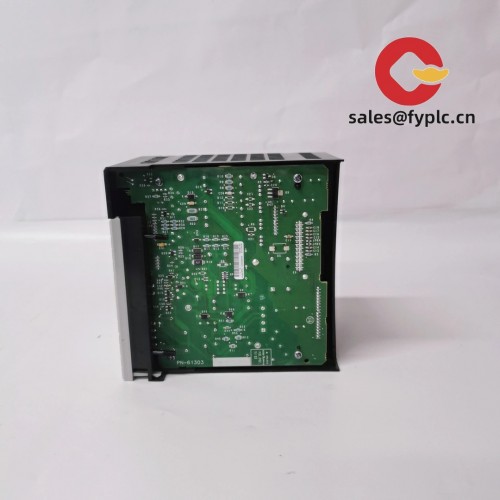
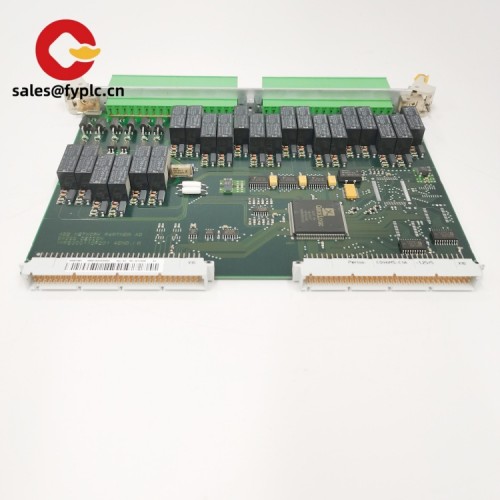
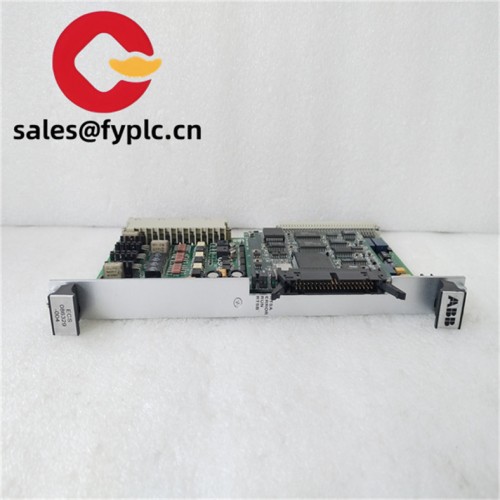
ABB DSQC355A – Robot Communication and I/O Module for Flexible Automation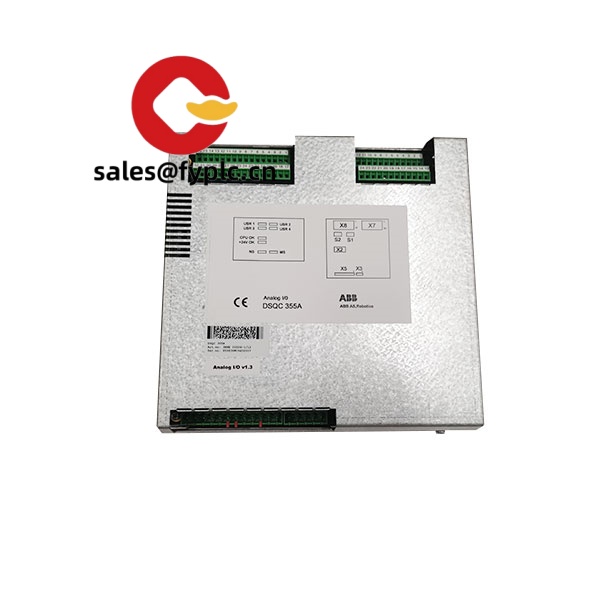
If you’re running ABB IRB robots in production environments—especially in automotive assembly or material handling—the DSQC355A is one of those unassuming modules that quietly keeps everything talking smoothly. It’s not flashy, but it’s the kind of component you notice only when it’s missing. From my experience, teams typically deploy this on robotic workcells where distributed I/O needs to be managed through the robot controller rather than a separate PLC.
Key Features
- Digital I/O Handling – Provides 32 digital input channels and 16 digital output channels, which seems to be sufficient for mid-range automation cells involving grippers, sensors, and conveyors.
- Fieldbus Integration – Connects directly to ABB’s RobotWare control system via the internal bus on the S4C/S4C+ controllers. One thing I appreciate is how it eliminates the need for external communication gateways in many cases.
- Compact Design – Mounts inside standard ABB cabinet rails, saving space compared to third-party I/O solutions. You might notice that this makes troubleshooting easier since everything stays within the ecosystem.
- Reliable Signal Isolation – Each channel includes optical isolation, reducing noise interference from motors or solenoids—this has helped prevent false triggers in several installations I’ve seen.
Technical Specifications
| Parameter | Specification |
|---|---|
| Brand / Model | ABB / DSQC355A |
| HS Code | 85371090 |
| Power Requirements | 24 VDC (supplied via backplane from controller) |
| Dimensions & Weight | Approx. 200 x 100 x 50 mm / 0.8 kg |
| Operating Temperature | 0°C to +55°C |
| Signal I/O Types | 32 DI (24V), 16 DO (24V, relay-rated) |
| Communication Interface | Internal bus (S4C/S4C+ compatible) |
| Installation Method | DIN rail mount inside ABB robot cabinet |
Application Fields
The DSQC355A shows up most often in automotive welding lines, palletizing cells, and machine tending setups using older ABB robots (IRB 2400, IRB 4400, etc.). It’s particularly useful when you’re expanding an existing robot-controlled station without adding another rack. Some customers have used it as part of redundancy setups, though that’s less common now with newer fieldbus options.
Advantages & Value
Procurement teams usually favor this module because it maintains compatibility across legacy systems. While not Ethernet-enabled, its reliability in electrically noisy environments tends to outperform some modern IP-based alternatives. In many cases, replacing a failed DSQC355A is faster and cheaper than re-engineering the entire I/O architecture. Plus, firmware updates aren’t needed—it just works once installed.
Installation & Maintenance
It fits into standard ABB control cabinets with S4C+ backplanes. Make sure the cabinet meets IP54 standards and has adequate ventilation—overheating can shorten the life of the relays on the output side. Wiring should use shielded 24V cables with proper grounding to avoid signal crosstalk. No calibration required, but we recommend checking terminal connections annually, especially in high-vibration areas. If swapping units, verify I/O mapping in RobotStudio before restart.
Quality & Certifications
The DSQC355A carries CE and UL markings and complies with RoHS directives. It was manufactured under ISO 9001-certified processes, which gives some assurance about consistency. We offer a full 365-day warranty—no questions asked—if the unit fails under normal operating conditions.
Our Order Placement Process and Guarantees
- Warranty: 365 days from date of delivery
- Delivery Time: 1 week for in-stock units; no more than one month if backordered
- Payment: 50% advance payment, balance due before shipment
- Shipping: FedEx, UPS, or DHL express (tracking provided)
Reviews
There are no reviews yet.