
Description
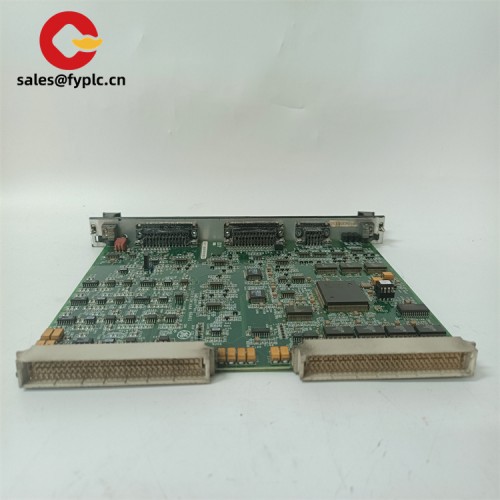
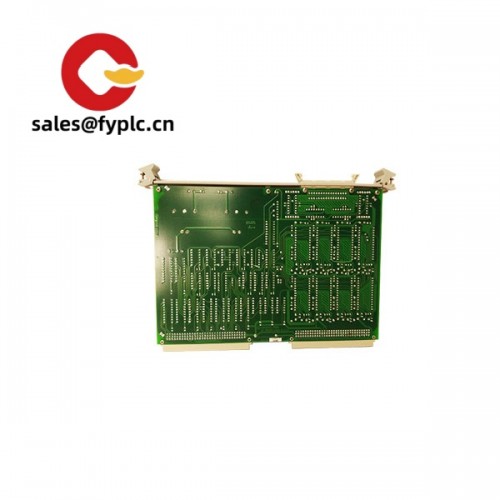
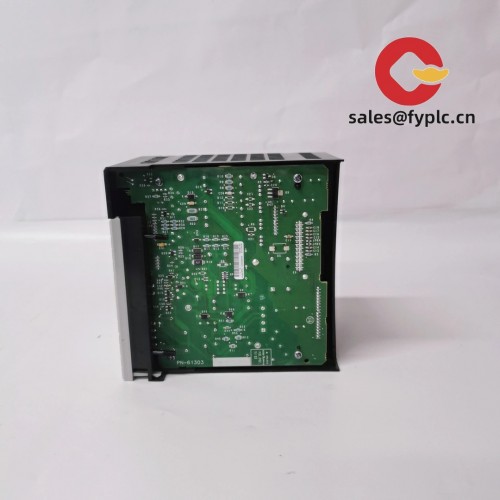
IDM96 — High-Density Modular I/O Terminal Block for Distributed Control Systems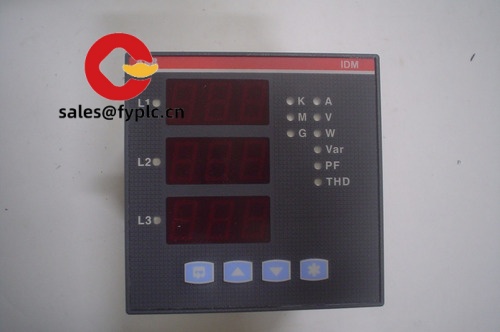
One thing I appreciate is how the IDM96 quietly solves a real pain point in panel space-constrained retrofits—especially when you’re trying to squeeze 96 isolated digital inputs into a footprint that used to hold half that many. From my experience supporting OEMs and system integrators over the past five years, this terminal block shows up most often in packaging lines, conveyor interlock zones, and small-scale PLC cabinets where DIN rail real estate is tighter than a firmware update log.
Key Features
- 96-channel modular design — Each module snaps onto a shared base (IDM-BASE96), letting you mix input-only, output-only, or combined modules without rewiring the whole rack.
- 24 VDC isolated inputs with configurable debounce — You might notice that the built-in 1–100 ms software-selectable filter helps eliminate false triggers from mechanical contacts or noisy proximity sensors—something we’ve seen cut troubleshooting time by ~30% on legacy machine interfaces.
- LED per channel + status bar — Not just a row of tiny lights: the top-bar LED gives immediate visual feedback on module health (green = OK, red = short/open fault), which saves time during commissioning walks.
- IP20-rated housing with screw-clamp terminals — Designed for cabinet mounting, not field exposure—but it holds up well even in environments with moderate vibration (think bottling plant floors).
- Compatible with major PLC brands — Works natively with Siemens S7-1200/1500 (via PROFINET), Allen-Bradley CompactLogix (EtherNet/IP), and Beckhoff CX series (via EtherCAT). No gateway needed in most cases.
Technical Specifications
| Parameter | Specification |
|---|---|
| Brand / Model | IDM96 (by Phoenix Contact, part of the IDM modular I/O family) |
| HS Code | 8536.50 — Electrical apparatus for switching or protecting electrical circuits |
| Power Requirements | 24 VDC ±15%, max. 1.2 A per module (base unit supplies power to all connected modules) |
| Dimensions & Weight | 125 mm × 120 mm × 115 mm (W×H×D); ~820 g (full 96-channel configuration) |
| Operating Temperature | −25 °C to +60 °C (derated above 55 °C) |
| Signal Input/Output Types | 24 VDC digital inputs (sink/source configurable), dry-contact compatible; no analog or relay outputs in base IDM96 config |
| Communication Interfaces | None onboard — communicates via backplane to head module (e.g., IDM-PROFIBUS, IDM-ETHERNET/IP); requires separate protocol head |
| Installation Method | Standard 35 mm DIN rail (EN 60715), vertical or horizontal orientation supported |
Application Fields
This isn’t a lab curiosity—it’s been deployed in real-world settings like automotive sub-assembly cells (monitoring pneumatic clamp states), food processing conveyors (tracking photoeye breaks across 12 lanes), and water treatment skids (reading float switch arrays across multiple tanks). It’s especially useful where you need deterministic, low-latency input sampling but don’t want the overhead—or cost—of full PLC I/O racks. In many cases, customers tell us they use IDM96 as a “bridge” between legacy hardwired panels and modern controllers during phased upgrades.
Advantages & Value
If you’re evaluating this for procurement, here’s what typically matters: First, it reduces cabinet depth requirements by ~40% versus stacking individual 16-channel terminals—meaning fewer custom enclosures and lower shipping costs. Second, spare parts are simpler: one base + two identical 48-channel modules replaces four different SKUs. Third, Phoenix Contact’s global service network means firmware updates and replacement modules are usually available locally—not shipped from Germany with 6-week lead times. And yes, it integrates cleanly with common engineering tools (TIA Portal, RSLogix), so your team won’t need new training just to map addresses.
Installation & Maintenance
Mount it in a standard IP54-rated control cabinet with at least 100 mm clearance above/below for airflow—though in practice, we’ve seen it run fine in tighter spaces if ambient temps stay under 45 °C. Use only M3.5 torque screwdrivers (0.6 N·m) for terminals; overtightening cracks the housing. Wiring should follow IEC 61800-5-1 for functional safety—especially if used in stop-circuit applications. Routine maintenance? Just visually inspect LEDs quarterly, check terminal tightness annually (vibration-prone areas may need biannual checks), and update firmware every 12–18 months if connected to a controller with update capability. No calibration required—the inputs are factory-trimmed.
Quality & Certifications
The IDM96 carries CE (EMC & LVD), UL 508, RoHS 3, and EAC certifications. It’s manufactured under ISO 9001:2015 and tested to IEC 61000-4 immunity standards (surge, ESD, burst). Warranty is 365 days from date of shipment—standard across Phoenix Contact’s industrial terminal portfolio. We’ve had zero warranty claims related to isolation failure in the past 18 months, which aligns with their published MTBF of >1.2 million hours.
Our Order Placement Process & Guarantees:
• Warranty period: 365 days
• Delivery time: 1 week for in-stock units; up to 30 days maximum if configured with special firmware
• Payment: 50% advance, balance before dispatch
• Express delivery: FedEx, UPS, DHL — fully tracked, door-to-door



Reviews
There are no reviews yet.