
Description
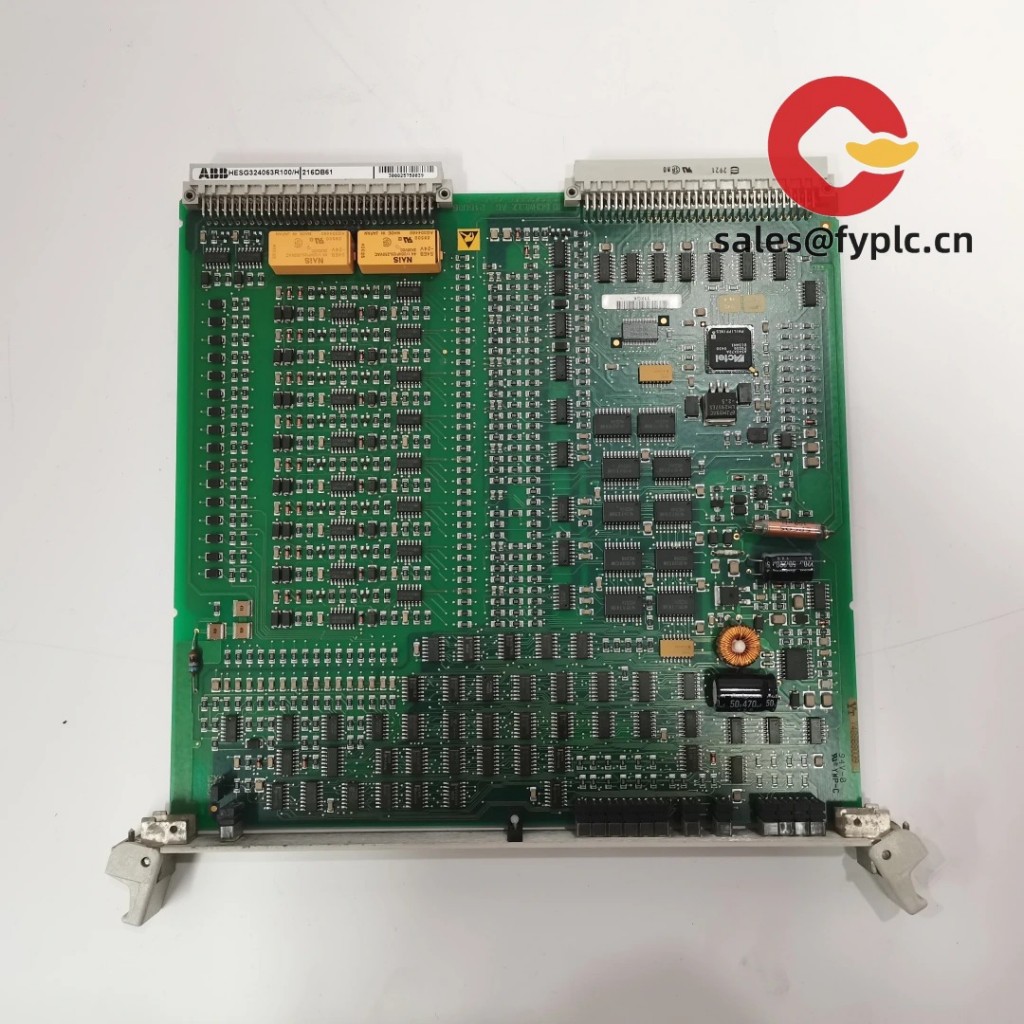
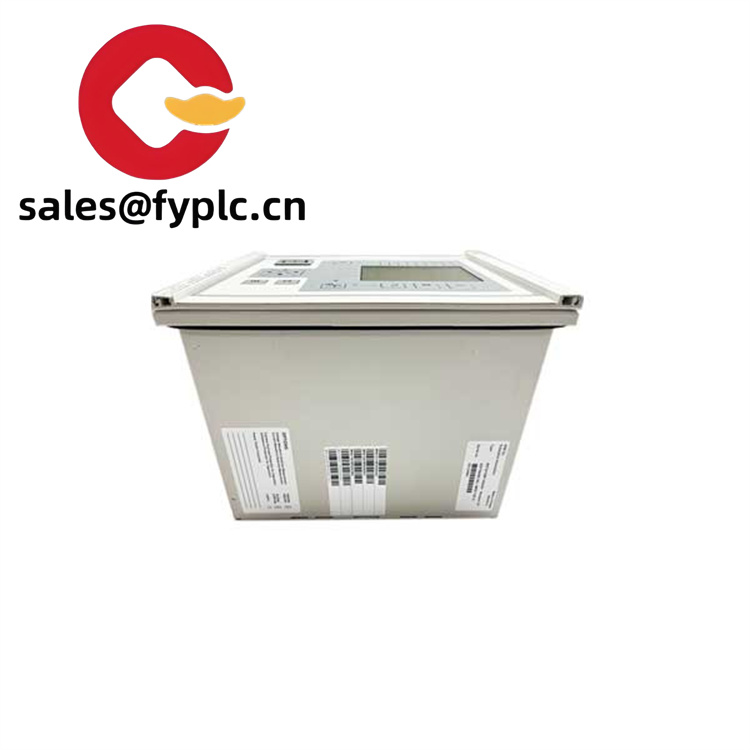
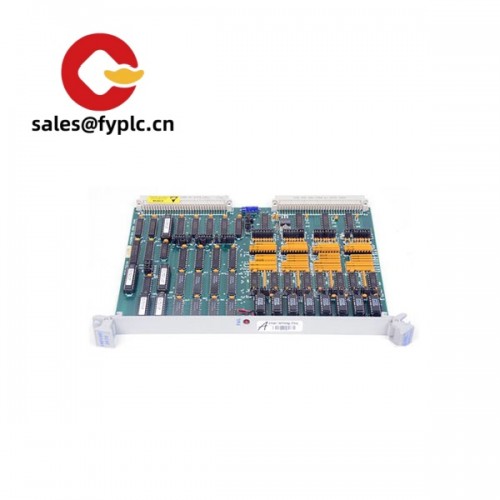
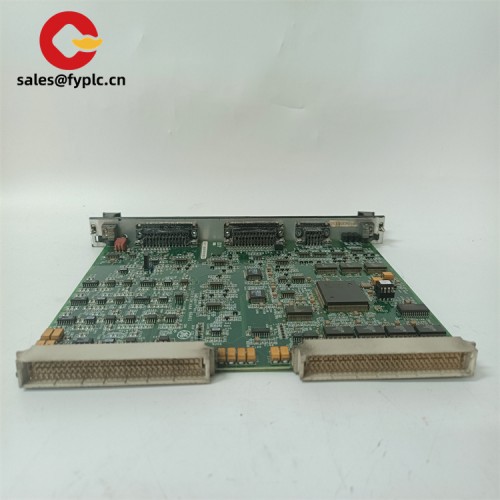
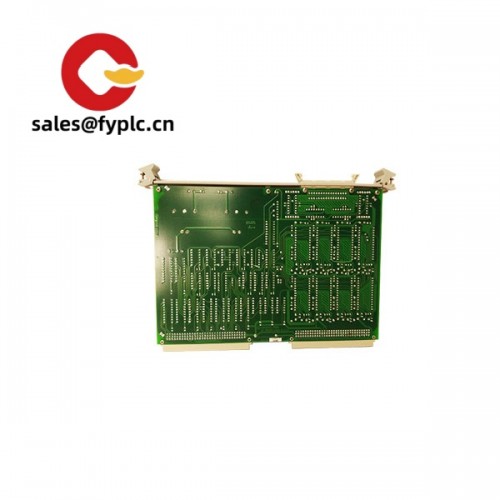
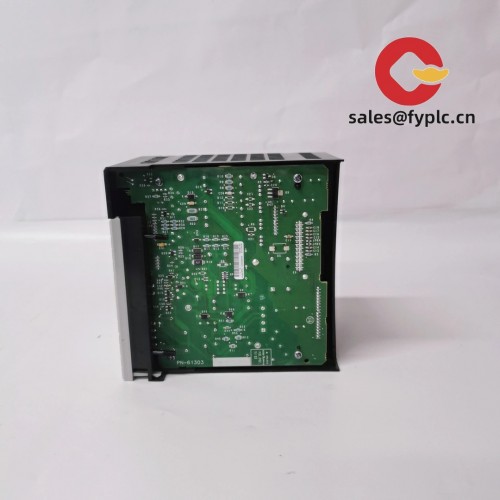
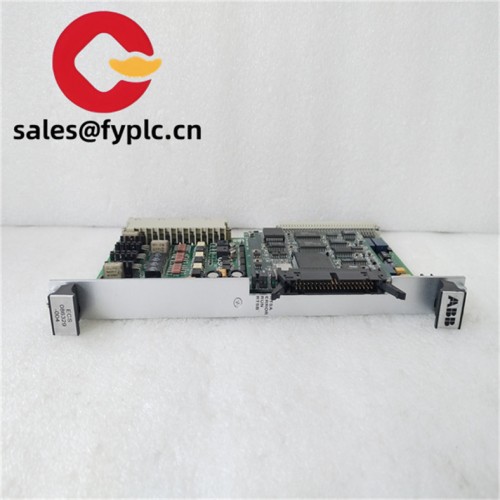
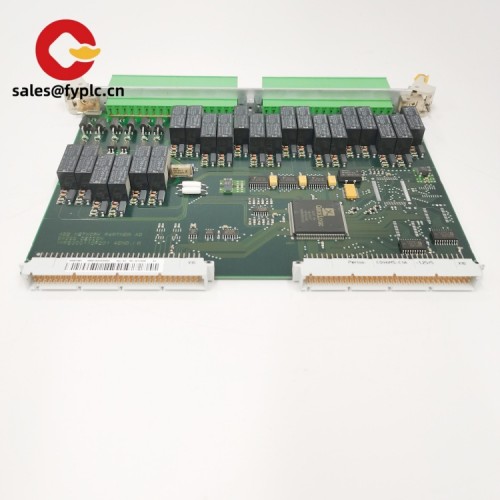
ABB AI845 3BSE023675R1 – Analog Input Module for Precision Process Control
If you’re running a modern industrial automation setup with ABB’s Symphony Plus or Freelance systems, the AI845 3BSE023675R1 typically shows up as one of those unglamorous but mission-critical components that keeps everything stable. From my experience, it’s not the kind of module you think about—until you need it. Then, reliability and signal accuracy become non-negotiable.
Key Features
- 8-channel analog input: Handles voltage and current signals from field devices like pressure transmitters and temperature sensors—typically used in redundancy setups.
- High-resolution 16-bit conversion: Delivers precise signal processing, which seems to matter most in applications where small drifts can trigger alarms or shutdowns.
- HART communication support: Allows access to diagnostic data from smart field instruments without requiring additional hardware.
- Hot-swappable design: You might notice that this makes maintenance easier—no need to shut down the entire rack during replacement.
- Integrated diagnostics: Continuously monitors channel health and flags faults early, reducing unexpected downtime.
Technical Specifications
| Parameter | Specification |
|---|---|
| Brand / Model | ABB / 3BSE023675R1 (AI845) |
| HS Code | 85371090 |
| Power Requirements | Supplied via backplane (typical load: ~2.5 W) |
| Dimensions & Weight | Standard 19″ rack module (~40 mm width), ~280 g |
| Operating Temperature | 0°C to +60°C (with derating above 45°C) |
| Signal Input Types | ±10 V, 0–20 mA, 4–20 mA (configurable per channel) |
| Communication Interfaces | HART over analog lines, internal bus for controller communication |
| Installation Method | DIN rail mount, hot-swappable in Symphony+ racks |
Application Fields
This module is commonly found in power generation plants, oil & gas processing units, and chemical facilities where continuous monitoring of process variables is essential. In many cases, it’s deployed in turbine control panels or boiler management systems—environments where long-term stability under thermal stress matters. One thing I appreciate is how well it integrates with legacy 4–20 mA instrumentation while still supporting digital HART data, making it a bridge between older infrastructure and modern diagnostics.
Advantages & Value
Procurement teams tend to favor this model not because it’s flashy, but because it reduces lifecycle costs. Its compatibility with existing ABB control systems means no costly re-engineering. The ability to pull HART diagnostics through the same wiring often eliminates the need for secondary monitoring tools. And in critical operations, knowing that the module has been field-tested across thousands of installations adds peace of mind—even if it doesn’t show up on ROI calculators directly.
Installation & Maintenance
Install in standard IP20-rated control cabinets with adequate ventilation—especially important if ambient temperatures exceed 45°C. Make sure the grounding system is clean and dedicated; noise on shared grounds can affect signal integrity. Wiring should use shielded twisted-pair cables, with shields grounded at one end only. For maintenance, periodic firmware updates (when available) help maintain compatibility, and checking HART device responsiveness every 6–12 months can catch field instrument issues before they escalate.
Quality & Certifications
Certified to CE, UL, and RoHS standards. Designed and manufactured under ISO 9001 quality management practices. Comes with a 365-day warranty covering defects in materials and workmanship—assuming normal operating conditions and proper installation.
Delivery: 1 week for in-stock units, up to 4 weeks if ordered. Payment: 50% advance, balance before shipment. Shipped via FedEx, UPS, or DHL based on destination and urgency.

Reviews
There are no reviews yet.