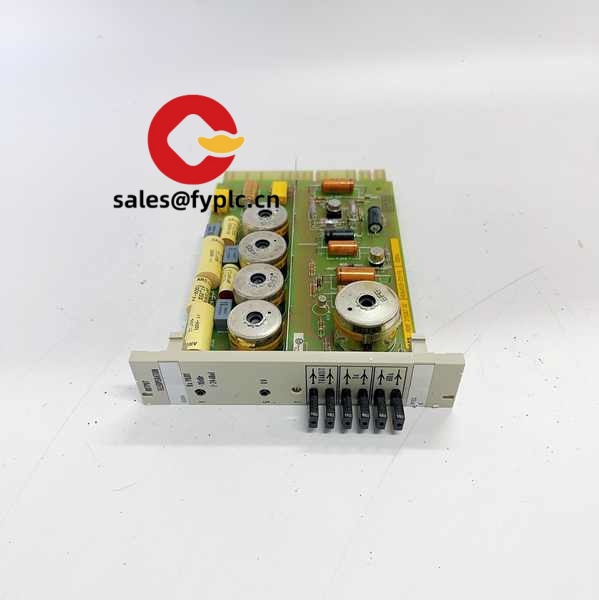
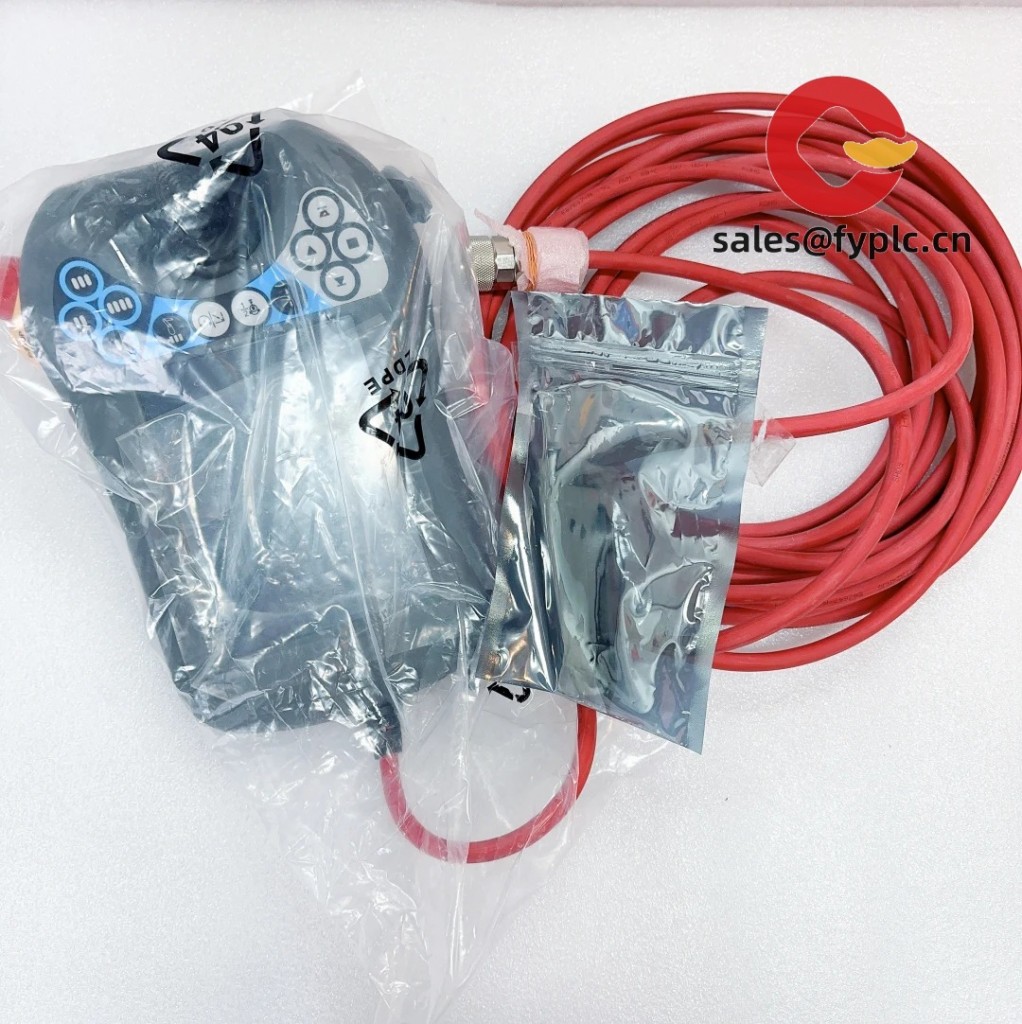
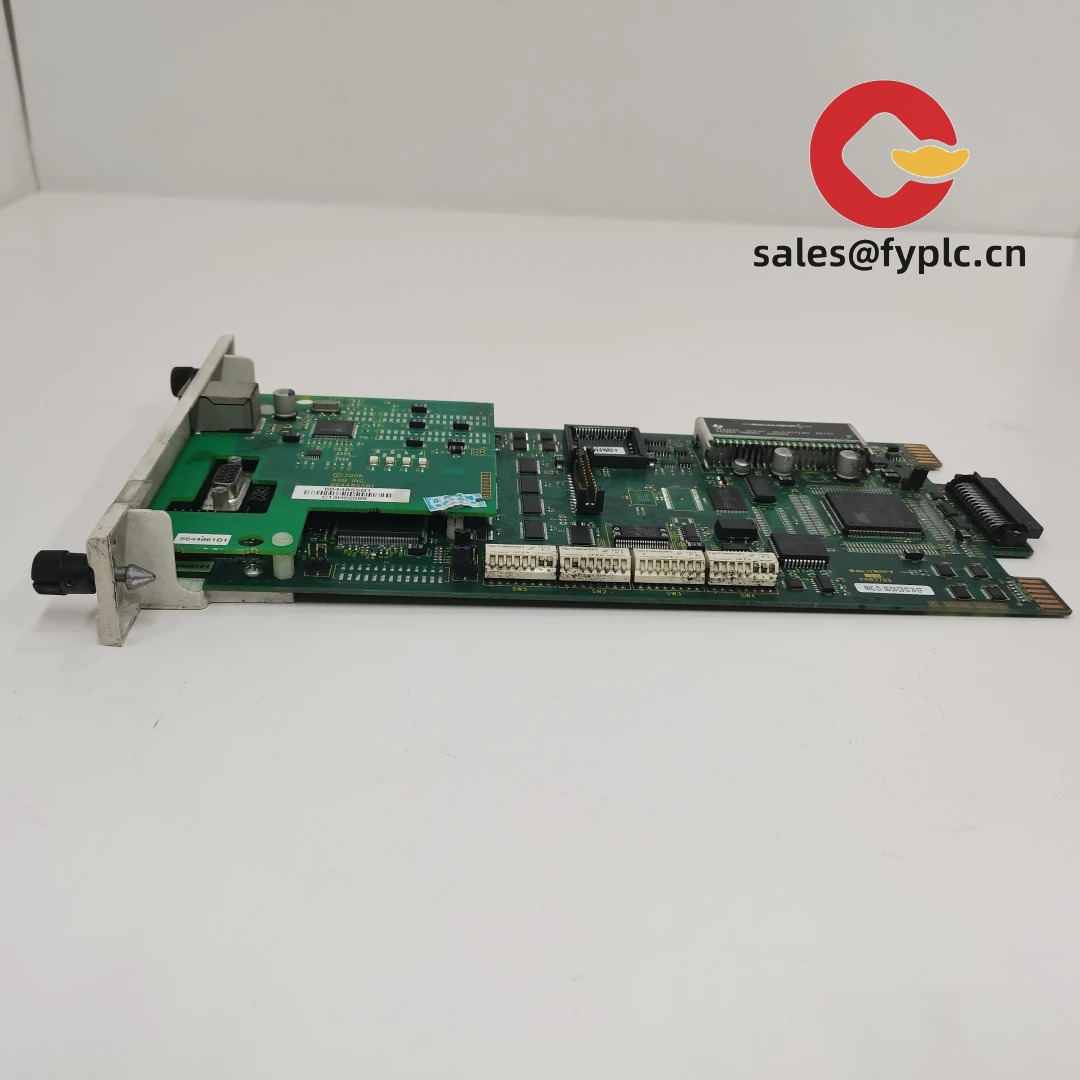
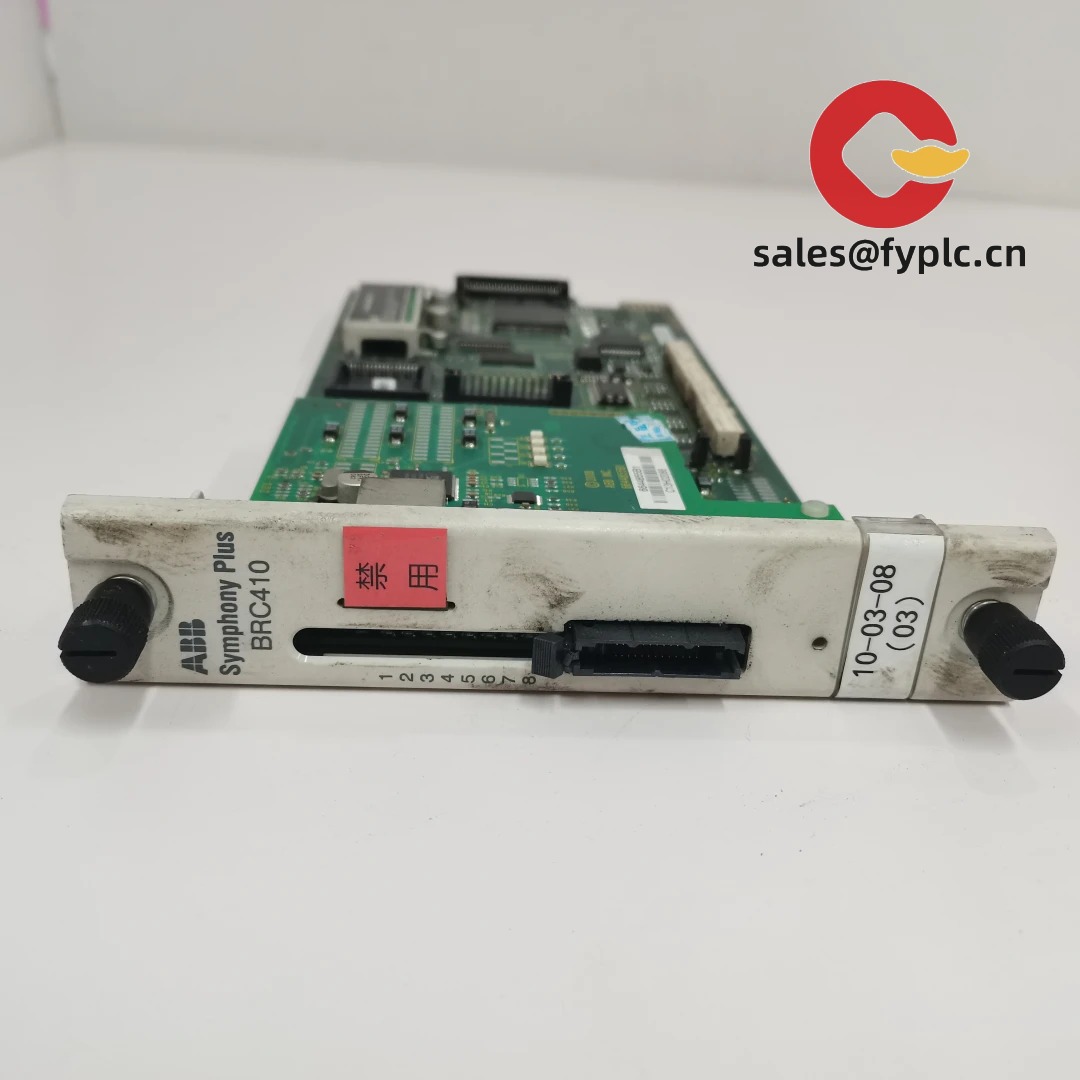

Description
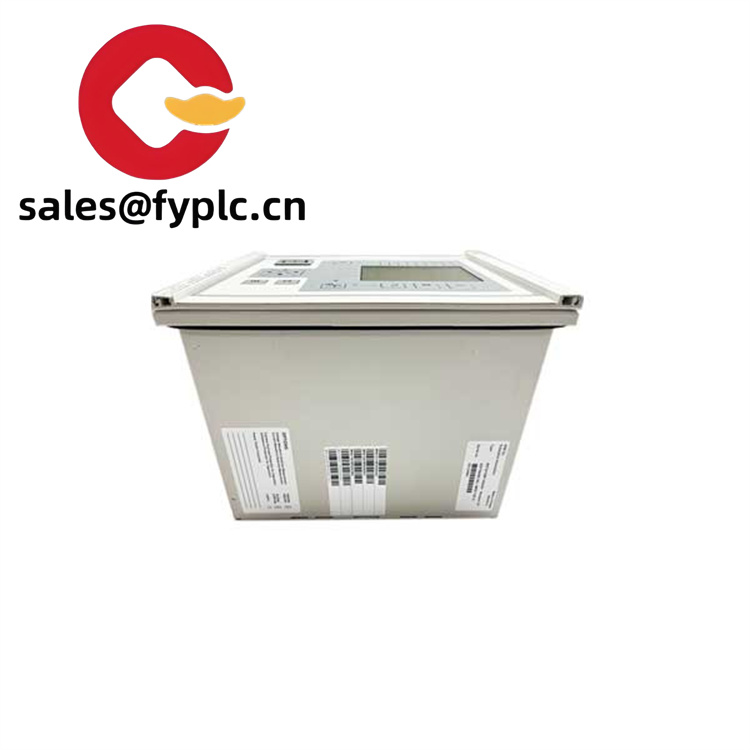
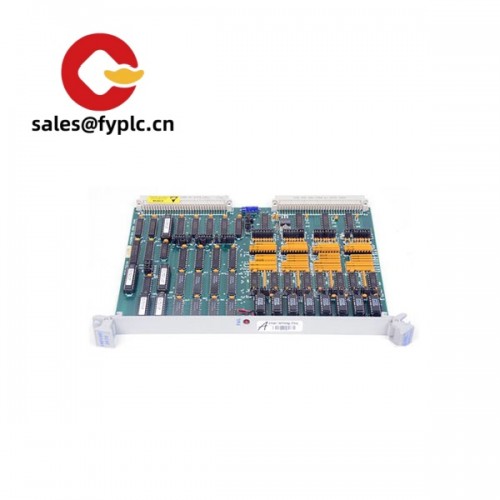
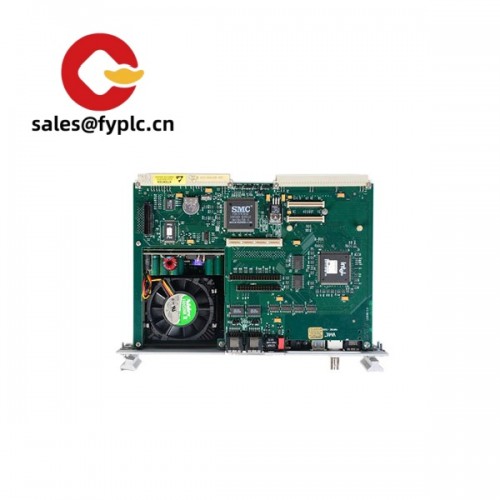
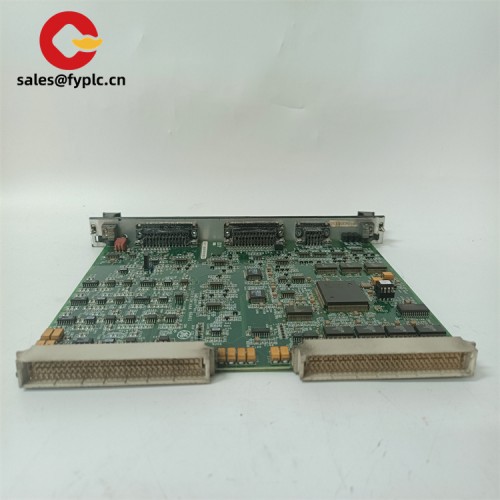
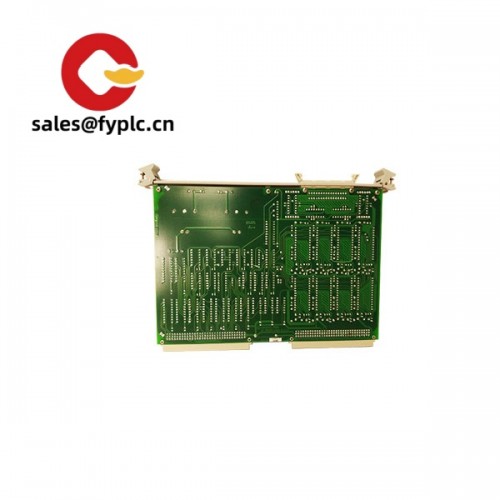
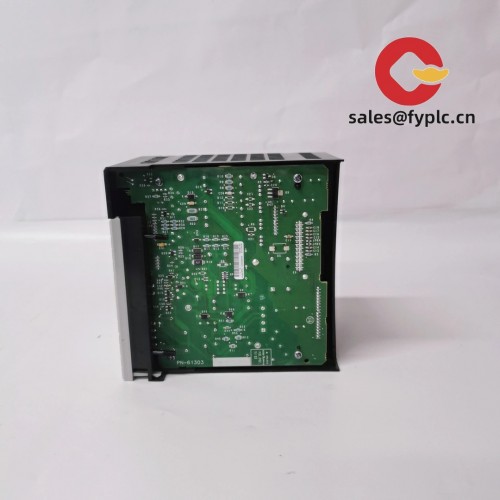
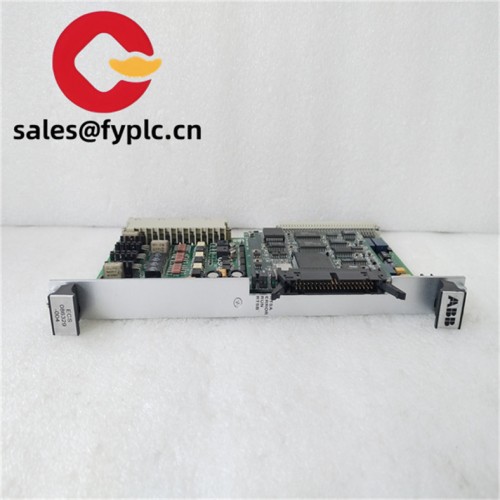
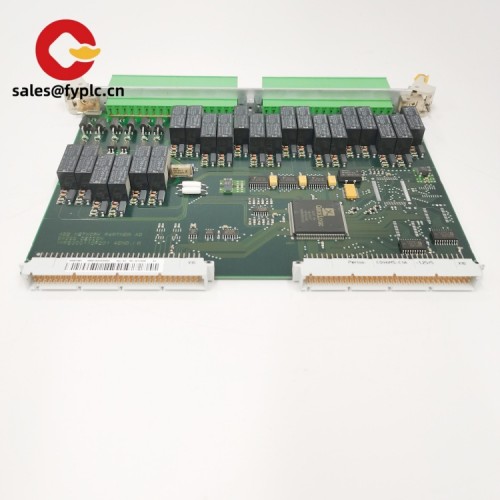
ABB SPBRC300 – High-Performance Redundancy Controller for Critical Process Automation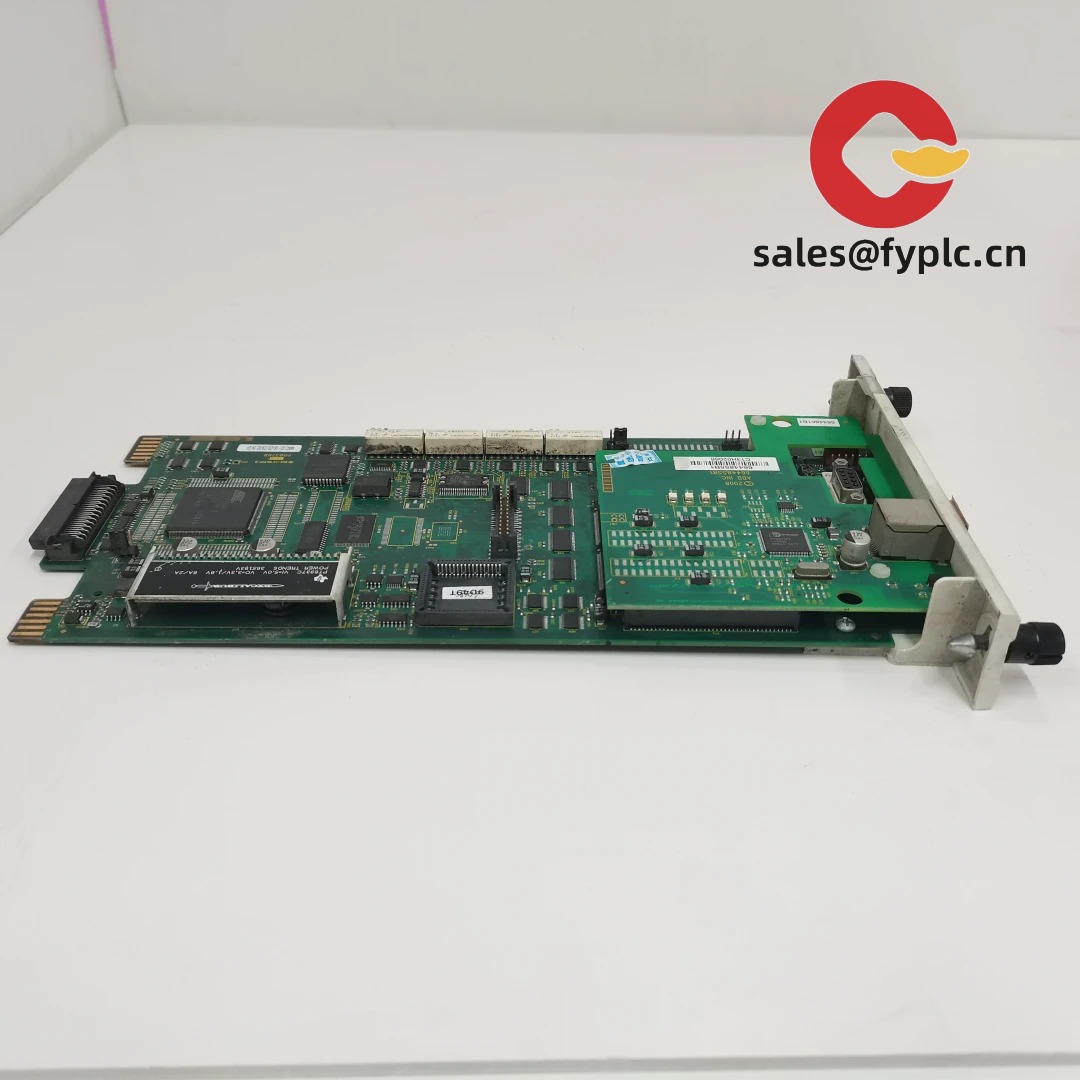
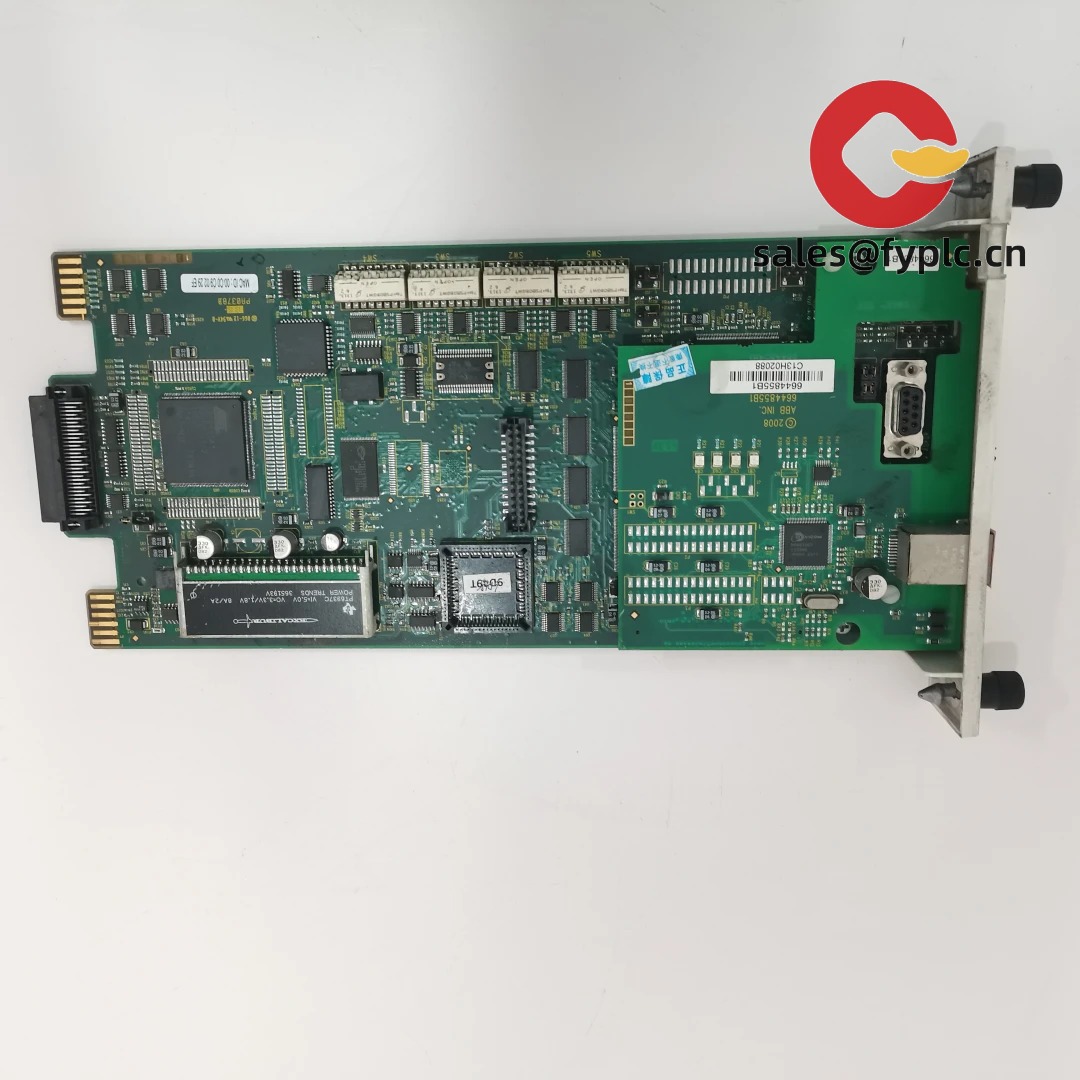
If you’re running mission-critical industrial systems—especially in power generation, oil & gas, or large-scale manufacturing—system uptime isn’t just a goal, it’s a requirement. The ABB SPBRC300 is built for exactly that. It’s a redundancy controller module designed to ensure seamless failover between primary and backup automation systems, minimizing downtime during hardware faults or maintenance events. From my experience working with distributed control system (DCS) integrations, modules like this one tend to show up in environments where even a few seconds of interruption can trigger cascading issues.
Key Features
- Redundant Architecture Support: Enables automatic switchover between master and standby controllers without process interruption—typically within milliseconds.
- SIMATIC PCS 7 Integration: Native compatibility with Siemens’ flagship process control system, making engineering and diagnostics smoother during commissioning.
- Fault-Tolerant Communication: Uses proprietary high-speed sync channels to keep both controllers in constant state alignment, reducing the risk of data loss during transition.
- Diagnostics & Logging: Built-in status indicators and event logging help maintenance teams identify root causes quickly—useful when troubleshooting under pressure.
- Hot-Swappable Design: In many cases, you can replace or service the unit without shutting down the entire rack, which helps during unplanned outages.
Technical Specifications
| Parameter | Specification |
|---|---|
| Brand / Model | ABB SPBRC300 |
| HS Code | 85371090 |
| Power Requirements | 24 V DC (typical), redundant power input supported |
| Dimensions (W×H×D) | Approx. 40 × 120 × 125 mm (fits standard SIMATIC rack) |
| Weight | ~0.4 kg |
| Operating Temperature | 0 °C to 60 °C (standard industrial range) |
| Signal Input/Output Types | Digital status signals for redundancy monitoring and synchronization |
| Communication Interfaces | PROFIBUS DP, Ethernet (for engineering and diagnostics), Sync cable interface |
| Installation Method | DIN rail mount, compatible with Siemens ER2 racks |
Application Fields
You might notice that the SPBRC300 tends to appear in applications where process continuity is non-negotiable. It’s commonly deployed in thermal power plants managing turbine control logic, petrochemical facilities handling emergency shutdown sequences, and water treatment systems relying on uninterrupted pump coordination. One thing I appreciate is how well it integrates into layered safety architectures—often sitting behind SIS platforms while keeping basic process control stable. It seems to be most valuable when paired with redundant CPU setups in central automation units.
Advantages & Value
Procurement teams typically favor this module not because it’s flashy, but because it reduces long-term operational risk. Its plug-and-play behavior with PCS 7 means less time spent on configuration and validation during plant upgrades. While it’s not the cheapest redundancy solution on the market, the total cost of ownership tends to be lower due to proven reliability and access to Siemens’ global support network. Firmware updates are usually backward-compatible, which simplifies lifecycle planning.
Installation & Maintenance
Install it in a clean, low-vibration cabinet meeting IP20 standards, with adequate spacing for airflow—especially if operating near the upper temperature limit. Make sure sync cables between redundant units are matched in length and shielded properly to avoid timing skew. Grounding should follow Siemens’ EMER guidelines to prevent noise interference. For maintenance, schedule periodic checks of the sync link health via STEP 7 diagnostics, clean dust filters every six months, and verify firmware versions align across the pair. Calibration isn’t required per se, but diagnostic self-tests should be triggered quarterly.
Quality & Certifications
The SPBRC300 carries CE, UL, and ATEX markings (for use in hazardous areas when installed correctly), and complies with IEC 61508 for functional safety up to SIL 2. It’s also RoHS compliant. The manufacturer provides a standard warranty period of 365 days, covering defects in materials and workmanship under normal operating conditions.
Delivery takes about one week for in-stock units, and no more than a month at the latest. We require 50% advance payment, with full clearance before shipment. Units ship via FedEx, UPS, or DHL depending on destination and urgency.

Reviews
There are no reviews yet.