
Description
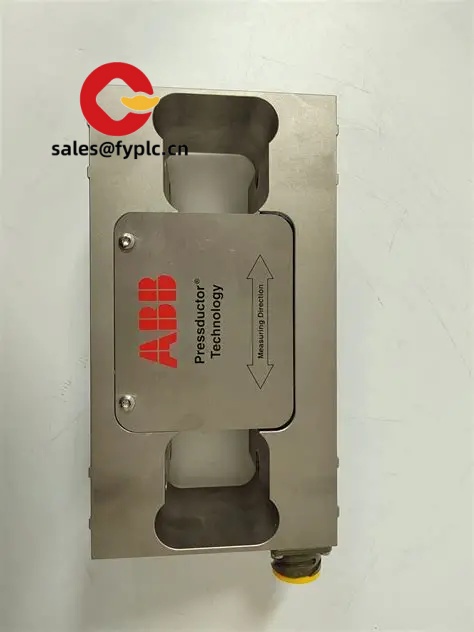
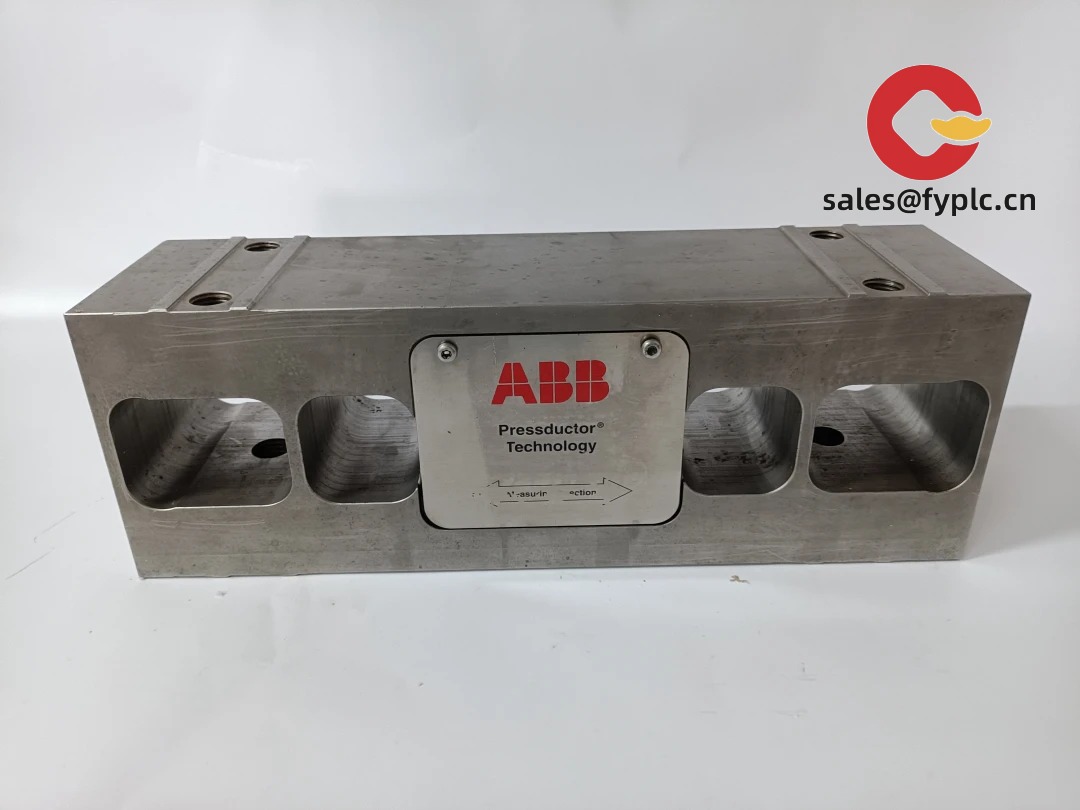
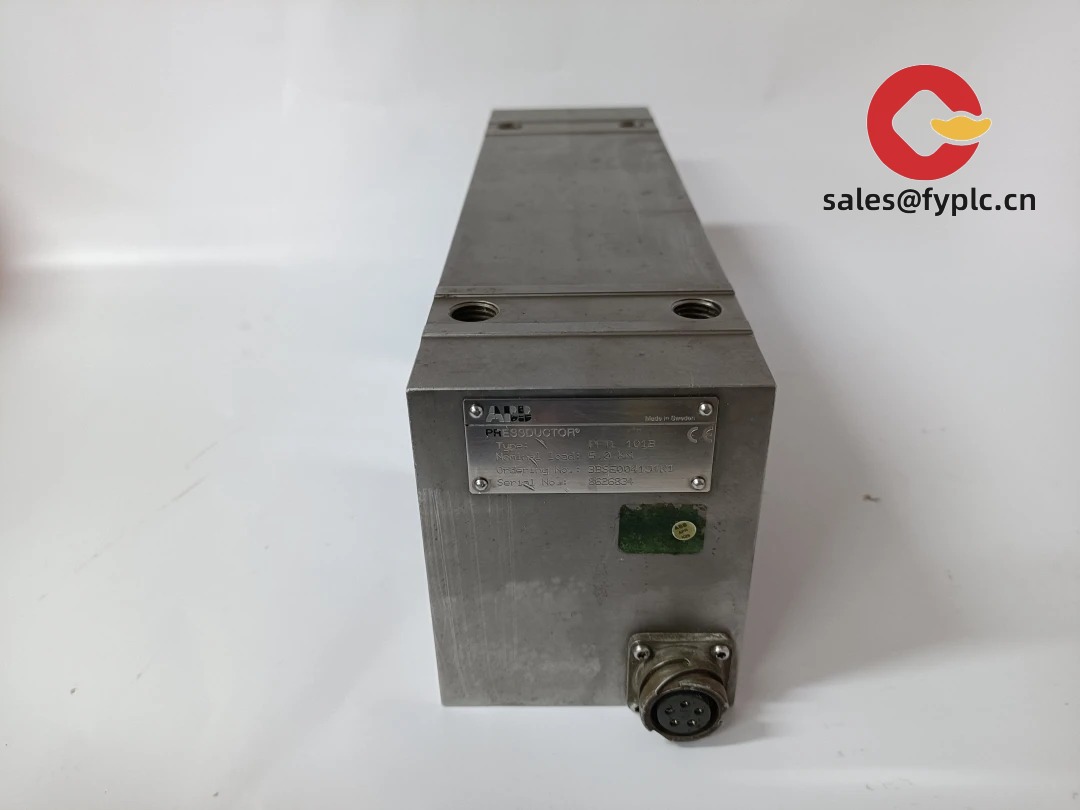
ABB PFTL101B-10.0kN — High-Accuracy Tension Load Cell for Continuous Web Processes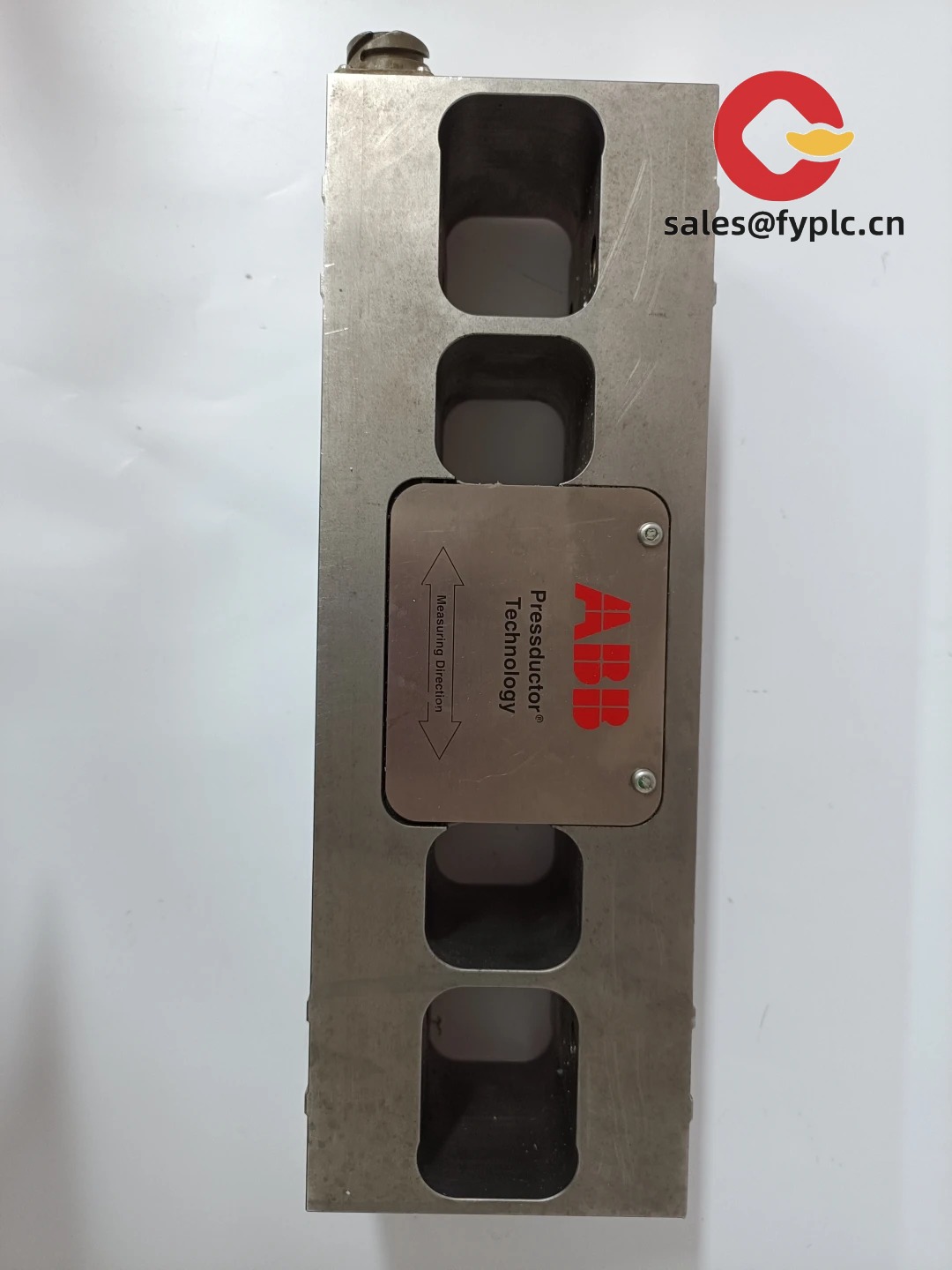
Let’s cut to the chase: if you’re monitoring tension on steel strip lines, paper reels, or extruded polymer films—and you’ve had enough of drift, thermal error, or mounting-induced signal noise—this load cell tends to stand out. I’ve seen it replace older strain-gauge units in rewind sections where ±0.5% full-scale repeatability wasn’t just nice-to-have, but critical to avoid web breaks at 800 m/min. It’s not a general-purpose sensor—it’s built for precision tension control where mechanical stability and long-term zero stability matter more than raw speed.
Key Features
- Hermetically sealed stainless steel housing — IP67-rated, with welded diaphragm design. In my experience, this holds up significantly better than epoxy-filled alternatives in humid coating rooms or washdown environments (e.g., nonwovens slitting lines).
- Low-profile, low-deflection design — Only 42 mm height, with ≤0.03 mm axial deflection at full scale. That means minimal interference with existing roller geometry—no need to re-engineer your tension arm assembly.
- Integrated temperature compensation (–10 to +60°C) — Zero shift typically stays under ±0.015% FS/°C. One customer in a Midwest converting plant reported stable readings across seasonal ambient swings—from 5°C winter mornings to 42°C summer afternoons.
- 4–20 mA analog output with HART® 7 protocol — No external signal conditioner needed. You can read diagnostics (like overload history or calibration date) right from your DCS or handheld communicator.
- Pre-calibrated & NIST-traceable certificate included — Shipped with individual calibration data (not just “as per spec”). The certificate lists actual measured values at 0%, 25%, 50%, 75%, and 100% load—useful for audit trails or SPC reporting.
Technical Specifications
| Parameter | Specification |
|---|---|
| Brand / Model | ABB PFTL101B-10.0kN |
| HS Code | 9025.80.00 (Load cells, weighing machinery parts) |
| Rated Capacity | 10.0 kN (≈1020 kgf) |
| Power Requirements | 12–30 VDC, 2-wire loop-powered (4–20 mA) |
| Dimensions (L × W × H) | 120 × 80 × 42 mm |
| Weight | 1.35 kg |
| Operating Temperature | –10°C to +60°C (compensated range: –10°C to +50°C) |
| Signal Output | 4–20 mA (HART® 7 compatible) |
| Communication Interface | HART® point-to-point (no RS-485 or Ethernet built-in) |
| Installation Method | Through-bolt mounting (M12 × 1.75 threaded holes, 2×); requires rigid base plate or tension arm |
| Accuracy (typical) | ±0.25% FS (including nonlinearity, hysteresis, repeatability) |
| IP Rating | IP67 |
Application Fields
This load cell shows up most often where tension directly affects product quality or machine uptime: cold-rolling mill entry/exit tension stands, gravure printing web controls, fiber-optic cable winding systems, and high-speed foil laminators. One automotive supplier uses six PFTL101Bs on a brake-pad backing material line—each monitoring separate unwind/tension zones. They told us that before switching, they were recalibrating weekly due to thermal drift; now, it’s quarterly, and only as part of scheduled maintenance—not because of drift.
Advantages & Value
If you’re evaluating this against similar offerings from Siemens or Honeywell, here’s what tends to tip the balance: ABB’s factory calibration includes real-world thermal cycling (–10°C → +50°C → –10°C), so the published temp coefficients aren’t theoretical—they’re measured. From a procurement standpoint, that translates to fewer field adjustments, less engineering time spent on signal conditioning, and smoother integration into existing ABB 800xA or third-party DCS systems using standard HART device descriptions (DDs). Also worth noting: spare parts and replacement modules (like the optional HART interface module PFTL-HART-1) are stocked regionally—no 12-week lead times. And while it’s not the lowest-cost option on paper, many customers report lower total cost of ownership over 3 years, especially when factoring in reduced downtime and calibration labor.
Installation & Maintenance
Mounting surface flatness should be within 0.02 mm over the footprint—any deviation risks uneven load distribution and measurement error. We recommend installing inside an IP54-rated cabinet or shielded tension arm enclosure, especially if near VFDs or welders (EMI sensitivity is low, but not zero). Avoid direct sunlight on the housing: prolonged exposure above 60°C can accelerate zero creep, even though the spec says “up to 60°C”. For wiring, use shielded twisted pair (e.g., Belden 8761), with shield grounded at the controller end only. Routine maintenance is light: visually inspect mounting bolts every 6 months (torque to 25 N·m), wipe the housing with isopropyl alcohol if exposed to oil mist, and verify zero output annually with no load applied. Firmware updates aren’t applicable—the unit is analog-only—but HART configuration changes (e.g., damping, range scaling) can be done in under 90 seconds with a standard handheld communicator.
Quality & Certifications
The PFTL101B carries CE (2014/30/EU EMC Directive, 2014/35/EU LVD), UL 61010-1 (3rd ed.), RoHS 2011/65/EU, and ISO 9001:2015 certified manufacturing. It’s also compliant with IEC 61000-6-2 (immunity) and IEC 61000-6-4 (emissions). Warranty is straightforward: 365 days from shipment date, covering defects in materials and workmanship. If a unit fails calibration verification within that window, ABB will either replace it or re-calibrate and recertify at no charge—no paperwork marathons, just proof of purchase and test record.
Our Order Placement Process & Guarantees:
• Warranty: 365 days from delivery
• Delivery: 1 week for in-stock units; no longer than 30 days, even for custom configurations
• Payment: 50% advance, balance before shipment
• Shipping: FedEx, UPS, or DHL Express — all with real-time tracking and insurance included

Reviews
There are no reviews yet.