
Description
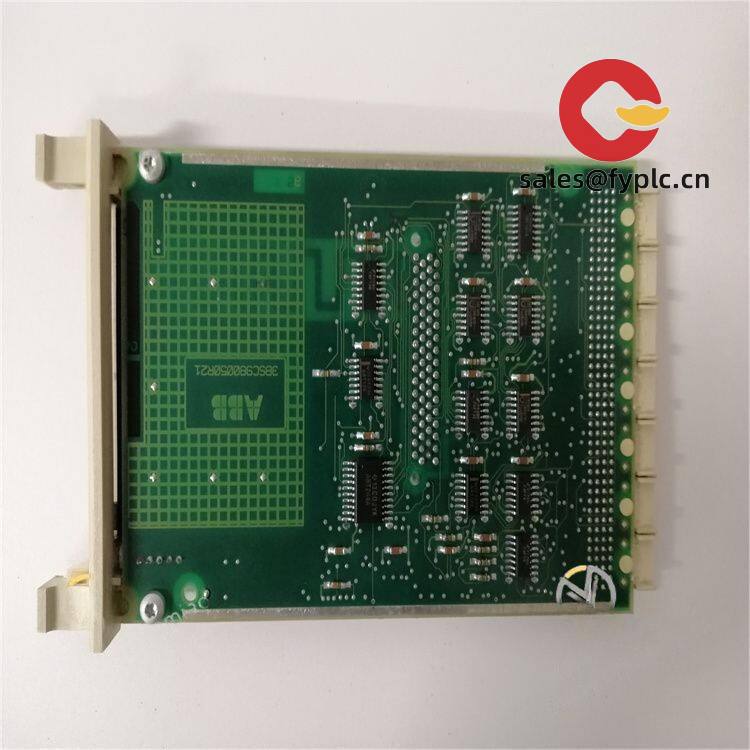
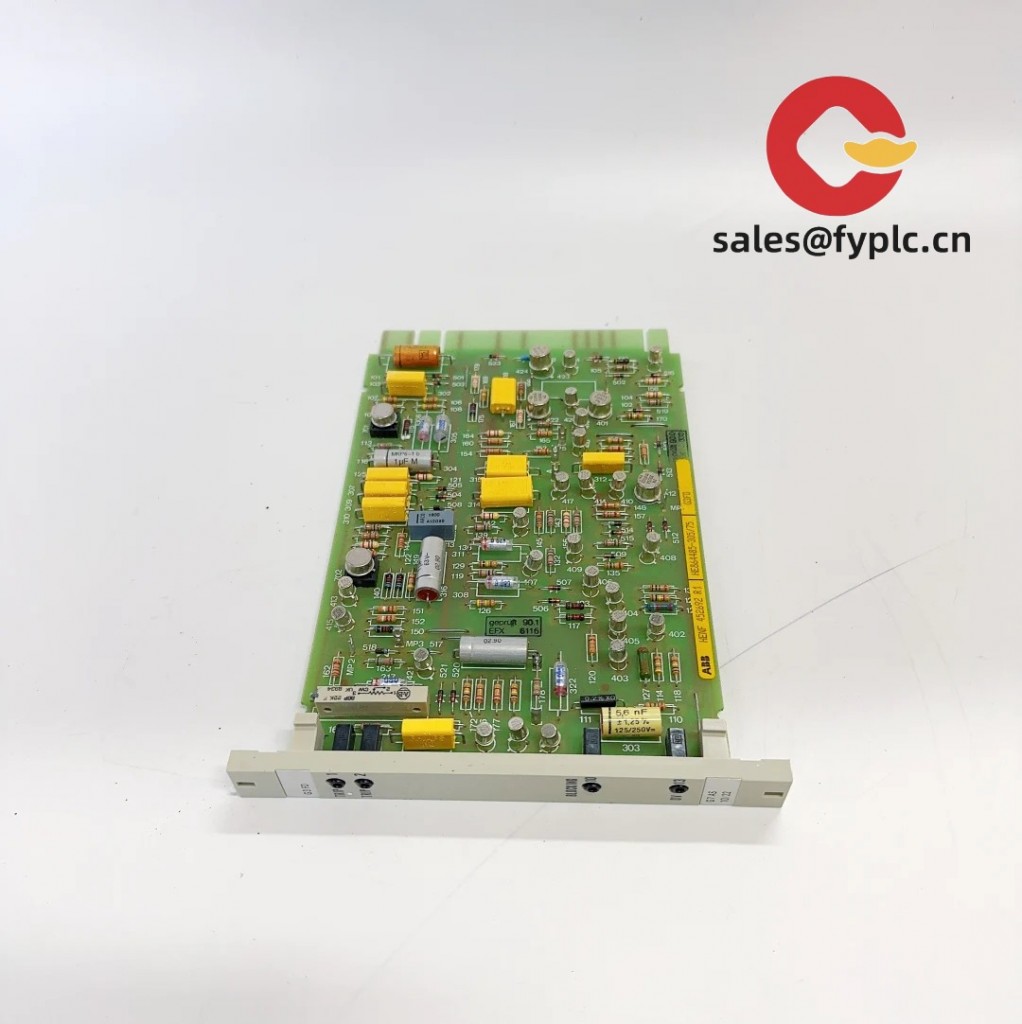
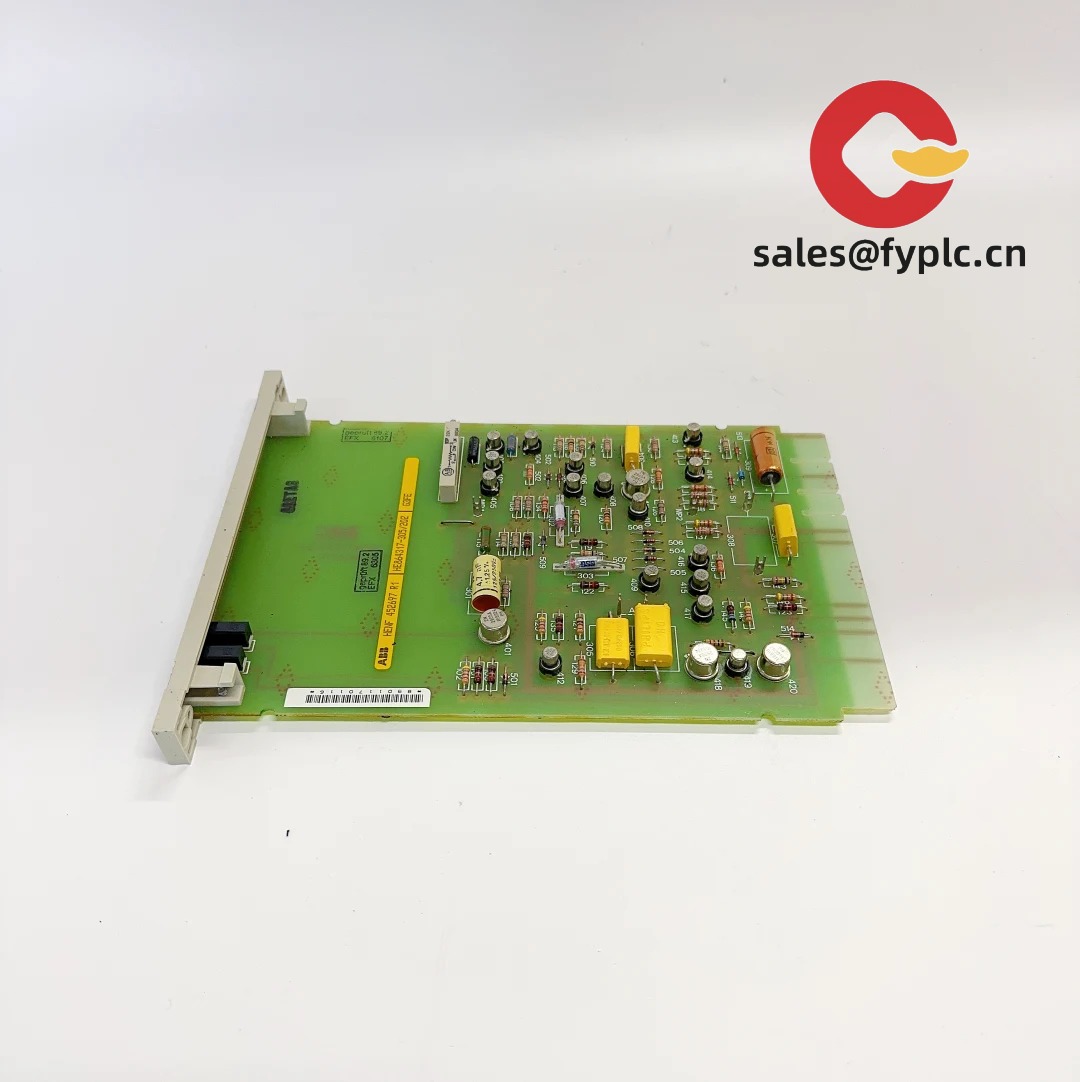
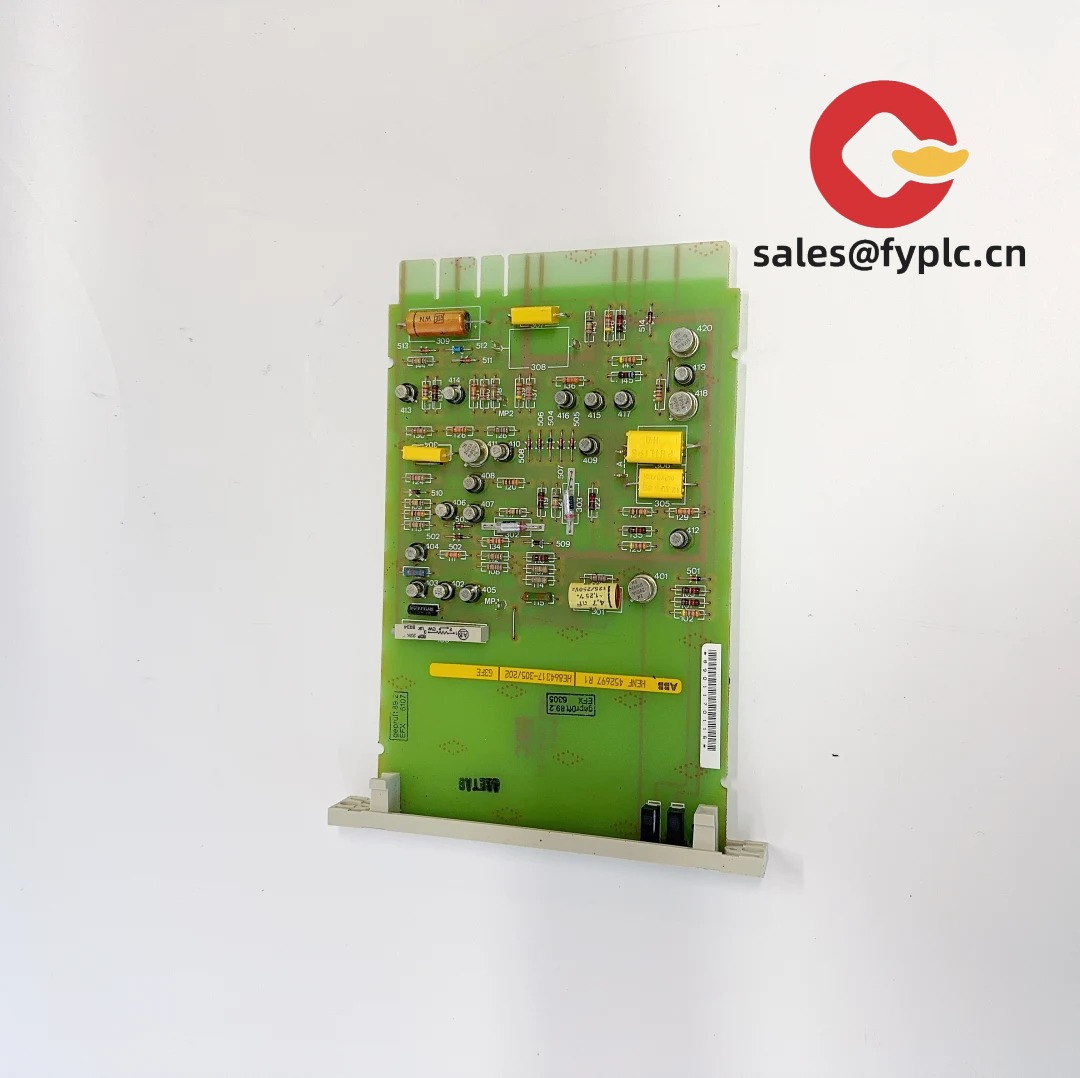
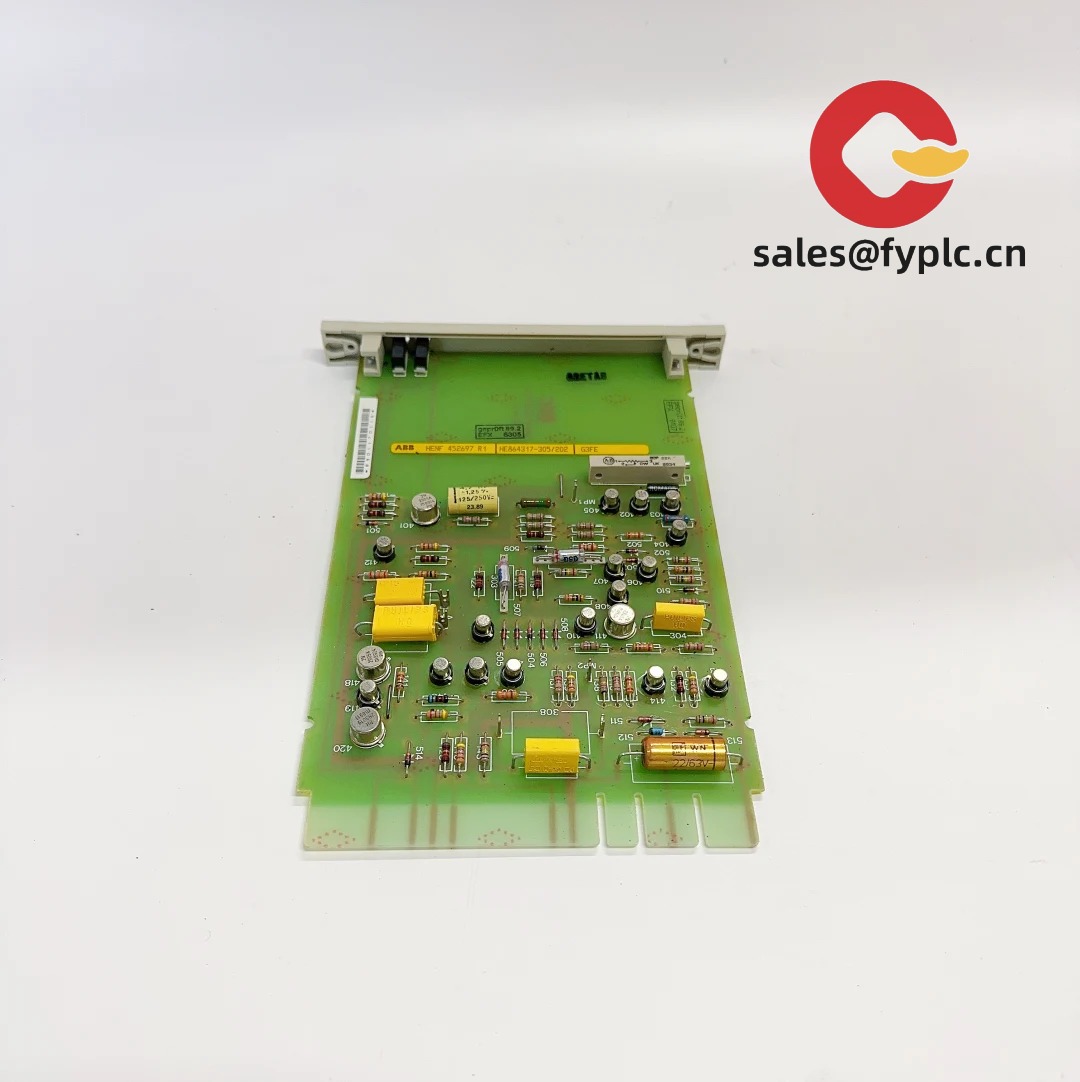
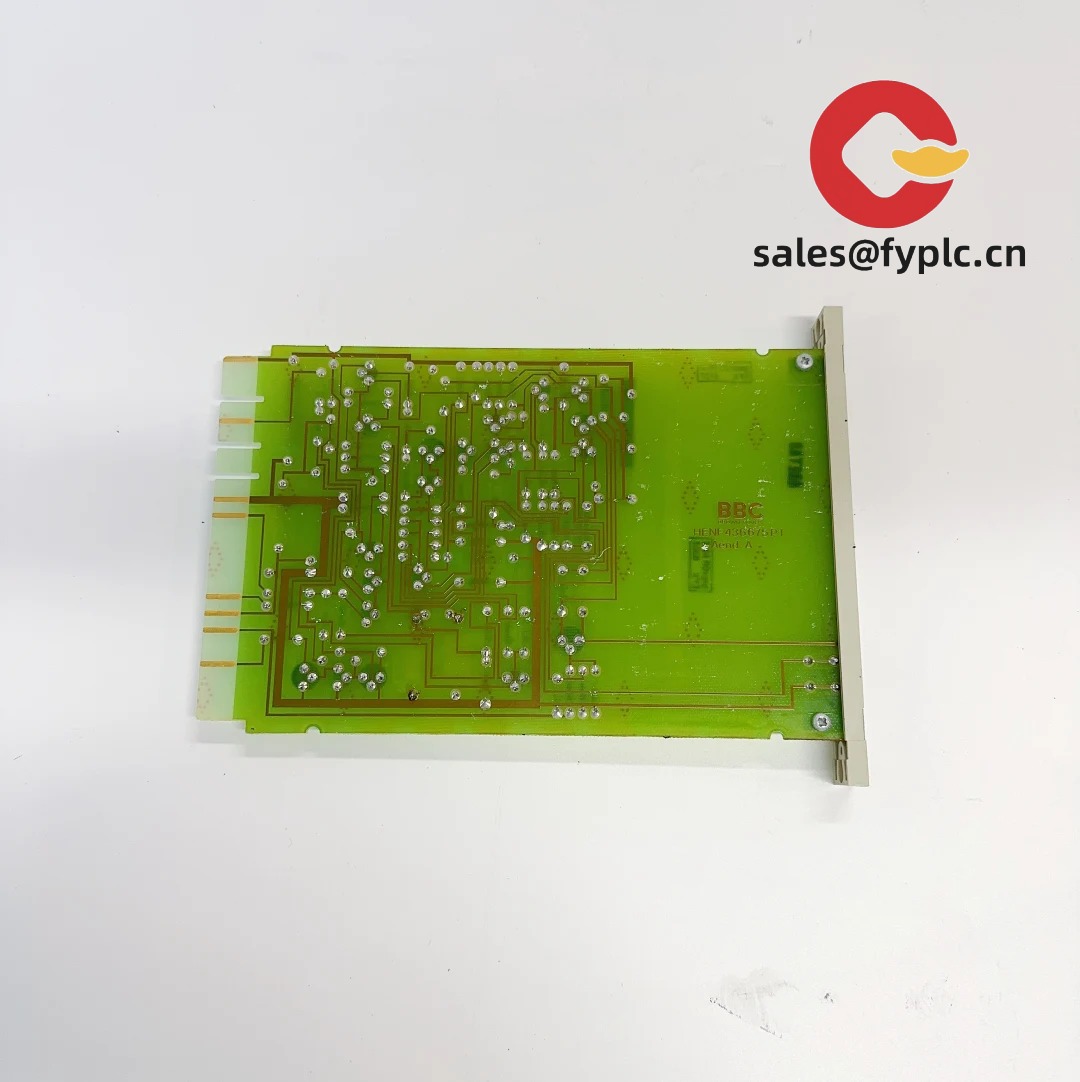
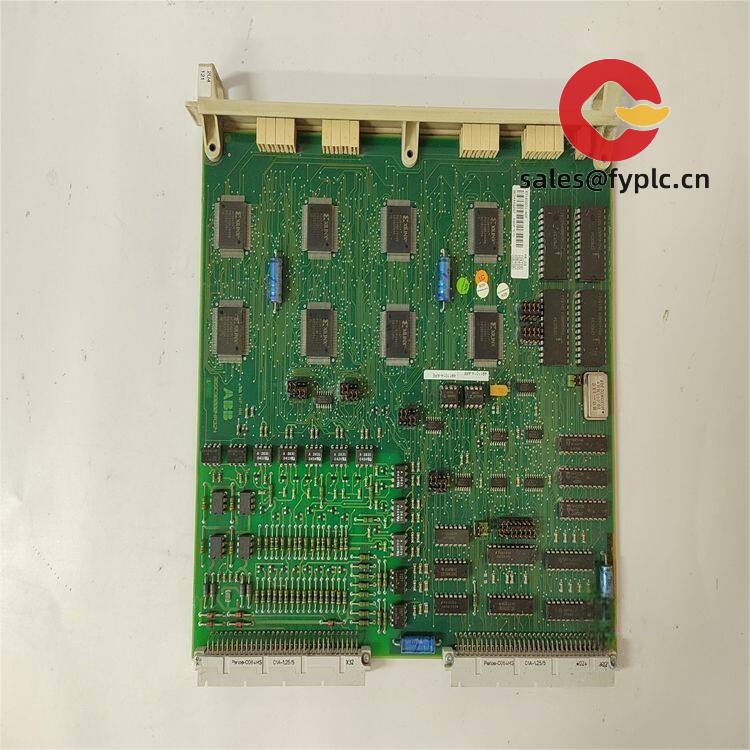
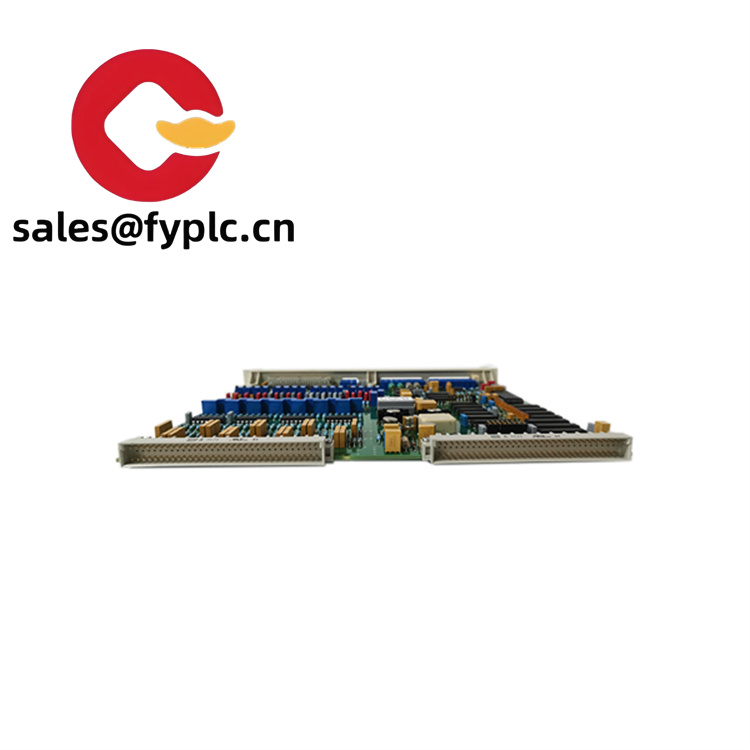
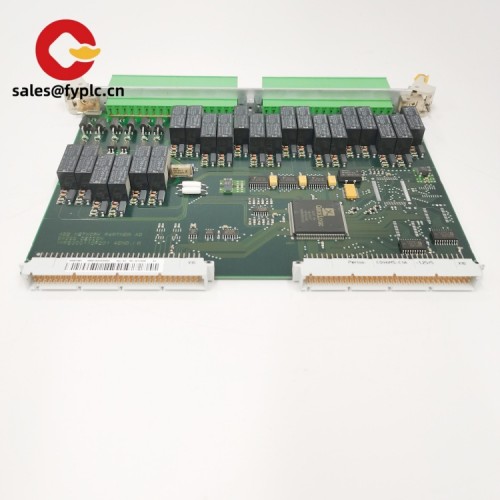
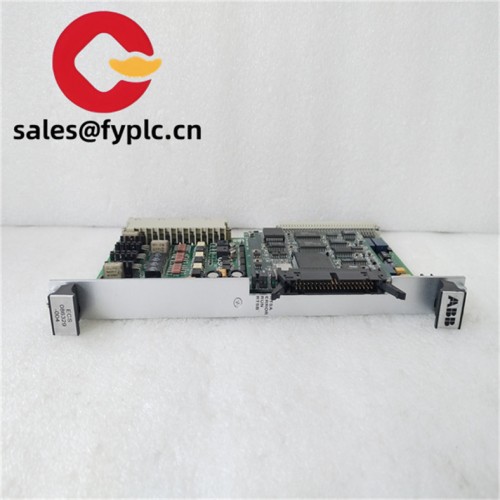
ABB G3FE HENF452697R1 – High-Performance Safety Relay Module for Industrial Automation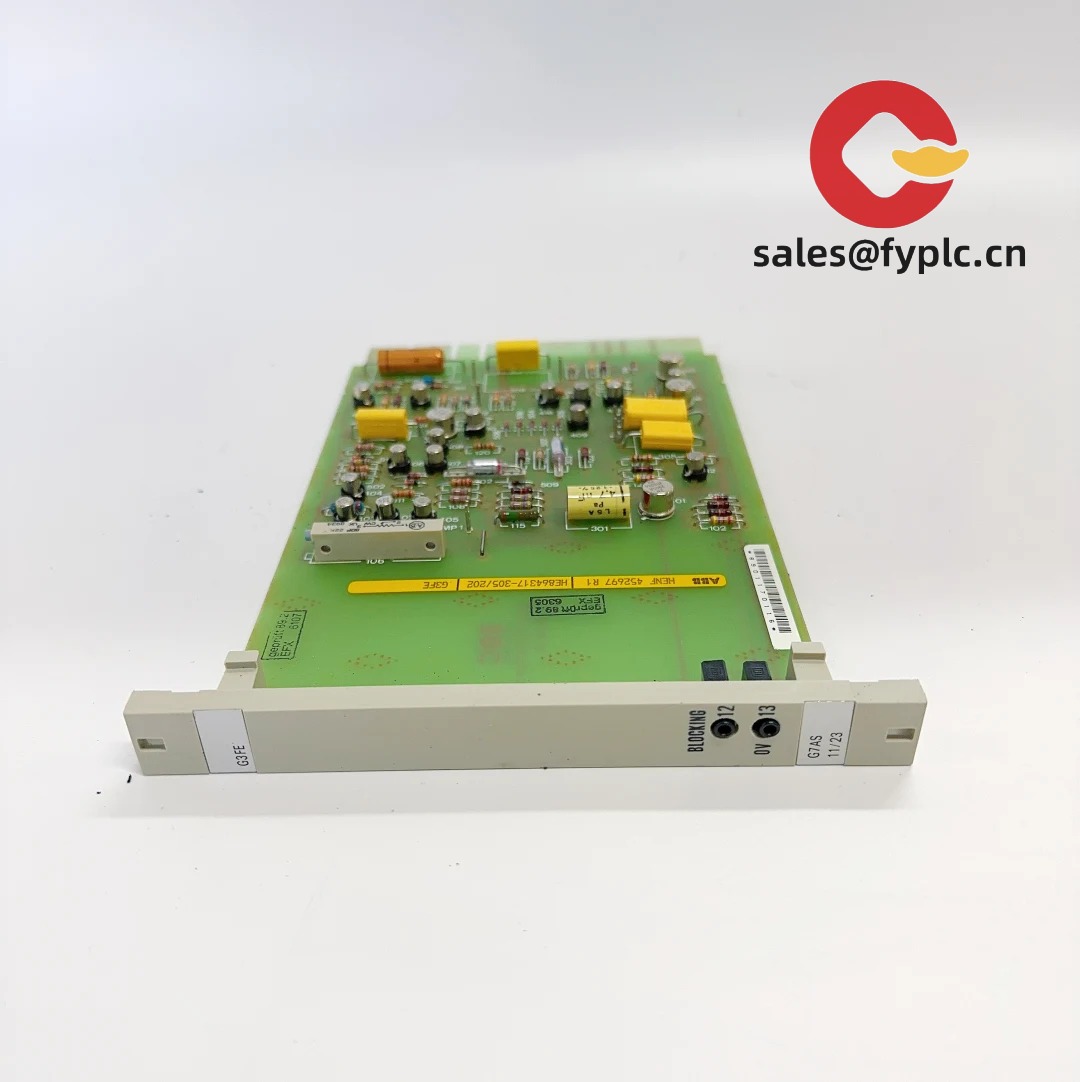
If you’re working on a machine safety system that requires reliable signal monitoring and fast response times, the ABB G3FE HENF452697R1 typically stands out as a solid choice. From my experience supporting control panel integrators in Europe and North America, this module shows up often in retrofit projects where legacy ABB safety systems need drop-in replacements without re-engineering the whole cabinet.
One thing I appreciate is how it handles dual-channel monitoring of emergency stops, safety gates, and light curtains—common in packaging lines or robotic cells. It’s not flashy, but it does its job consistently, which matters when uptime and compliance are non-negotiable.
Key Features
- Dual-channel safety monitoring: Accepts two independent safety inputs (e.g., E-stops, door switches), enabling redundancy and higher PL ratings according to ISO 13849-1.
- Forced-guided relay contacts: The internal relay design ensures that if one contact welds, the others can’t falsely indicate a safe state—critical for meeting Category 3/4 performance levels.
- LED status indication: Clear visual feedback on power, input channel status, and relay activation makes troubleshooting faster during commissioning or maintenance.
- Compact DIN-rail mounting: Fits standard 35mm TS35 rails, saving space in crowded control panels—especially useful when upgrading older machinery with limited real estate.
- 24 VDC operation: Designed for typical industrial PLC voltage standards, reducing the need for additional power supplies.
Technical Specifications
| Parameter | Specification |
|---|---|
| Brand / Model | ABB / G3FE HENF452697R1 |
| HS Code | 8536.50.90 (Electrical apparatus for switching or protecting circuits) |
| Power Requirements | 24 VDC ±15%, max. 50 mA typical consumption |
| Dimensions (W×H×D) | Approx. 22.5 mm × 90 mm × 60 mm |
| Weight | ~120 g |
| Operating Temperature | -25°C to +55°C (with derating at upper end) |
| Signal Input Types | Two-channel dry contact or PNP sensors (safety-rated) |
| Output Type | 3 normally open (NO) forced-guided safety relay contacts, rated up to 6 A @ 250 VAC |
| Communication Interfaces | None – hardwired discrete signals only |
| Installation Method | Top-hat DIN rail (TS35), optional snap-mount accessories available |
Application Fields
This relay is commonly found in applications where functional safety must be achieved without integrating full safety PLCs. Think of automated assembly machines, conveyor interlocks, press controls, or access points on industrial ovens. In many cases, it’s used to interface field devices like emergency stop buttons directly into the main disconnect logic, ensuring that tripping a safety device cuts power reliably.
A customer in Germany recently mentioned using several units across a bottling line upgrade—they liked that they didn’t have to modify existing wiring diagrams much since the pinout matches earlier ABB safety relays.
Advantages & Value
While newer smart relays offer diagnostics over IO-Link, the G3FE HENF452697R1 seems to be more about simplicity and compatibility. If your team supports multiple plants with legacy ABB infrastructure, keeping spares of this model can reduce mean time to repair. There’s no firmware to update, no configuration software needed—just plug in and verify wiring.
Procurement-wise, it holds value because it’s still listed in current ABB catalogs and supported through distribution channels. You’re unlikely to face counterfeit issues compared to some obsolete modules floating around online marketplaces.
Installation & Maintenance
Mount it on a clean, vibration-free DIN rail inside an IP54-rated enclosure. Make sure there’s adequate airflow around the unit—especially if ambient temps exceed 45°C. Avoid routing high-power motor cables in the same duct as the input wiring to prevent induced voltages.
Termination is screw-clamp type, so use proper torque (typically 0.5–0.6 Nm). Double-check polarity on the DC supply; reverse connection won’t always destroy it immediately, but it will prevent startup.
Routine checks should include verifying LED behavior during test cycles and inspecting terminal screws for loosening every 6–12 months. No scheduled calibration is required, though periodic functional testing (per local safety regulations) is strongly advised.
Quality & Certifications
The module carries CE marking and complies with key directives including Machinery Directive 2006/42/EC and Low Voltage Directive. It meets EN 60947-5-1 and EN 60204-1 standards for industrial equipment. UL recognition is confirmed under file number E101955, suitable for use in U.S. installations.
RoHS compliant. Manufacturer warranty is 365 days from date of invoice, covering defects in materials and workmanship under normal operating conditions.
Delivery: 1 week for in-stock units, up to 4 weeks for backordered items.
Payment: 50% advance, balance before shipment.
Shipping via FedEx, UPS, or DHL—tracking provided upon dispatch.

Reviews
There are no reviews yet.