
Description
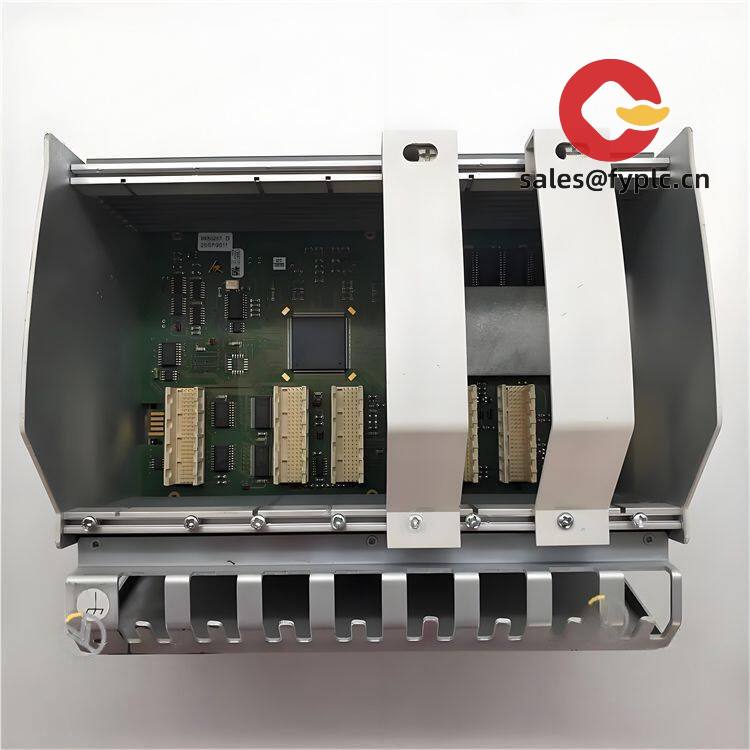
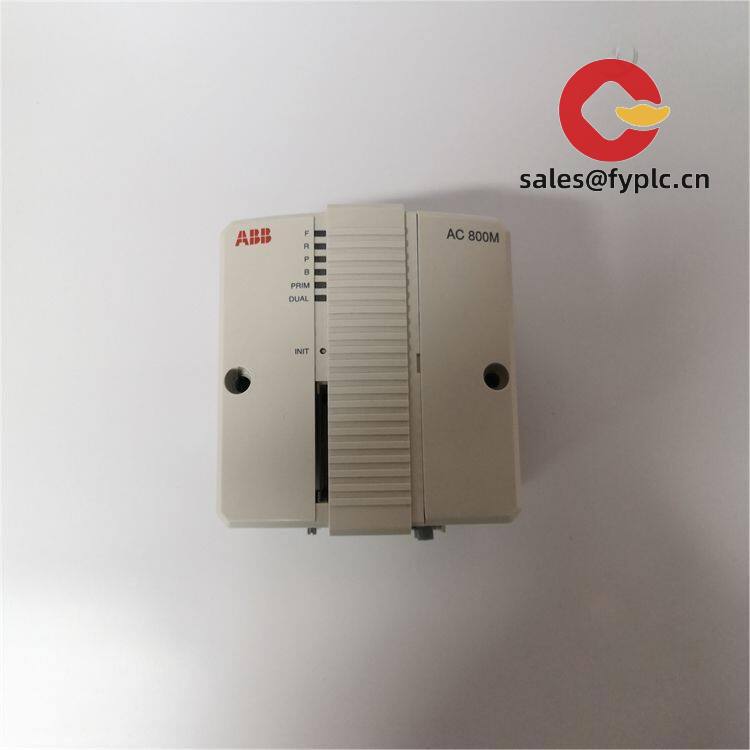
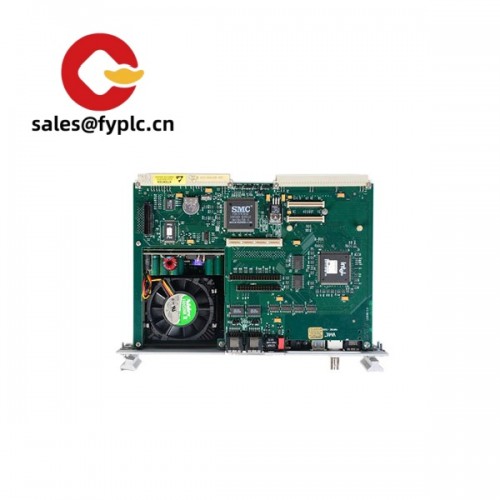
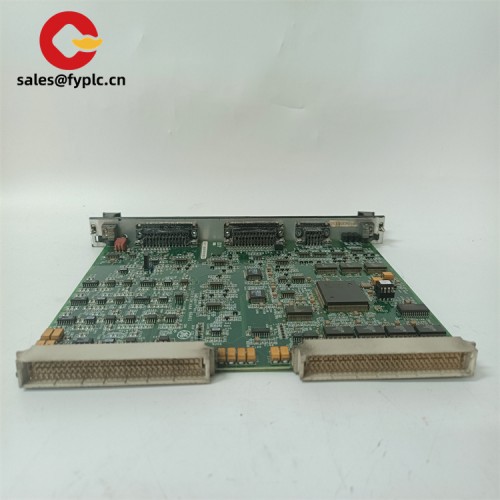
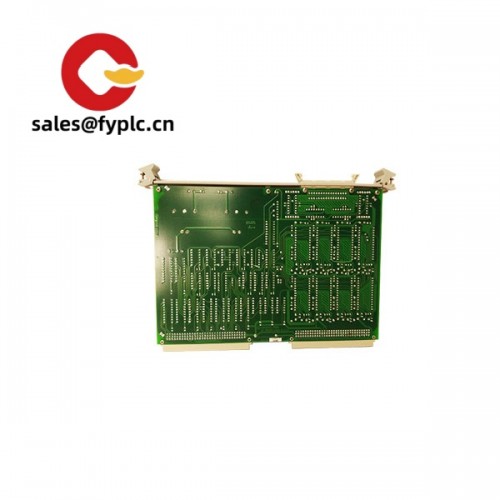
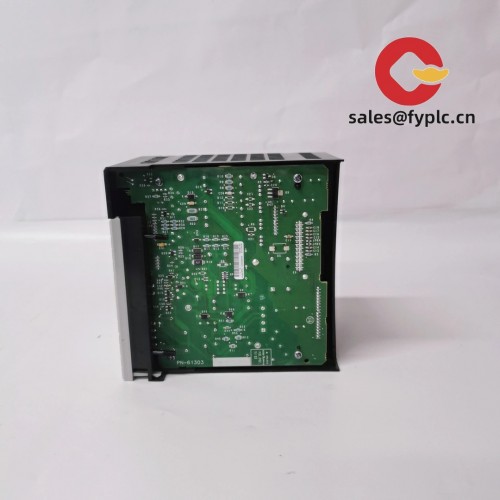
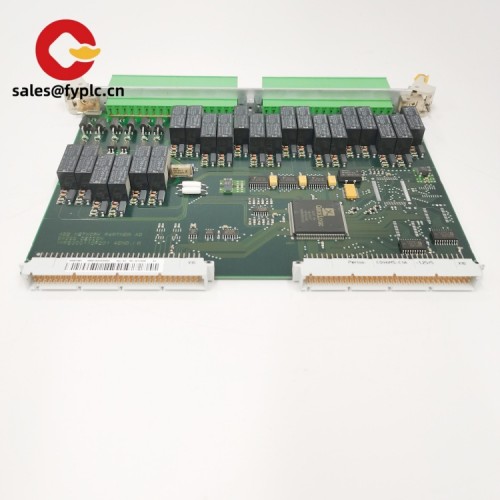
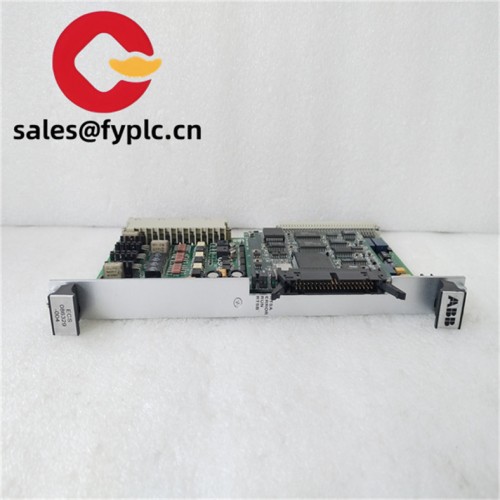
ABB PM860K01 (3BSE018100R1) — High-Integrity Redundant Controller for ABB AC 800M DCS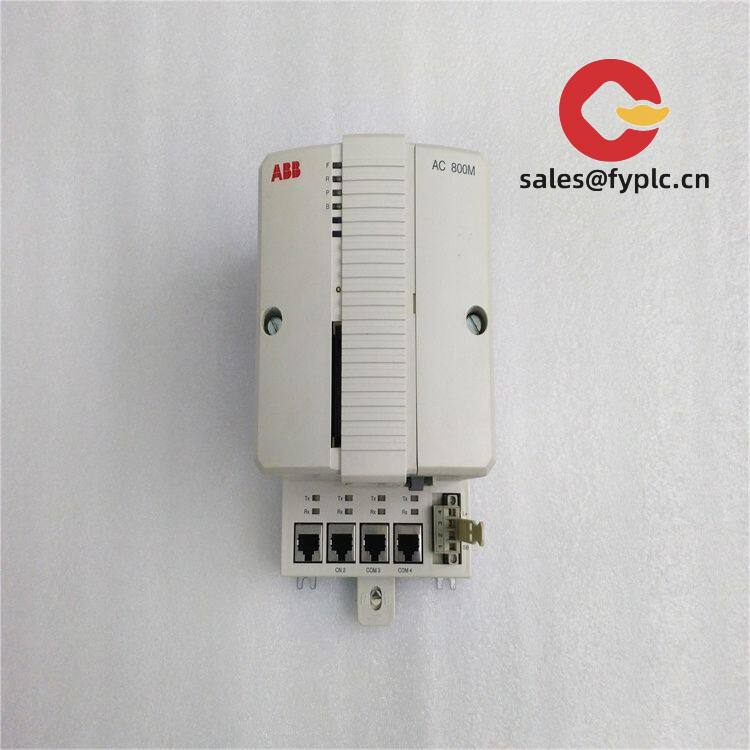
One thing I appreciate is how quietly capable this controller is — not flashy, but built to hold the line in critical process environments. The PM860K01 is the primary CPU module in ABB’s AC 800M redundant control system, typically deployed where downtime isn’t just costly — it’s unsafe. Think ethylene crackers, power plant boiler controls, or offshore oil & gas separation trains. From my experience, clients who’ve swapped out aging PM864s or legacy MOD 300 controllers with this unit often report fewer unplanned switchover events and smoother integration with existing 800xA engineering stations.
Key Features
- Fully hot-standby redundancy: Seamless failover under load — no process interruption, even during firmware updates or memory errors. It appears that the dual-CPU architecture handles synchronization at the microsecond level, which explains why so many refineries specify it for safety-critical loops.
- Integrated Ethernet + PROFIBUS DP master: No need for external gateways in most cases. You might notice that the onboard ETH port supports both engineering traffic (via 800xA) and real-time control messaging — though we usually recommend segregating those on separate VLANs for stability.
- 256 MB RAM + 512 MB Flash: Enough headroom for complex sequential function charts (SFCs) and large alarm databases. In many installations, users run up to 12,000 I/O points across multiple I/O racks without hitting memory limits.
- Support for IEC 61131-3 languages: Structured Text, Function Block Diagram, Ladder Logic — all compiled natively. One customer in Sweden told us they cut commissioning time by ~30% because their team could reuse legacy ST logic with minimal rework.
- Built-in watchdog & diagnostics: Real-time monitoring of CPU load, bus health, and power supply margins — visible directly in Control Builder M or via Modbus TCP if needed.
Technical Specifications
| Parameter | Specification |
|---|---|
| Brand / Model | ABB PM860K01 (3BSE018100R1) |
| HS Code | 8537.10.90 — Programmable controllers for industrial use |
| Power Requirements | 24 V DC ±15%, max. 4.5 A (typical); powered via backplane from PS801/PS802 PSU |
| Dimensions & Weight | 210 × 135 × 110 mm (W×H×D), ~1.8 kg |
| Operating Temperature | 0 °C to +60 °C (derated above 45 °C) |
| Signal Input/Output Types | No direct I/O — connects to I/O modules (e.g., DI810, DO810, AI810) via AC 800M backplane (S800 bus) |
| Communication Interfaces | 1× 10/100 Mbps Ethernet (RJ45), 1× PROFIBUS DP master (9-pin DSUB), S800 backplane interface |
| Installation Method | DIN rail mounted inside AC 800M control cabinet (typically 600×800×220 mm min.) |
Application Fields
This isn’t a general-purpose PLC — it’s engineered for layered, high-availability DCS architectures. You’ll find it running main process trains in petrochemical plants, managing turbine control logic in combined-cycle power stations, or handling emergency shutdown sequencing in LNG terminals. It’s also common in pharmaceutical clean utilities (HVAC, pure steam, WFI) where validation documentation (like FAT/SAT templates and traceable firmware logs) matters more than raw speed. In water treatment, it’s occasionally used for SCADA-level coordination — though less frequently than in heavy process industries.
Advantages & Value
If you’re evaluating controllers for a brownfield upgrade or new greenfield project, the PM860K01 brings tangible procurement advantages. First, compatibility: it runs the same Control Builder M software and libraries as older PM86x modules, meaning your existing engineering assets — function blocks, HMI faceplates, alarm configurations — carry over with minimal effort. Second, support continuity: ABB still provides firmware patches and technical bulletins (latest verified version: v4.2.12, released Q2 2024). Third, total cost: while list price is higher than entry-tier controllers, the reduction in integration labor, reduced spares inventory (one module serves dual-redundant roles), and lower risk of late-stage redesign typically tip the ROI within 12–18 months.
Installation & Maintenance
Install only in cabinets meeting IEC 61804-3 standards — minimum IP54, forced ventilation recommended above 40 °C ambient, and proper grounding (separate PE bar, <1 Ω resistance to earth). Wiring must follow ABB’s “EMC Installation Guide” — especially shield termination practices for the PROFIBUS port. Avoid routing signal cables parallel to AC power lines longer than 1 m. For maintenance: calibrate I/O modules annually (not the CPU itself), clean air filters every 6 months, and apply firmware updates during scheduled outages — never mid-shift. We’ve seen one case where skipping the “cold start after update” step caused inconsistent PROFIBUS slave polling; it’s a small detail, but worth noting.
Quality & Certifications
The PM860K01 carries CE (2014/30/EU, 2011/65/EU), UL 61010-1 (File E170622), and ATEX II 2G Ex db IIC T4 Gb (for use in Zone 1 hazardous areas when installed per ABB’s zone compliance kit). It’s RoHS-compliant and manufactured under ISO 9001:2015 and ISO 14001:2015 certified processes. Warranty is 365 days from delivery date — includes parts and labor for defects in materials or workmanship. Note: firmware-related issues require verification against ABB’s official release notes before warranty claim processing.
Our Order Placement Process & Guarantees:
• Warranty period: 365 days
• Delivery time: 1 week for in-stock units (most common configuration)
• Maximum lead time: 4 weeks (includes custom firmware loading if required)
• Payment: 50% advance, balance before dispatch
• Express shipping: FedEx, UPS, or DHL — full tracking provided

Reviews
There are no reviews yet.