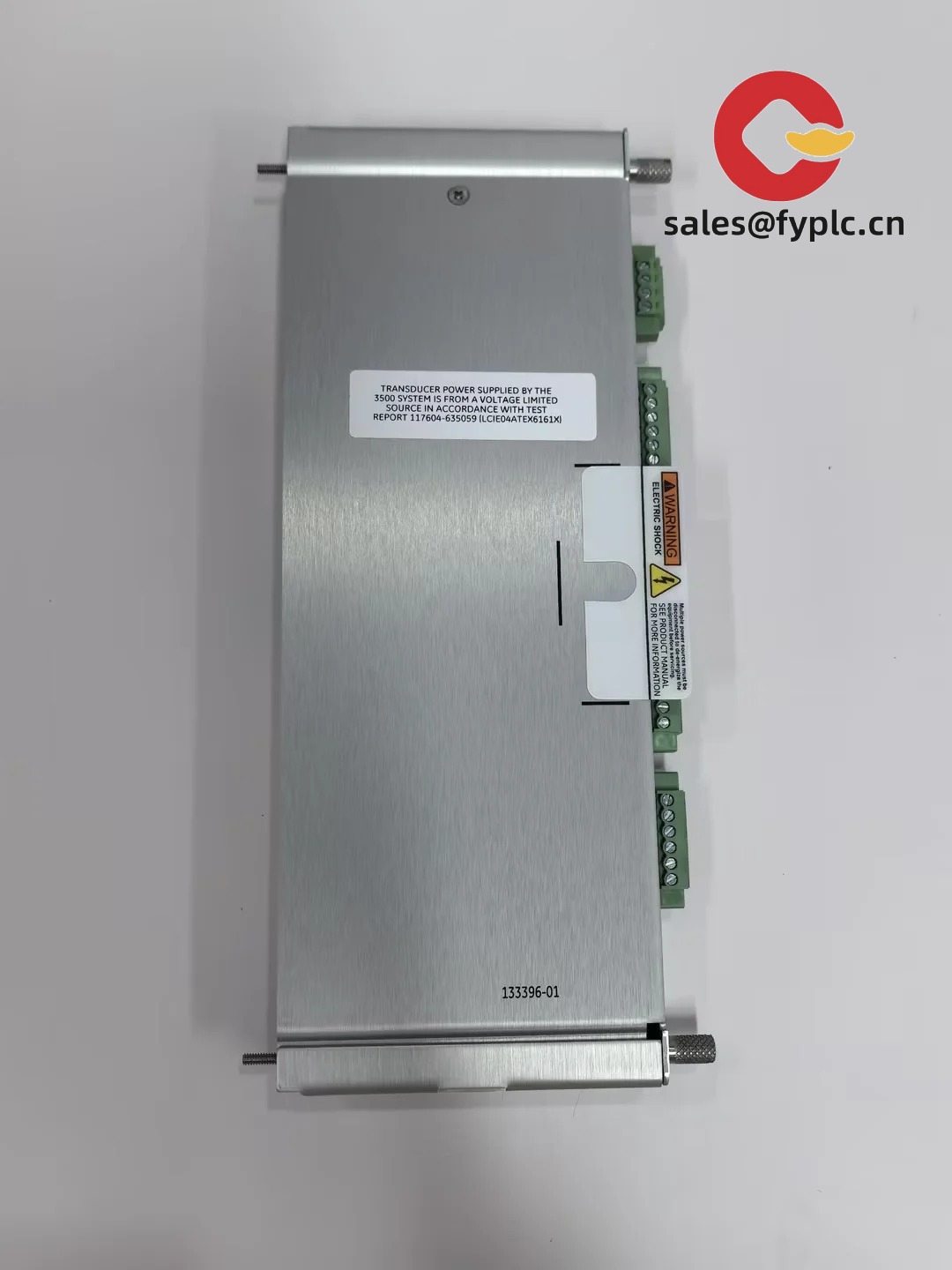
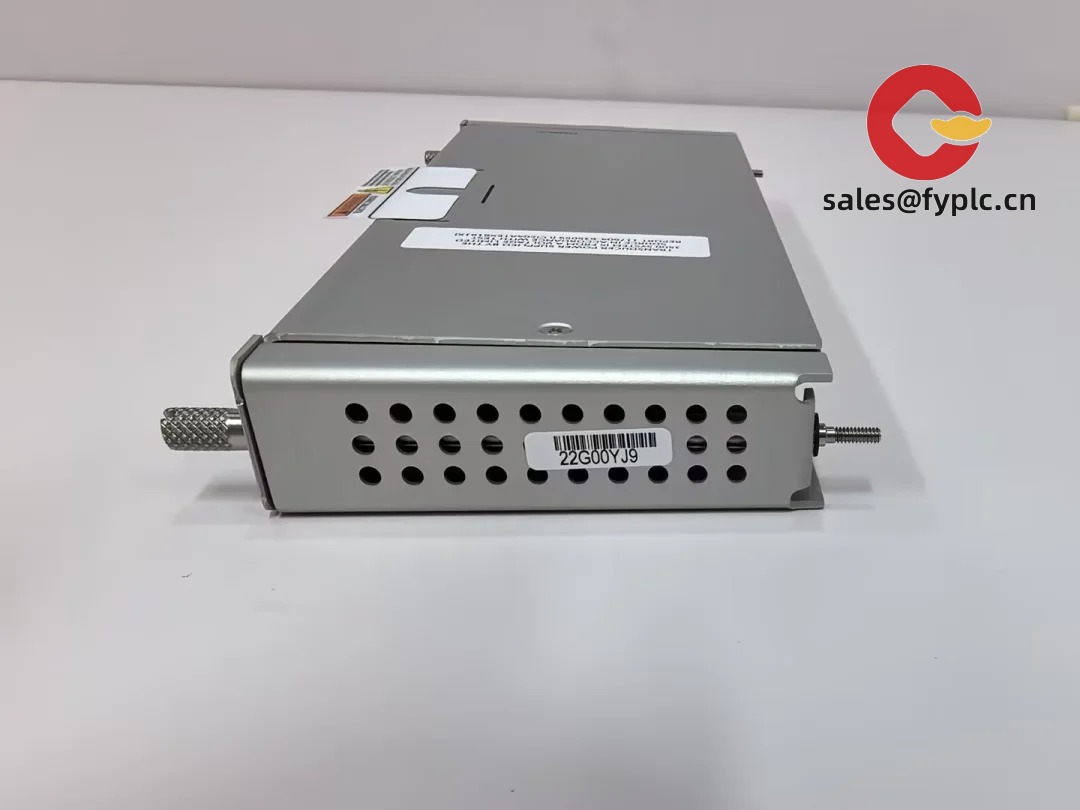
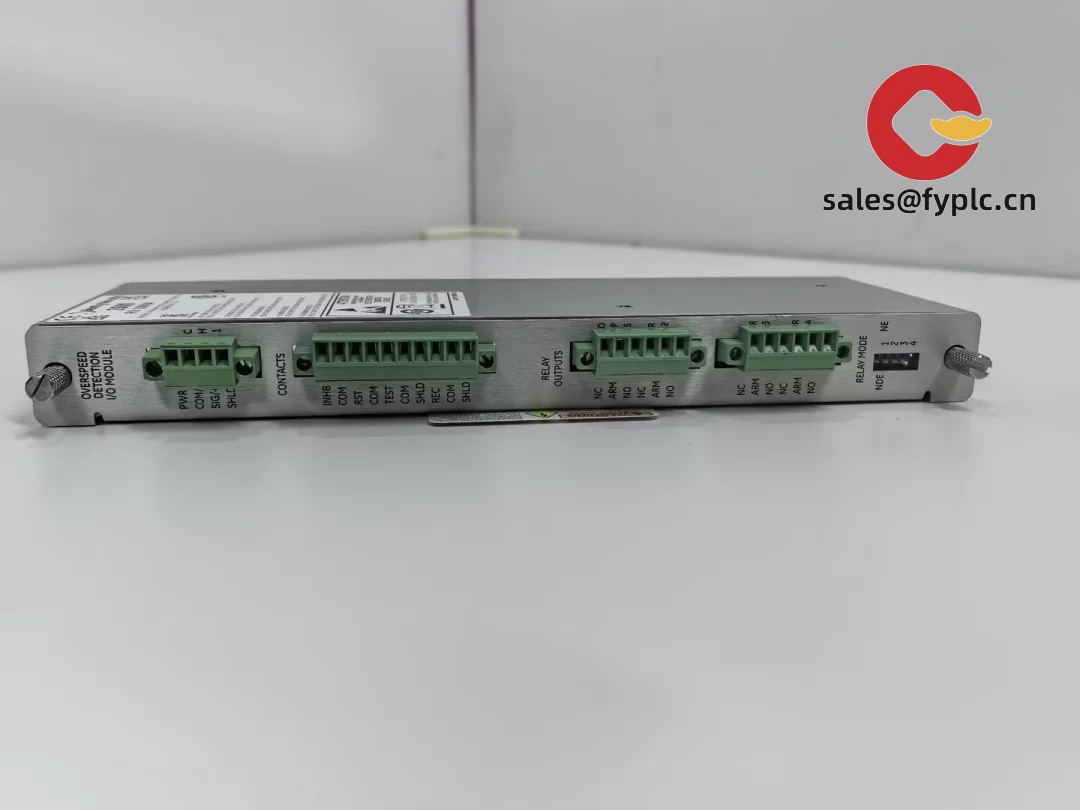
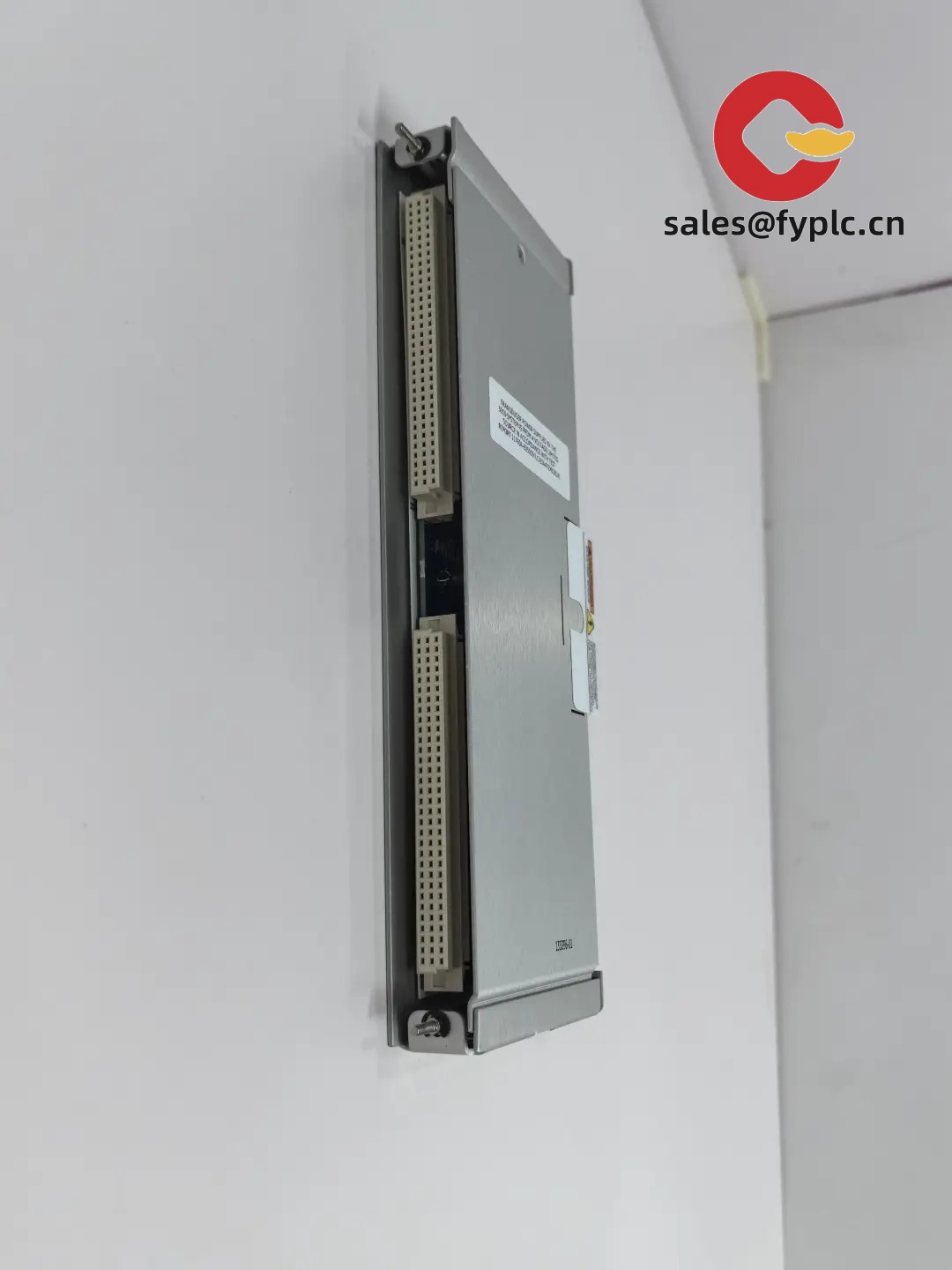

Description
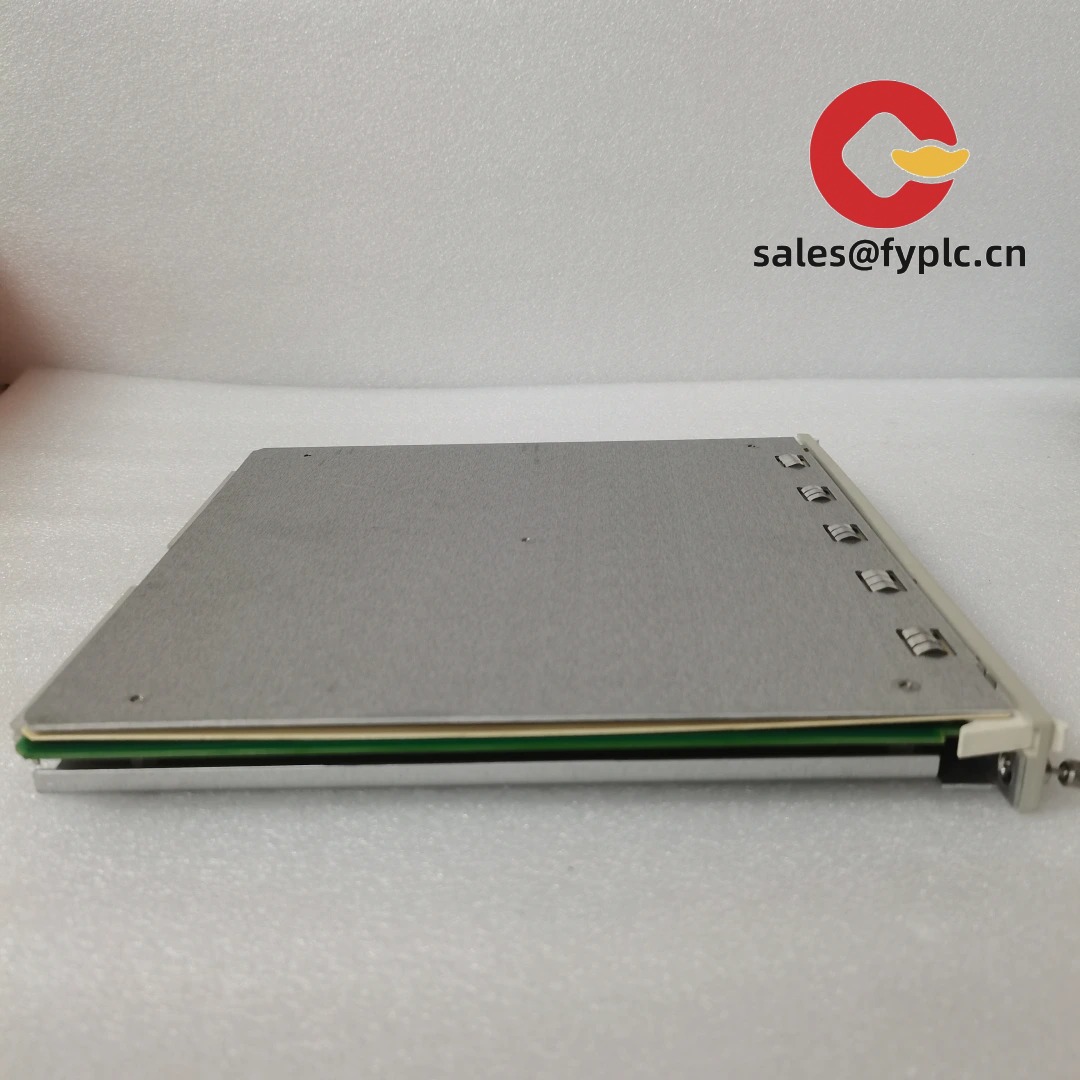
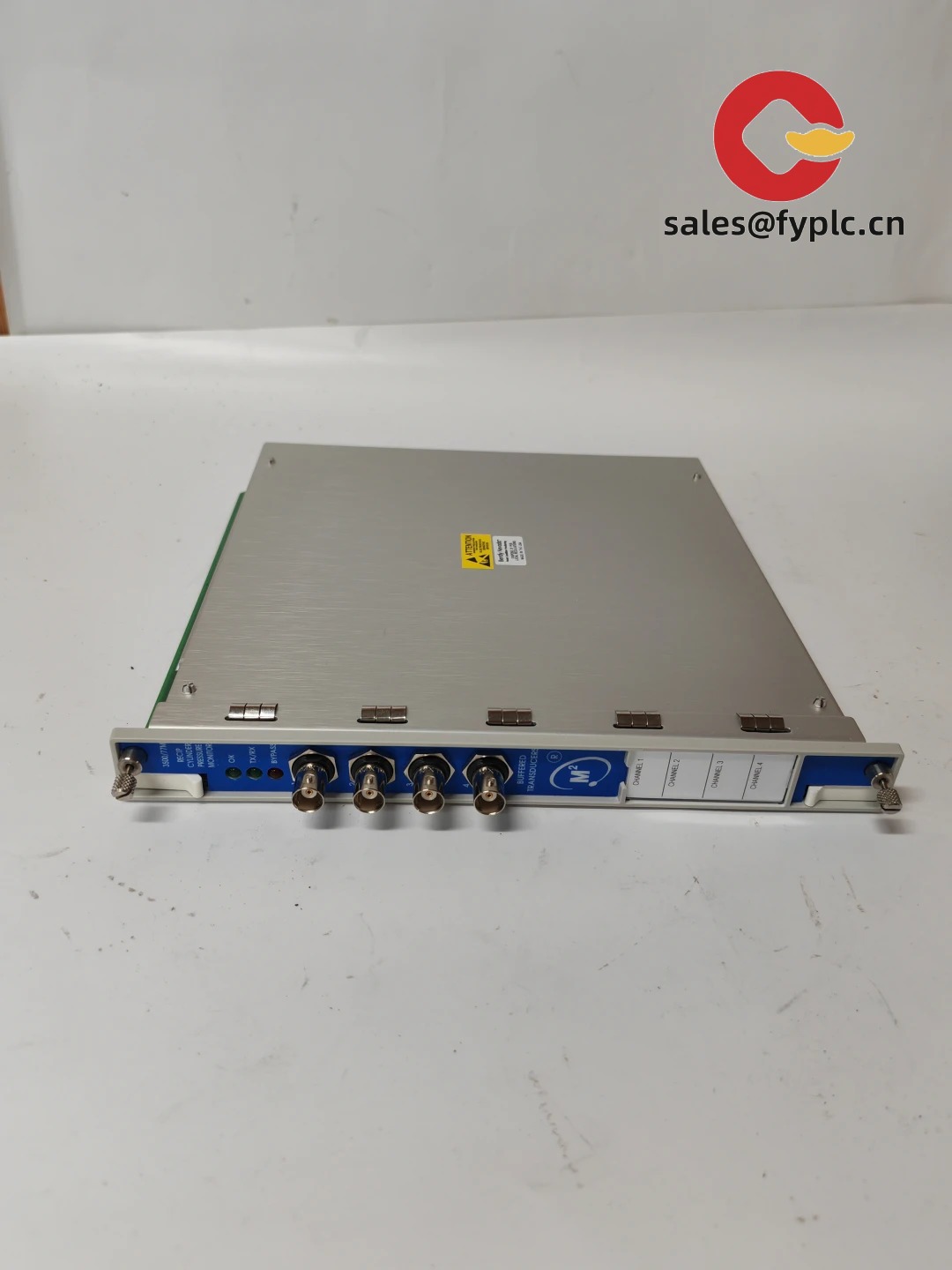
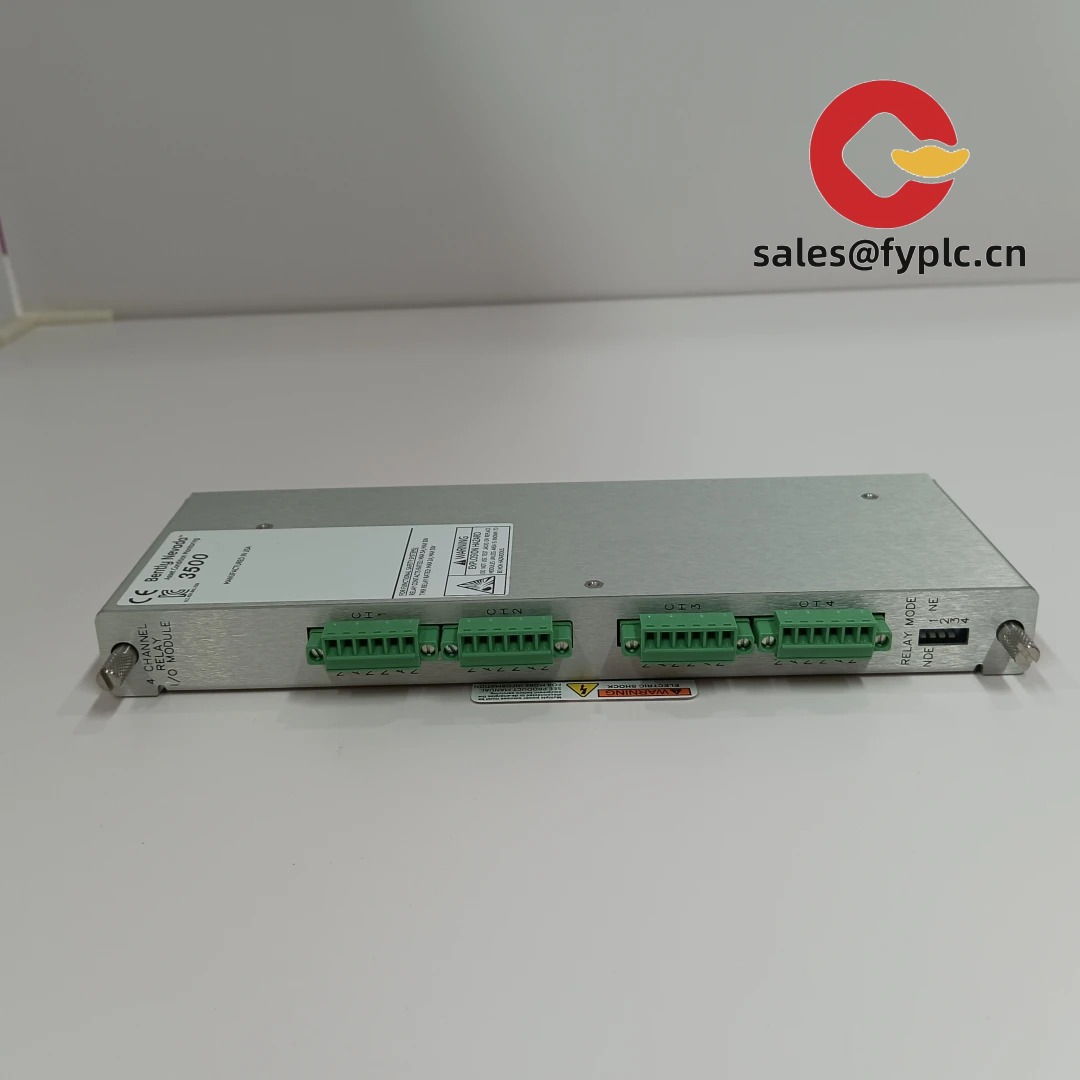
Bently Nevada 350054-03-00 – High-Performance Proximitor Sensor for Shaft Vibration Monitoring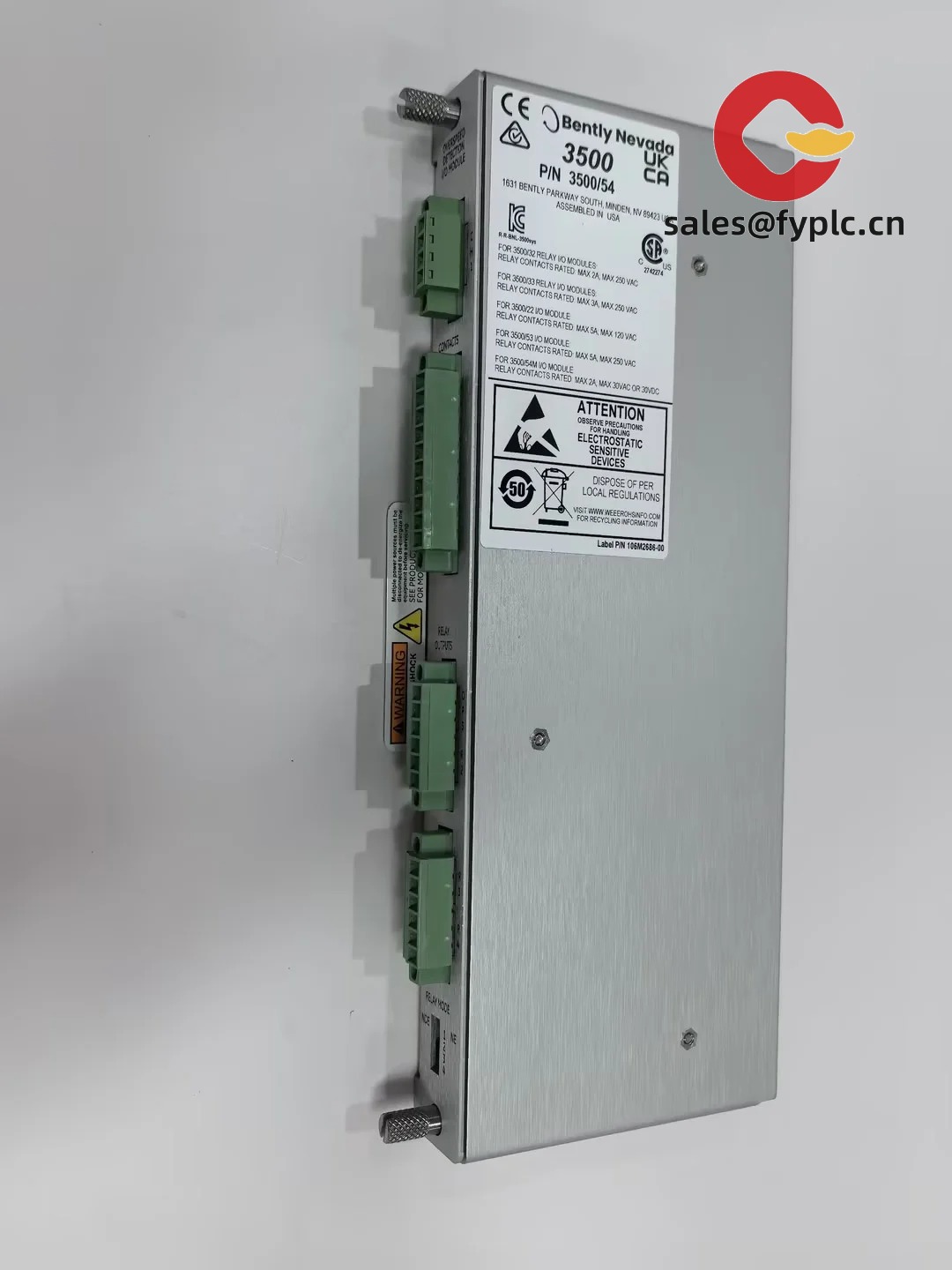
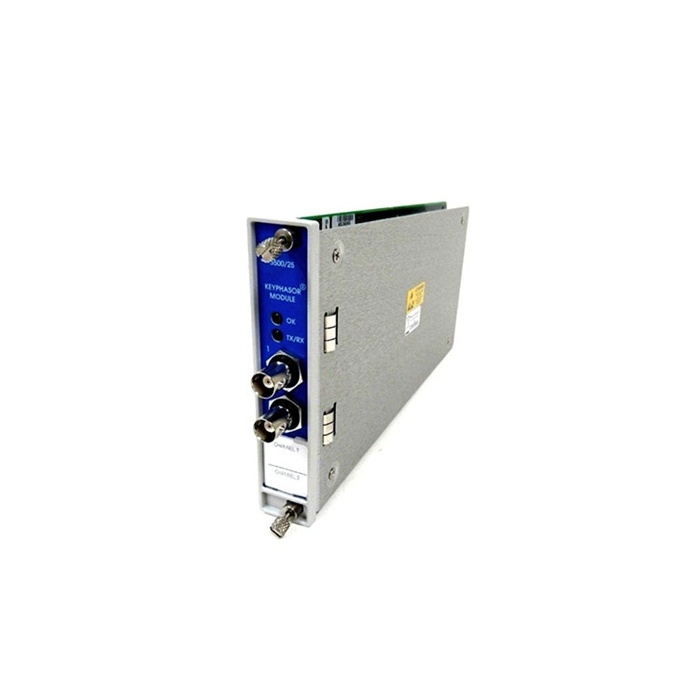
If you’re working on machinery health monitoring in oil & gas, power generation, or heavy industrial settings, the Bently Nevada 350054-03-00 is one of those components that tends to show up where reliability really matters. It’s a non-contact eddy current proximity transducer system—commonly referred to as a “Proximitor”—used primarily for measuring radial shaft vibration, position, and eccentricity in rotating equipment like turbines, compressors, and large motors.
One thing I appreciate about this model is how consistently it performs under high-temperature conditions and electrically noisy environments. From my experience supporting plant engineers, it typically delivers stable output even when other sensors start drifting—especially important during long-term condition monitoring campaigns.
Key Features
- Non-contact displacement measurement: Uses eddy current technology to monitor shaft movement without physical contact, reducing wear and increasing sensor life.
- Integrated electronics: The 350054-03-00 includes built-in signal conditioning, which simplifies wiring and improves noise immunity compared to older modular systems.
- Robust construction: Housed in a rugged stainless steel case with PTFE-insulated cabling, making it suitable for harsh industrial environments.
- High-temperature tolerance: Designed to operate reliably near turbine casings or hot process areas where ambient temperatures can exceed standard limits.
- Compatibility with 3500 System: Seamlessly integrates into Bently Nevada’s 3500 monitoring platform, allowing for centralized data collection and alarm management.
Technical Specifications
| Parameter | Specification |
|---|---|
| Brand / Model | Bently Nevada / 350054-03-00 |
| HS Code | 9033.00.6000 (measuring instruments for vibration analysis) |
| Power Requirements | -17 to -26 Vdc (typical loop-powered operation) |
| Output Signal | 4–20 mA or voltage proportional to gap distance |
| Measurement Range | Typically 2 mm (80 mils) full scale, depending on probe size |
| Operating Temperature | Electronics: -40°C to +85°C | Probe tip: up to +200°C |
| Signal Input/Output Types | Analog voltage/current output; accepts DC-coupled input from probe |
| Communication Interfaces | None onboard; compatible with 3500 rack via 4–20 mA or Modbus through system interface modules |
| Installation Method | DIN rail or panel mount in junction box or terminal assembly; often installed remotely from probe via coaxial cable |
| Dimensions & Weight | Approx. 100 x 60 x 40 mm / 350 g (varies slightly by revision) |
Application Fields
This unit shows up most often in critical rotating machinery applications. In refineries, it’s commonly used on centrifugal compressors to detect early-stage bearing wear. Power plants rely on it for steam and gas turbine shaft orbit monitoring. You might also find it in large pipeline pumping stations or offshore platforms where predictive maintenance strategies are tightly enforced.
A customer recently mentioned using several of these across their fleet of reciprocating compressors—mainly because they needed consistent phase-synchronous data for FFT analysis, and the low electrical noise of the 3500 series made integration easier than retrofitting generic sensors.
Advantages & Value
Procurement teams tend to favor this model not just for its performance, but because spare parts and replacements are widely supported—even years after initial deployment. Since it integrates directly with existing 3500 racks, there’s usually no need for additional software licensing or gateway hardware.
While it’s not the cheapest option on the market, downtime costs in these industries make reliability worth the premium. And in many cases, avoiding a single unscheduled shutdown covers the cost of an entire sensor array.
Installation & Maintenance
Installation typically requires a grounded metal enclosure with adequate ventilation, especially if mounted near heat sources. Make sure the coaxial extension cable between the probe and transducer is properly shielded and routed away from AC power lines—noise coupling can degrade signal quality over time.
For maintenance, periodic calibration checks every 12–18 months are recommended. Cleaning connectors and inspecting cable integrity during turnaround cycles helps prevent intermittent faults. Firmware updates aren’t handled at the module level—it’s analog-dominant—but the host 3500 rack should be kept current for diagnostics compatibility.
Quality & Certifications
The 350054-03-00 meets CE, UL, and ATEX standards (when used with approved probes), and complies with RoHS directives. It’s designed and tested to ISO 13373 standards for machinery condition monitoring.
Each unit comes with a 365-day warranty. We test all units before shipment for output linearity and temperature stability. Units are shipped in anti-static packaging with documentation traceable to batch numbers.
Order Placement & Delivery
Most in-stock orders ship within one week. For larger quantities or region-specific certifications, lead time won’t exceed four weeks. Payment terms are 50% upfront, balance due before dispatch. We use FedEx, UPS, or DHL depending on destination and urgency—tracking is provided automatically.

Reviews
There are no reviews yet.