
Description
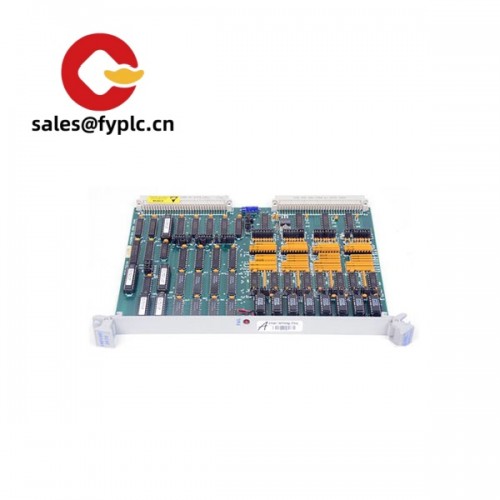
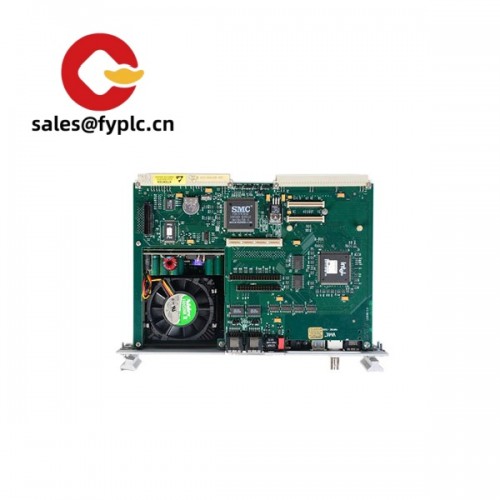
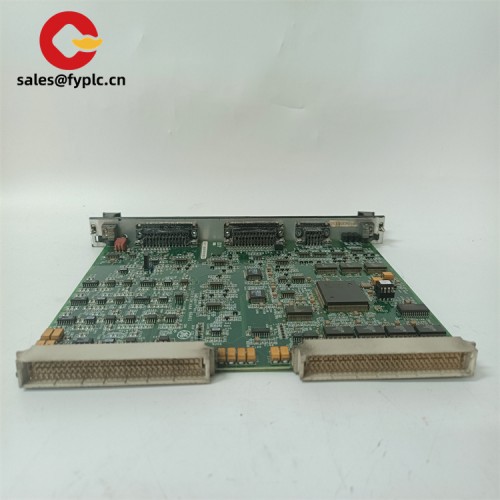
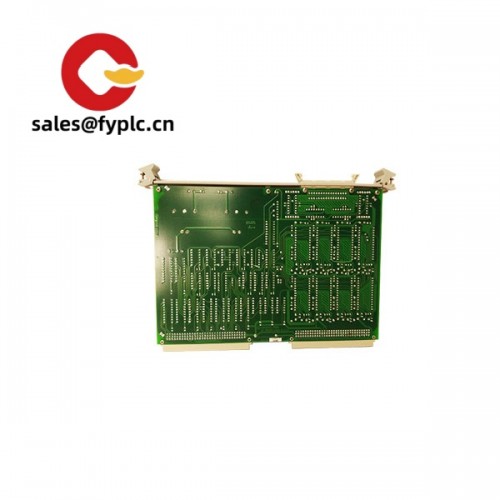
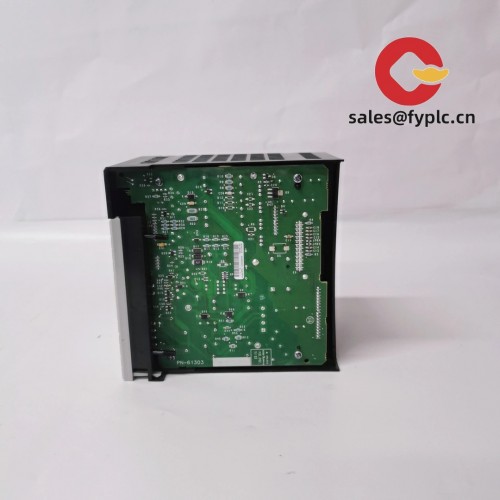
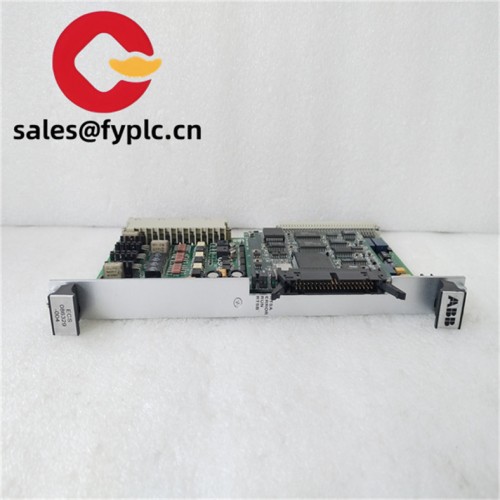
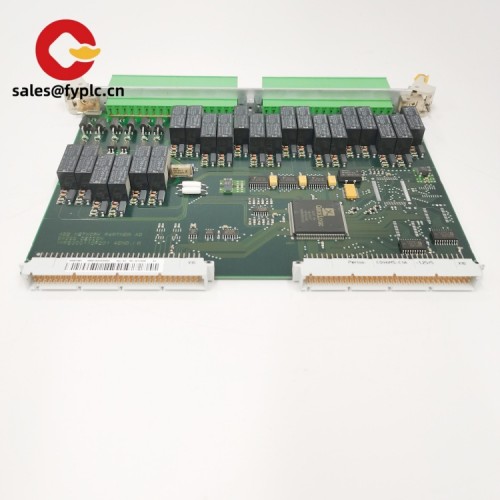
Bently Nevada 3500/20 125760-01 — Rack Interface Module for Turbomachinery Protection Systems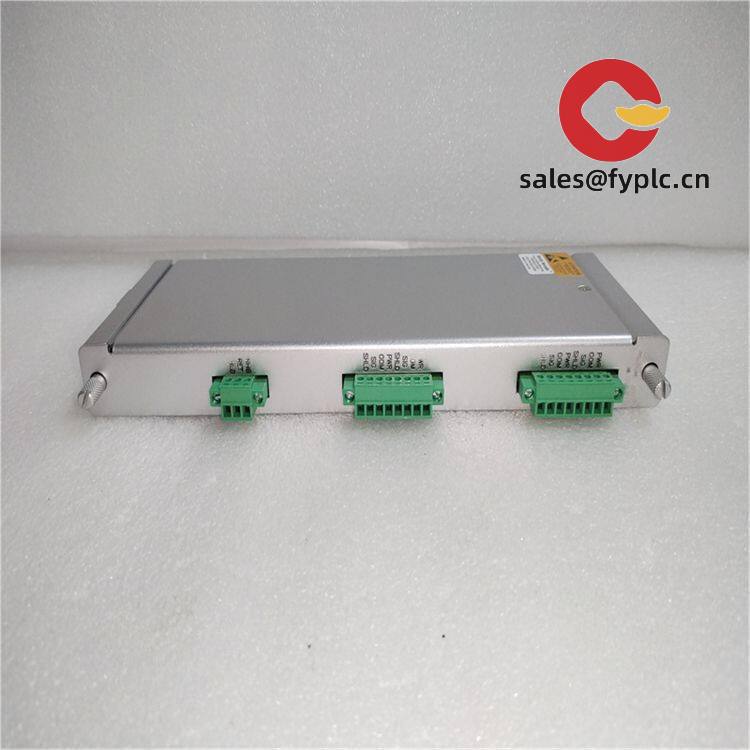
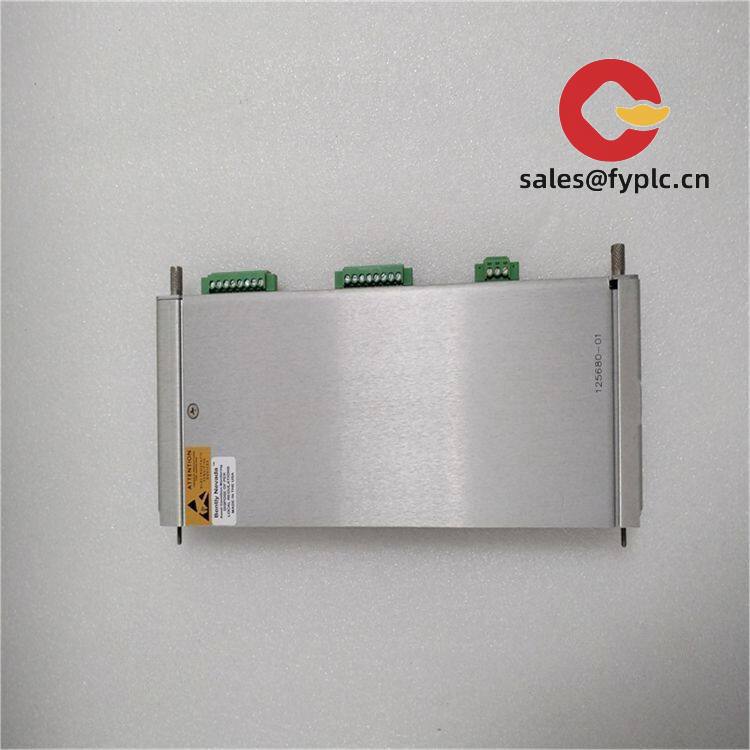
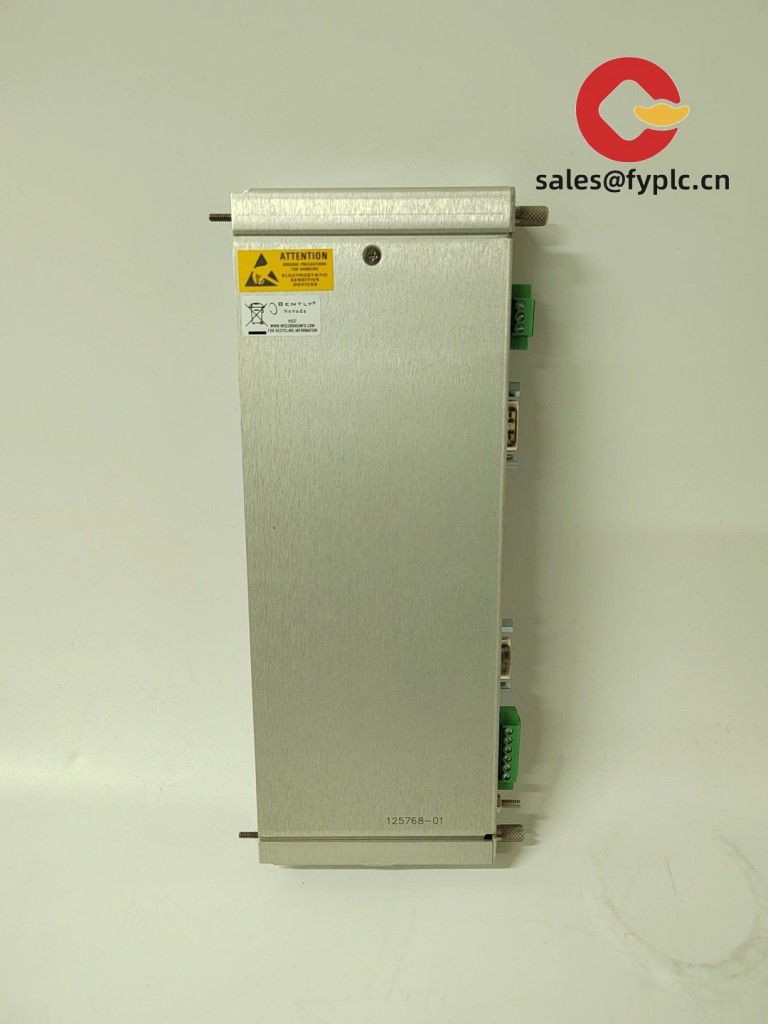
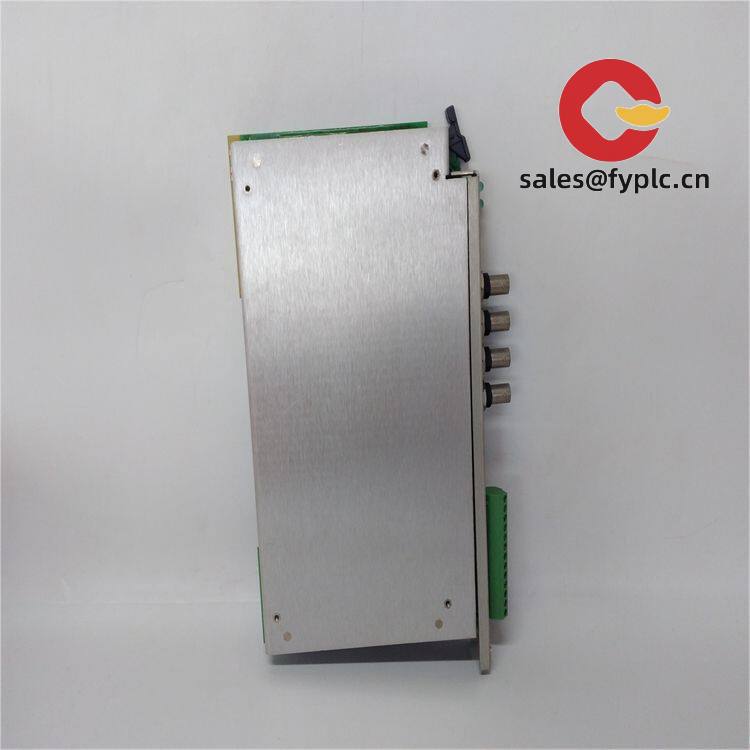
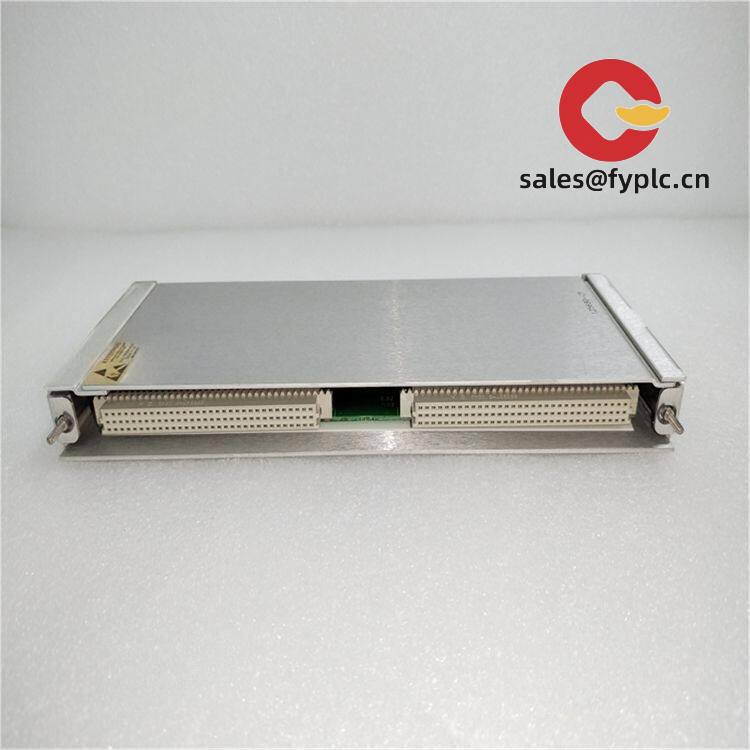
If you’re managing critical rotating equipment—like compressors, turbines, or large pumps—you’re likely already familiar with the Bently Nevada 3500 system. The 3500/20 model (125760-01) acts as the central rack interface module, linking your sensors to the control system and enabling real-time condition monitoring. From my experience, this module tends to be one of those “quiet workhorses” that doesn’t get much attention—until it fails. And when it does, downtime can escalate quickly.
Key Features
- Rack-level communication hub: Manages data flow between I/O modules and host systems via Modbus RTU or Ethernet/IP, depending on configuration. One thing I appreciate is how it simplifies integration with legacy DCS platforms.
- Dual redundant power inputs: Typically wired from separate power conditioners—this improves uptime in plants where power fluctuations are common.
- Hot-swappable design: In many cases, you can replace or service the module without shutting down the rack, which helps during planned maintenance.
- Status diagnostics and LED indicators: Real-time visibility into rack health, network connectivity, and fault conditions. You might notice that the front-panel LEDs make troubleshooting faster during site walkdowns.
- Secure configuration management: Supports password-protected access and firmware locking, which seems to be increasingly important in facilities tightening cybersecurity policies.
Technical Specifications
| Parameter | Specification |
|---|---|
| Brand / Model | Bently Nevada / 3500/20 (125760-01) |
| HS Code | 85371090 |
| Power Requirements | Dual 24 VDC inputs (redundant), typical draw ~120 mA per channel |
| Dimensions & Weight | Standard 19″ rack mount, 5U height; approx. 8.5 kg |
| Operating Temperature | 0°C to 60°C (with derating above 50°C) |
| Signal I/O Types | Digital status signals from 3500 I/O modules (discrete and analog) |
| Communication Interfaces | RS-485 (Modbus RTU), optional Ethernet/IP or Modbus TCP via expansion card |
| Installation Method | DIN-rail or shelf-mounted within 3500 chassis; requires grounding per API 670 standards |
Application Fields
This module is typically found in oil & gas, petrochemical, and power generation facilities where machinery protection is non-negotiable. It’s commonly used on centrifugal compressors, steam turbines, and large electric motors equipped with proximity probes, accelerometers, and speed sensors. In offshore platforms, I’ve seen it deployed in redundant configurations to meet safety integrity level (SIL) requirements. It also integrates well with asset performance management (APM) systems when paired with the right communication gateway.
Advantages & Value
Procurement teams often prioritize compatibility and long-term support when replacing these modules. The 3500/20 maintains backward compatibility with earlier 3500-series I/O, which reduces engineering effort during retrofits. While not the cheapest option on the market, its reliability in harsh environments tends to justify the cost—especially when unplanned shutdowns run into six figures per day. Firmware updates are still actively supported by Baker Hughes (who now manage the Bently Nevada line), so you’re not stuck with obsolete tech. Also worth noting: having a spare on-hand cuts mean time to repair, and we keep most units in stock for fast turnaround.
Installation & Maintenance
The module should be installed in a NEMA 12 or IP54-rated cabinet, ideally climate-controlled. Avoid mounting near high-power VFDs or transformers to minimize EMI interference. Ensure the rack backplane is clean and fully seated—loose connections here are a common cause of intermittent faults. For wiring, use shielded twisted-pair cables grounded at one end only. From my experience, labeling both the module and fiber links early saves hours during commissioning.
Routine checks should include LED status verification, thermal imaging of power terminals, and annual calibration of associated sensors—even if the module itself doesn’t require recalibration. Firmware updates are recommended every 18–24 months unless stability is a higher priority. Always back up configuration files before servicing.
Quality & Certifications
The 3500/20 meets CE, UL, and CSA standards for industrial equipment. It’s compliant with RoHS directives and designed to API 670 guidelines for machinery protection systems. Electromagnetic compatibility (EMC) conforms to EN 61326-1 for industrial environments. Each unit comes with a 365-day warranty, covering defects in materials and workmanship under normal operating conditions.
Ordering Notes: Most units ship within one week if in stock. Delivery takes no more than four weeks otherwise. We accept 50% advance payment, with the balance due before shipment. Express options (FedEx, UPS, DHL) are available for urgent needs.


Reviews
There are no reviews yet.