

Description
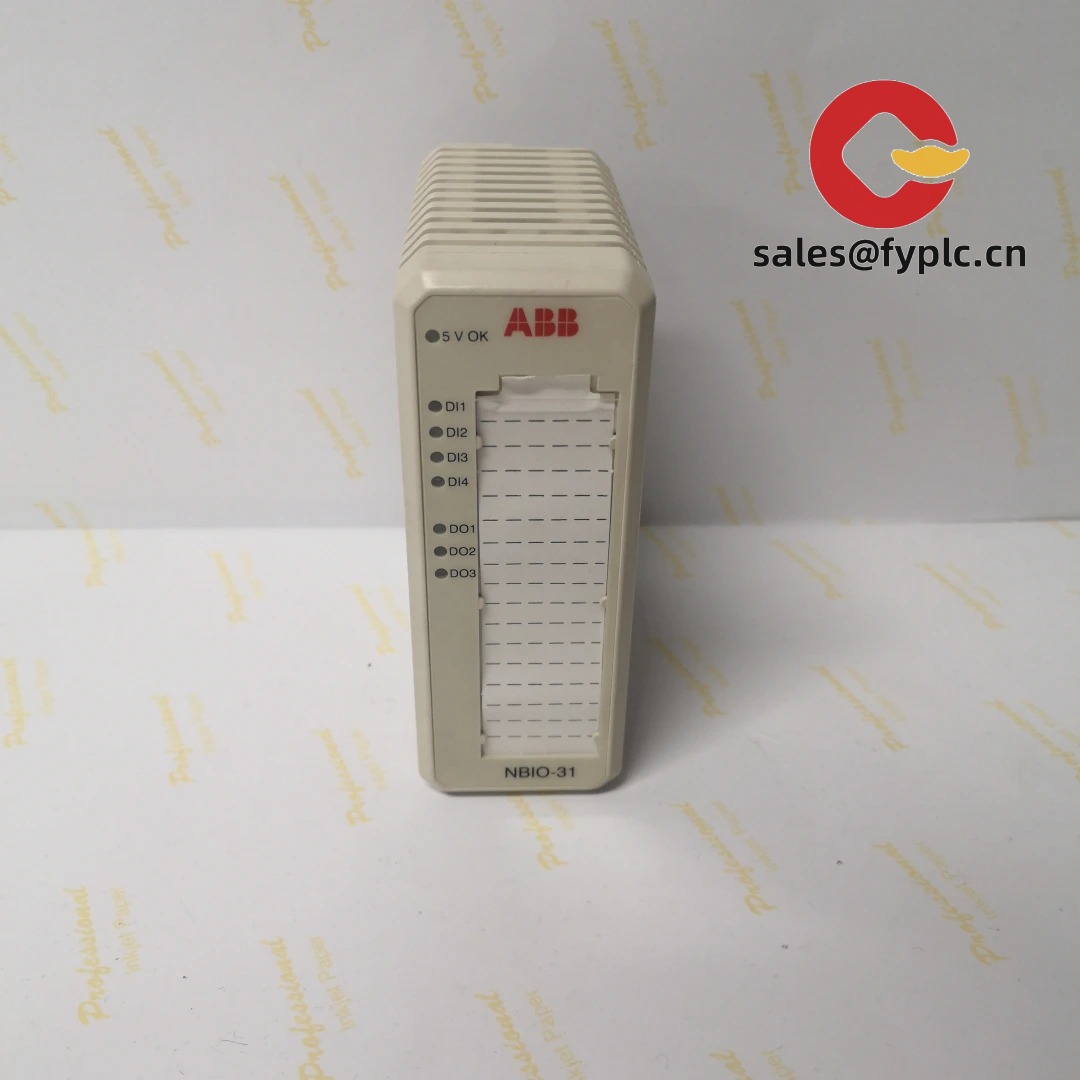
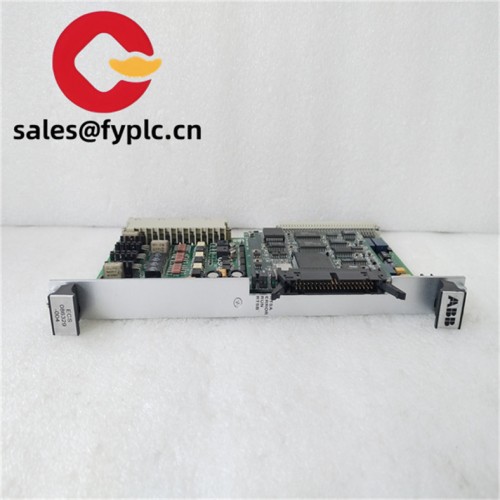
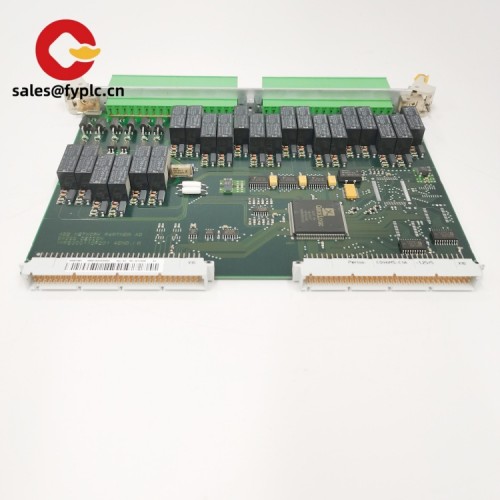
ABB NBIO-21CU — Compact Universal Biometric Reader for Access Control Integration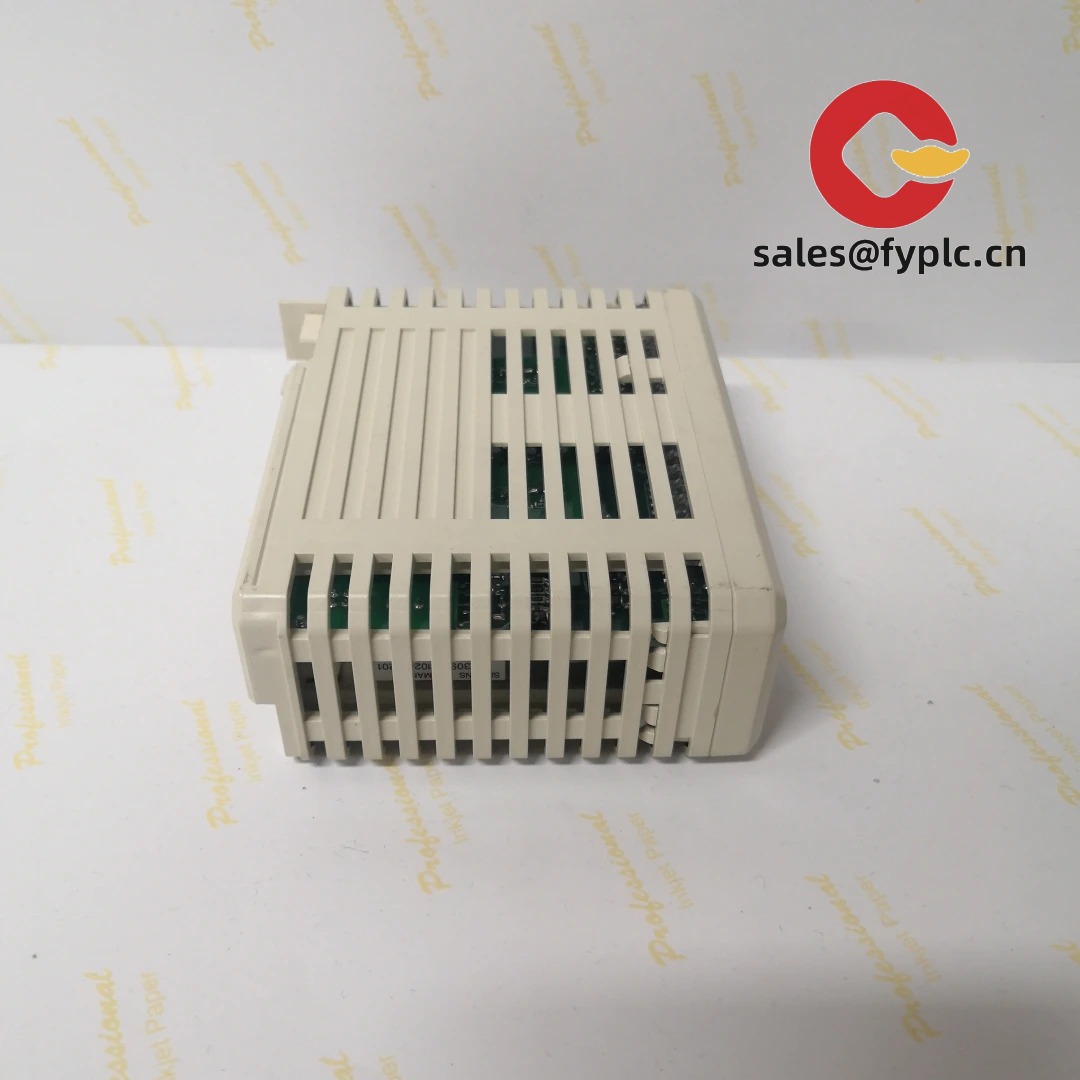
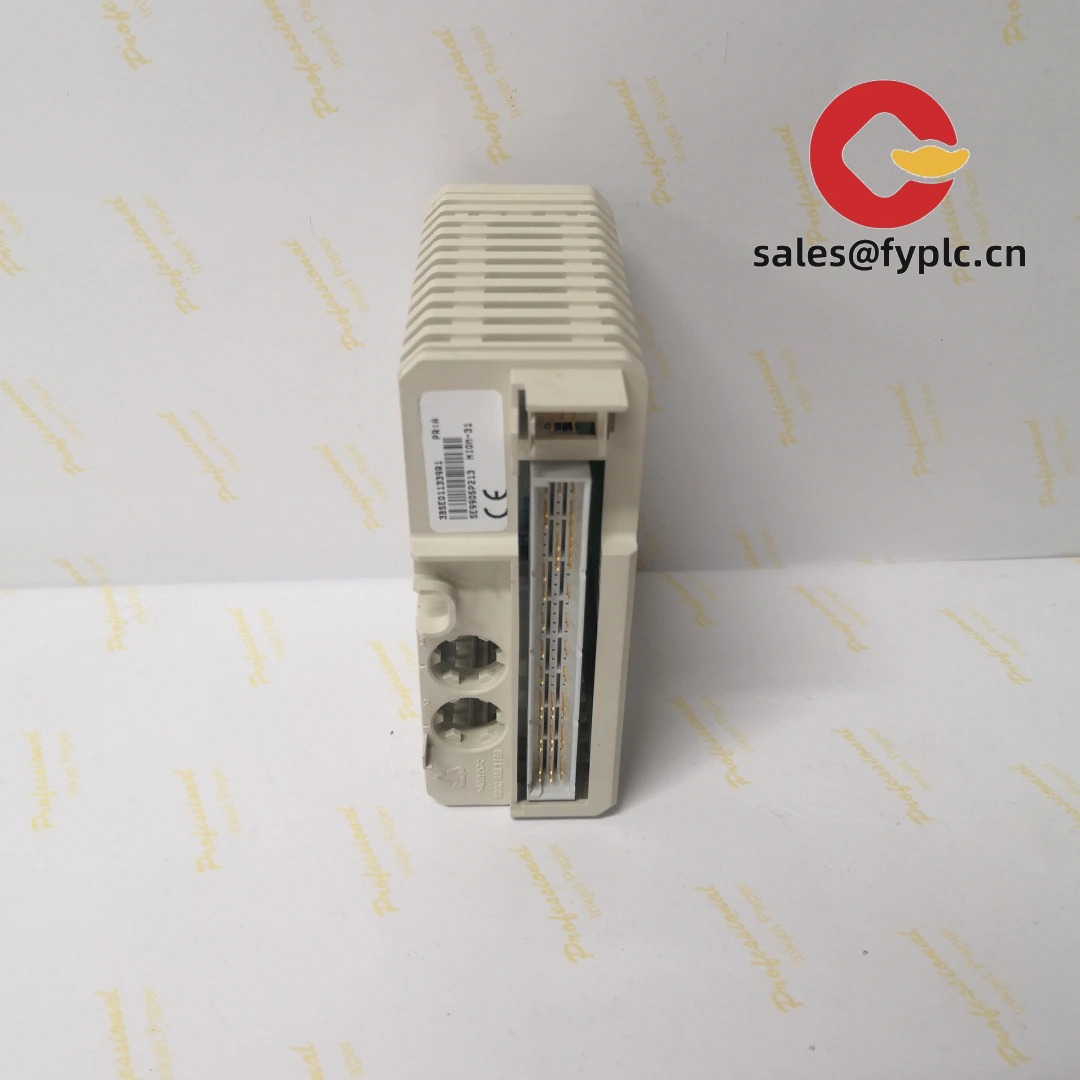
The ABB NBIO-21CU is a DIN-rail–mountable biometric reader designed for seamless integration into industrial and commercial access control systems — especially where space, reliability, and multi-modal authentication matter. It’s not just another fingerprint scanner: it combines optical fingerprint capture with optional proximity card (125 kHz or 13.56 MHz) and PIN verification in a single, ruggedized unit. From my experience supporting integrators across Europe and North America, this model shows up most often in secure utility substations, manufacturing cleanrooms, and logistics gatehouses — places where you can’t afford false rejections *or* unauthorized entries.
One thing I appreciate is how cleanly it bridges legacy Wiegand infrastructure and modern IP-based management platforms. You might notice that unlike many entry-level readers, the NBIO-21CU doesn’t require an external controller to handle template matching — all processing happens onboard, reducing latency and single points of failure.
Key Features
- On-device fingerprint matching: Stores up to 1,000 templates locally (no dependency on server-side matching), which typically cuts verification time to under 0.8 seconds — useful when network latency is unpredictable.
- Dual-frequency RFID support: Works with both low-frequency (EM/MIFARE Classic) and high-frequency (MIFARE DESFire, NTAG) cards — helpful if your site is phasing from older proximity badges to newer contactless credentials.
- Wiegand + RS-485 dual interface: Lets you daisy-chain multiple readers over RS-485 while still feeding standard Wiegand output to existing door controllers — a real time-saver during retrofits.
- IP65-rated front panel: Withstands dust, splashing water, and occasional cleaning with alcohol wipes — we’ve seen it deployed successfully in food processing areas where hygiene protocols are strict.
- DIN-rail mounting + compact footprint (90 × 90 × 55 mm): Fits neatly inside standard 19″ cabinets or junction boxes without crowding terminal blocks or power supplies.
Technical Specifications
Application Fields
This reader shines where physical security meets operational continuity. In many cases, customers use it to upgrade aging magnetic-stripe or keypad systems in:
• Power generation & distribution sites — integrating with SEL or GE UR relays via Modbus for personnel authorization before breaker operation;
• Pharmaceutical manufacturing suites — enforcing GMP-compliant access logs while meeting IP65 washdown requirements;
• Automotive Tier-1 assembly lines — pairing with Siemens Desigo CC or Honeywell Experion for shift-based machine lockdown.
It appears that users who previously tried consumer-grade biometric modules report significantly fewer false rejects after switching — especially in environments with variable lighting or seasonal hand-dryness.
Advantages & Value
From a procurement standpoint, the NBIO-21CU balances cost and capability well — it’s rarely the cheapest option on paper, but tends to lower TCO over 3–5 years. Why? Because its local matching eliminates the need for dedicated biometric servers, its dual-interface design avoids costly gateway hardware, and ABB’s firmware update path (via RS-485) means no site visits for routine patches. Several clients have told us they recouped the premium over generic readers within 14 months — mostly through reduced helpdesk tickets and faster incident investigations (thanks to tamper-proof audit trails).
Installation & Maintenance
Install it in a standard 19″ cabinet with ≥100 mm clearance above/below for airflow — avoid direct sunlight exposure on the sensor window. Wiring should follow IEC 60204-1: separate low-voltage signal cables from AC power runs by at least 200 mm (or use shielded twisted pair if parallel routing is unavoidable). Ground the chassis terminal firmly — poor grounding is the top cause of intermittent Wiegand noise we see in field reports.
For maintenance: wipe the optical surface weekly with a microfiber cloth (no solvents), verify template accuracy quarterly using test fingers from different age groups, and schedule firmware updates every 6 months — ABB typically releases 1–2 minor revisions per year addressing edge-case match failures or Modbus timing quirks.
Quality & Certifications
Certified to CE (EN 61000-6-2/6-4), UL 294 (Access Control Systems), RoHS 3 (2015/863/EU), and IP65. ABB backs it with a standard 365-day warranty — covering parts, labor, and return shipping for verified defects. Firmware support remains active for at least 7 years post-discontinuation, per ABB’s industrial product lifecycle policy.
Our Order Placement Process and Guarantees
- Warranty period: 365 days from date of delivery
- Delivery time: 1 week for in-stock units; no more than 30 days for configured orders
- Payment terms: 50% advance payment, balance due before shipment
- Express delivery: FedEx, UPS, or DHL — tracking provided automatically
Reviews
There are no reviews yet.