
Description
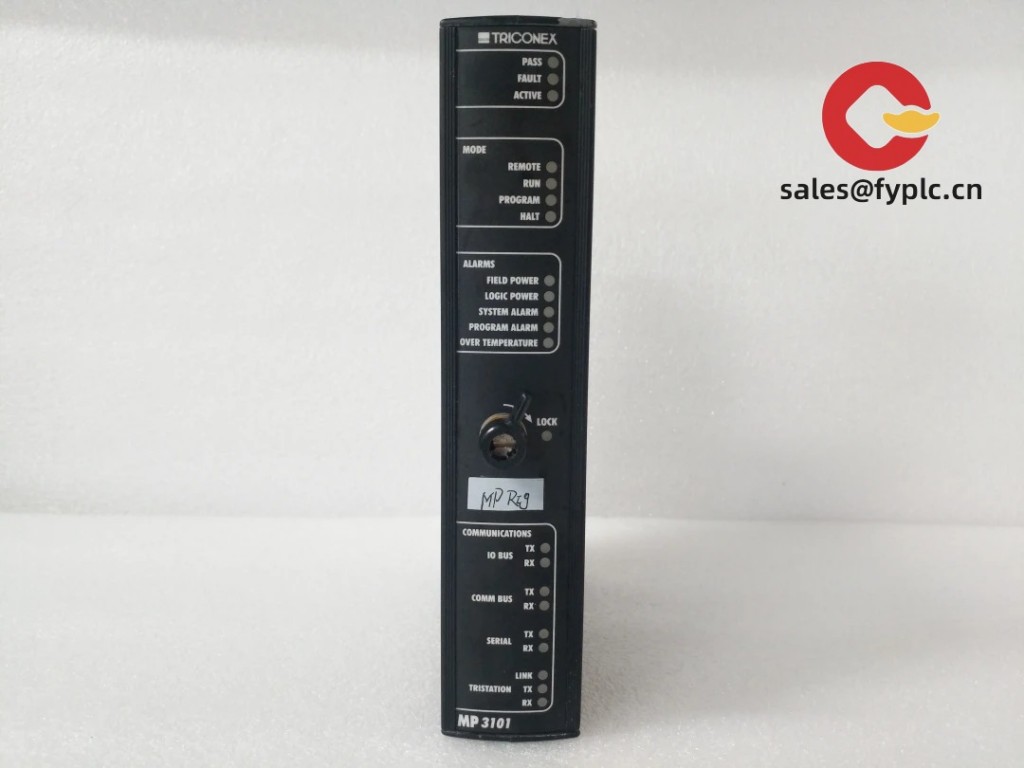
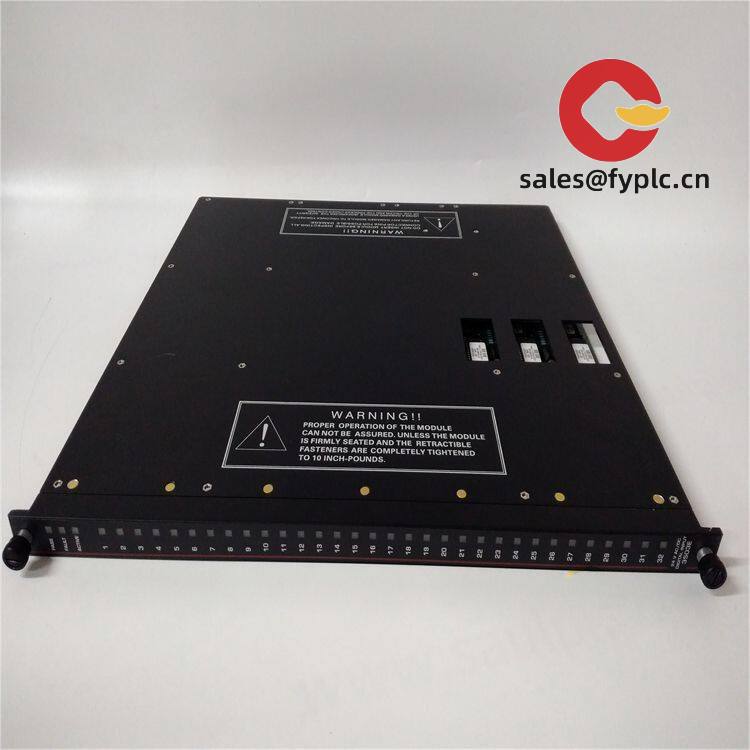
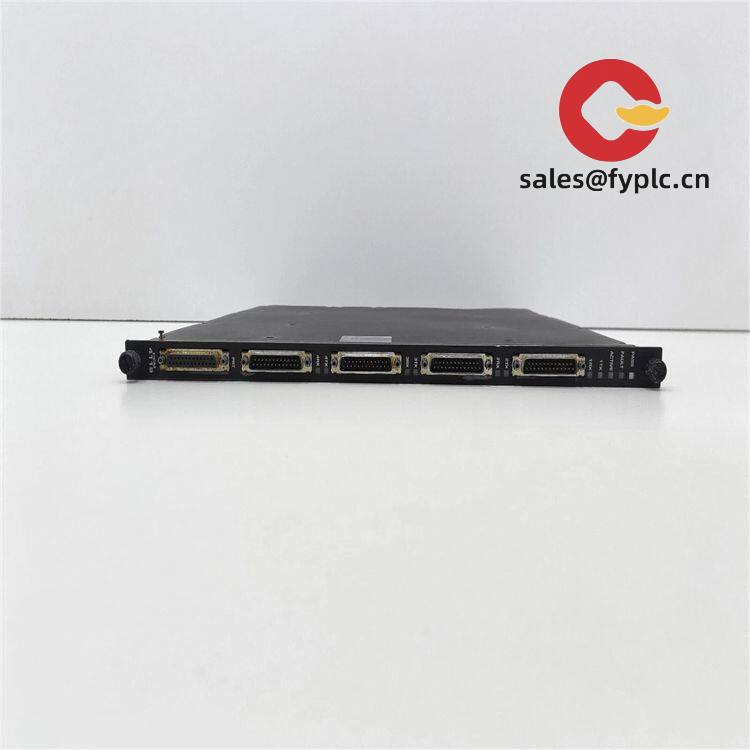
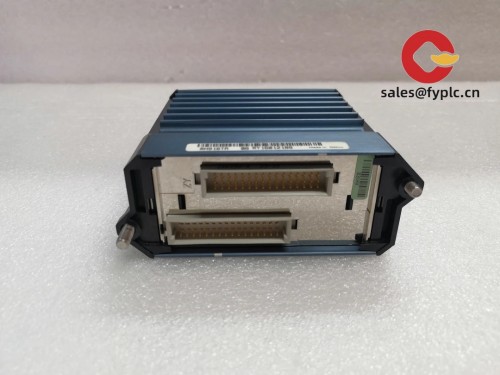
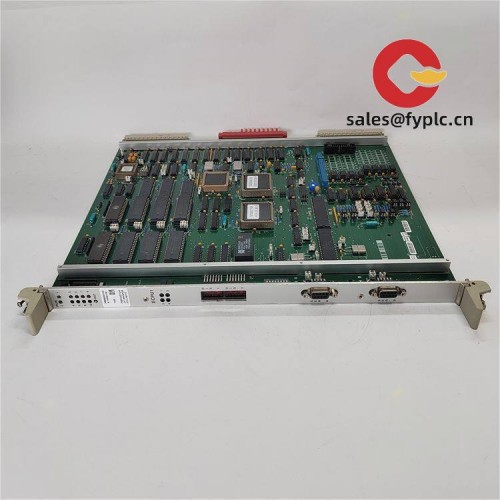
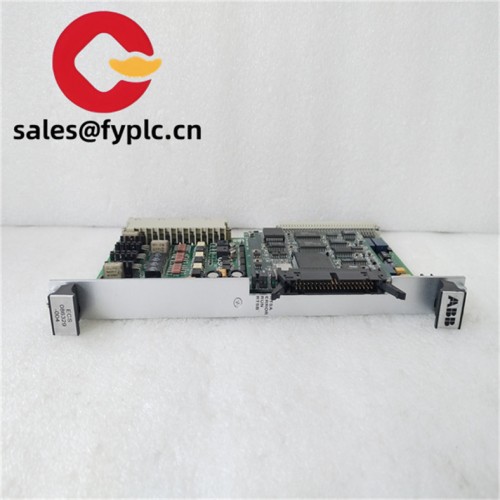
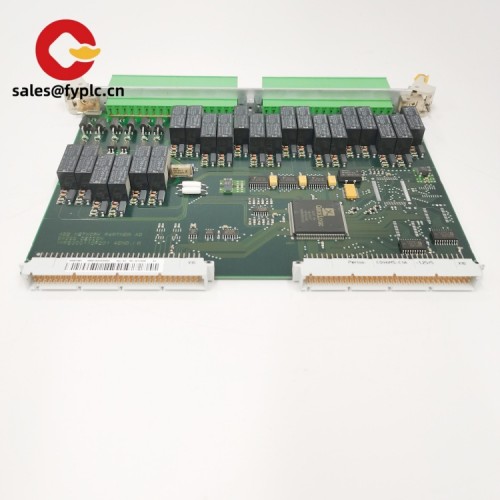
Triconex 3301 — High-Integrity Analog Input Module for Safety-Critical Process Monitoring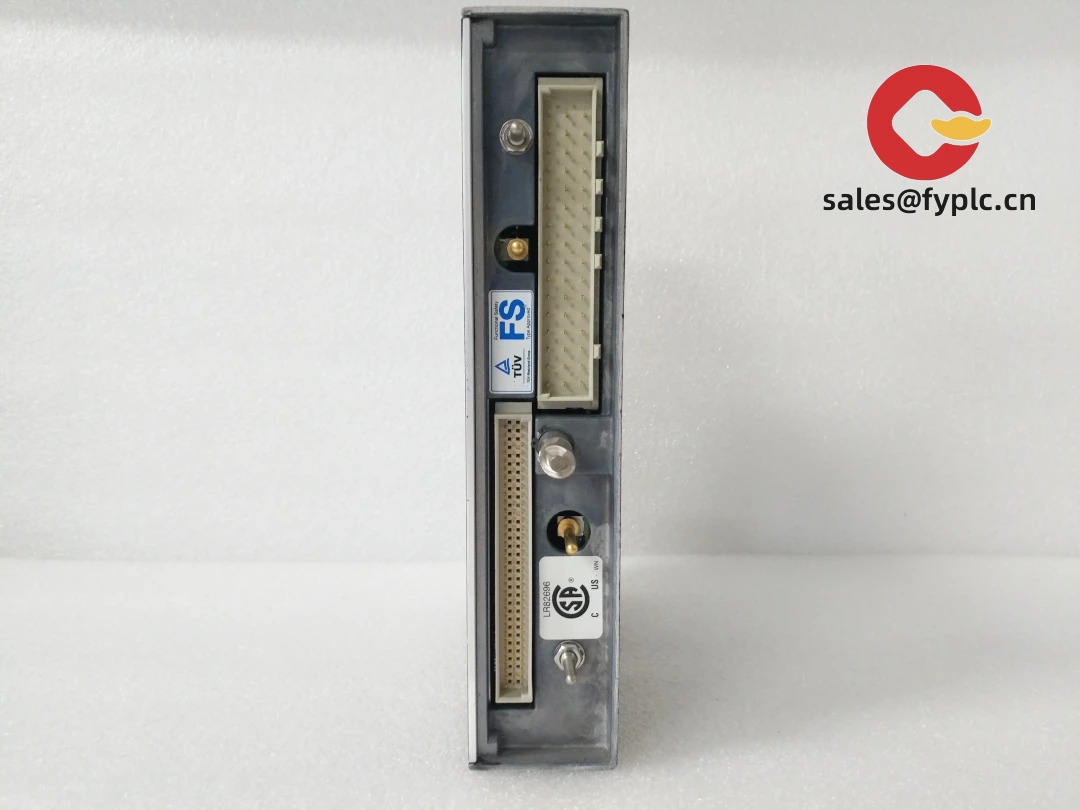
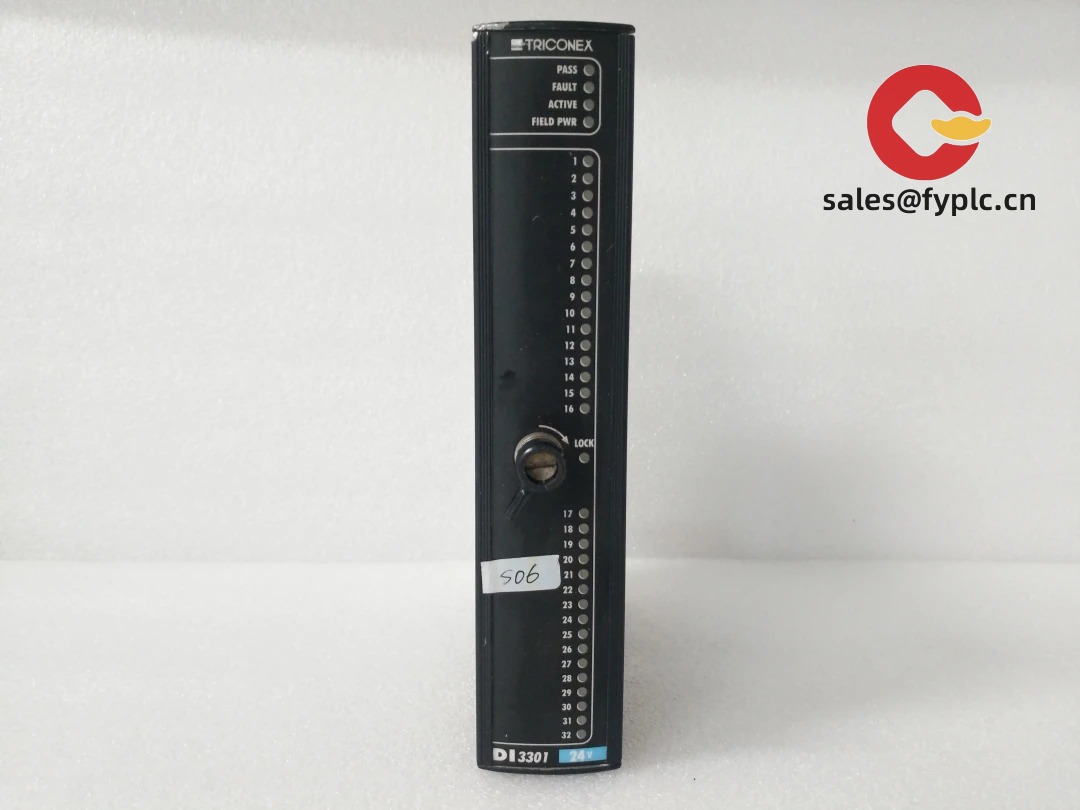
One thing I appreciate is how the Triconex 3301 fits into real-world safety instrumented systems (SIS) without forcing engineers to over-engineer the rest of the architecture. It’s not just another analog input card—it’s a TÜV-certified, triple-modular-redundant (TMR) module designed specifically for continuous monitoring of critical process variables like temperature, pressure, flow, and level in hazardous or high-consequence environments. From my experience supporting refineries and chemical plants, this module often replaces older 3008 or 3012 variants when customers need tighter diagnostic coverage and better noise immunity—especially where 4–20 mA loops run alongside high-voltage motor drives.
Key Features
- TMR architecture with automatic fault masking: Continues operation even if one of the three independent channels fails—no manual switchover needed. In many cases, this eliminates unplanned shutdowns during sensor drift or wiring faults.
- Configurable 4–20 mA input with HART pass-through: Supports both conventional current loop reading and bidirectional HART communication for field device diagnostics—useful when integrating smart transmitters without adding separate HART multiplexers.
- Built-in loop power supply (24 VDC ±10%): Powers two-wire transmitters directly, reducing external power supply dependencies. You might notice that this simplifies cabinet layout—especially in retrofit projects where space is tight.
- Real-time channel diagnostics: Detects open-circuit, short-circuit, over-range, under-range, and excessive noise—each reported individually via TriStation software. A client in Louisiana recently caught a failing thermocouple junction before it triggered a false trip, thanks to early “high noise” alerts.
- Hot-swappable with full state retention: Can be replaced under power without disturbing other modules or requiring SIS logic reinitialization—a small detail, but one that saves hours during maintenance windows.
Technical Specifications
| Parameter | Specification |
|---|---|
| Brand / Model | Triconex 3301 |
| HS Code | 8537.10.90 (Control panels for industrial use, with built-in microcontrollers) |
| Power Requirements | Supplied from Triconex backplane (5 VDC @ ~1.2 A typical); no external power required |
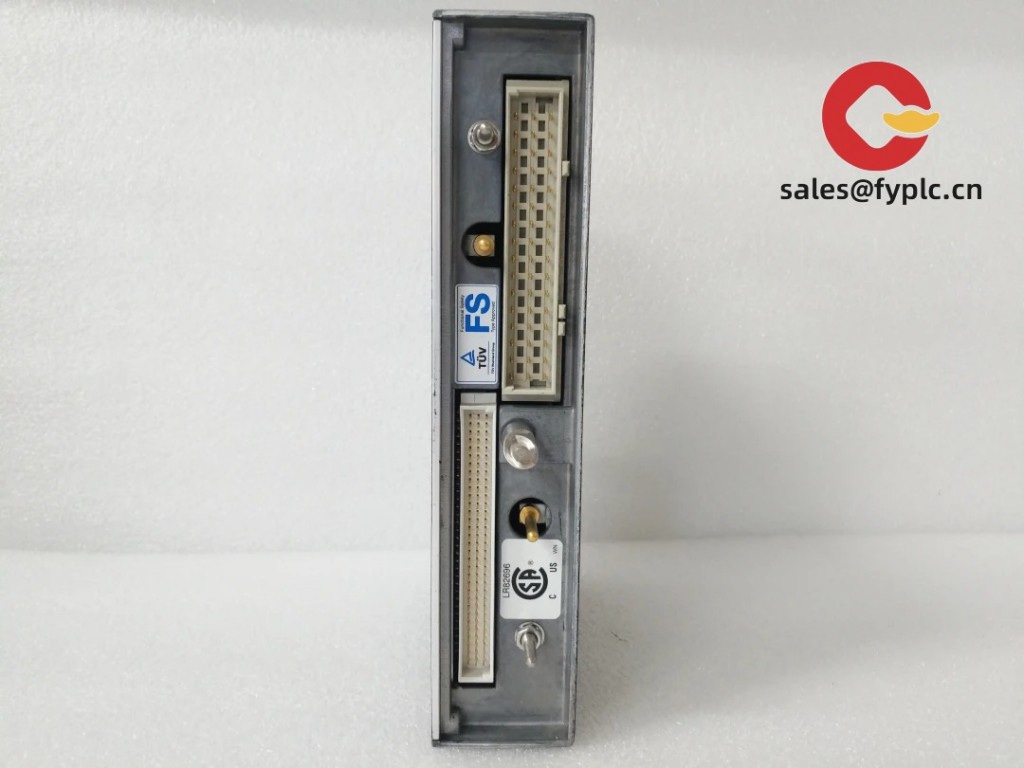
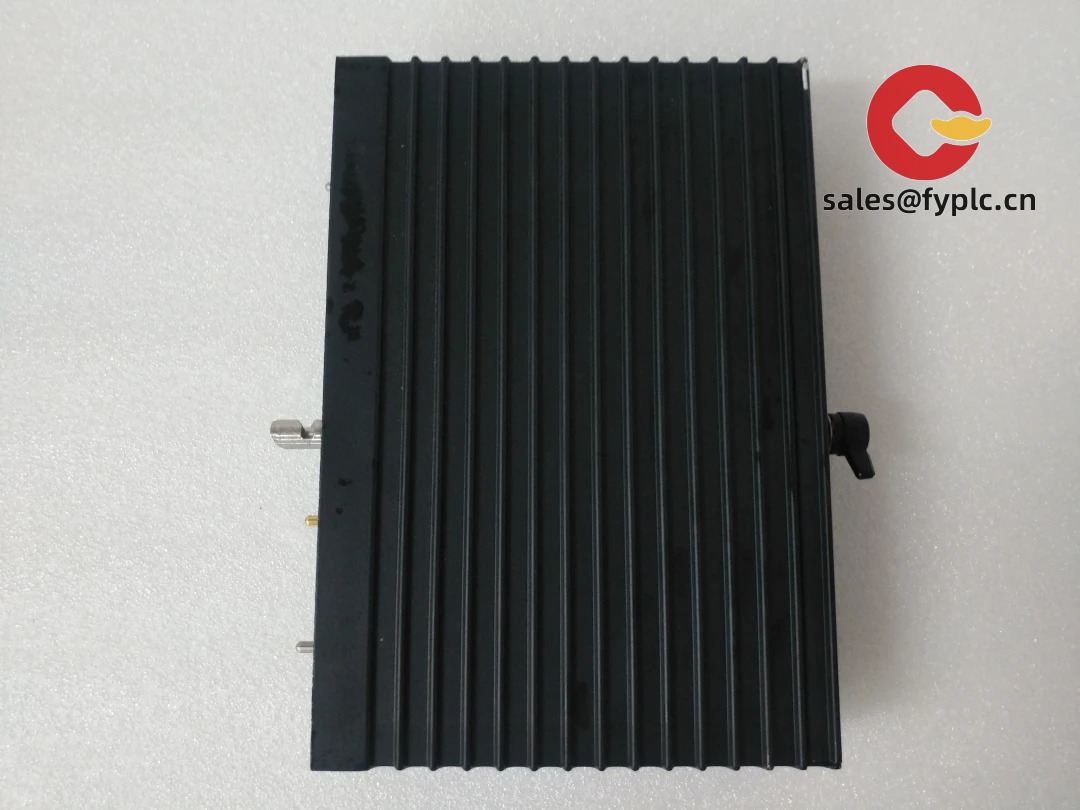
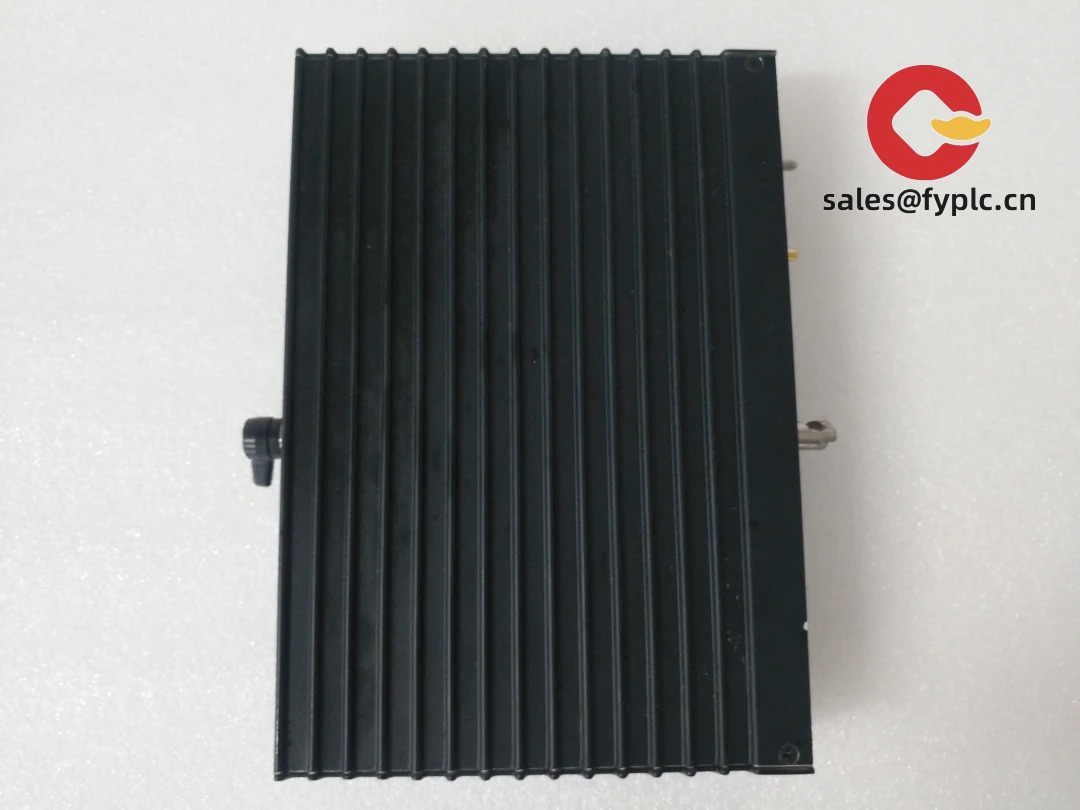
| Dimensions & Weight | 220 mm × 120 mm × 45 mm (H×W×D); ~580 g |
| Operating Temperature | 0 °C to +60 °C (derated above 45 °C in high-density cabinets) |
| Signal Input Type | Eight isolated 4–20 mA inputs (HART-capable), configurable per channel |
| Communication Interface | Integrated into Triconex TMR architecture via backplane; accessed via TriStation 1131 or DDE/OPC servers |
| Installation Method | DIN-rail mounted in Triconex-compatible chassis (e.g., TRICON, Trident, or newer TX series) |
Application Fields
The 3301 shows up most often where failure has serious operational or regulatory consequences: offshore platforms monitoring flare stack backpressure, pharmaceutical cleanroom HVAC interlocks, LNG liquefaction trains watching cryogenic level sensors, and pulp & paper boiler drum level protection systems. It’s less common in batch control or non-safety PLC applications—those usually lean toward standard I/O from Siemens or Rockwell. One customer in Rotterdam told us they chose the 3301 over a competing SIL3-rated module because its per-channel HART support let them reuse existing smart pressure transmitters without rewiring or adding gateways.
Advantages & Value
From a procurement standpoint, the value isn’t just in the module itself—it’s in how it reduces downstream cost and risk. Because it’s part of the Triconex ecosystem, engineering effort stays low: same configuration tools, same diagnostic workflows, same spare parts logistics. Compatibility with legacy TRICON systems means you’re not forced into a full platform refresh. And while list price sits above generic analog cards, the TMR redundancy and certified SIL3 capability typically avoid the need for external voting logic or redundant controllers—so total installed cost often balances out. Warranty and lead time are also practical differentiators: 365-day coverage, and if it’s in stock (which it usually is for core SKUs), delivery hits your dock in under a week.
Installation & Maintenance
Mount only in Triconex-approved cabinets meeting NEMA 12/IP54 standards, with minimum 100 mm clearance above/below for convection cooling. Avoid routing 4–20 mA cables parallel to AC power lines—use shielded twisted pair and ground shields at the module end only. For maintenance: verify loop integrity annually using TriStation’s “Channel Test” utility; clean dust filters every 6 months in dusty environments; firmware updates are rare (last major revision was v4.2.1 in 2022), but always validate against Triconex’s published release notes before applying. Note: calibration isn’t user-performed—the module uses factory-trimmed references traceable to NIST standards.
Quality & Certifications
Certified to IEC 61508 SIL3 (TÜV Rheinland Certificate No. 99 01 100 0100), IEC 61511, and ATEX/IECEx for use in Zone 2/Class I Div 2 areas when installed per Triconex System Design Guide. Compliant with UL 61010-1, RoHS 2011/65/EU, and ISO 9001:2015 (manufactured under Emerson’s quality system). Standard warranty is 365 days from shipment date—covers defects in materials and workmanship, including return shipping for verified failures. Extended service agreements are available but rarely needed; field failure rate over the past five years sits below 0.7% according to Emerson’s reliability database.

Reviews
There are no reviews yet.