
Description
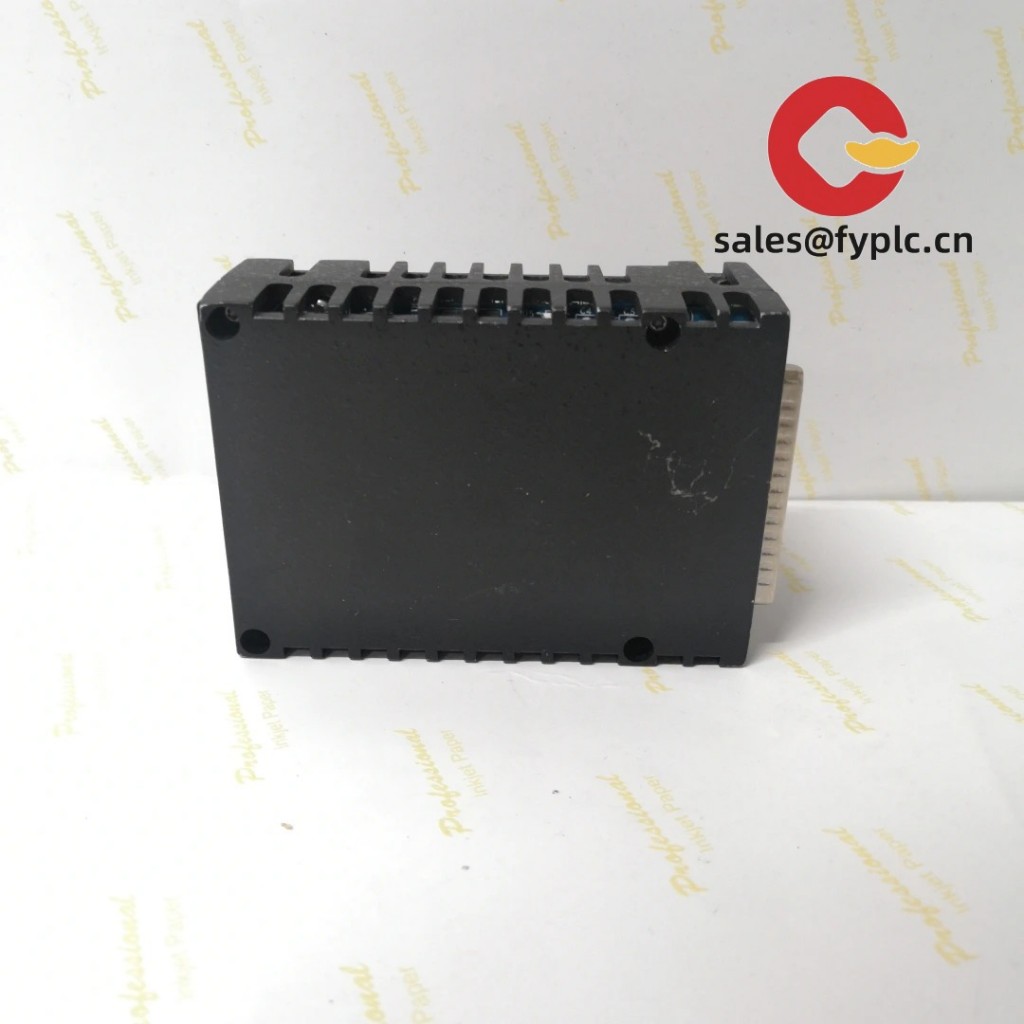
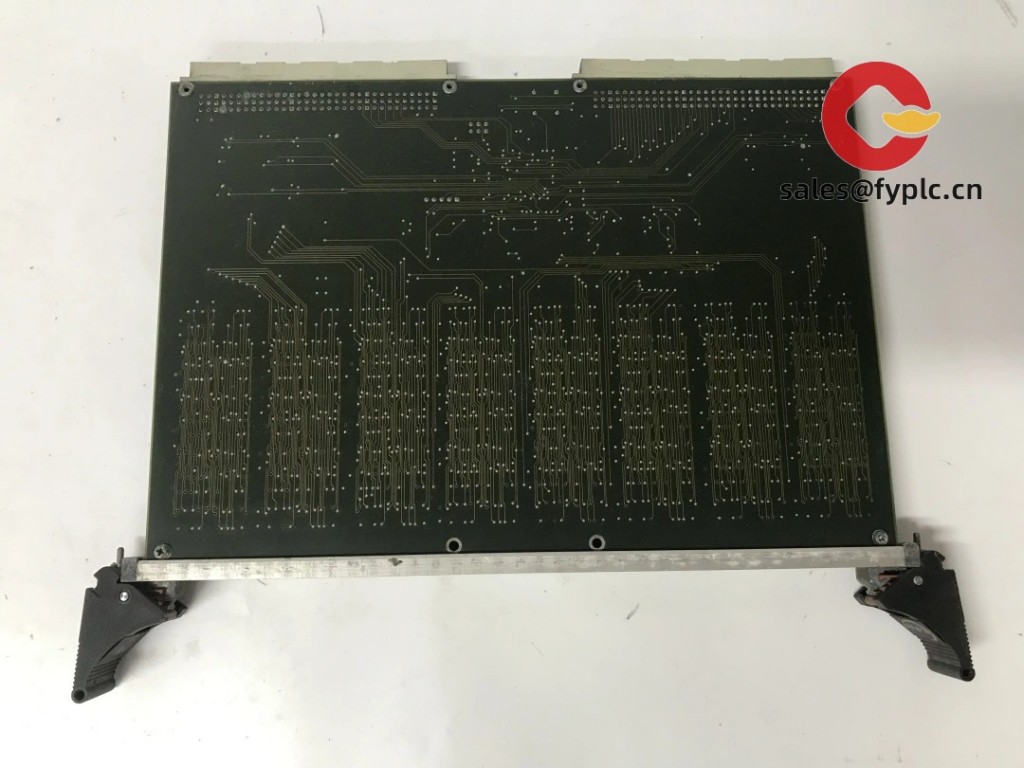
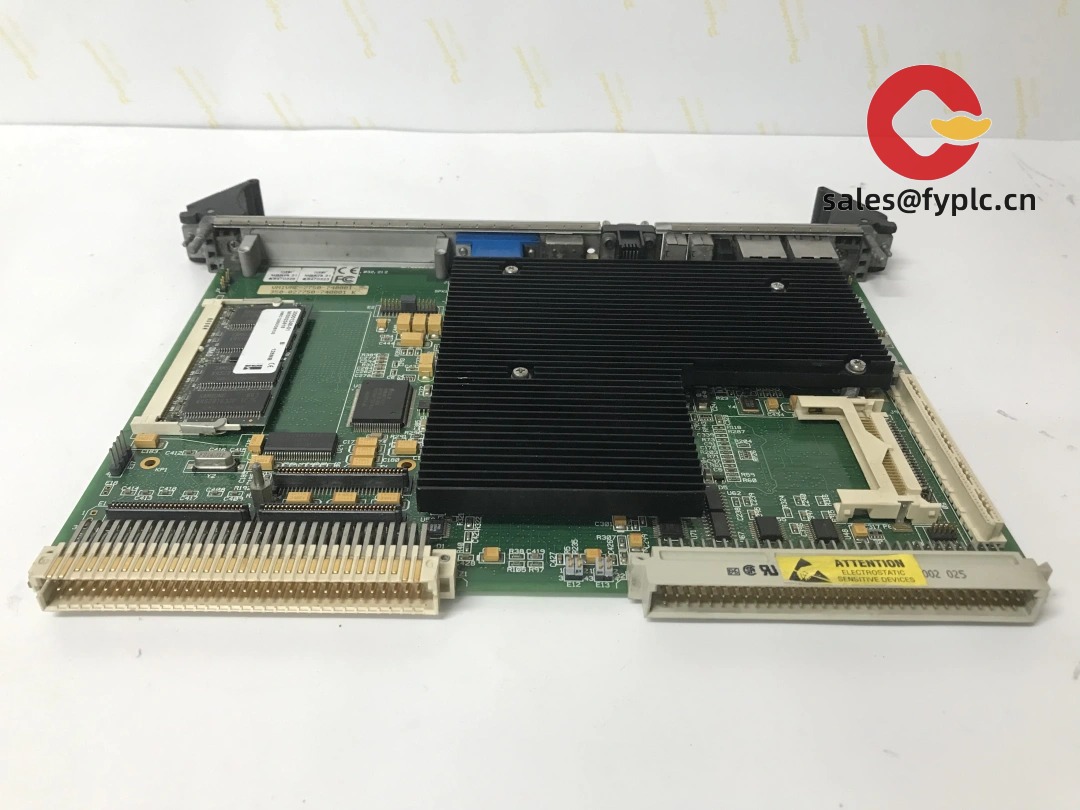
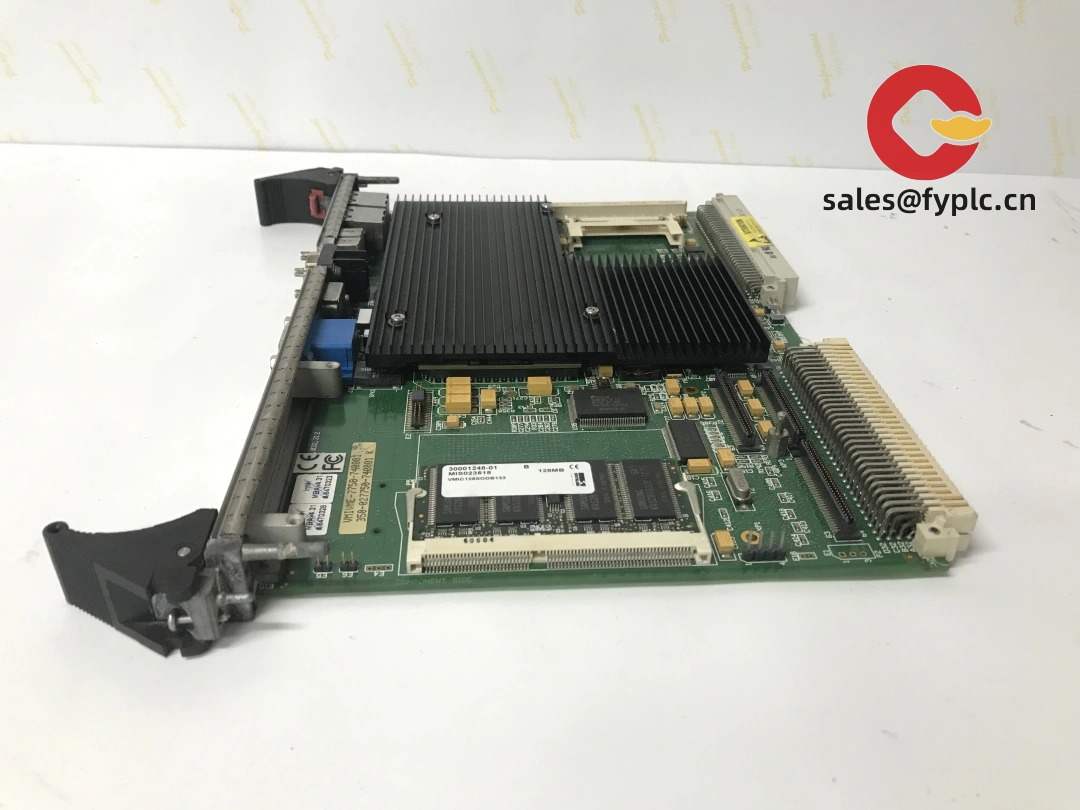
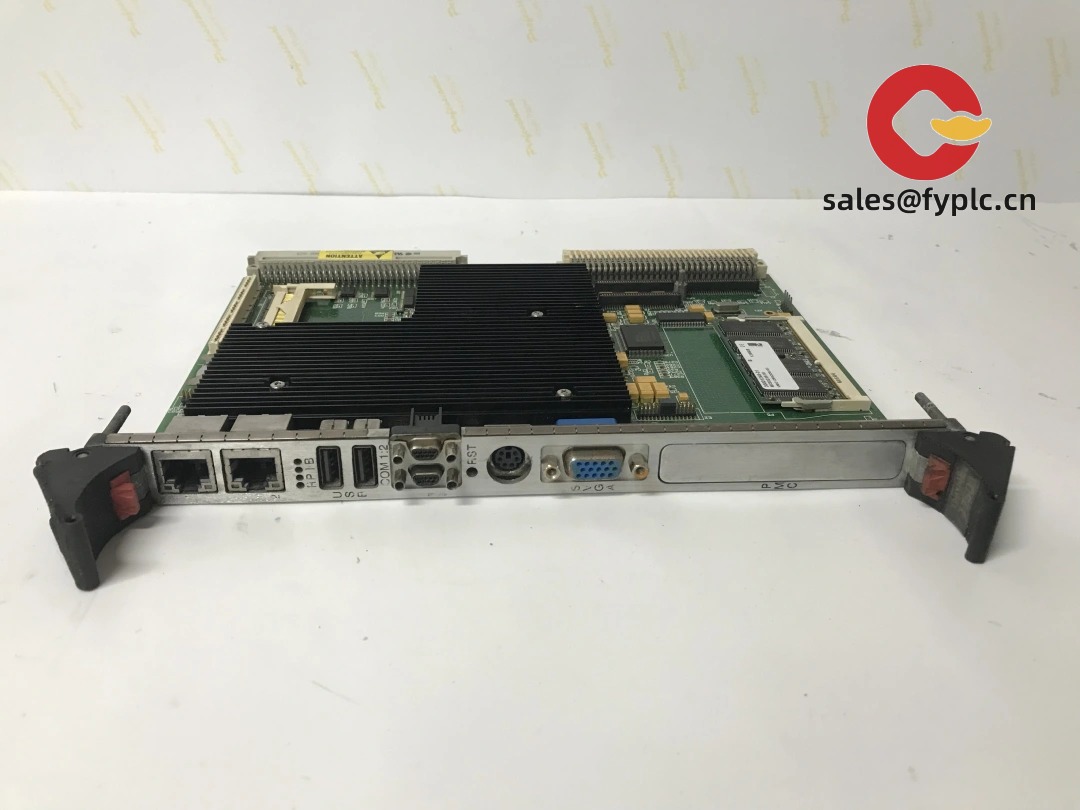
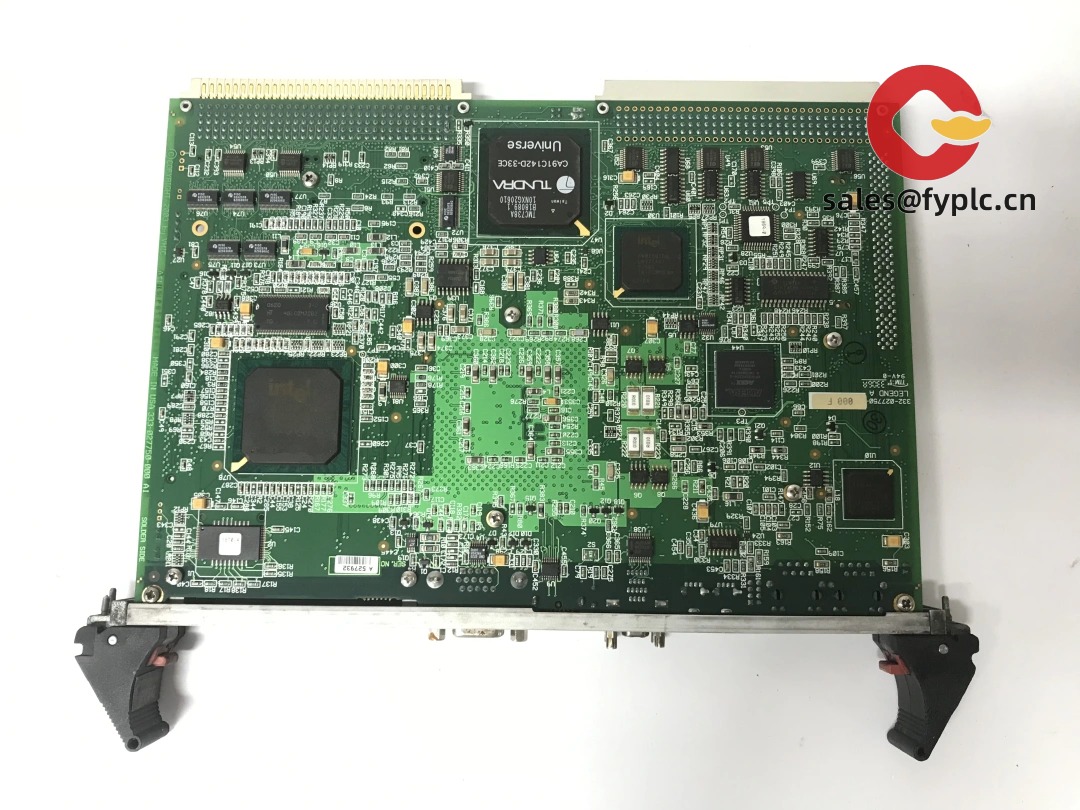
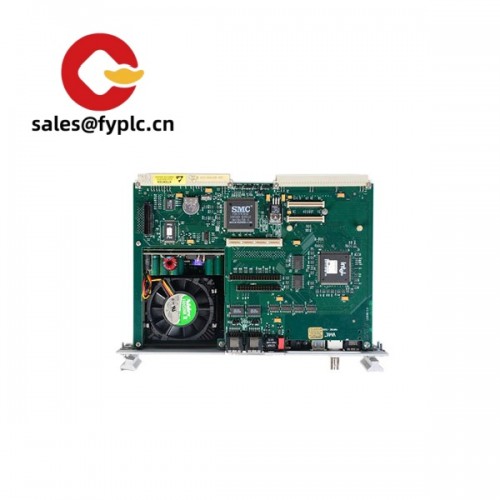
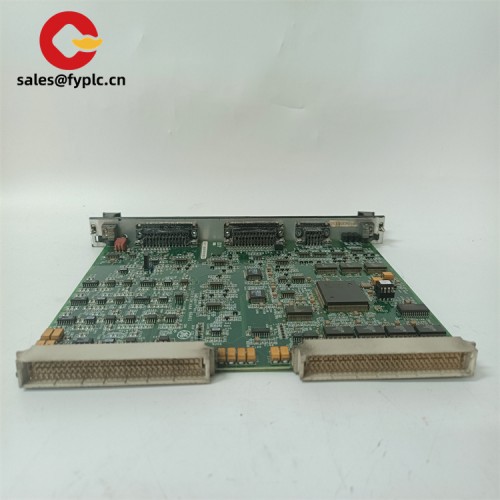
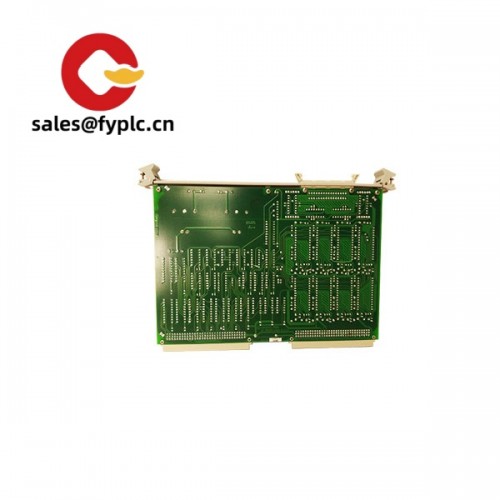
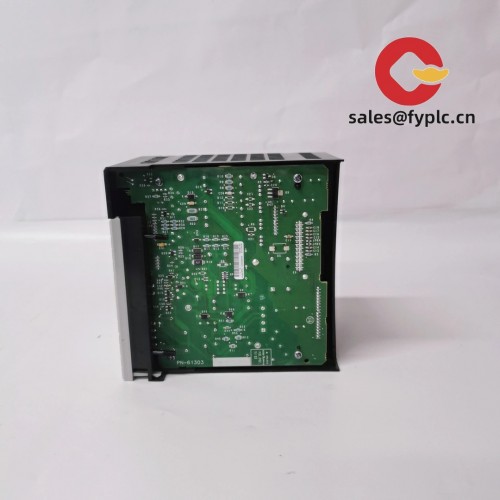
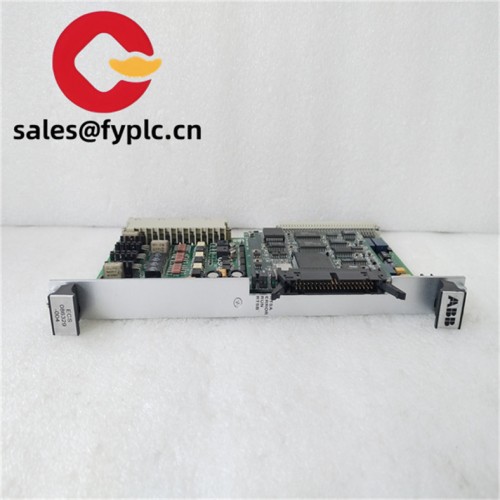
GE VMIVME-7750 — High-Reliability VMEbus CPU Module for Real-Time Industrial Control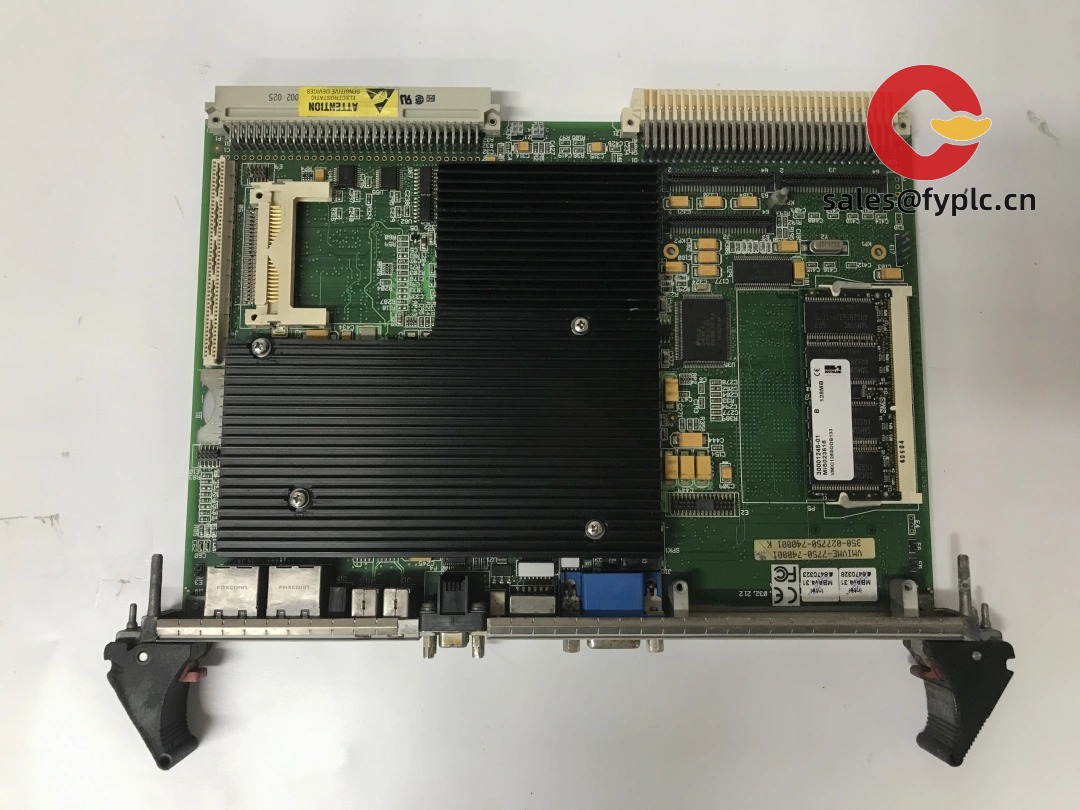
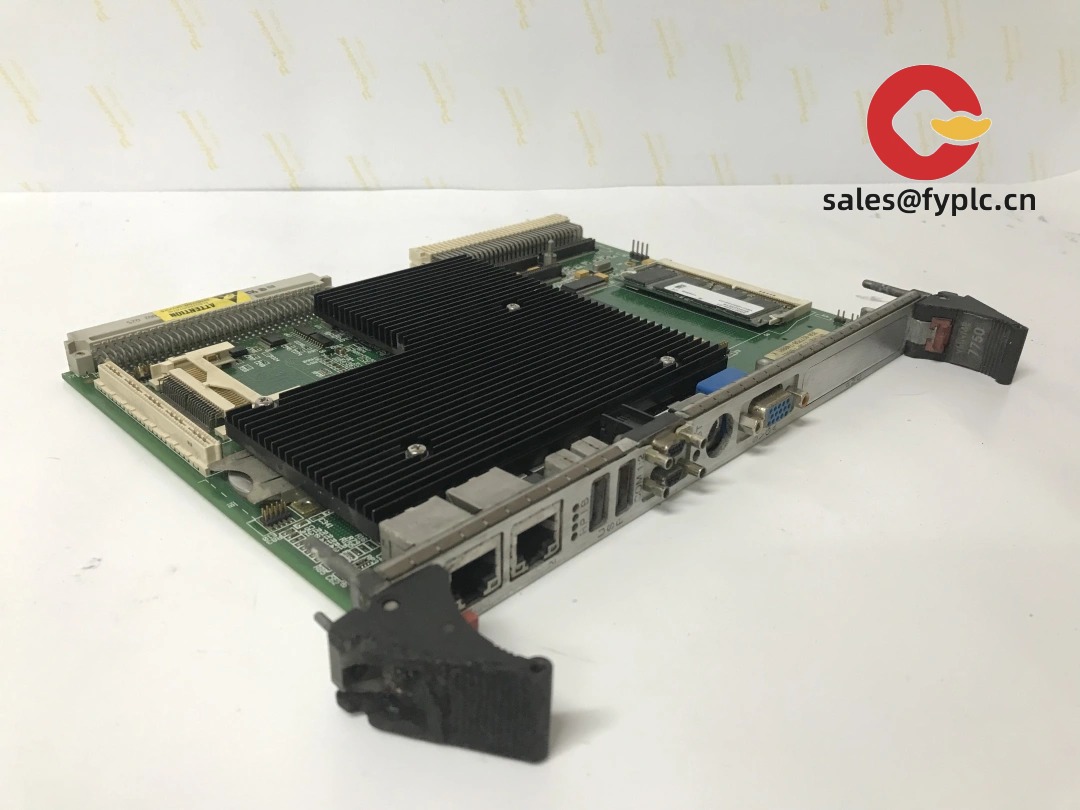
It’s not every day you find a VMEbus CPU module that still ships with active factory support—and the GE VMIVME-7750 is one of those rare holdouts. Built around the PowerPC 7400 (G4) processor and designed for deterministic real-time performance, this board has quietly powered missile guidance simulators, nuclear plant I/O subsystems, and rail signaling cabinets since the early 2000s. From my experience supporting legacy control upgrades, it’s often the last remaining “known good” node in aging VME chassis—especially where LinuxPPC or VxWorks 6.9 environments are locked in.
Key Features
- PowerPC 7400 @ 500 MHz — Delivers ~950 MIPS; sufficient for hard real-time loop execution under VxWorks or RTEMS, even with multiple concurrent serial and timer tasks.
- VME64x-compliant bus interface — Supports A16/A24/A32 addressing, D16/D32 data transfers, and full master/slave DMA — critical when interfacing with legacy I/O crates like VMIC’s 3210 or Force’s F100 series.
- Onboard 256 MB SDRAM + 32 MB Flash — Enough space for dual-boot firmware images and a compact real-time OS; flash layout typically includes RedBoot or VxWorks bootrom partitions.
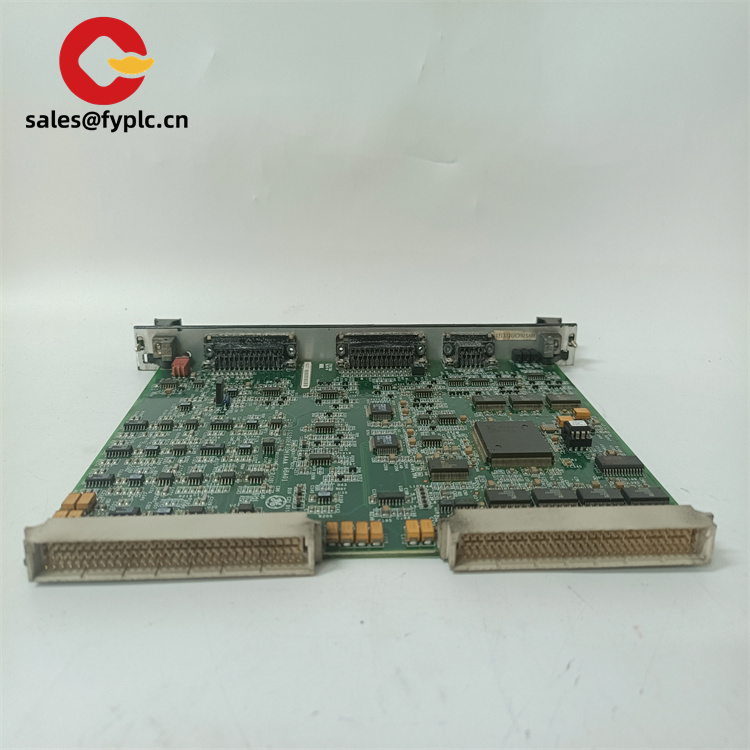
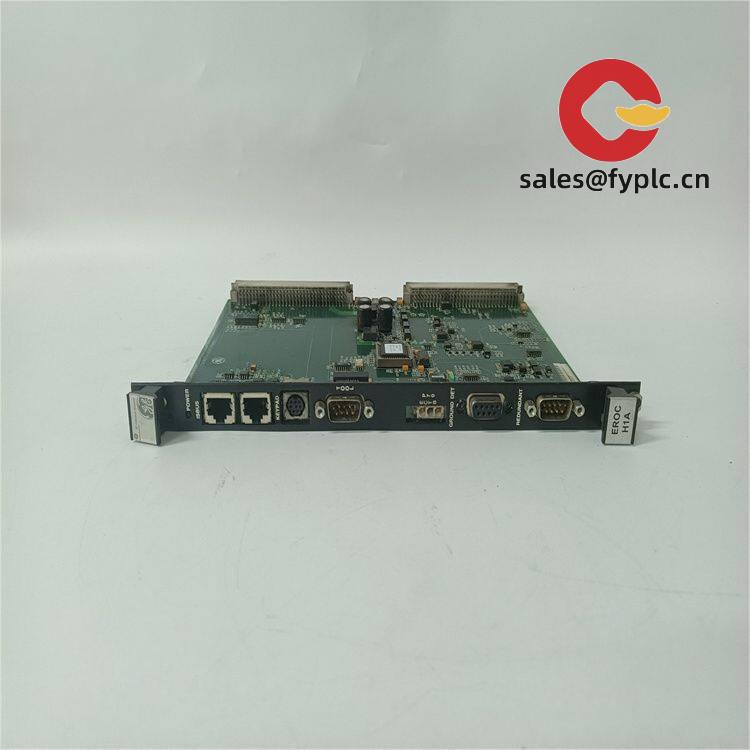
- Integrated peripherals — Two 10/100 Ethernet ports (one front-panel, one P2), four RS-232/422 UARTs (with RTS/CTS), two USB 1.1 ports, and a watchdog timer with NMI output — no need for carrier add-ons in most cabinet deployments.
- Extended temperature range support — Industrial-grade version (like this -740001-350-02 variant) operates reliably from –20°C to +70°C ambient — something you’ll notice matters when mounted next to a 3 kW servo drive in an uncooled substation cabinet.
Technical Specifications
| Parameter | Specification |
|---|---|
| Brand / Model | GE / VMIVME-7750-740001-350-02 |
| HS Code | 8537.10.90 (Control panels incorporating microcontrollers, for industrial use) |
| Power Requirements | +5 VDC (typical draw: 3.2 A), +3.3 VDC (0.8 A); supports VMEbus backplane power only — no auxiliary connectors needed |
| Dimensions & Weight | Single-slot (3U), 100 mm × 160 mm × 22 mm; ~240 g |
| Operating Temperature | –20°C to +70°C (industrial grade; derating applies above 60°C with poor airflow) |
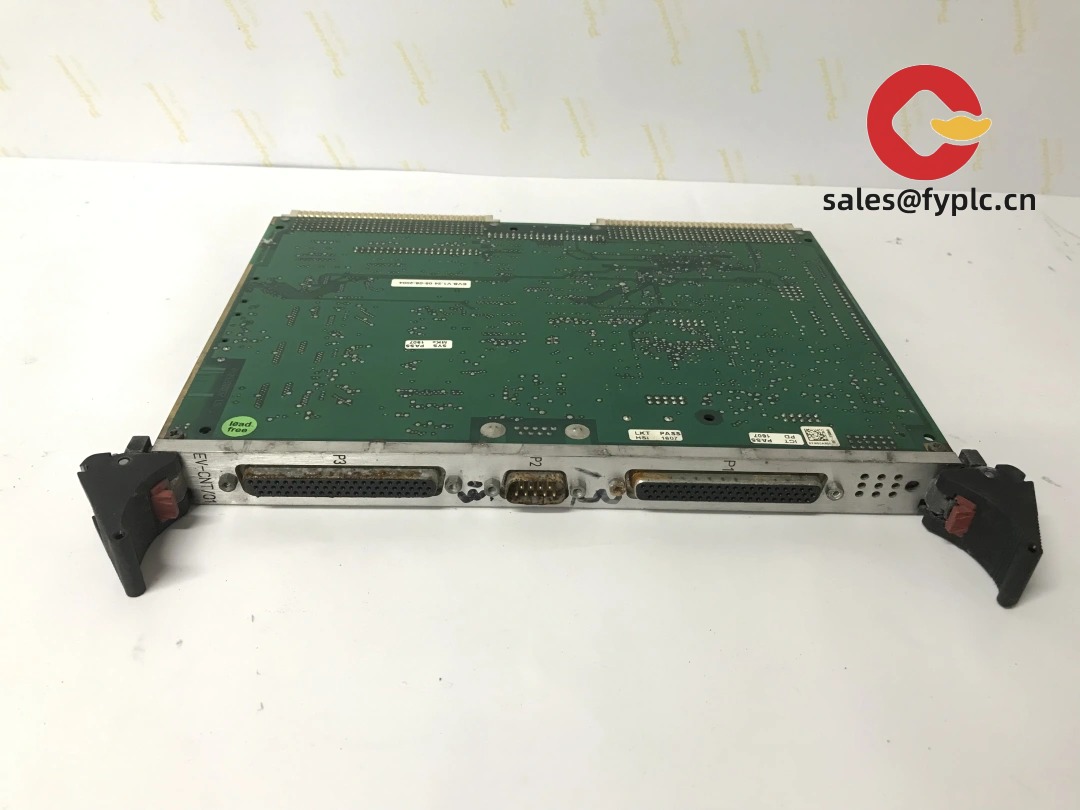
| Signal I/O Types | 4× RS-232/422 (DB9 front panel), 2× 10/100BASE-TX (RJ45), 2× USB 1.1 (Type A), 1× PMC site (P16), watchdog NMI output |
| Communication Interfaces | VME64x (A32/D32, master/slave DMA), PCI-to-VME bridge (PLX 6140), JTAG debug port |
| Installation Method | Standard 3U VMEbus slot; requires keyed front panel and ESD-safe handling during insertion |
Application Fields
This isn’t a general-purpose computing module—it shines where predictability trumps raw speed. You’ll see it deployed in turbine control systems at hydroelectric plants (handling analog feedback loops at 10 kHz), in flight test instrumentation racks where deterministic latency matters more than gigahertz, and inside Class 1 Div 2-rated chemical process controllers where long-term firmware stability outweighs feature creep. One customer in Germany recently used six of these modules to replace failed Motorola MVME2604s in a legacy Siemens PCS7 upgrade path—no OS porting required, just a BIOS update and reflash of their existing VxWorks image.
Advantages & Value
If you’re maintaining or extending a VME-based system, the VMIVME-7750 offers something increasingly rare: continuity. It’s pin-compatible with earlier VMIVME-76xx boards, shares the same configuration EEPROM format, and uses widely documented BSPs—so your engineering team won’t need to relearn toolchains. In many cases, swapping in this module avoids a full architecture rewrite (and associated SIL validation costs). And unlike newer ARM-based alternatives, there’s no surprise licensing fee for real-time extensions or safety-certified HAL layers. Procurement-wise, lead time is predictable (1 week if in stock), and the 365-day warranty covers both functional failure and firmware corruption—not just hardware defects.
Installation & Maintenance
Mount only in grounded, ventilated VME chassis meeting IEEE 1101.10 standards — avoid stacking directly beside high-heat modules without 10 mm minimum spacing. Wiring should use shielded twisted-pair for serial lines longer than 2 m, and Ethernet runs benefit from ferrite clamps near the RJ45 jacks. Safety-wise: always power down the entire backplane before insertion/removal, and verify grounding continuity (<1 Ω) between module mounting ears and chassis before energizing. For maintenance: check flash CRC monthly via VMEbus register read (address 0xFFE0_0000), clean gold fingers with isopropyl alcohol every 18 months, and apply firmware patches only from GE’s official archived support portal — third-party “optimized” bootroms have caused timing jitter in motion-control apps.
Quality & Certifications
The VMIVME-7750 carries CE (EMC Directive 2014/30/EU, LVD 2014/35/EU), UL 508 (Industrial Control Equipment), and RoHS 2011/65/EU compliance — all verified on the original production run. It does not carry IEC 61508 SIL certification out-of-the-box, but several integrators have achieved SIL 2 through application-level redundancy and watchdog supervision. GE’s standard warranty is 365 days from shipment date, covering component replacement and firmware recovery — no restocking fees, no “as-is” disclaimers on refurbished units.
Our Order Placement Process & Guarantees:
• Warranty: 365 days from delivery
• Delivery: 1 week for in-stock units; ≤30 days maximum, even for configured variants
• Payment: 50% advance, balance before dispatch
• Shipping: FedEx, UPS, or DHL Express — fully trackable, with customs documentation pre-filled

Reviews
There are no reviews yet.