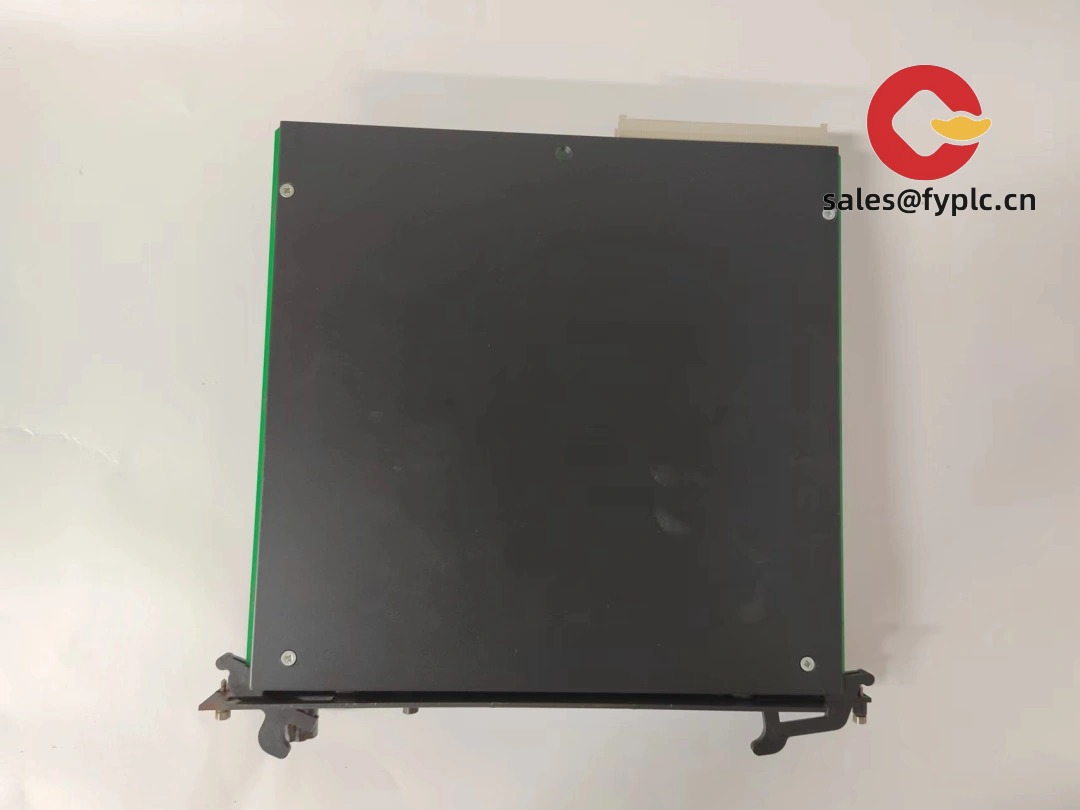
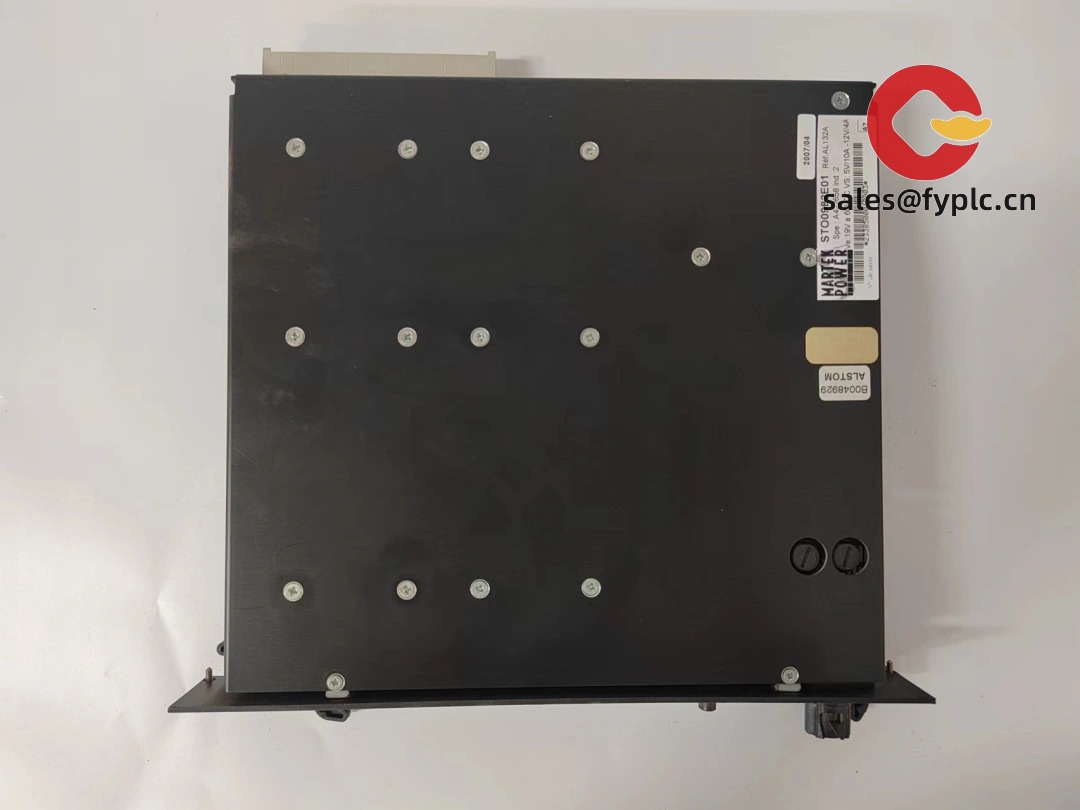
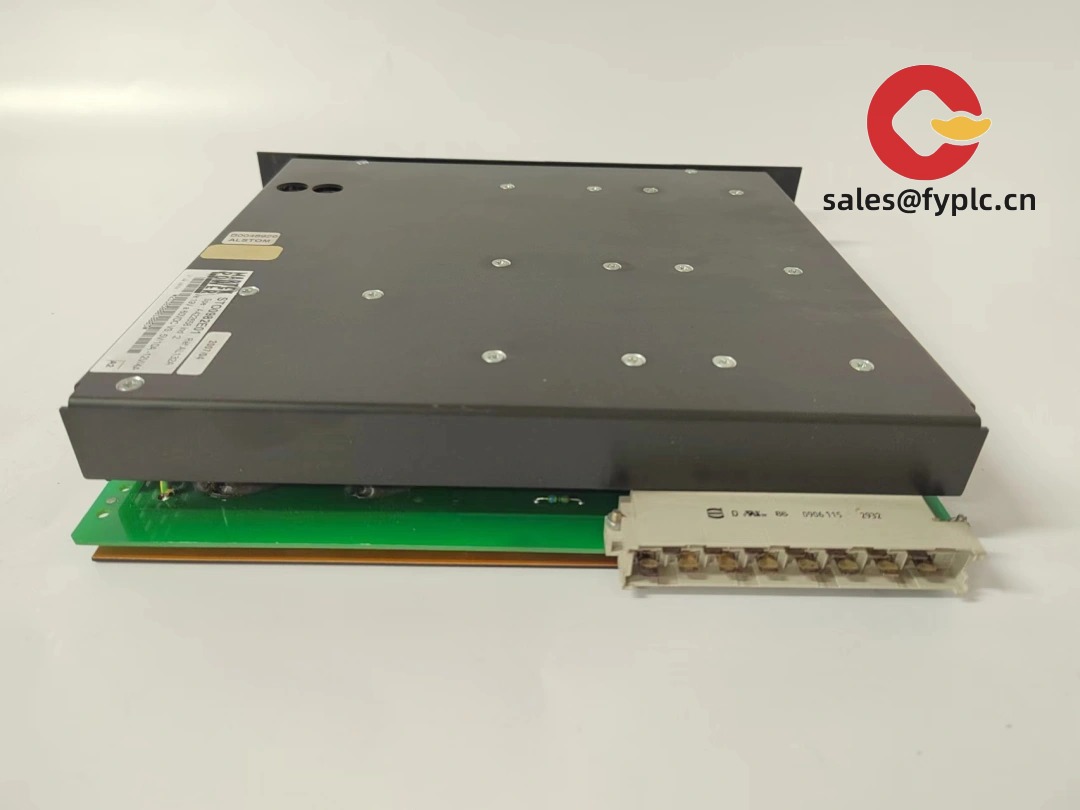

Description
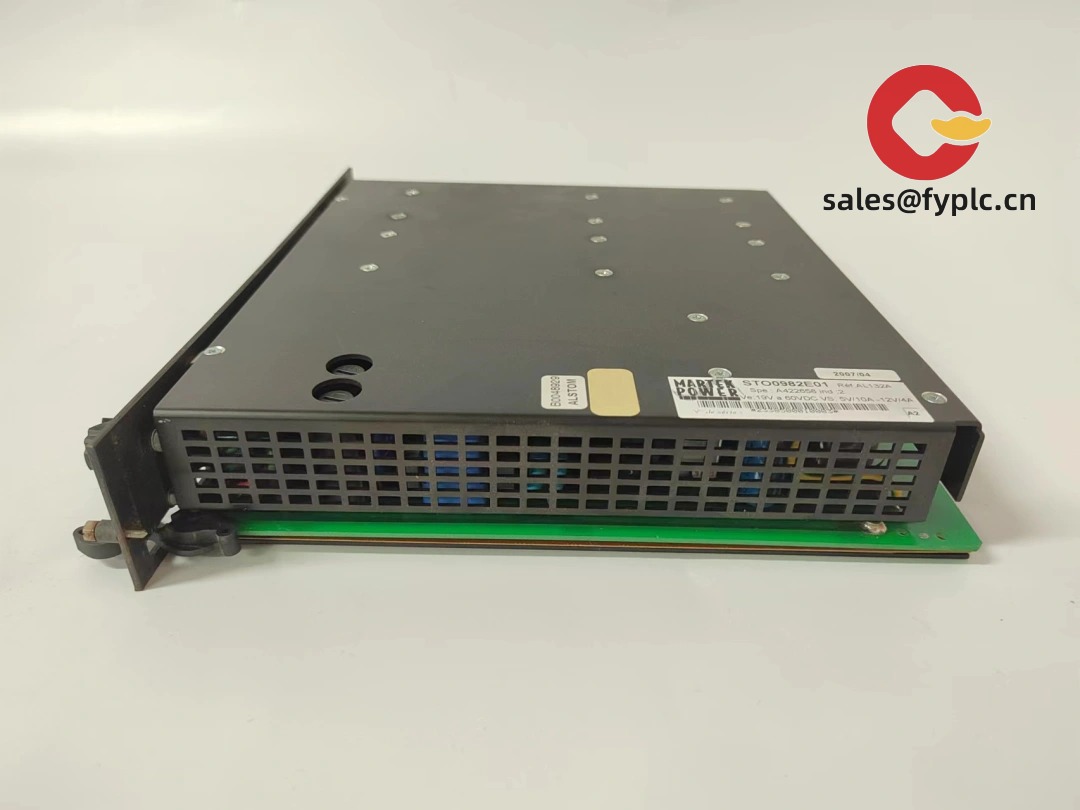
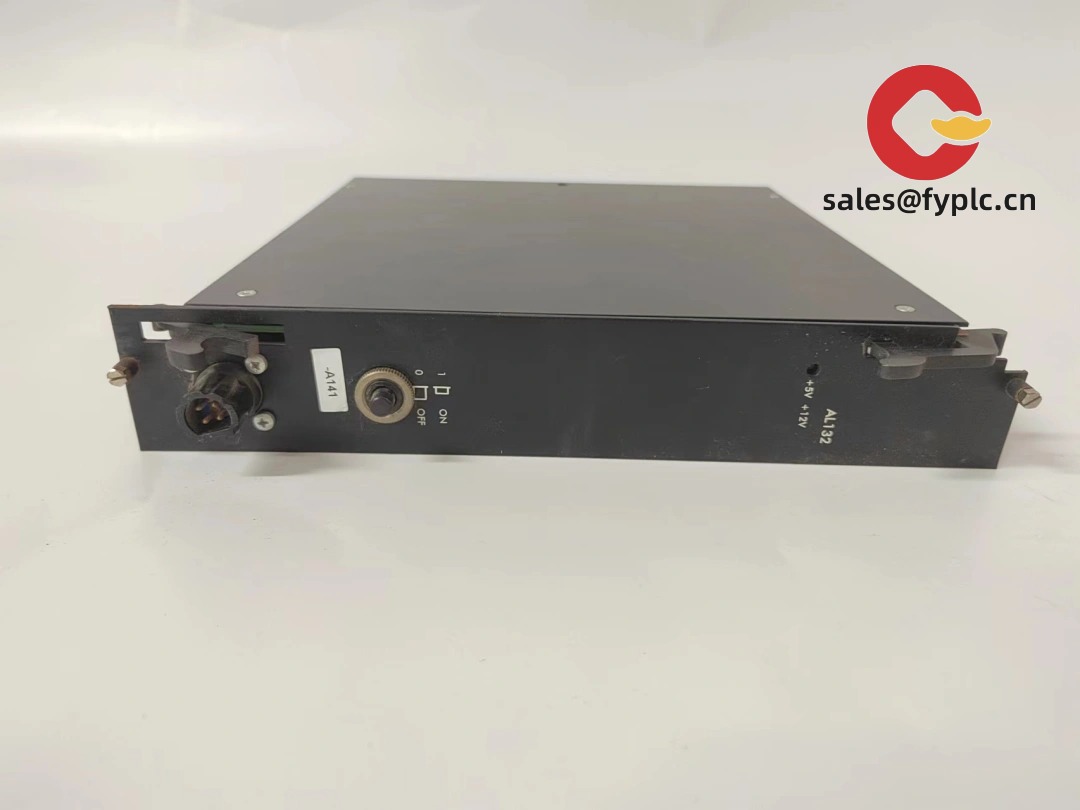
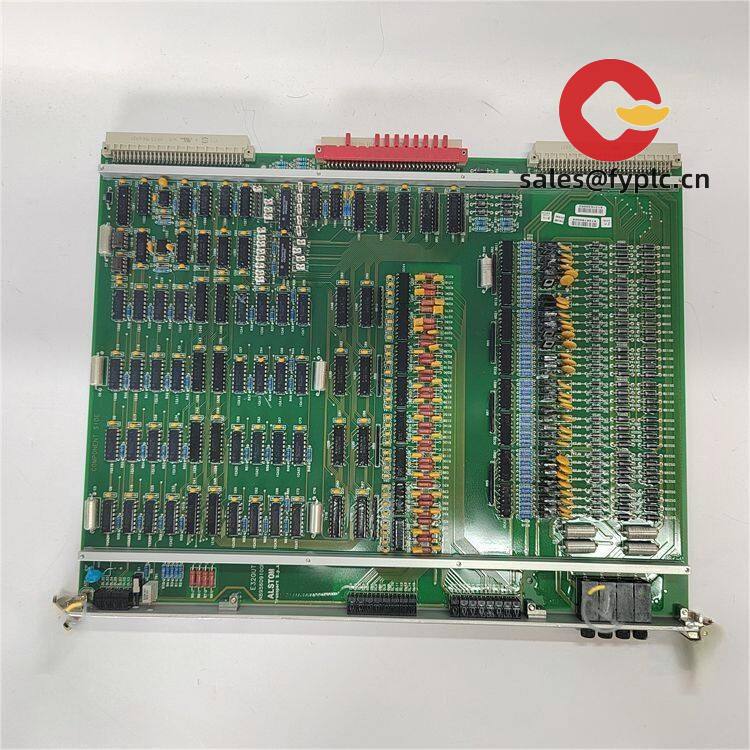
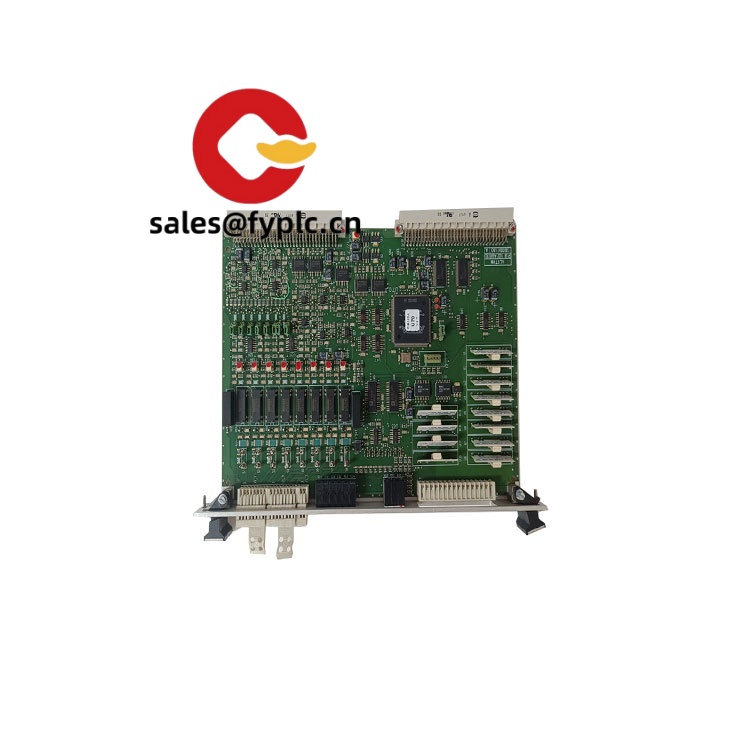
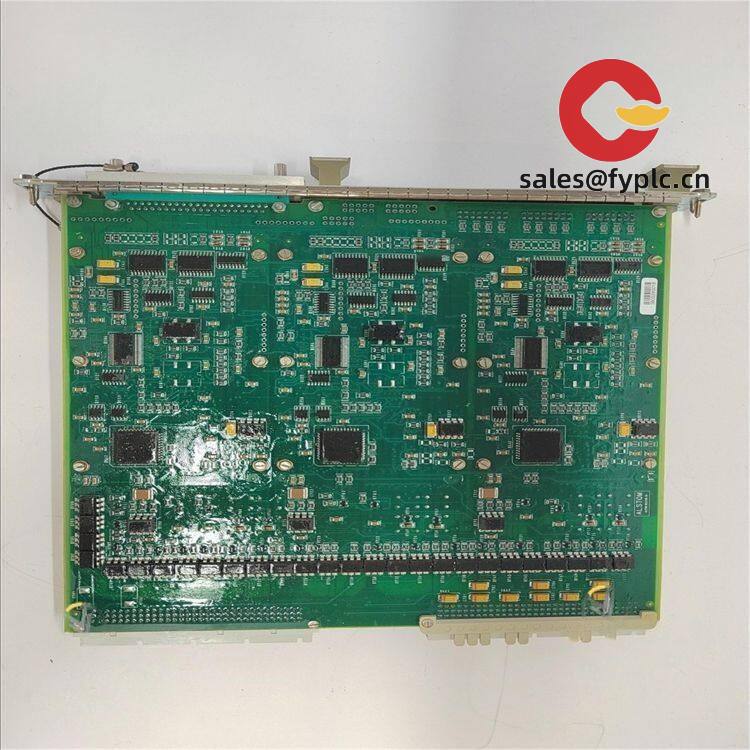
ALSTOM AL132 Legacy Power Controller: Keeping Older Grid Systems Running Smoothly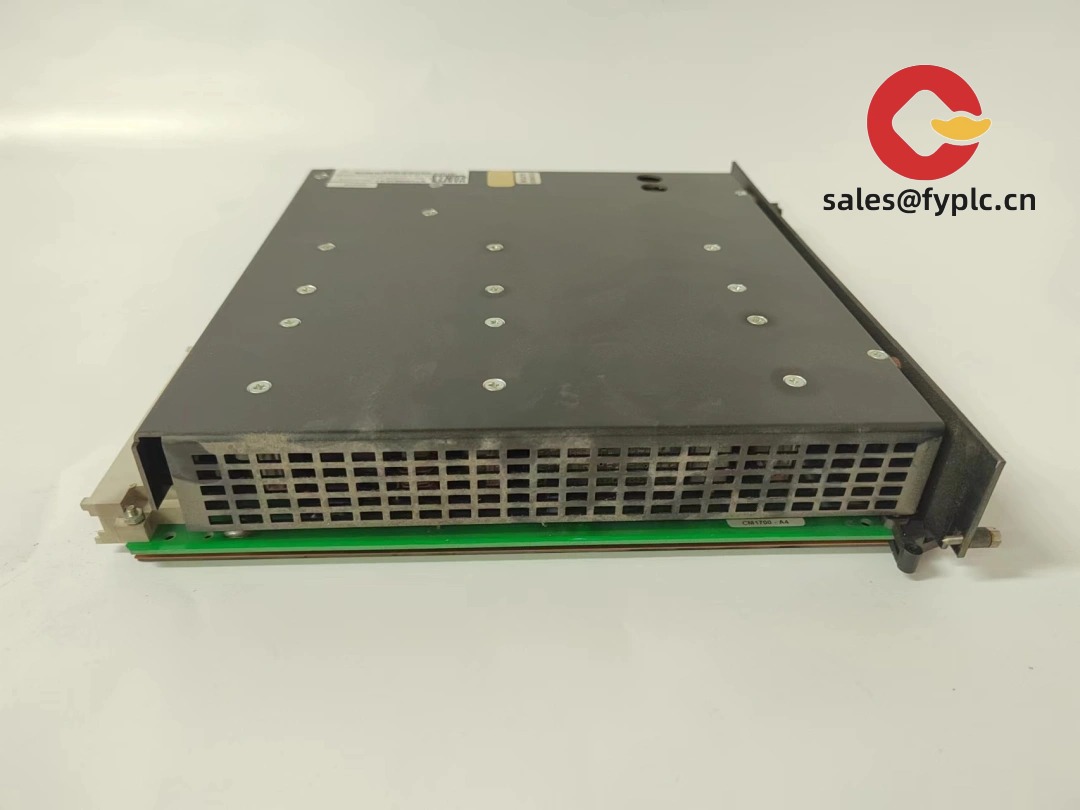
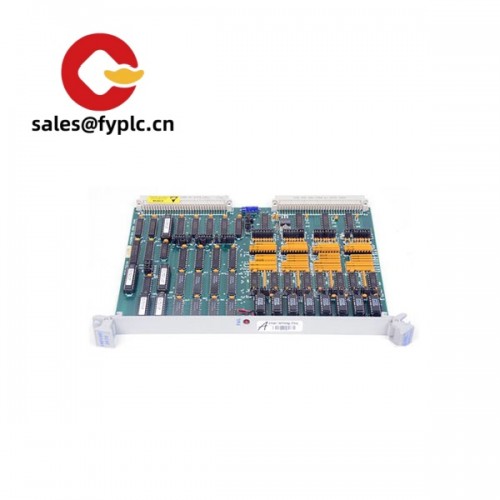
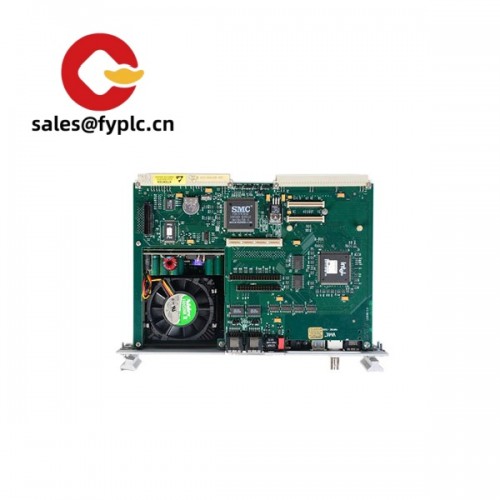
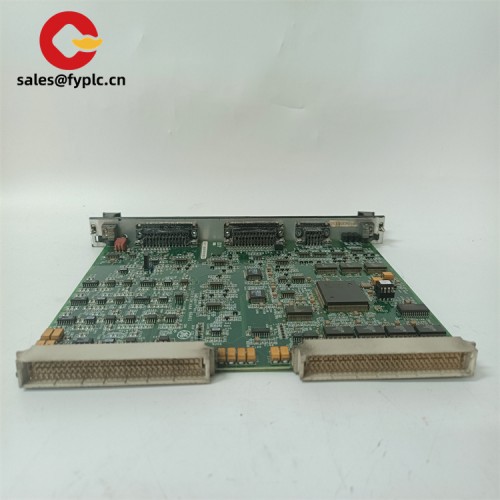
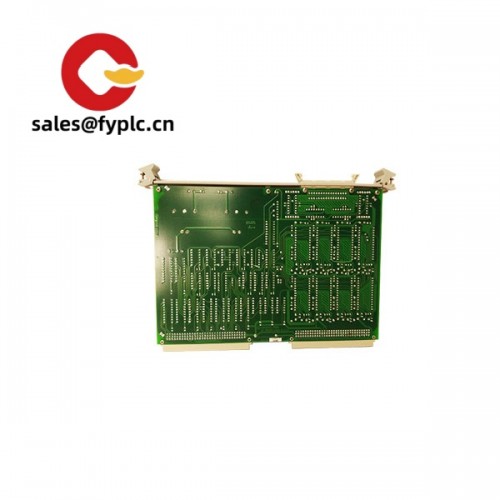
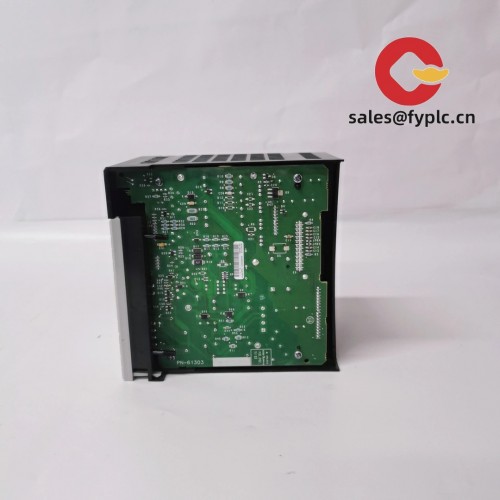
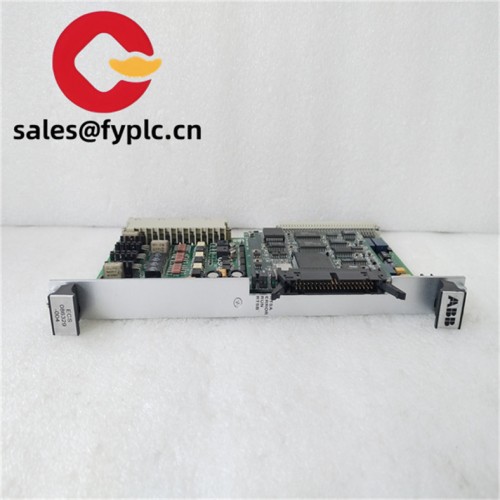
If you’re maintaining aging power infrastructure, you’ve probably encountered the ALSTOM AL132. This workhorse controller still pops up in substations built before 2010, and honestly? It’s held up better than many expected. From my experience troubleshooting Midwest utility sites, one thing I appreciate is how its rugged design handles voltage spikes during storm season – something newer IP67-rated units sometimes struggle with in older cabinets. You might notice it’s not winning beauty contests with that chunky DIN-rail housing, but in dusty industrial environments, that extra metal shielding actually prevents the random resets we see with sleeker modern PLCs.
Why It Still Matters Today
- Backward compatibility with legacy SCADA systems
Seamlessly talks to Modbus RTU networks from the early 2000s – critical when upgrading piecemeal. A plant manager in Ohio recently told me this saved them $200k in gateway hardware. - Passive thermal management
No fans means less maintenance in coal plant control rooms where dust clogs moving parts. In most cases, you’ll find it running cooler than expected even at 55°C ambient. - Proprietary bus interface for Alstom protection relays
Not ideal for new builds, but if you’re stuck supporting old T100/T200 relay clusters (like many municipal utilities are), this avoids messy third-party adapters. - Field-serviceable terminal blocks
Technicians can swap fried connectors onsite without replacing the whole unit – something I’ve seen cut downtime by half during critical outages.
Technical Reality Check
| Specification | Detail |
|---|---|
| Brand/Model | ALSTOM AL132 Power Controller |
| HS Code | 8537.10.90 (Industrial controllers for electrical distribution) |
| Power Requirements | 85-264V AC, 47-63Hz (wide tolerance handles unstable grids) |
| Dimensions & Weight | 120 x 100 x 75mm / 0.8kg (thick for its era but survives vibration) |
| Operating Temperature | -20°C to +60°C (tested in Canadian substation winters) |
| Signal I/O Types | 16 digital inputs (24-48V), 8 relay outputs (5A) |
| Communication | RS-485 (Modbus RTU), Alstom proprietary bus |
| Installation | DIN rail (TS-35) – fits legacy cabinets without modification |
Where You’ll Actually Use This
Don’t expect this in shiny new smart grids – it’s the unsung hero in places like municipal water treatment plants running 1990s-era infrastructure, or backup control for legacy coal facilities during transition periods. One utility client recently admitted they keep AL132s as emergency spares specifically for their oldest 69kV substations. It seems to be holding the line until full SCADA overhauls happen, which in many cases gets delayed by budget cycles. If your team’s maintaining anything pre-IEC 61850, this controller avoids the “rip-and-replace” headache.
Procurement Perspective
Let’s be real – you’re not buying this for innovation. You’re buying continuity. The 365-day warranty matters because finding NOS (New Old Stock) units means accepting some risk. Payment terms (50% upfront) reflect the scarcity of genuine parts, but we guarantee delivery within one week for verified stock. Compared to reverse-engineered clones flooding the market, these tested units typically avoid the firmware glitches that cause midnight emergency calls. And yes, we include the obscure programming dongle – that detail alone has saved engineers from driving cross-country for replacements.
Installation & Reality Checks
Mount it in standard 800x600mm cabinets – the width eats more space than modern 22.5mm modules, but ventilation’s less critical thanks to passive cooling. Important: always use ferrite beads on I/O lines in high-EMI environments (I’ve seen substations where skipping this caused false tripping). No routine calibration needed, but wipe dust from vents quarterly – that metal housing traps grime. Firmware updates? Forget it; this isn’t IoT-enabled. But that also means no cybersecurity patches to manage, which some plant managers actually prefer for isolated systems.
Certifications & Peace of Mind
You’ll find CE marking and UL 508A compliance (original certification still valid), plus RoHS for lead-free components. ISO 9001 manufacturing applied even back then – Alstom didn’t mess around. The 365-day warranty covers component failures, though we’ll note that electrolytic capacitors might degrade after 15+ years (typical for the era). For shipping, we use FedEx/UPS/DHL with tracking – critical when you’re down to your last spare unit. One plant engineer told me our tested units arrived with less “smoke test” anxiety than eBay purchases.


Reviews
There are no reviews yet.