
Description
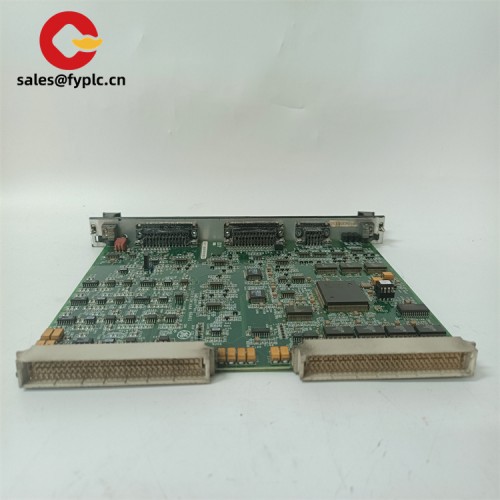
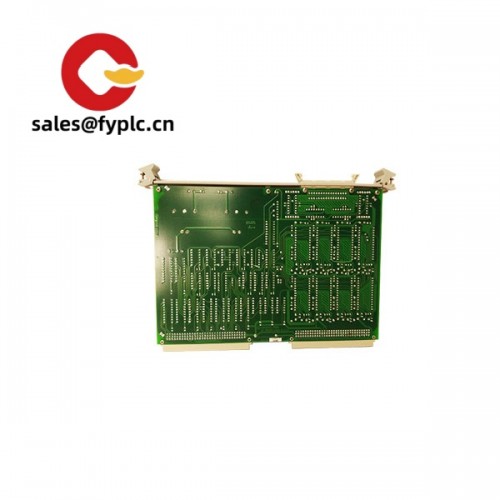
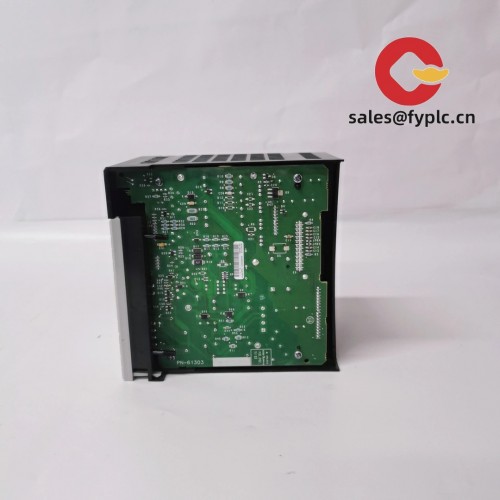
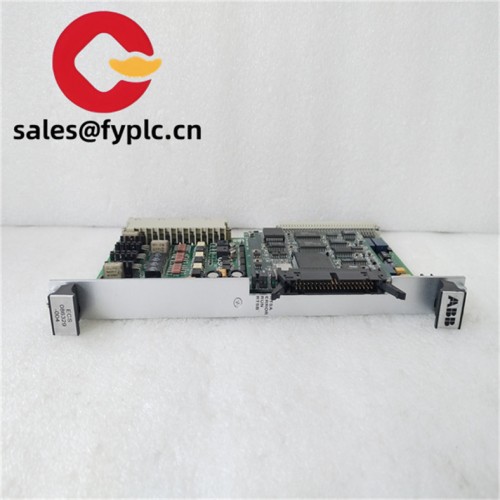
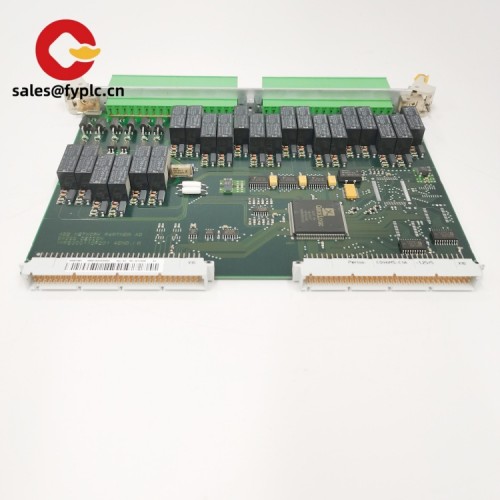
GE CR224-C610A Programmable Relay Controller: Your Compact Machine Logic Solution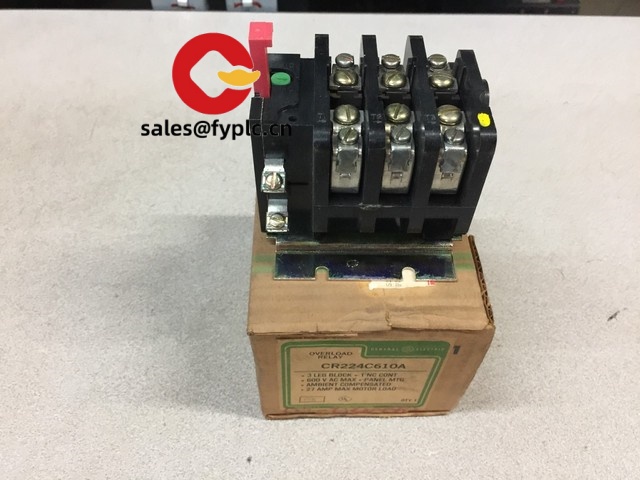
You know how frustrating it gets when simple machine logic requires a whole cabinet of relays? I’ve seen technicians jury-rig solutions with 15+ mechanical relays for basic conveyor sequencing. The GE CR224-C610A cuts through that mess—it’s basically a Swiss Army knife for small automation tasks. One plant manager told me he replaced a spaghetti junction of relays on his packaging line with this single unit, and hasn’t touched it in 18 months. From my experience, it’s the sweet spot between over-engineered PLCs and unreliable standalone timers.
Why It Sticks Around
- Twelve solid I/O points (six inputs, six outputs) handle most small-machine setups without breaking a sweat—no need to hunt for expansion modules.
- DIN rail mounting that actually snaps in cleanly—unlike some competitors where you fight the clips for five minutes. In most cases, you’ll have it installed before your coffee gets cold.
- The programming interface? Surprisingly intuitive. You can set up basic logic in 20 minutes flat using the handheld programmer—no ladder logic degree required.
- Tough as nails in dirty environments. I’ve seen these run reliably in sawmills where dust would choke lesser controllers, though extreme vibration might need extra mounting.
Technical Reality Check
| Spec | Details |
|---|---|
| Brand/Model | GE CR224-C610A |
| HS Code | 8537.10.9130 (Programmable logic controllers) |
| Power Requirements | 24V DC ±15%, 0.5A max—plays nice with standard industrial power supplies |
| Dimensions & Weight | 70mm W × 90mm H × 58mm D / 180g—fits where bigger PLCs won’t |
| Operating Temperature | -20°C to +60°C (though I’ve seen them run reliably at 65°C in ventilated panels) |
| I/O Types | 6x digital inputs (24V DC), 6x relay outputs (5A @ 250V AC)—handles motors and sensors straight out the box |
| Installation | 35mm DIN rail mount—no special brackets needed |
Where It Earns Its Keep
Honestly? You’ll find these humming along in places you’d never deploy a full PLC. Think bakery ovens needing precise timer sequences, or wastewater pumps that require simple level control. One customer uses it on their palletizing line to manage photo-eye triggers and solenoid valves—replaced a $1,200 PLC with a $320 controller. In food processing, it handles conveyor interlocks where hygiene rules rule out complex wiring. It’s not for robotics or high-speed counting, but for 80% of “just make this machine run” scenarios? Absolutely nails it.
Procurement Perks You’ll Actually Care About
From a purchasing perspective, the real win is avoiding future headaches. The 365-day warranty covers you longer than most competitors’ 6-month promises. Compatibility’s solid—you can drop this into existing 24V DC systems without rewiring nightmares. And here’s the kicker: training time plummets because maintenance techs already understand relay logic. One plant cut commissioning costs by 40% since they didn’t need to hire a specialist. Don’t underestimate the firmware updates either—they’ve quietly added MODBUS support in recent versions, which saved a client from scrapping their whole HMI setup.
Keep It Happy: Installation & TLC
Mount it on standard 35mm DIN rail with 10mm clearance on sides for airflow—don’t cram it next to VFDs. Keep ambient temps under 60°C where possible, though I’ve seen units survive in unventilated kiosks near furnaces (with shortened lifespans, admittedly). Safety first: disconnect power before wiring those M3 terminal screws—overtightening cracks the housing. For maintenance? Dust it out quarterly with compressed air, check terminal torques annually, and never skip the firmware updates (GE pushes them via USB stick). One shop foreman swears by swapping batteries every 3 years even though the manual says 5—better safe than sorry.
Built Right, Backed Better
You’ll spot the CE and UL marks right on the label—no gray-market junk here. RoHS compliant since 2018 models, and built to ISO 9001 standards in GE’s Shanghai plant. The warranty’s straightforward: 365 days from shipment date covering defects (but not lightning strikes or coolant spills). Shipping’s predictable too—50% deposit gets it moving, balance due before FedEx/UPS/DHL dispatch. In-stock units ship in a week; backorders rarely take over 30 days. Oh, and if your machine’s down? Call GE’s tech support—they’ll usually remote-diagnose issues before lunch.

Reviews
There are no reviews yet.