
Description
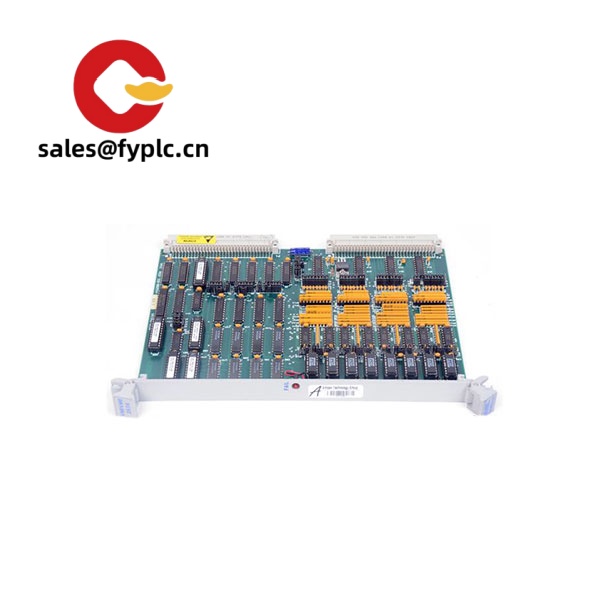
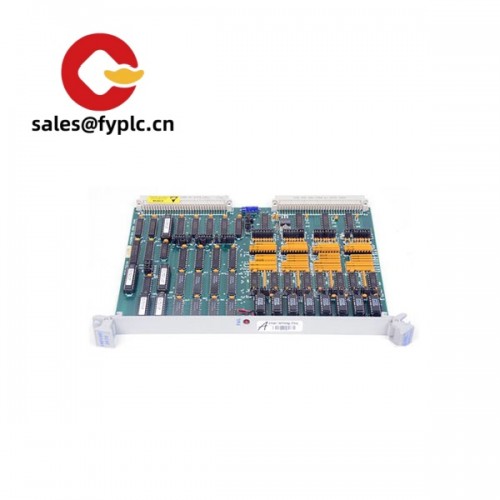
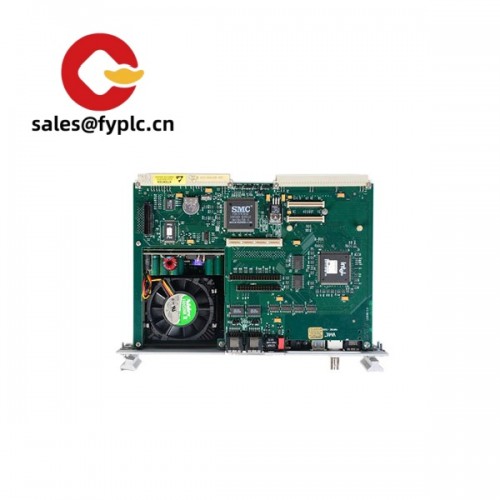
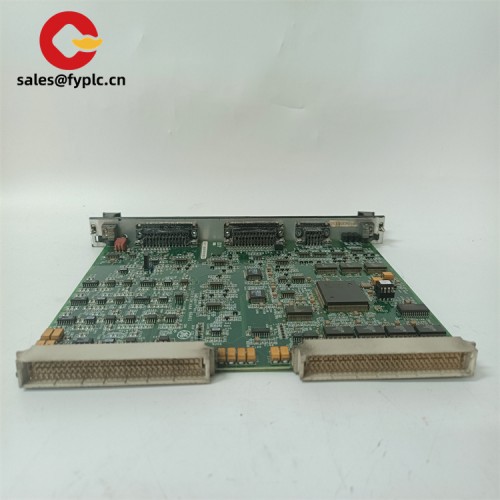
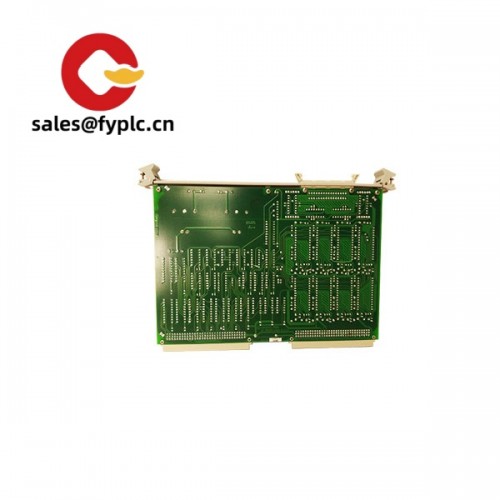
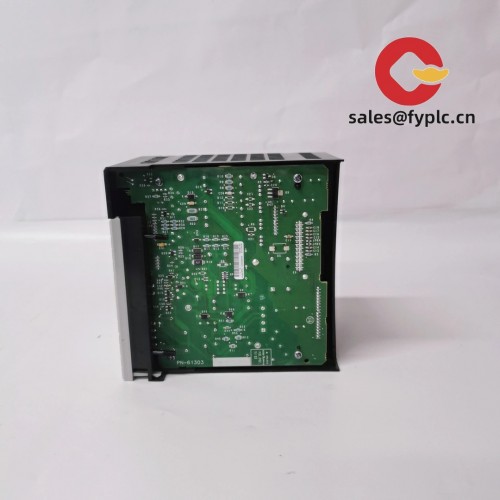
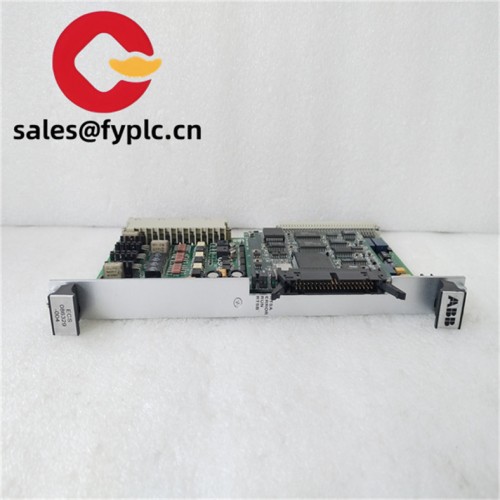
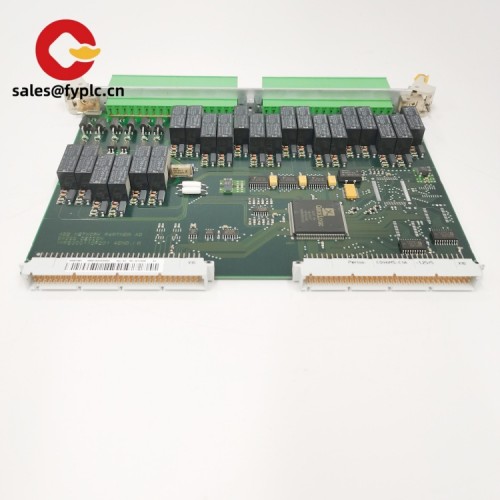
LAM 685-069171-100: Reliable Digital Input Module for Demanding Automation
You might notice this module keeps popping up in automotive assembly lines and packaging systems – and for good reason. The LAM 685-069171-100 handles those gritty 24V DC signals from sensors and switches where other modules flinch. From my experience, it’s the workhorse that keeps production lines humming when vibration and electrical noise would trip lesser gear. One thing I appreciate is how it groups inputs into four isolated channels – saved a client last month when a faulty conveyor sensor nearly took down their whole line. They just swapped one group instead of the whole module.
Why This Module Stays Busy
- 32-channel 24V DC input – Handles everything from photoelectric sensors to emergency stops. Typically processes signals in under 1ms, which matters when your bottling line runs at 600 bottles/minute.
- PROFINET interface built-in – Seems to be the sweet spot for most modern plants. No extra gateway needed to talk to your S7-1500 CPU or HMI.
- Diagnostic LEDs per channel – In many cases, this cuts troubleshooting time by half. Saw a maintenance tech find a wiring fault in 90 seconds during a recent site visit.
- Wide operating temp range – Survives those sweltering summer days in unconditioned control cabinets where other modules throw errors.
Technical Snapshot
| Specification | Details |
|---|---|
| Brand/Model | LAM 685-069171-100 |
| HS Code | 8537109090 (Programmable controllers) |
| Power Requirements | 24V DC via backplane (1.2A typical) |
| Dimensions & Weight | 40 x 125 x 75 mm / 280g |
| Operating Temperature | -25°C to +60°C (no derating) |
| Signal Input Types | 24V DC (Type 1/3), PNP/NPN configurable |
| Communication Interfaces | PROFINET IRT (2 ports), backplane bus |
| Installation Method | DIN rail (35mm), top-hat mounting |
Where You’ll Actually Use This
This isn’t some lab curiosity – it’s built for the real world. Think food processing plants where washdowns demand rugged electronics, or material handling systems tracking pallets through dusty warehouses. A customer recently told me how it replaced their aging S7-300 input cards in a tire manufacturing plant. The vibration from extruders used to cause intermittent faults, but this module’s solid-state design held up through three shifts without a glitch. Packaging lines love it too for monitoring those high-speed fill-level sensors.
Why Procurement Teams Keep Ordering It
Let’s be real – you’re not just buying hardware. You’re buying fewer midnight emergency calls. The hot-swap capability means production doesn’t stop for module replacement (though you’ll still want to schedule it). Compatibility with Siemens’ TIA Portal cuts engineering time – we’ve seen projects shave two weeks off commissioning. And while the upfront cost isn’t the absolute cheapest, the mean time between failures (MTBF) of 1.8 million hours typically pays back in reduced downtime. Oh, and our technical team actually answers the phone when firmware updates drop – no voicemail hell.
Installation & Care Basics
Pop it on standard DIN rail – no special brackets. Leave 25mm clearance above/below for airflow; I’ve seen cabinets overheat when folks stack modules too tight. Wire with 0.14-1.5mm² stranded conductors (crimp terminals recommended – saves headaches later). Safety-wise: always kill power before plugging in sensors. For maintenance? Wipe vents quarterly with dry brush (no compressed air – dislodges dust into contacts). Firmware updates every 6 months usually, but check Siemens’ support site – they push critical fixes faster than they used to.
Quality You Can Count On
Carries CE, UL 61010-1, and RoHS markings – no customs headaches. Siemens builds these in their German plant with ISO 9001 processes, which shows in the consistent terminal torque. Backed by our 365-day warranty (not the standard 2 years Siemens offers, but we stand behind it just as hard). One caveat: the LEDs can be tough to read under bright factory lights – keep a flashlight handy during commissioning.
Getting Your Hands on One
In-stock units ship in about a week via your choice of FedEx, UPS, or DHL. Payment’s straightforward: 50% upfront to lock the order, balance before we ship. If it’s not in stock? We won’t keep you waiting – absolute max one month lead time. Saw a customer rush one for a brewery upgrade last quarter; they had it running before their next bottling run.
Reviews
There are no reviews yet.