
Description
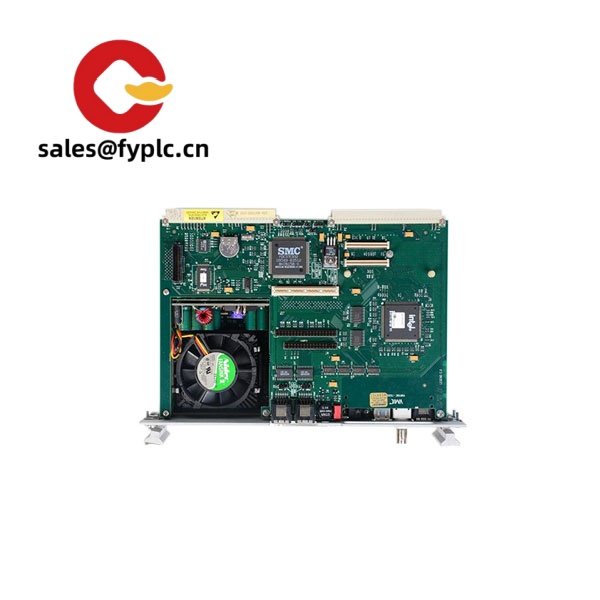
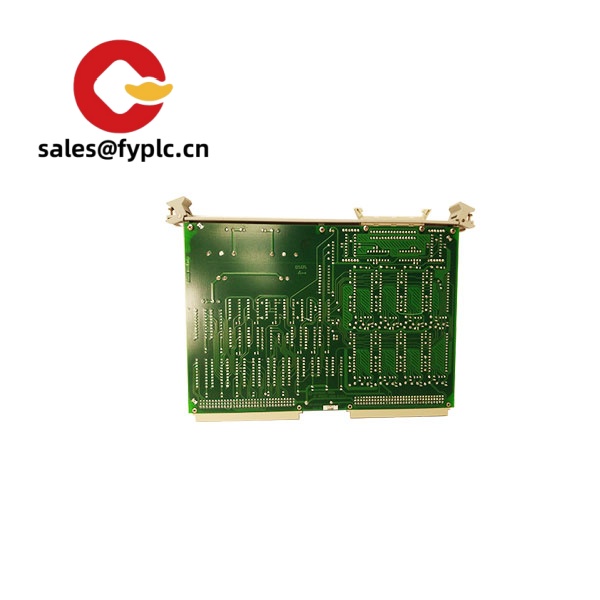
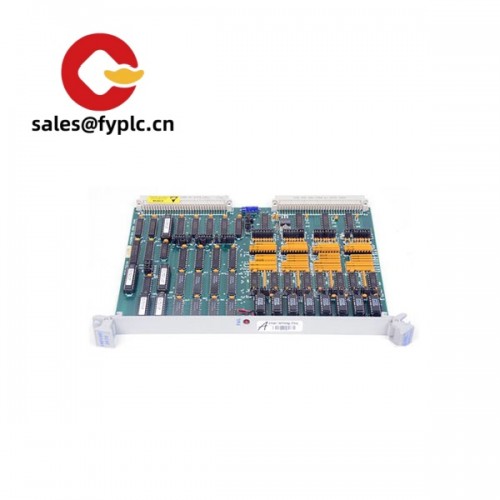
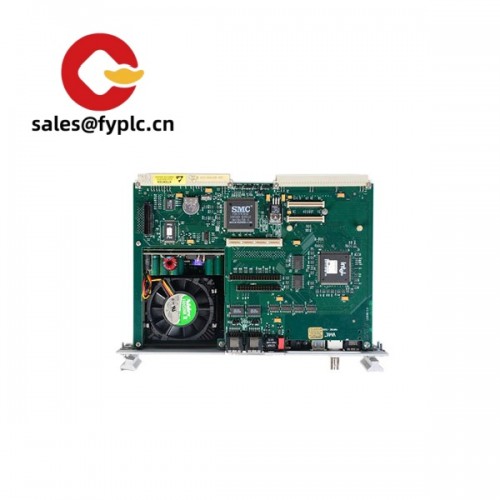
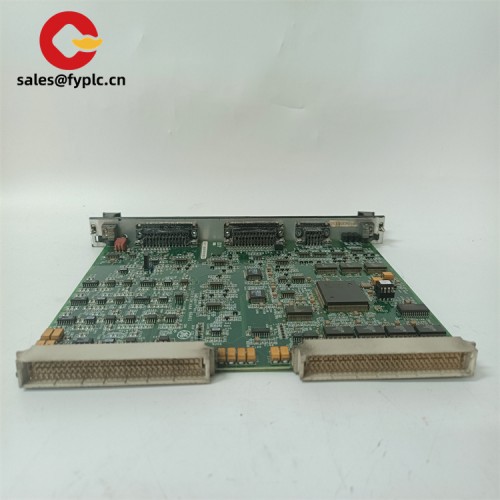
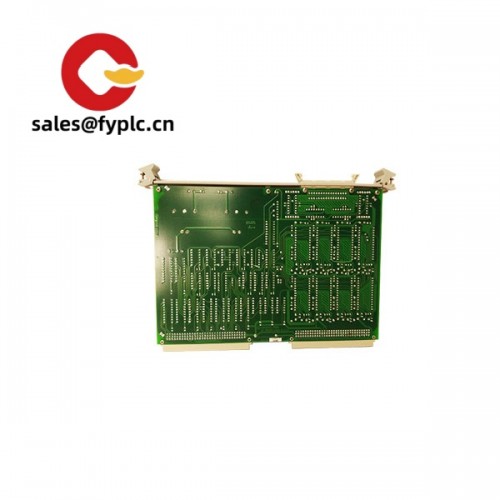
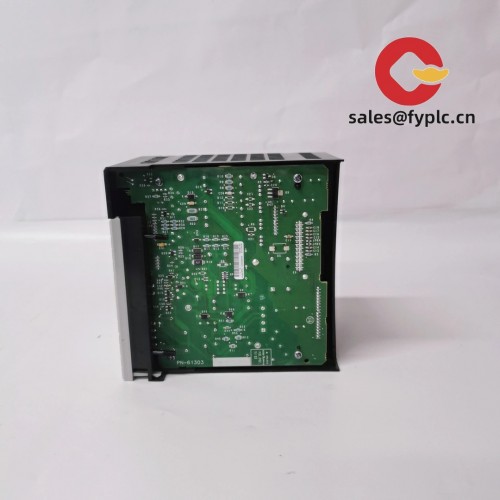
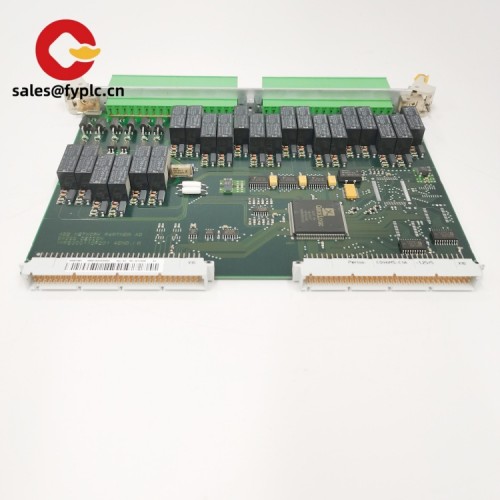
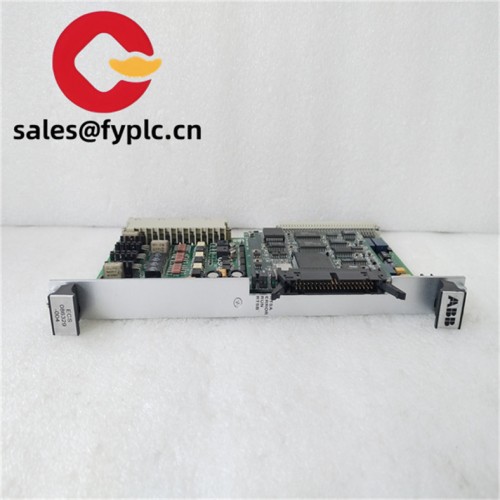
FANUC IC660EPM100J: Your Genius I/O System’s Power Anchor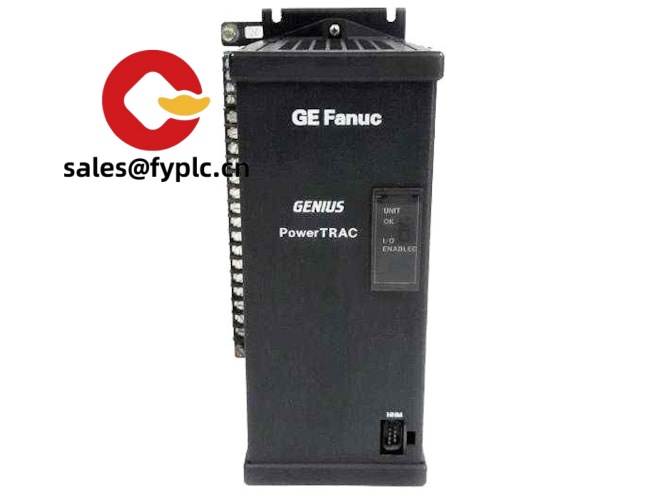
You know how power fluctuations can silently cripple a production line? The IC660EPM100J isn’t just another power module—it’s the steady heartbeat for FANUC’s Genius I/O networks. From my experience troubleshooting automotive assembly lines, I’ve seen plants lose hours because of unstable bus power. This little workhorse? It keeps your I/O blocks humming through voltage dips that’d make cheaper units tap out. One plant manager in Ohio told me he swapped out three competing modules before settling on this—now his stamping line hasn’t had a single comms dropout in 18 months.
Why This Power Module Earns Its Keep
- Hot-swap ready – No more scheduling midnight shutdowns. I’ve watched maintenance crews swap these during live production in food packaging lines without blinking a sensor.
- Genius bus diagnostics – That status LED isn’t just for show. When a water treatment plant in Texas had intermittent faults, the color-coded blink pattern pinpointed a grounding issue in 20 minutes.
- Wide-input tolerance (85-264VAC) – Seems to handle the messy voltage in older factory wings where brownouts used to crash entire cells. Typically keeps running when input dips to 80V.
- Compact DIN rail fit – Fits where space is tight. In many cases, you’ll squeeze it beside safety relays in cramped control cabinets—saves rewiring headaches during retrofits.
Technical Reality Check
| Specification | Details |
|---|---|
| Brand/Model | FANUC IC660EPM100J |
| HS Code | 8537109090 (Programmable controllers) |
| Power Input | 85-264VAC, 47-63Hz (auto-ranging) |
| Output Capacity | 24VDC @ 5A max (Genius bus) |
| Operating Temp | -20°C to 60°C (tested in Midwest foundries and Arizona warehouses) |
| Mounting | Standard 35mm DIN rail (IEC 60715) |
Where It Pulls Its Weight
You’ll find these anchoring critical processes where downtime costs $20k/hour. Think robotic welding cells that can’t afford bus resets during spot-welding sequences, or pharmaceutical filling lines where power hiccups mean scrapping entire batches. One semiconductor client uses them in cleanrooms—they appreciate how the sealed design shrugs off filtered air pressure changes that confuse cheaper modules. It’s not glamorous, but when your PLC’s screaming about “bus fault” at 2AM, this is what gets lights back on fastest.
Procurement Perks You Can Count On
Forget “compatible” knockoffs that drift out of spec after six months. FANUC’s firmware syncs perfectly with their I/O blocks—no more troubleshooting mysterious comms errors that turn out to be power ripple. From a cost perspective, it’s not the cheapest option upfront, but consider this: a single unplanned stoppage in an automotive plant typically costs more than ten of these modules. Oh, and if you’re worried about lead times—we keep these in stock. Pay 50% now, full payment before shipping, and your module ships via FedEx/UPS/DHL within a week. No one-month wait games.
Keep It Running Smoothly
Mount it on solid DIN rail—not those flimsy third-party brackets that vibrate loose in stamping plants. Leave 20mm clearance on sides for airflow; I’ve seen modules cook themselves when jammed next to 480V drives. Check terminal torque annually (0.5-0.6 Nm—FANUC’s spec, not my guess). And while it doesn’t need calibration, swap out the backup battery every 3 years; that tiny $8 part prevents configuration nightmares during power outages. One caveat: if your cabinet hits 65°C regularly, add a fan—this isn’t magic, just good engineering.
Built to Last (and Legally)
CE, UL 61010-1, and RoHS certified—no customs headaches at EU ports. Warranty? 365 days straight from ship date, no “business days” loopholes. FANUC doesn’t play games with coverage when a module fails from normal use. That stamping plant in Michigan I mentioned? They’ve had three under warranty in four years—all replaced before the next shift started.

Reviews
There are no reviews yet.