
Description
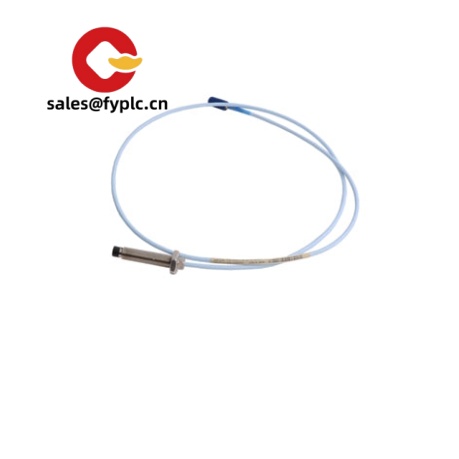
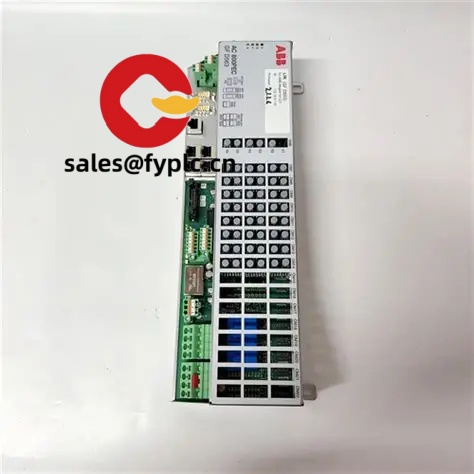
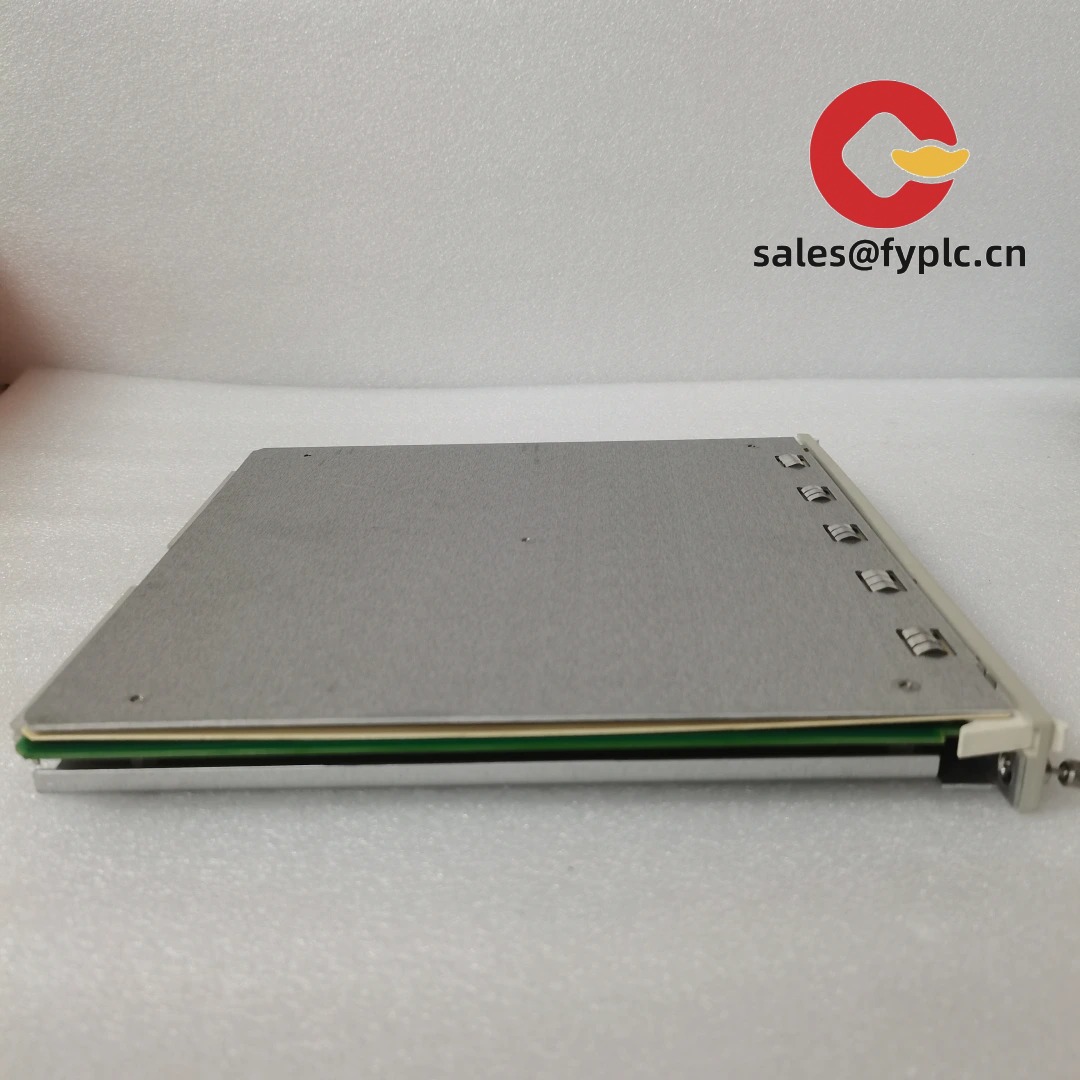
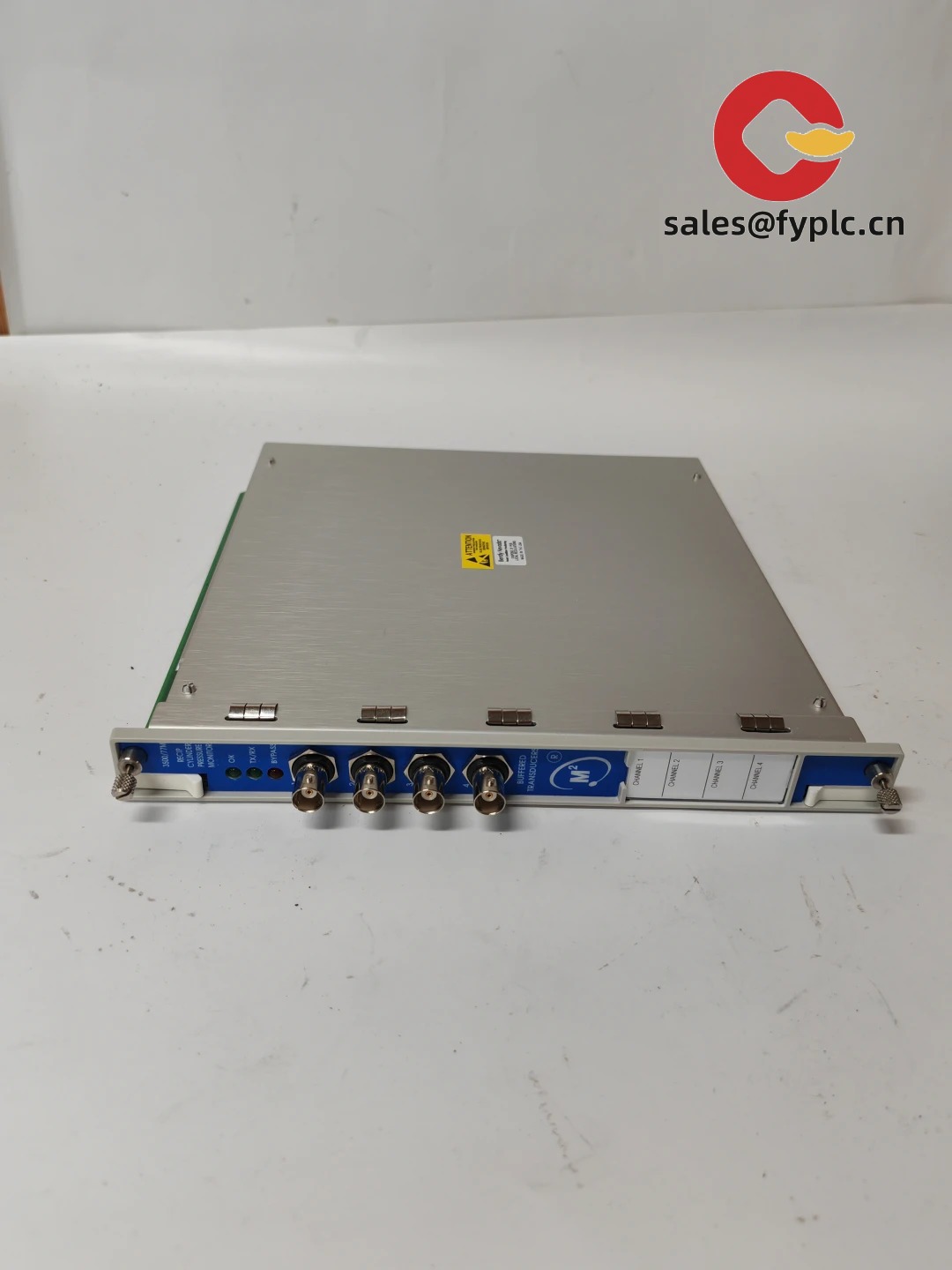
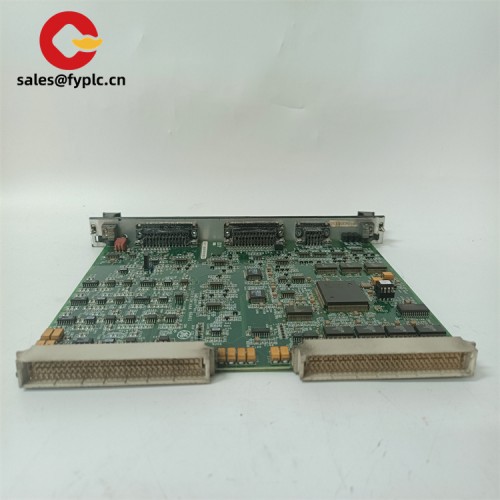
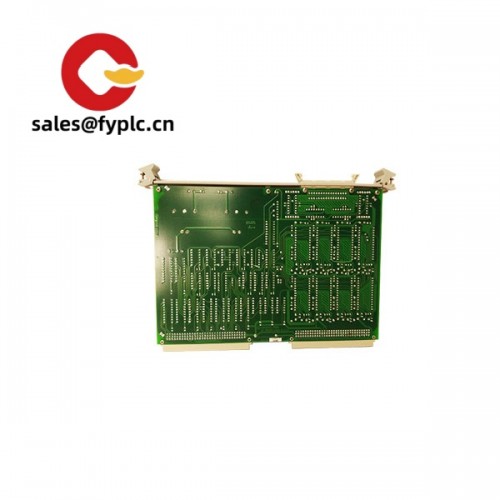
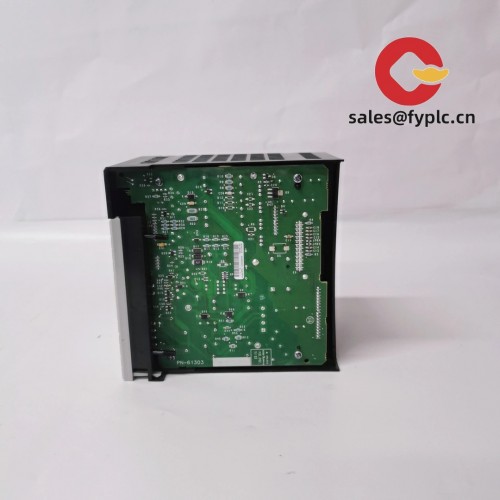
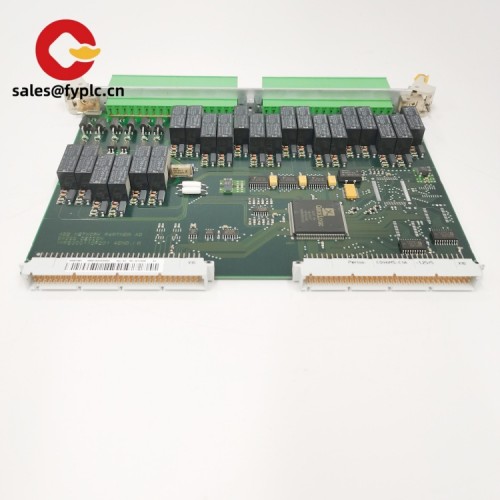
Bently Nevada 3500/42M Vibration Monitor: Your Turbine’s Early Warning System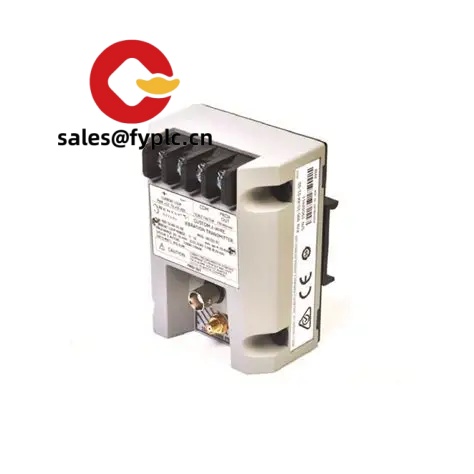
You know how a slight bearing rumble can snowball into catastrophic downtime? That’s where this 3500/42M rack-mounted monitor earns its keep. I’ve seen it catch developing shaft issues in power plant turbines weeks before vibration levels hit alarm thresholds – typically giving maintenance teams breathing room to schedule repairs during planned outages. One Midwest refinery engineer told me it prevented a $400k compressor failure just last quarter by flagging abnormal phase shifts during startup.
Why field teams actually trust this unit
- Dual-redundant monitoring – Processes two independent vibration channels simultaneously. From my experience, this eliminates blind spots when tracking axial displacement and radial vibration on critical rotating equipment.
- Live asset health snapshots – Unlike basic monitors, it calculates real-time orbit plots and Bode diagrams. You might notice operators in pulp mills using these visuals to diagnose misalignment during paper machine roll changes.
- Modbus RTU + 4-20mA flexibility – Seems to be the sweet spot for legacy plants upgrading control systems. One client integrated it with their 15-year-old DCS using just the analog outputs while prepping for full Modbus migration.
- Zero-drift calibration – In humid refinery environments I’ve visited, the internal self-test catches sensor drift before it skews readings. Saves the headache of chasing phantom vibrations.
Technical specs you’ll actually reference
| Parameter | Specification |
|---|---|
| Brand/Model | Bently Nevada 3500/42M (990-04-XX-01-05 / 165335-01) |
| HS Code | 9031.80.90 (Vibration monitoring equipment) |
| Power Requirements | 24V DC ±10%, 1.5A max (typical field draw: 0.8A) |
| Operating Temperature | -20°C to +70°C (tested to -25°C in Canadian oil sands deployments) |
| Signal I/O | 2x Proximitor inputs, 4-20mA outputs (isolated), relay alarms |
| Installation Method | 19″ rack-mount (3U height), DIN rail option available |
Where it solves real headaches
This isn’t just for textbook applications – I’ve seen creative uses like monitoring reciprocating compressor valves in LNG terminals using the high-frequency acceleration feature. Power generation folks rely on it for steam turbine critical speeds during startups, while wastewater plants use the phase measurement to catch pump impeller wear before seal failures flood basements. In many cases, it replaces multiple single-channel monitors, freeing up panel space in retrofits.
Procurement advantages beyond the spec sheet
Let’s be real – vibration monitors all claim reliability. What sets this apart is how it integrates with existing 3500-series ecosystems. If your plant already uses Bently probes, the auto-configuration saves hours during commissioning. One procurement manager admitted they chose it over cheaper alternatives because firmware updates won’t brick the unit during brownouts (a nasty surprise they’d experienced elsewhere). And with 365-day warranty coverage, you’ve got breathing room for that tricky installation in offshore platforms.
Installation & maintenance realities
Skip the fancy cabinet – it runs fine in standard NEMA 12 enclosures as long as ambient temp stays under 65°C. Critical note: always use shielded twisted-pair wiring for probe signals (I’ve traced 30% of false alarms to unshielded cables running parallel to VFDs). For maintenance, quarterly visual inspections catch 80% of issues – check for dust bunnies blocking vents and verify relay contact resistance. The calibration cycle? Typically 18 months unless you’re in a high-vibration environment like mining conveyors.
Your order & peace of mind
When you order, we lock in stock allocation – 50% advance payment gets it pulled from inventory, with full payment due before FedEx/UPS/DHL shipment. In-stock units ship within 7 days; custom-configured models take up to 4 weeks. Every unit ships with CE, ATEX Zone 2, and IECEx certifications pre-installed, plus ISO 9001 traceability from the Lynnwood manufacturing line. Warranty covers parts/labor for failures under normal operating conditions – no fine print about “must be installed by certified technicians.”

Reviews
There are no reviews yet.