
Description
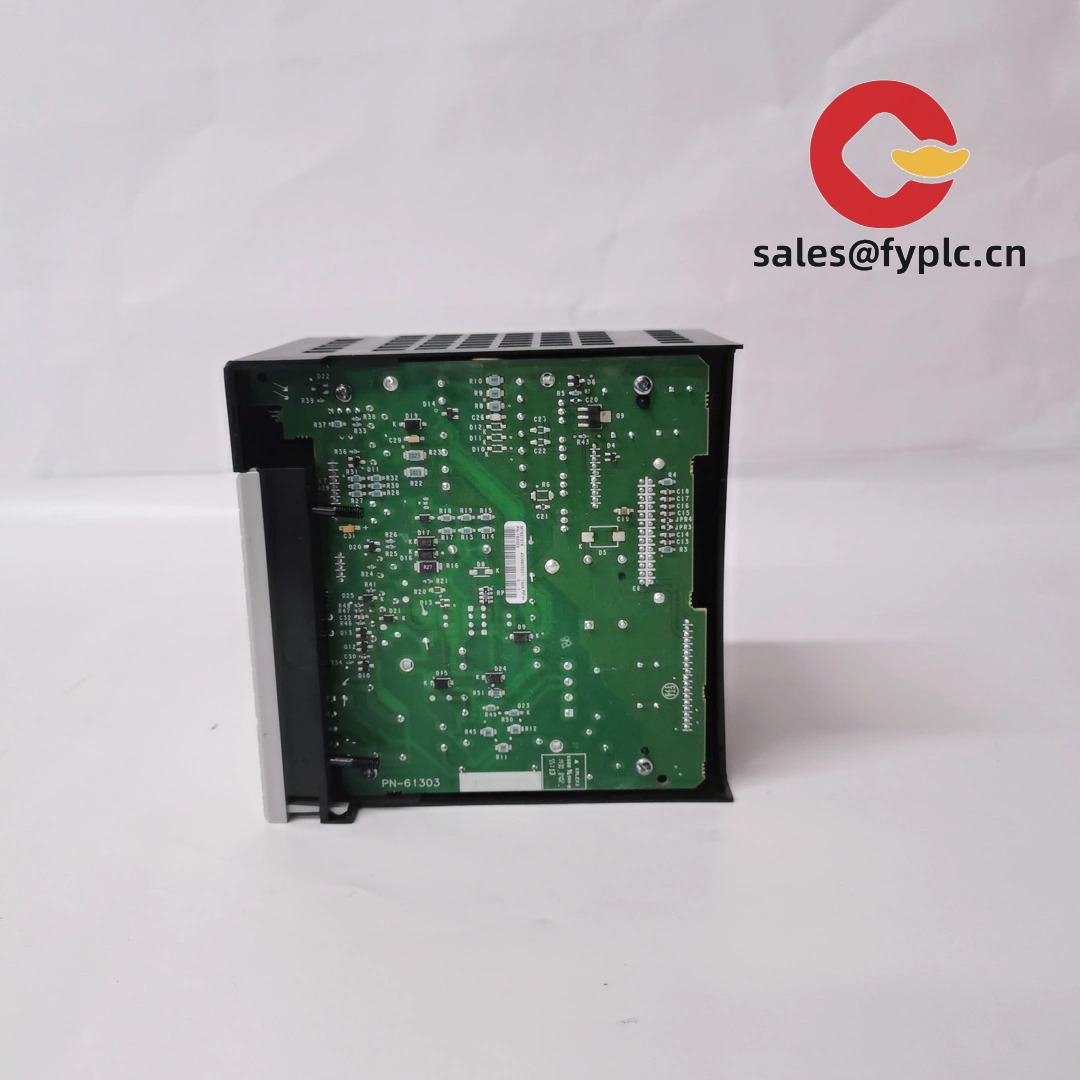
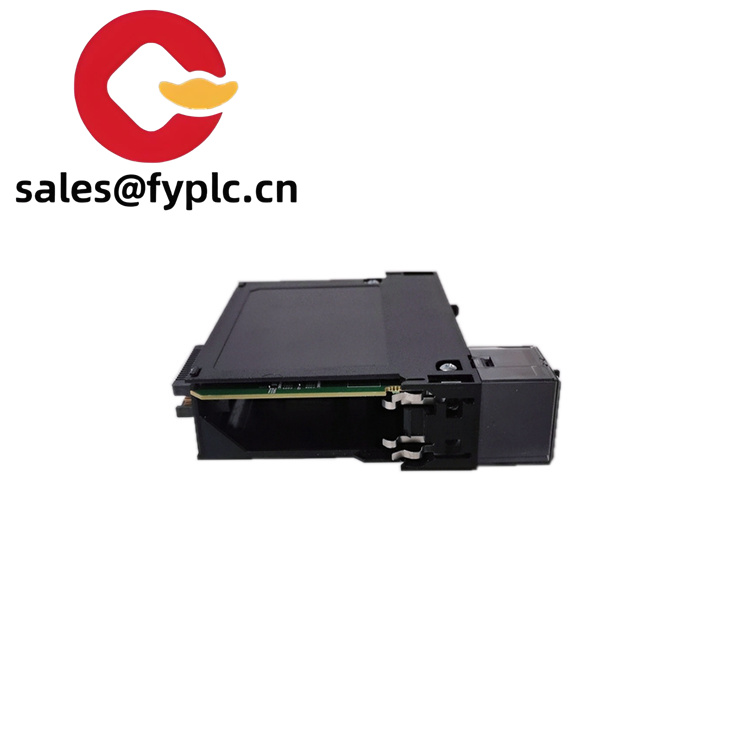
Allen-Bradley 1781-E2 Terminal Block: Reliable Signal Distribution for Tight Spaces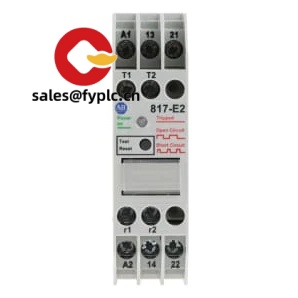
You know how terminal blocks seem boring until one fails mid-shift? That’s where the 1781-E2 shines. From my experience troubleshooting automotive assembly lines, this compact terminal block consistently handles vibration-heavy environments where cheaper alternatives start arcing. It’s not flashy, but when your PLC cabinet’s humming at 3AM, you’ll appreciate that solid connection.
Why Maintenance Teams Keep Ordering These
- 3.5mm pitch design – Squeezes 20% more circuits into cramped control panels. One plant manager told me it saved them $2k in cabinet modifications during a packaging line retrofit.
- Screwless spring clamps – Cuts wiring time by nearly half. Though some old-school techs still prefer screws, the spring tension holds steady through constant vibration (I’ve seen it survive 15G shocks on stamping presses).
- Color-coded barriers – Prevents miswiring during emergency swaps. Typically catches those “oops” moments when someone grabs the wrong wire in low-light conditions.
- UL/CSA listed – No certification headaches for North American deployments. In many cases, this alone justifies the slight premium over generic blocks.
Technical Specs at a Glance
| Parameter | Specification |
|---|---|
| Brand/Model | Allen-Bradley 1781-E2 |
| HS Code | 8536.90.00 (Electrical connectors for circuits ≤1000V) |
| Max Current/Voltage | 10A / 300V AC or 600V DC |
| Operating Temp | -25°C to +70°C (derate above 55°C) |
| Wire Range | 22-14 AWG stranded |
| Installation | 35mm DIN rail (EN 60715 standard) |
Where It Actually Gets Used
You’ll find these in places where space and reliability collide – like food processing lines where washdowns cause condensation, or robotic welding cells with constant electromagnetic interference. One customer recently installed them in elevator control panels; they needed something that wouldn’t corrode from brake dust while fitting narrow junction boxes. It seems to handle those gritty environments better than terminal blocks with exposed metal parts.
The Real Value Beyond the Price Tag
Procurement folks often ask why we don’t switch to cheaper alternatives. Simple: downtime costs dwarf the component price. When a terminal block fails on a bottling line, you’re losing $8k/hour – not exactly the place to save $3.50 per connection. Plus, Rockwell’s global support means if you blow one up during commissioning (it happens), we’ll overnight a replacement with firmware-matched spares. The 365-day warranty covers field failures, not just manufacturing defects – something generic brands rarely honor.
Installation & Care Tips
Mount it on standard DIN rail with at least 10mm clearance above/below for airflow – I’ve seen failures from cramming them too tight in retrofits. When wiring, don’t over-tighten spring clamps; just press the lever fully (you’ll feel it click). Maintenance is minimal: check for wire discoloration during quarterly inspections, and blow out dust with compressed air. No calibration needed, but if your facility uses high-frequency drives, verify connections annually since vibration can loosen strands.
Certifications & Peace of Mind
Carries UL 508A, CSA C22.2, CE, and RoHS markings – covers most global deployments without paperwork headaches. The manufacturing facility is ISO 9001 certified, which matters more than you’d think for consistency batch-to-batch. And yes, the 365-day warranty starts from delivery date (not installation), with express shipping via DHL/FedEx included if we’re at fault. Payment’s straightforward: 50% upfront, balance before shipment – keeps things moving without financing delays. Most in-stock orders ship within a week, though custom configurations might take up to four weeks.
Reviews
There are no reviews yet.