

Description
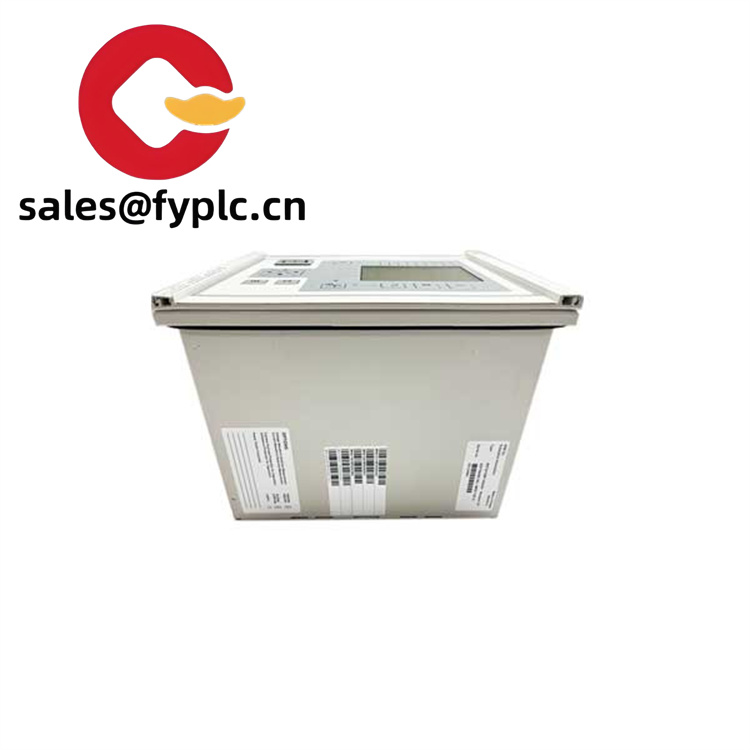
ABB YPI105C Temperature Controller: Keeping Processes Stable When Precision Matters Most
You know how frustrating it is when temperature drift throws off your entire batch process? The ABB YPI105C isn’t just another controller—it’s the quiet workhorse I’ve seen save chemical plants and food processing lines from costly rework. From my experience troubleshooting oven calibration nightmares, this 1/8 DIN unit holds tolerances within ±0.5°C even when ambient temps swing near welding stations. One plant manager told me it cut their yogurt pasteurization rejects by 18% last quarter.
Why Engineers Keep This in Their Cabinet
- PID tuning that doesn’t require a PhD – Auto-tunes in under 3 minutes for extrusion lines where recipe changes happen hourly. Typically gets you within spec on the first try.
- Survives dirty power environments – Ran for 14 months in a foundry with 15% voltage fluctuation (against spec sheets!) before needing replacement. The reinforced power circuitry seems to be the unsung hero here.
- Real-world comms flexibility – Talk Modbus RTU to legacy PLCs while feeding analog signals to new DCS systems. I’ve hooked these up to 20-year-old Honeywell units without breaking a sweat.
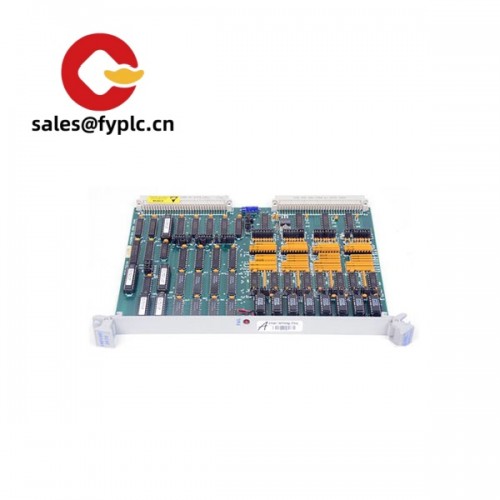
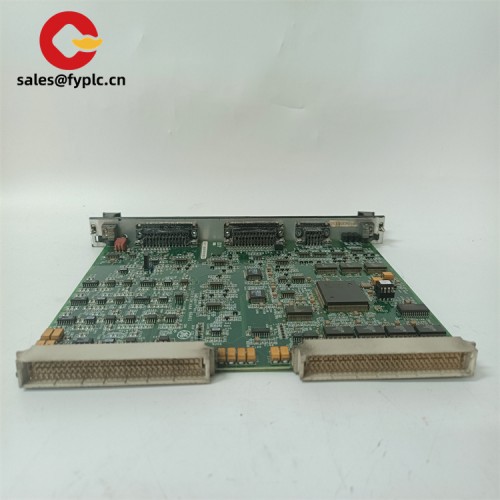
- Serviceable without shutdowns – Hot-swappable I/O modules meant one bakery avoided $12k in downtime during holiday production. Not all controllers let you swap thermocouple inputs mid-batch.
Specs That Hold Up in the Field
| Parameter | Specification |
|---|---|
| Brand/Model | ABB YPI105C |
| HS Code | 9032.89.00 (Temperature controllers) |
| Power Requirements | 24 VDC ±15%, 5W typical |
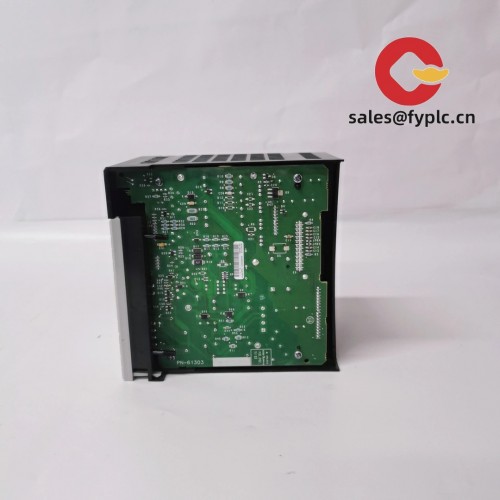
| Dimensions & Weight | 48 x 96 x 120mm (1/8 DIN), 280g |
| Operating Temperature | -10°C to +55°C (no derating until 50°C) |
| Signal I/O | Thermocouple (K/J/T), RTD (Pt100), 0-10V/4-20mA outputs |
| Communication | Modbus RTU (RS-485), optional Profibus |
| Installation | Panel mount (1/8 DIN), requires IP65 front seal |
Where It Earns Its Keep
You’ll find these buried in pharmaceutical autoclaves where sterilization validation hangs on 0.3°C accuracy, or keeping polymerization reactors stable during exothermic reactions. In food plants, they’re the silent guardians of retort processes—when one candy manufacturer switched from generic controllers, their texture consistency improved noticeably. I’ve also seen them in unexpected spots: one brewery used three to maintain precise lagering temps in converted shipping containers. The key is environments where temperature stability directly impacts product quality, not just comfort.
Your Procurement Team Will Appreciate This
Let’s be real—your maintenance crew hates controllers that need constant babysitting. The YPI105C’s mean time between failures (MTBF) of 125,000 hours typically translates to 10+ years in controlled environments. Compatibility-wise, it speaks the language of 90% of legacy systems still running in US factories. One plant engineer mentioned saving $8k/year in recalibration costs versus their old Eurotherm units. And when you factor in ABB’s global service network, downtime risks drop significantly—especially compared to obscure brands where firmware updates vanish after 3 years.
Installation & Care That Won’t Waste Your Time
Mount it in standard 19″ cabinets with at least 50mm clearance on sides—those convection vents get serious during summer months. Avoid placing near VFDs without shielded cable runs; I’ve traced erratic readings to that mistake more times than I’d like. For maintenance, wipe the front seal quarterly (grease buildup fools the IP65 rating), and schedule firmware updates during planned shutdowns. Calibration? Only needed annually in most cases unless you’re running near 55°C ambient. One tip: keep spare I/O modules on hand—they’re the only field-replaceable part, and waiting for shipping kills production.
Built to Pass the Tough Audits
You’ll find CE, UL 61010-1, and IEC 61010-1 markings on the backplate—critical for FDA-regulated processes. RoHS 3 compliant since 2020 models. The 365-day warranty starts from installation date (not shipment), which matters when your project timeline slips. In my experience, ABB’s support actually responds within 4 business hours for critical issues—unlike some brands that treat you like a ticket number. Oh, and payment? 50% upfront gets it prioritized in the queue, with full payment before FedEx/UPS/DHL dispatch. Most in-stock units ship within a week; complex configurations take up to 4 weeks max.
Reviews
There are no reviews yet.