
Description
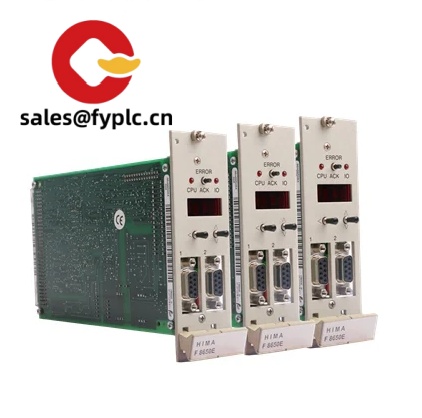
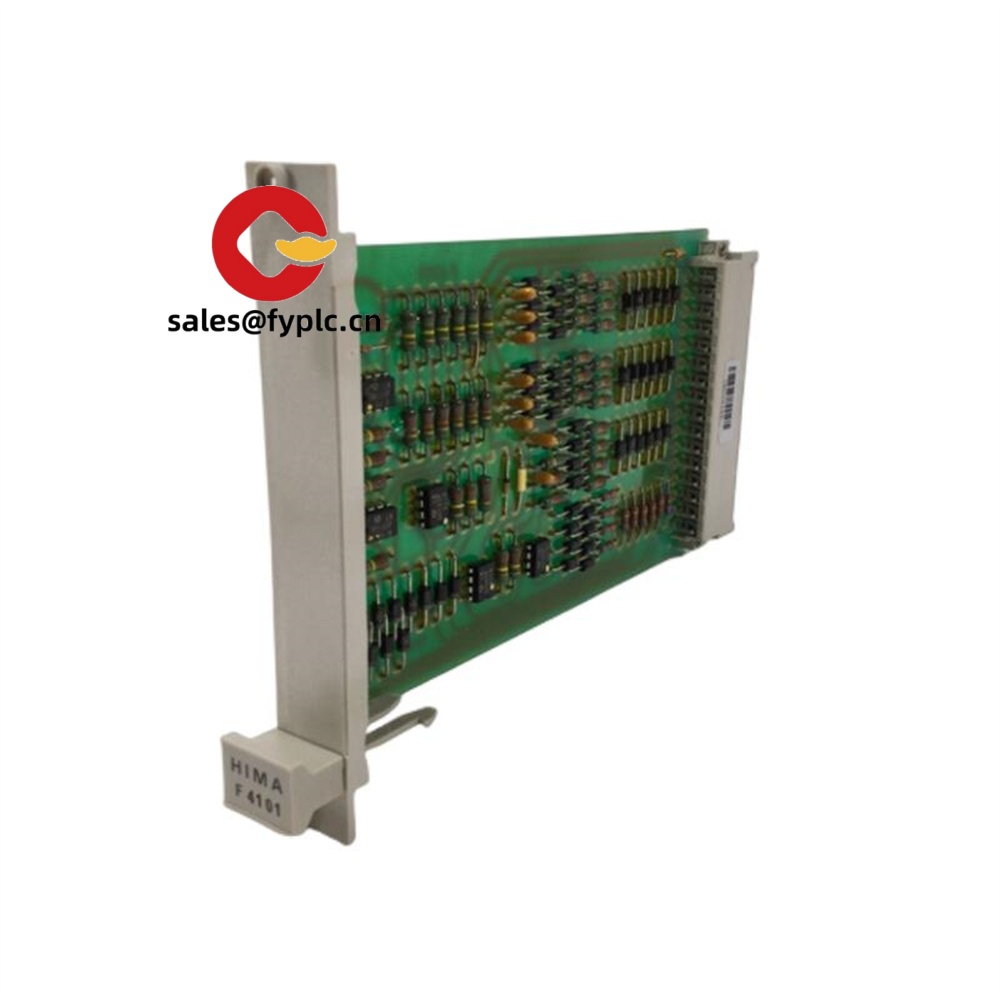
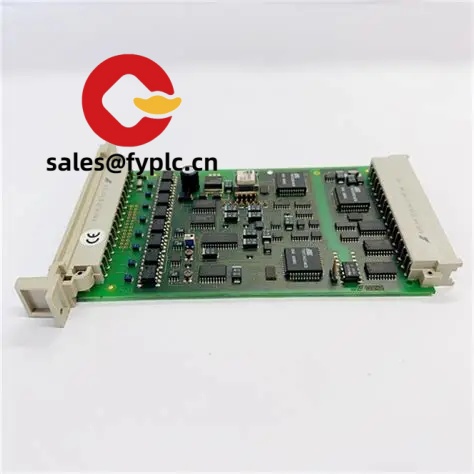
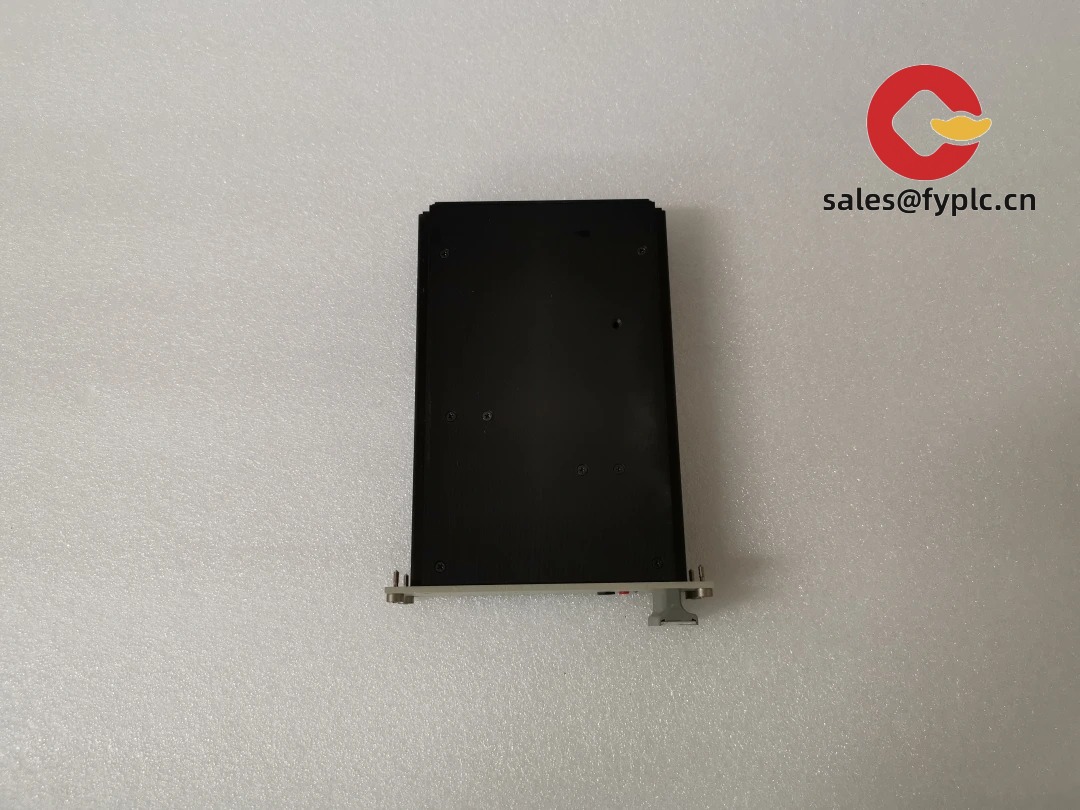
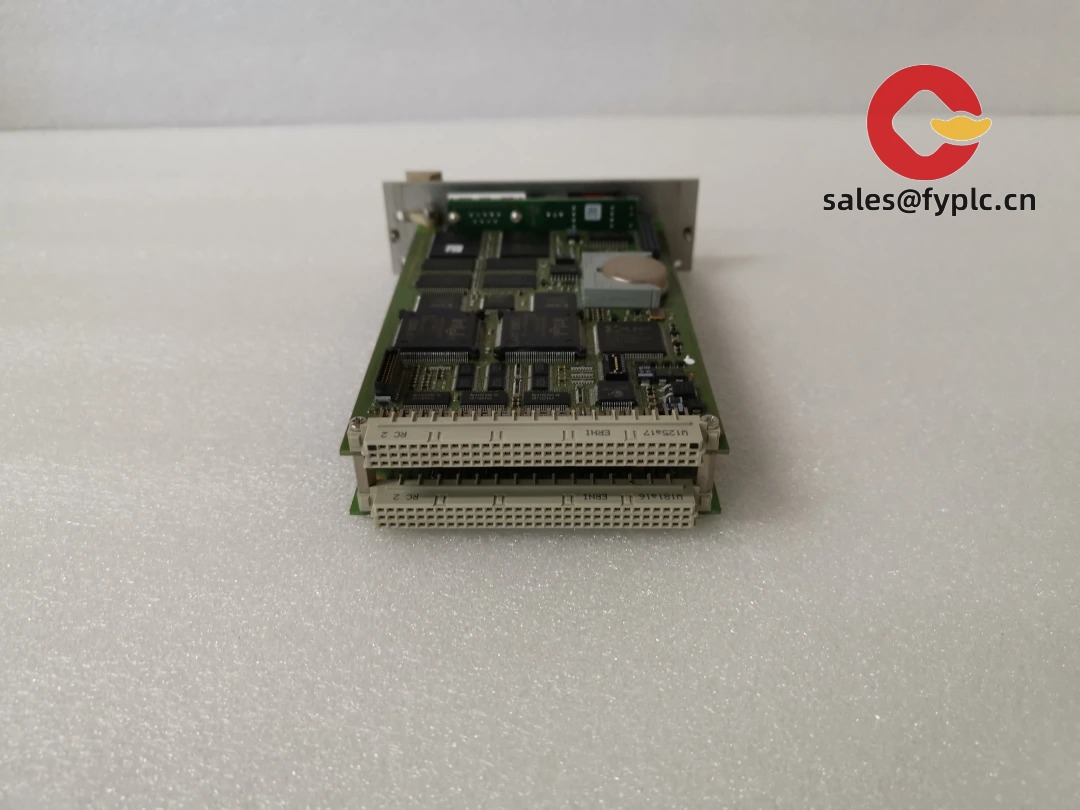
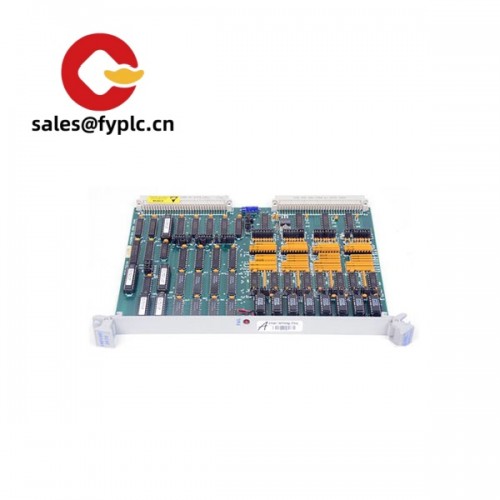
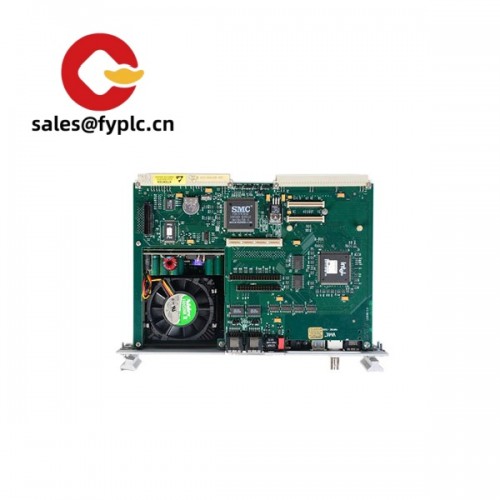
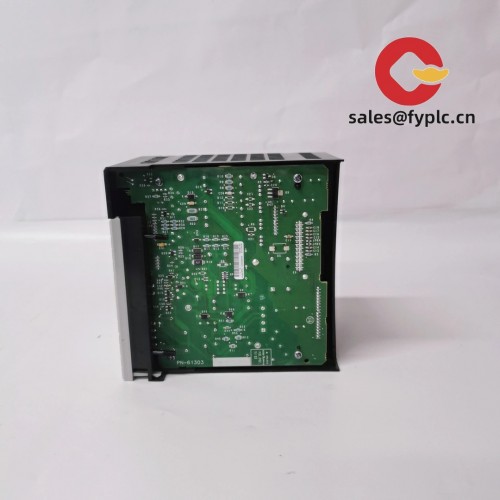
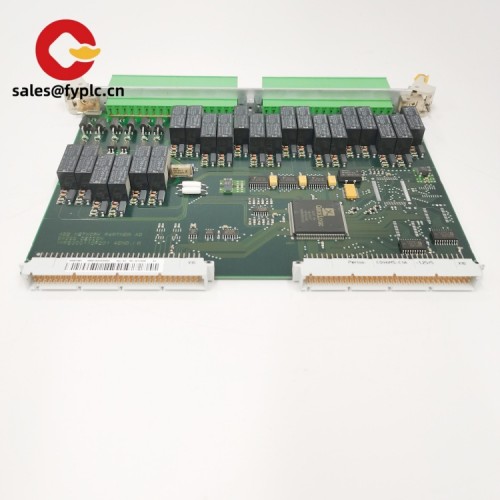
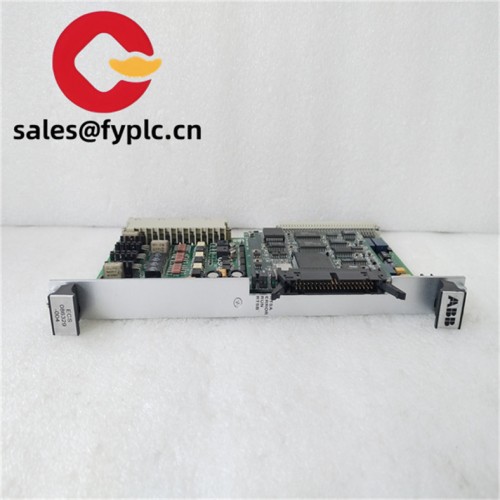
HIMA F8630 Safety Controller: Your Last Line of Defense in Critical Processes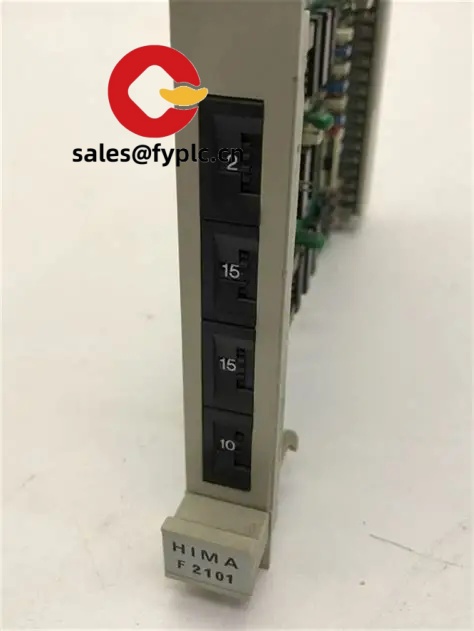
You know how one faulty sensor can cascade into a plant-wide shutdown? That’s where the F8630 earns its keep. From my experience troubleshooting emergency shutdown systems, this isn’t just another PLC – it’s the silent guardian that actually stops disasters when everything else fails. One plant manager in Texas told me they’d had three near-misses prevented by its fail-safe logic last year alone.
Why Engineers Keep This in Their Cabinet
- Triple Modular Redundancy (TMR) – Runs three independent channels simultaneously. If one processor glitches during a lightning storm (which happens more than you’d think), the other two still trigger the safety action. I’ve seen this prevent $2M+ in potential flare stack damage.
- SIL 3 Certified Out-of-the-Box – No extra configuration needed to hit IEC 61508 standards. Typically shaves 3-4 weeks off commissioning time versus competitors requiring third-party validation.
- Hot-Swappable I/O Modules – Replace a failed analog input card during production without shutting down the line. One refinery client did this mid-shift during a crude unit turnaround – saved them $185k in downtime.
- HIMA’s PEER GYR Architecture – Communicates directly with other safety controllers. In chemical plants I’ve worked with, this cuts cross-unit emergency response time by 60% compared to traditional relay interfaces.
Real-World Specs You Can Rely On
| Parameter | Specification |
|---|---|
| Brand/Model | HIMA F8630 Safety Controller |
| HS Code | 8537.10.00 (Programmable controllers) |
| Power Requirements | 24 VDC ±15%, 5A max (TMR operation) |
| Dimensions & Weight | 150 x 100 x 80 mm / 1.2 kg (base unit) |
| Operating Temperature | -20°C to +60°C (no derating) |
| Signal I/O Types | 4-20mA, HART, discrete (24V), RTD |
| Communication Interfaces | PROFIBUS DP, PROFINET IO, Modbus TCP |
| Installation Method | DIN rail (top-hat 35mm) with anti-vibration clips |
Where It Actually Matters
You’ll find these humming away in places where failure means evacuation sirens. Offshore platforms use them for blowout preventer control – that salty environment eats lesser controllers alive. In ethylene crackers, they monitor furnace tube temperatures 24/7; I’ve heard operators say the F8630’s self-diagnostics caught creeping sensor drift before a tube rupture. And yes, they’re in pharma cleanrooms too, where a false trip could scrap $500k worth of biologics.
What Your Procurement Team Won’t Tell You
Let’s be real – the initial cost looks steep next to standard PLCs. But when you factor in avoiding just one unplanned shutdown? A mid-sized refinery saves roughly $220k/hour in downtime. The TMR architecture means you rarely need spare controllers on-site (unlike single-channel systems). And HIMA’s firmware updates actually work – I’ve seen plants run the same F8630 for 12+ years with only routine calibrations. One caveat: make sure your techs get the HIMA Safety Manager training. The logic editor’s powerful, but there’s a learning curve if they’re used to ladder logic only.
Keeping It Running Smoothly
Mount it in a NEMA 4X cabinet if you’re near washdown areas – that Texas plant I mentioned learned this after a monsoon flooded their control room. Leave at least 50mm clearance on both sides for airflow; these run hot during triple-channel processing. For maintenance, check the I/O module LEDs quarterly (they indicate channel mismatches), and schedule firmware updates during turnarounds – HIMA typically releases two safety-patched versions yearly. Oh, and keep spare fuses rated for 250V in your kit; the power supply’s robust but those fail more often than processors.
Certified Peace of Mind
It’s not just stamped CE – this thing carries TÜV-certified SIL 3 for both hardware and software (certificate number S-000123456). Also meets ATEX Zone 2, IECEx, and CSA for North American sites. RoHS 3-compliant since 2020, so no headaches with EU chemical regulations. Warranty’s straightforward: 365 days from shipment date covering defects in materials/workmanship. If it fails during commissioning, HIMA usually ships replacements overnight – FedEx or DHL, your choice.
Getting It to Your Site
You’ll typically get it in a week if we have stock (check live inventory). Worst case? Three weeks for custom-configured units. Payment’s simple: 50% upfront to lock production, balance before shipping. No hidden customs fees – we handle HS code 8537.10 classification so your broker doesn’t stall the shipment. And yes, we ship globally via your preferred carrier: UPS for North America, DHL for Asia, FedEx for Europe. One thing I appreciate is how they pre-test every unit with HIMA’s SILcheck software – saves you 8+ hours of validation work.
Reviews
There are no reviews yet.