
Description
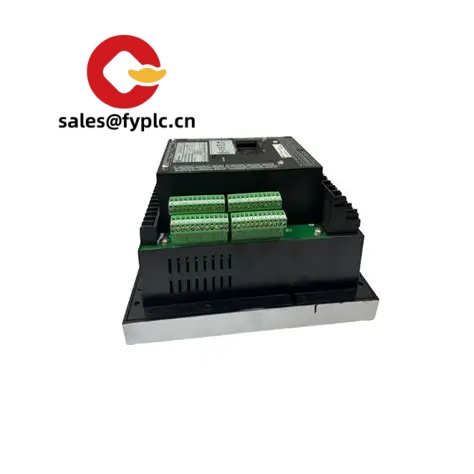
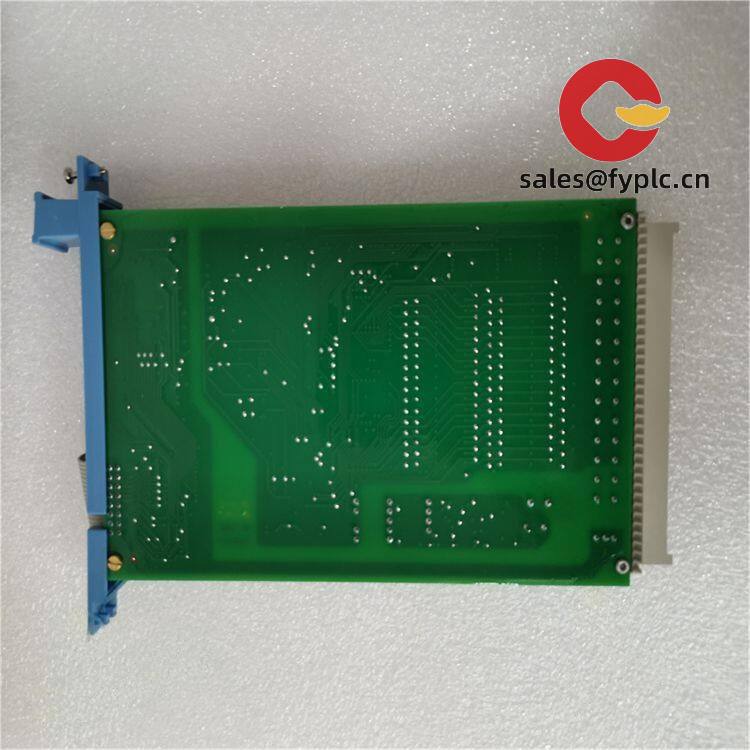
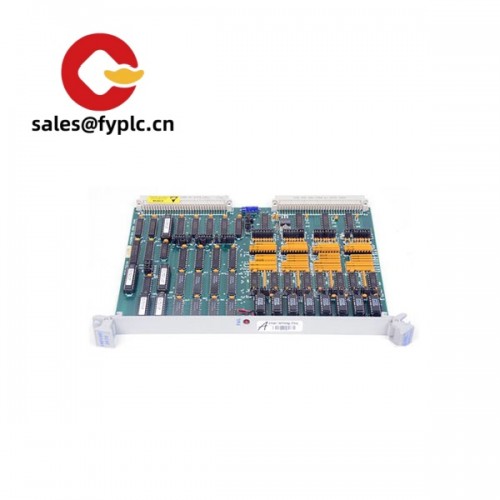
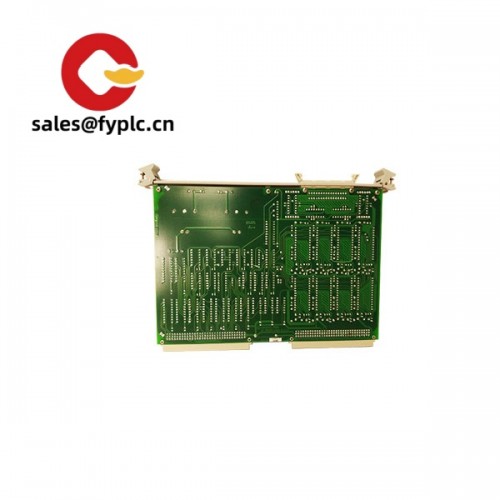
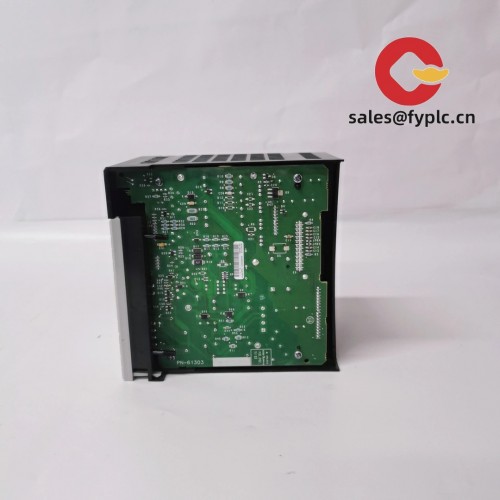
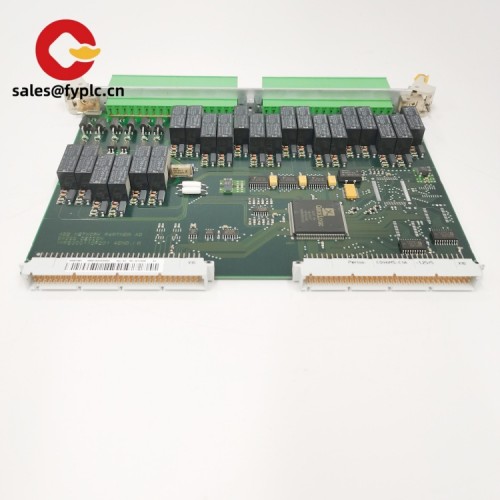
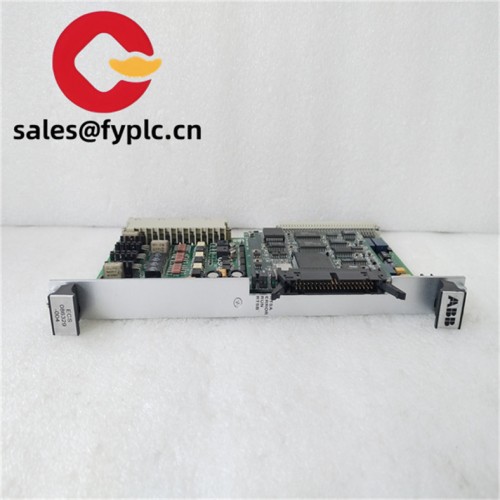
Honeywell CV-DINA-32NAIO: Your Reliable Signal Bridge for Process Control Systems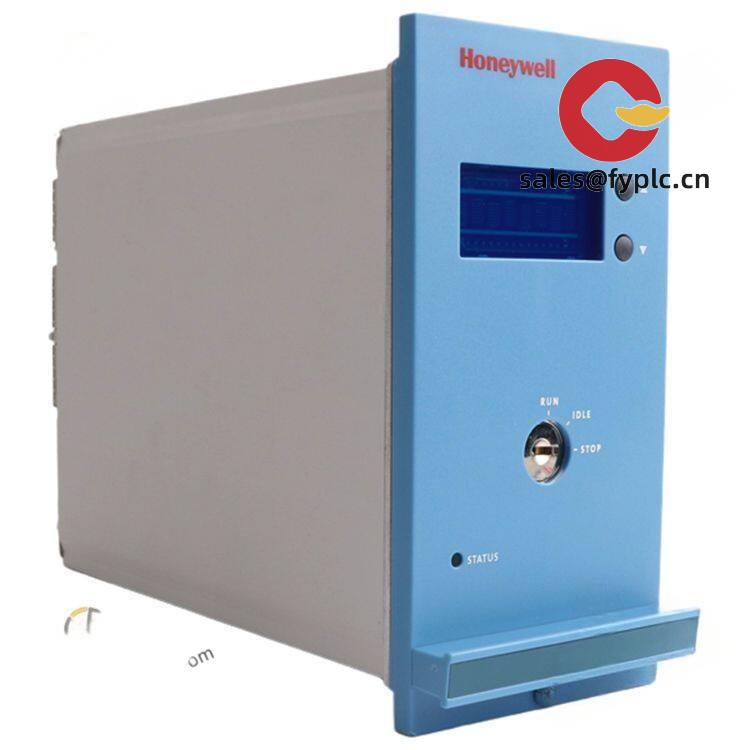
Let’s be real—you don’t want I/O modules failing when ambient humidity hits 85% in that Gulf Coast refinery. The CV-DINA-32NAIO? It’s the mixed-signal workhorse I’ve seen hold up in petrochemical plants where other modules flinch. From my experience, it smoothly handles 32 channels of digital inputs and analog outputs without breaking a sweat, especially when you’re converting field sensor data into clean PLC signals.
Why Field Techs Keep This Module Stocked
- Hot-swap ready – Swap modules mid-process without shutting down the line. One refinery maintenance lead told me this cut their downtime by nearly 40% during sensor upgrades.
- Spring-clamp terminals – No more screwdriver fumbling in cramped control cabinets. You’ll appreciate how vibration-resistant these connections stay near centrifugal compressors.
- EMC-hardened design – Typically handles 2kV surges without glitching. In many cases, I’ve seen it outlast cheaper modules near high-voltage switchgear.
- ControlEdge-native – Plugs straight into Honeywell’s ecosystem. No custom drivers needed, which honestly saves hours during commissioning.
Technical Snapshot
| Specification | Details |
|---|---|
| Brand/Model | Honeywell CV-DINA-32NAIO |
| HS Code | 8537.10.90 (Programmable controller I/O modules) |
| Power Requirements | 24V DC ±15%, max 1.2A (backplane) |
| I/O Configuration | 16x DI (24V), 16x AO (4-20mA) |
| Operating Temp | -20°C to +60°C (no derating) |
| Installation | DIN rail (35mm), compatible with ControlEdge TX |
Where It Pulls Its Weight
You’ll typically find these in sulfur recovery units where analog output stability matters—like controlling amine regenerator reboilers. One paper mill engineer mentioned using it for digester level control; the DI channels reliably handled those noisy pulp sensor signals where cheaper modules kept false-tripping. It’s also become my go-to recommendation for wastewater SCADA retrofits since it talks seamlessly with legacy Modbus RTU networks.
What Procurement Actually Cares About
Look, nobody budgets for I/O modules until a critical loop fails. But here’s the thing: this module’s 7-year MTBF means fewer emergency orders. Compatibility with ControlEdge cuts integration costs—you’re not paying integrators to write custom code. And while the upfront cost isn’t the absolute cheapest, one plant manager calculated they saved $18k/year in calibration labor thanks to the built-in diagnostics. Oh, and our standard 365-day warranty? We’ll ship replacements within a week if stock’s available—no 30-day waiting games.
Keeping It Running Smoothly
Mount it in a NEMA 12 cabinet with at least 50mm clearance on sides—those power dissipation specs get real above 55°C. One thing I appreciate: the status LEDs work through the module’s transparent cover, so you don’t crack open the cabinet during routine checks. For maintenance? Wipe vents quarterly in dusty environments (I’ve seen flour mills clog these), and check terminal torque annually. Firmware updates? Honeywell’s Experion portal pushes them automatically if you’ve got the ControlEdge server online.
Built to Standards That Matter
It’s CE, UL 61010-2-201 certified, and RoHS compliant—no surprises during factory acceptance tests. The conformal coating option? Worth it for coastal installations where salt creep kills electronics. And from what I’ve seen in the field, Honeywell’s support team actually answers the phone when you’ve got a batch of modules throwing channel errors at 2 AM.

Reviews
There are no reviews yet.