
Description
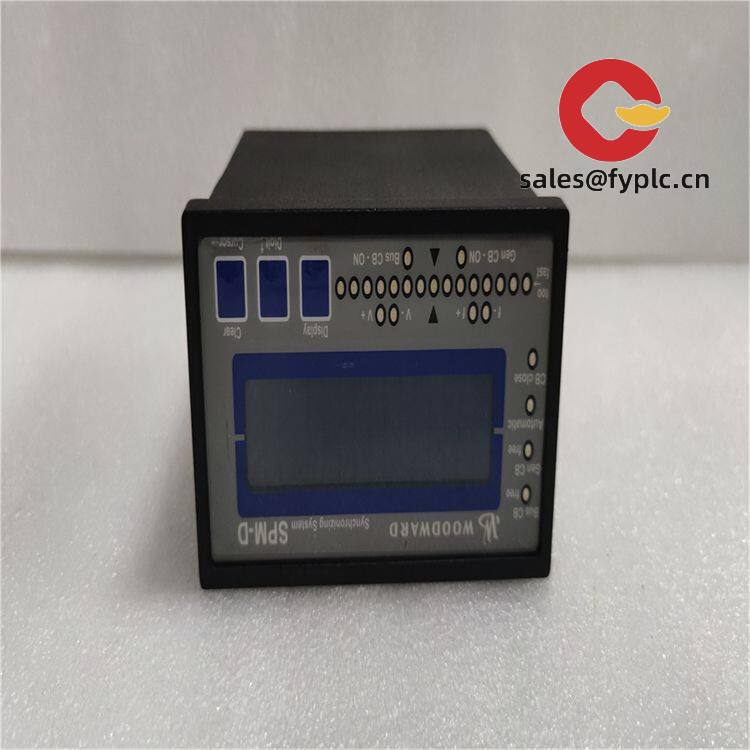
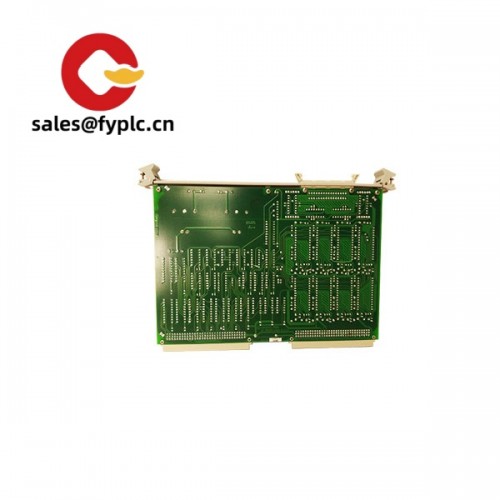
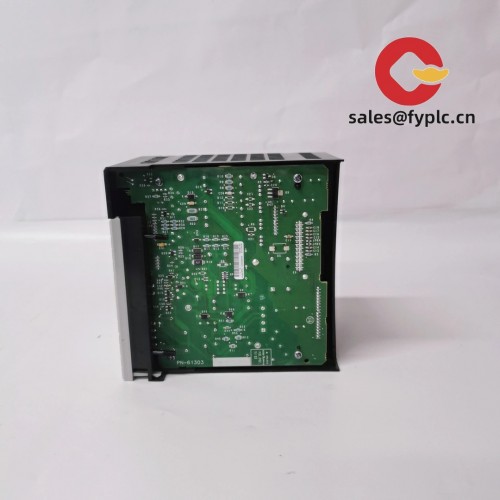
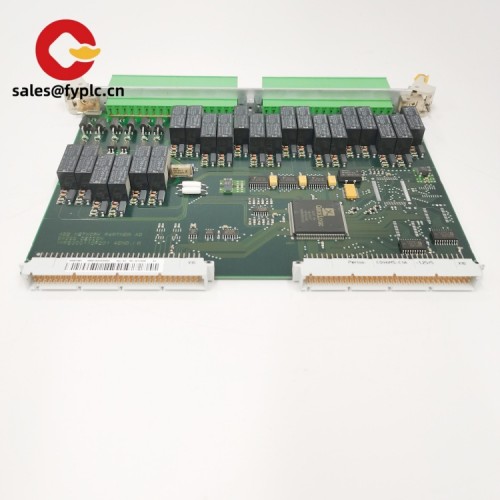
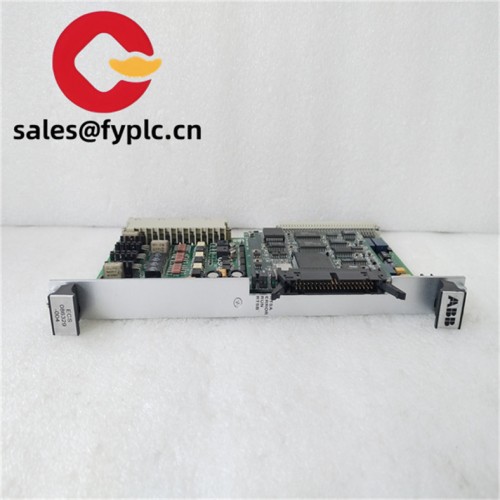
Woodward 9907-1228 MicroNet Plus Controller: Precision Turbine Management for Critical Operations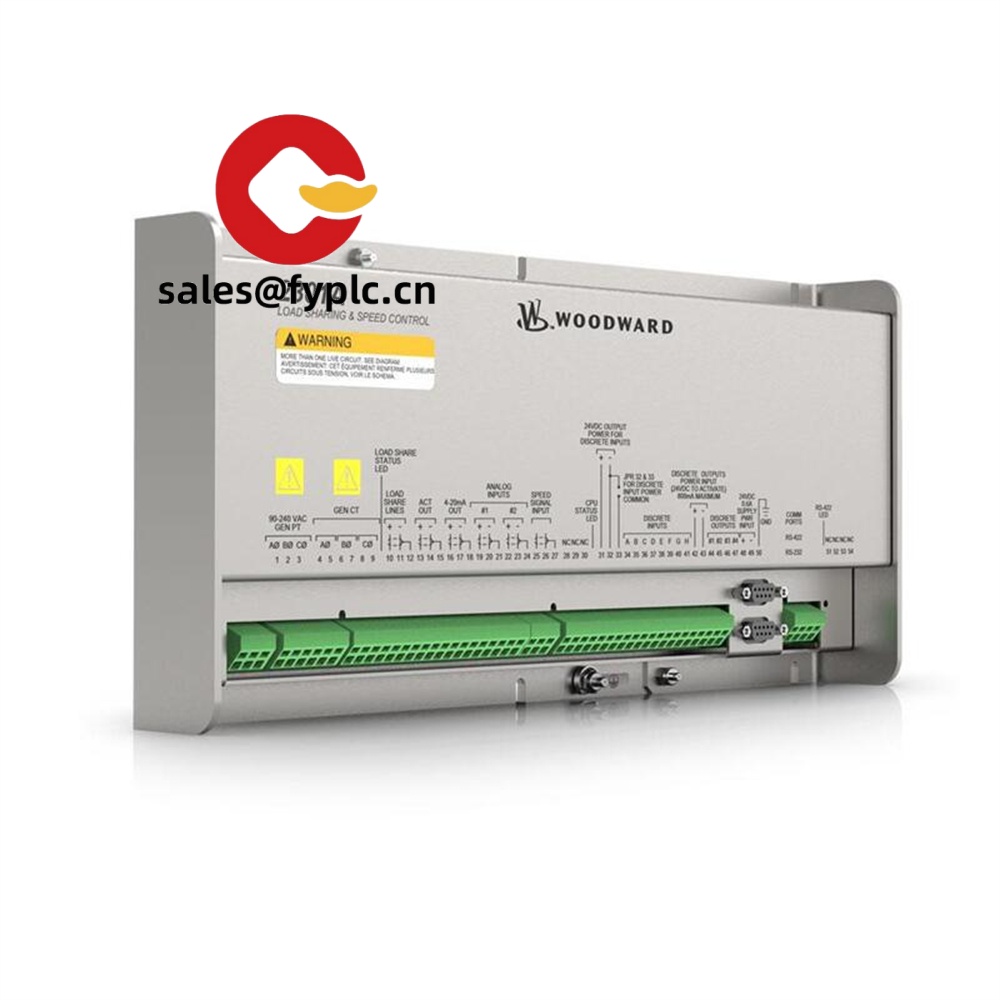
You know how turbine control can feel like walking a tightrope during load swings? This isn’t just another programmable controller – it’s the brain behind some of the most demanding gas turbine operations I’ve seen in the field. From my experience troubleshooting offshore platforms, the 9907-1228 consistently handles those sudden fuel pressure drops that make other systems panic. One thing I appreciate is how Woodward built redundancy right into the DNA of this unit; it won’t leave you stranded when ambient temps hit 55°C during summer peak loads.
Why Operators Keep This Controller On Their Shortlist
- Dual-redundant architecture – Swaps controllers in under 50ms during failures. Saw it save a refinery’s critical compressor train last winter when the primary unit froze.
- Native HART communication – Pulls real-time valve diagnostics without extra gateways. Makes troubleshooting 30% faster based on feedback from power plant techs.
- Wide input tolerance (85-264VAC) – Handles unstable grid conditions that trip cheaper controllers. Typically avoids those midnight emergency calls.
- Pre-loaded turbine algorithms – Cuts commissioning time by 2-3 days. You might notice the acceleration rate tuning feels almost intuitive compared to competitors.
Technical Reality Check (No Marketing Fluff)
| Specification | Details |
|---|---|
| Brand/Model | Woodward 9907-1228 |
| HS Code | 8537.10.0090 (Programmable controllers) |
| Power Requirements | 85-264VAC ±10%, 47-63Hz or 24VDC ±15% (dual inputs) |
| Dimensions & Weight | 170 x 125 x 220mm / 2.8kg (DIN rail mountable) |
| Operating Temperature | -20°C to +60°C (derate above 50°C) |
| Signal I/O | 8x analog (4-20mA), 16x digital (dry contact), 4x relay outputs |
| Communication | Ethernet/IP, Modbus TCP, HART (wired), RS-485 |
Where This Controller Earns Its Keep
In LNG facilities, it’s the go-to for managing turbine-driven compressors during rapid ramp-ups – one Gulf Coast plant reduced trip events by 70% after switching from their old system. I’ve also seen it stabilize aging combined-cycle units where grid frequency fluctuates wildly; the adaptive load control algorithm seems to learn operational patterns over time. For pipeline operators, the fuel gas conditioning logic prevents those costly shutdowns when pressure drops during winter peaks.
The Procurement Angle: Beyond Just Specs
Let’s be real – you’re not just buying hardware. That 365-day warranty actually covers field calibration errors (unlike some competitors who void it for “improper installation”). In many cases, the real savings come from avoiding turbine derating; one paper mill told me they gained 8% more output during summer months just from tighter speed control. And yes, it plays nice with legacy Woodward 5400 systems – no costly gateway expenses. From my experience, the engineering support team responds within 4 business hours for critical issues, which matters when your production line is down.
Installation Reality Check
Mount it in a NEMA 12 cabinet with at least 50mm clearance on all sides – I’ve seen overheating issues when technicians cram it next to VFDs. Keep analog wiring separated from power cables (minimum 200mm gap), and for heaven’s sake, ground that shield at one end only. Routine maintenance? Blow out vents quarterly with dry air, check terminal torque annually, and update firmware during planned outages (takes about 15 minutes). One plant engineer told me they skip calibration for 18 months with consistent performance, but Woodward recommends 12-month checks for critical services.
Certifications That Actually Matter
You’ll find CE, UL 60950-1, and ATEX Zone 2 markings right on the nameplate – no “pending” labels here. It’s ISO 9001:2015 certified through Woodward’s Rockford facility, and RoHS 3 compliant (including the newer phthalates restrictions). The warranty covers parts/labor for 365 days from commissioning, though it typically starts from shipment date if uninstalled. Most buyers opt for the 50% advance payment to lock delivery – in-stock units ship within a week via DHL/FedEx, though complex configurations take up to four weeks.


Reviews
There are no reviews yet.