
Description
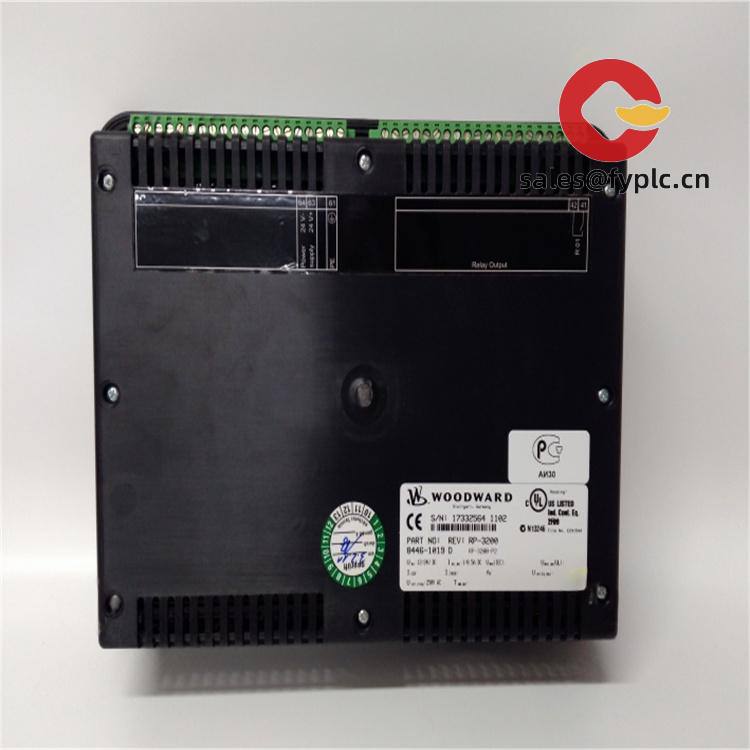
Woodward 8446-1019 – Inductive Proximity Switch for Turbine/Engine Position and Speed Sensing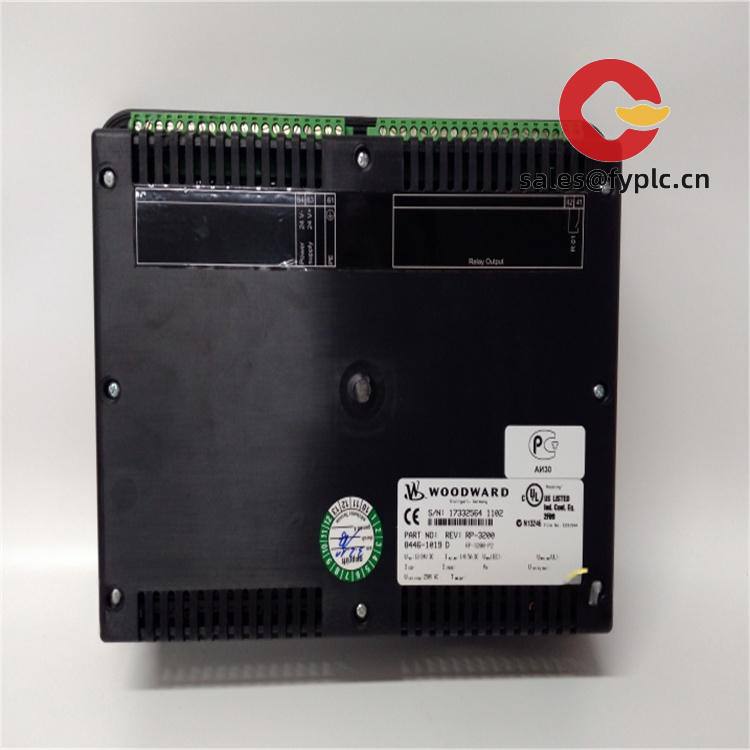
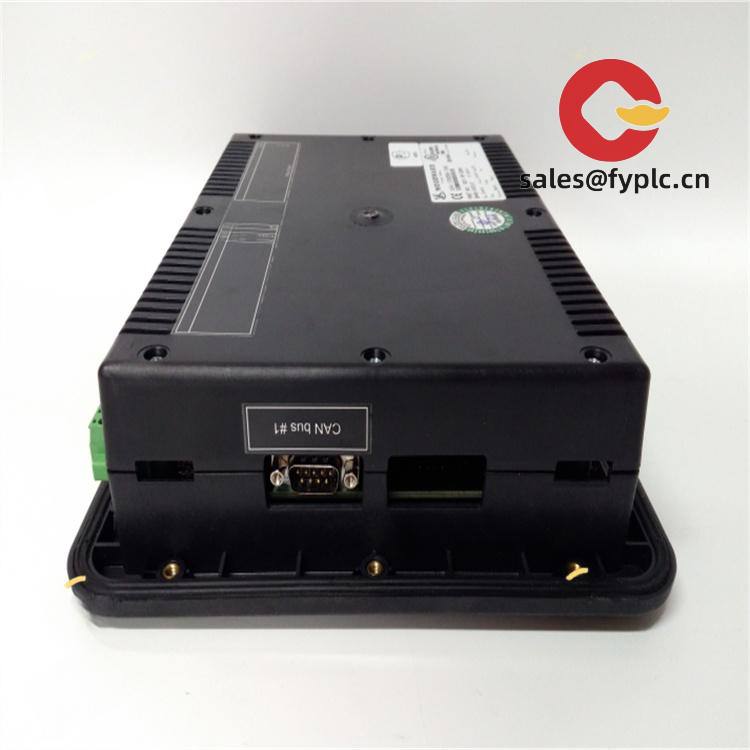
The Woodward 8446-1019 is a rugged inductive proximity switch typically used with Woodward turbine and engine control systems (such as 2301, 505/505E, and Protech installations) for non-contact detection of shaft targets, gear teeth, or valve/actuator positions. From my experience, it’s chosen when users need a dependable, noise-immune sensor that plays nicely with standard 24 VDC logic inputs and survives in hot, oily, and vibration-prone environments.
Company’s Order Placement Process and Guarantees
- Warranty: 365 days
- Delivery: 1 week if in stock; no more than one month at the latest
- Payment: 50% advance payment, full payment prior to delivery
- Express options: FedEx, UPS, DHL
Key Features
- Non-contact sensing – Inductive detection reduces mechanical wear and alignment issues compared with mechanical limit switches.
- Designed for Woodward systems – Electrical characteristics are compatible with typical Woodward controller inputs used on turbines and large engines.
- Wide DC supply range – Operates on standard control-panel power; 24 VDC nominal is commonly applied in the field.
- Industrial-grade sealing – Built for harsh environments with oil mist, dust, and vibration; sealing and potting help extend service life.
- Stable switching at small gaps – Reliable detection of steel targets like gear teeth or flags, improving overspeed and position feedback integrity.
- Simple threaded mounting – Threaded body with locknut allows quick set-and-hold adjustment during commissioning.
- Short-circuit tolerant electronics (in many cases) – Typical protection helps reduce accidental damage during wiring.
Technical Specifications
| Brand / Model | Woodward 8446-1019 |
| HS Code | 8536.50 (proximity/switching devices, voltage not exceeding 1,000 V) |
| Power Requirements | DC supply, typically 10–30 VDC; 24 VDC nominal in most applications |
| Operating Temperature | Typically −40 to +85°C (field-proven for turbine/engine enclosures) |
| Signal Input/Output Types | Inductive proximity output, open-collector style compatible with standard controller logic inputs (NO switching) |
| Communication Interfaces | None (discrete sensor output) |
| Ingress Protection | Typically IP67 equivalent for industrial environments |
| Installation Method | Threaded cylindrical mount with locknut; adjustable sensing gap to a ferrous target |
Note: Specifications above reflect typical characteristics used with Woodward proximity sensing in turbine/engine service. If you’re matching an installed base, share your controller type and wiring (PNP/NPN preference) and we’ll verify the exact variant before shipment.
Application Fields
- Gas/steam turbine overspeed and speed pick-up (gear tooth or keyway target)
- Engine crank, cam, or flywheel sensing for start/sequence control
- Valve or actuator end-position feedback in turbine/generator control panels
- Compressor and pump skid logic—position or presence detection
- General machinery safety interlocks where non-contact sensing is preferred
Advantages & Value
- Reliability in harsh service – One thing I appreciate is how these sensors keep a clean signal even with vibration and oil mist.
- Compatibility with Woodward I/O – Reduces commissioning time and avoids trial-and-error wiring changes.
- Maintenance-friendly – Non-contact design typically means fewer replacements and less downtime compared with mechanical limit switches.
- Procurement confidence – Traceable sourcing, quick lead times, and simple stocking for spares on critical units.
Customer comment we hear a lot: “Swapped it in during a planned stop, set the gap to the target, and it just worked—no chasing intermittent signals after startup.”
Installation & Maintenance
- Mounting – Install in a clean, rigid bracket; tighten the locknut so vibration won’t walk the gap. Maintain a consistent sensing distance to a ferrous target.
- Cabinet & wiring – Use shielded cable for long runs; route away from high-current conductors. 24 VDC control power is typically used; verify polarity before energizing.
- Environmental considerations – Provide ventilation in enclosed cabinets; avoid pooling oil or condensate around the sensor head.
- Safety – Isolate control power before wiring. Confirm correct logic (NO/NC behavior) in the controller prior to live tests.
- Routine checks – Inspect the sensing face for debris, verify the air gap during outages, and confirm stable switching on a slow-roll or jog. Firmware updates aren’t applicable to the sensor, but it’s wise to keep your Woodward controller firmware current.
Quality & Certifications
- Manufactured within ISO 9001 quality systems (Woodward production)
- CE conformity and RoHS alignment for typical industrial proximity devices
- UL recognition may apply depending on the assembly and final panel listing
- One-year warranty support (365 days) from shipment date
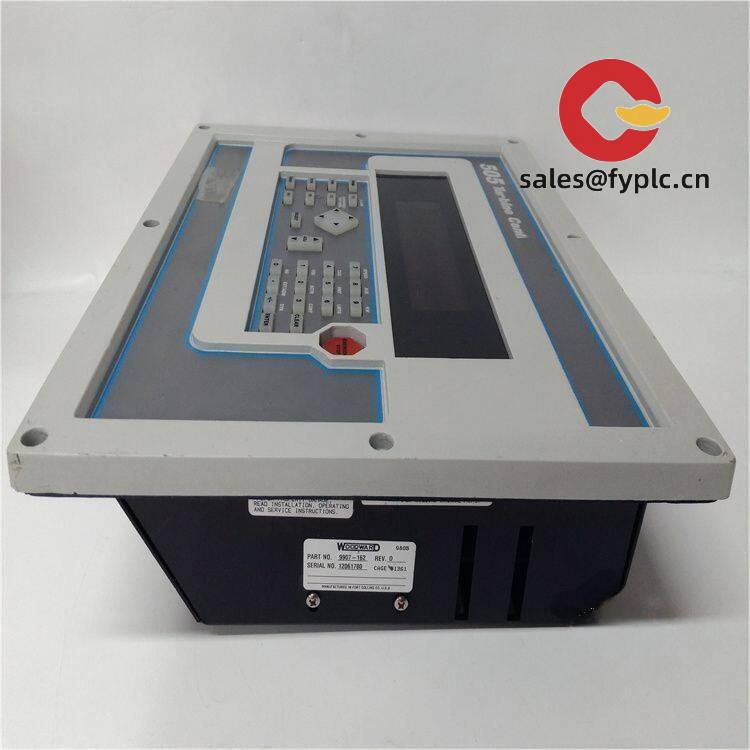
If you’re replacing an installed 8446-1019, a quick photo of the old unit’s label and your controller model helps us double-check output type and cable/wire spec before dispatch.

Reviews
There are no reviews yet.