
Description
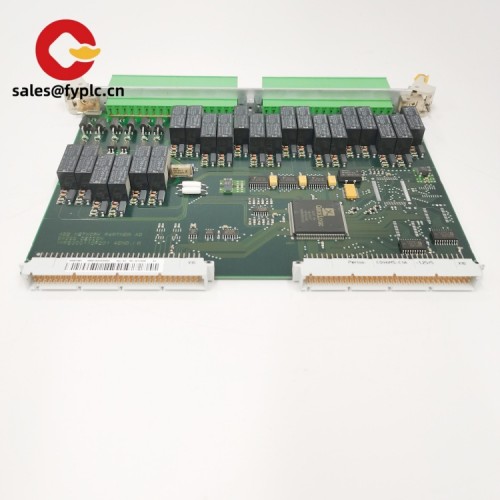
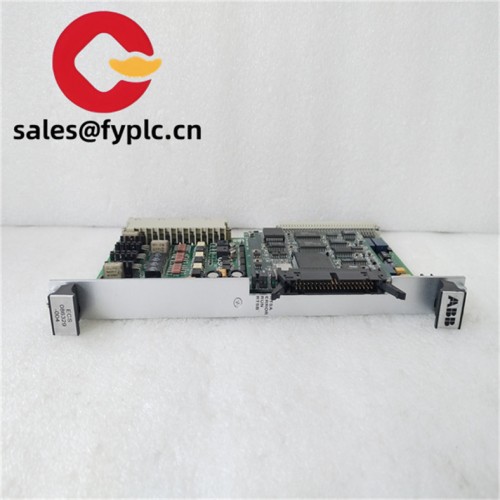
TRICONEX 3701 – TMR I/O Module for High-Integrity Safety and Temperature Monitoring
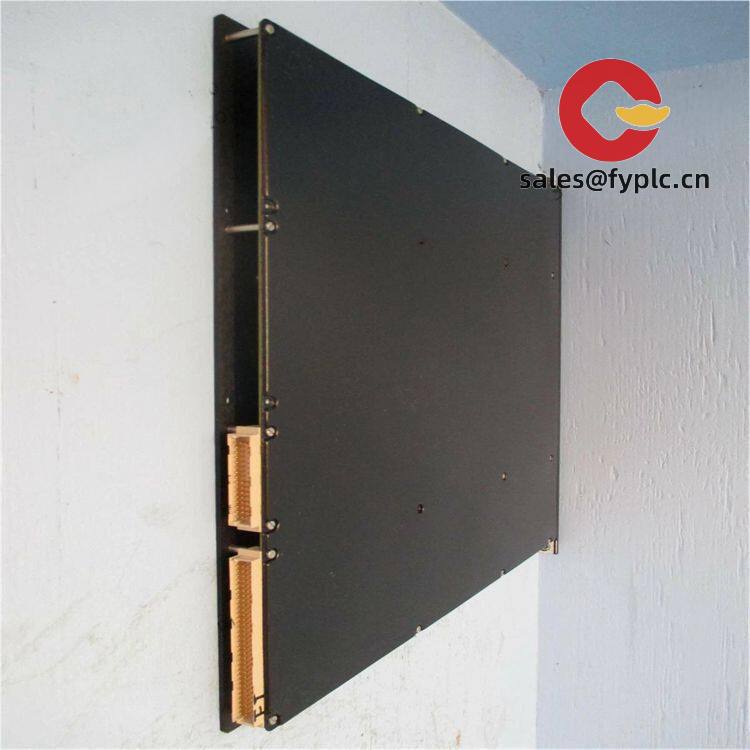
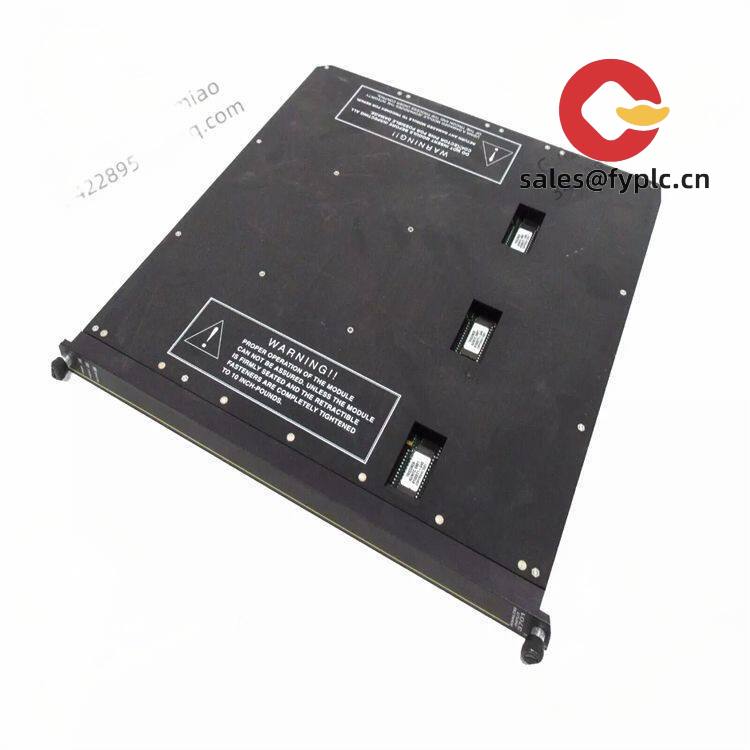
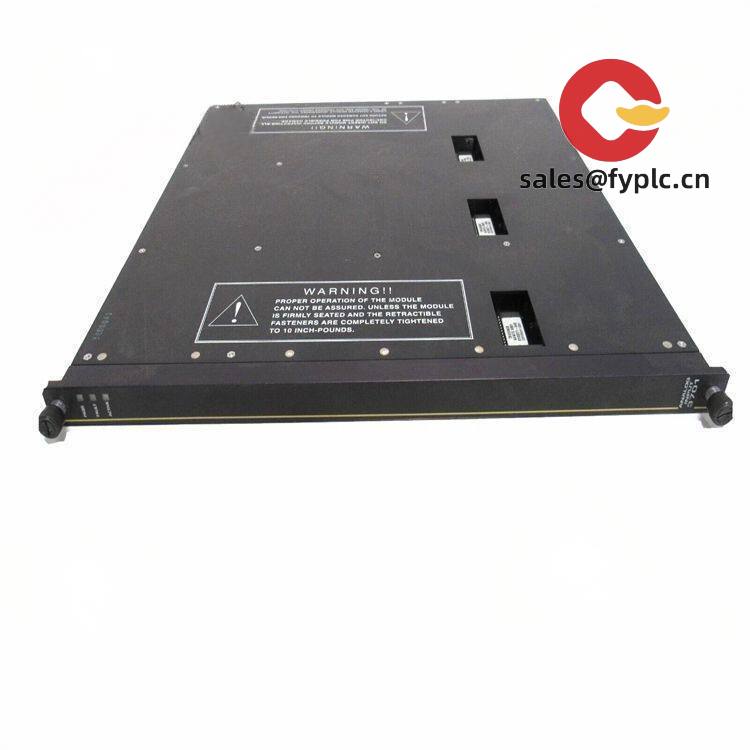
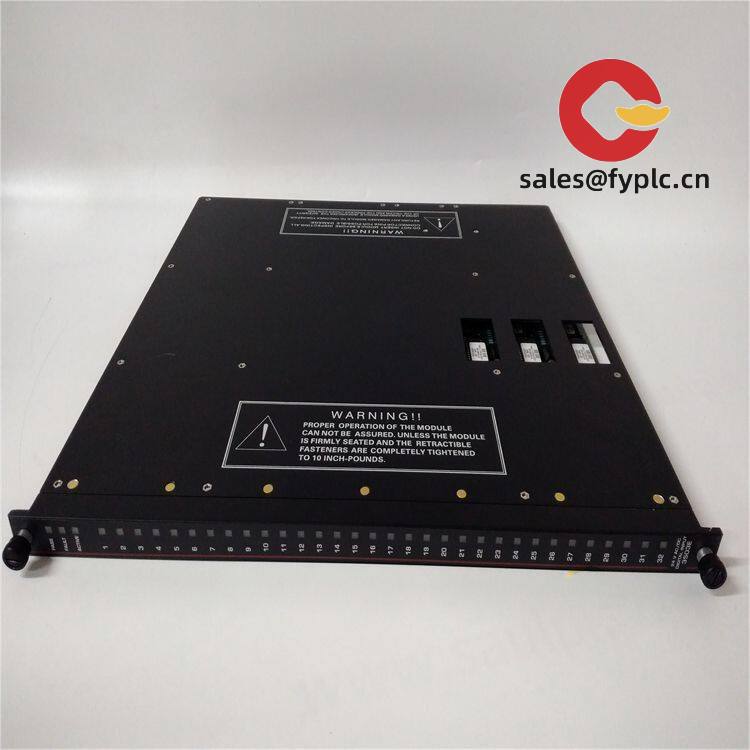
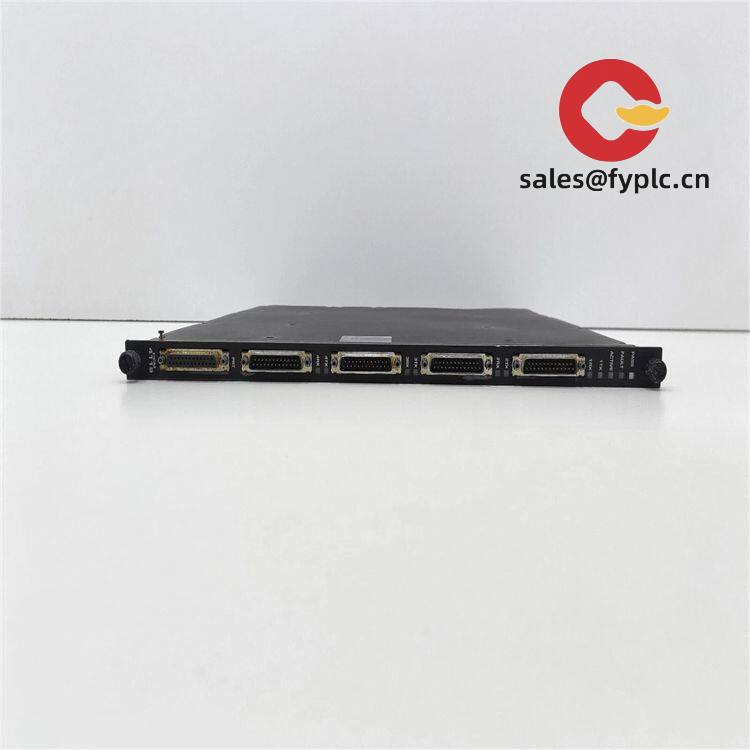
The TRICONEX 3701 is part of the Tricon TMR (Triple Modular Redundant) safety system family, typically deployed where precise and reliable temperature/analog sensing is required in Safety Instrumented Systems. From my experience, the 3700-series 3701 is commonly selected for RTD/resistance-type temperature inputs (e.g., PT100) in ESD, BMS, and HIPPS architectures. It slots directly into a Tricon chassis as one member of a three-module redundant set, giving you fault tolerance without sacrificing uptime.
You might notice that plants choose the 3701 when they need deterministic, SIL3-capable input handling and continuous diagnostics. One thing I appreciate is how the TMR design allows online replacement of a single module while the other two continue to vote—no nuisance trips in most cases, which tends to keep maintenance windows short and predictable.
Company’s Order Placement Process and Guarantees
- Warranty: 365 days replacement warranty
- Lead time: 1 week if in stock; no more than one month at the latest
- Payment: 50% advance payment; full payment before delivery
- Express options: FedEx, UPS, DHL
Key Features
- TMR architecture with voting – Three identical modules work in parallel; the system votes inputs to maintain safe operation if one module faults.
- Designed for temperature/analog inputs – Typically used for RTD/resistance inputs (e.g., PT100/NI100) where stable, low-noise measurement is critical.
- Extensive diagnostics – Continuous self-checks and fault reporting to the Tricon controller help pinpoint issues quickly.
- Online maintenance – In many cases, a single module can be replaced while online without process interruption.
- Backplane powered – Draws power from the Tricon chassis, no external supply needed for the card itself.
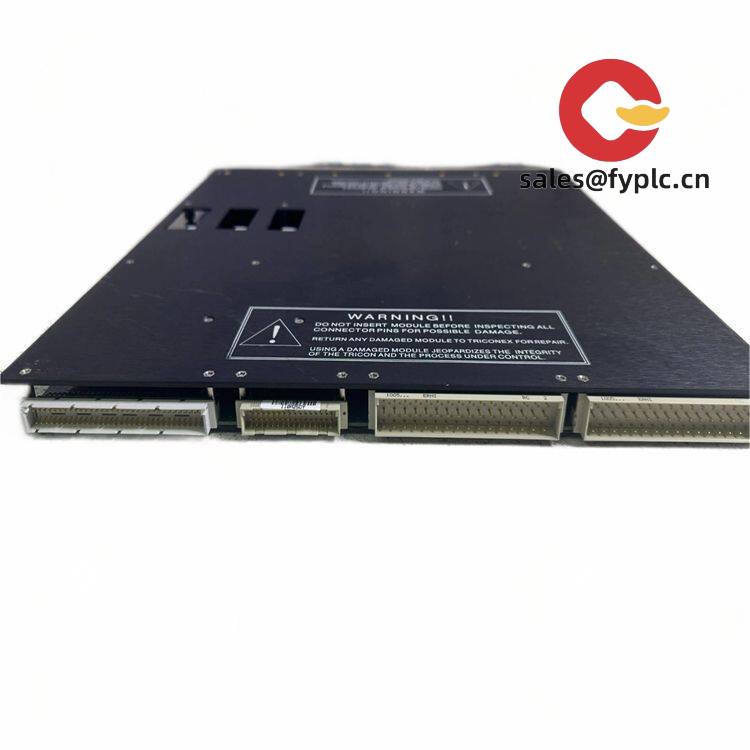
- Robust field termination – Uses dedicated external termination assemblies for clean wiring and easier loop checks.
- TriStation integration – Configuration and status via TriStation 1131 through the Tricon controller; no extra programming tools required.
Technical Specifications
| Brand / Model | TRICONEX 3701 |
| HS Code | 8538.90 (Parts suitable for apparatus of heading 8537) |
| Power Requirements | Backplane powered by Tricon chassis; typically 5 VDC from system backplane (no external card supply) |
| Dimensions & Weight | Standard Tricon plug‑in module form factor; approx. 233 × 24 × 173 mm; ~0.45 kg (typical for the series) |
| Operating Temperature | 0 to +60 °C; 5–95% RH non‑condensing (typical Tricon environmental range) |
| Signal Input/Output Types | Analog temperature inputs (RTD/resistance) within the 3700‑series family; used in TMR voted sets |
| Communication Interfaces | Module-to-controller via Tricon backplane; configuration and diagnostics through TriStation 1131 |
| Installation Method | Plug-in to Tricon chassis; field wiring through external termination panel/assembly; part of a TMR triplet |
Note: Signal details and channel capacities can vary by 3701 option and termination assembly; confirm your exact option code for final I/O characteristics.
Application Fields
The TRICONEX 3701 is used across process industries where temperature integrity feeds safety logic:
- Refining & Petrochemical – Reactor skin temperature and heater tube RTDs into ESD/BMS logic
- LNG & Gas Processing – Cold box and compressor bearing temperature monitoring
- Power Generation – Boiler tube and turbine casing RTDs for trip functions
- Chemicals & Pharma – Batch reactor temperature interlocks and high/low deviation trips
- Pipeline & Terminals – Pump/motor winding temperature protection
A maintenance lead at a Gulf Coast refinery told us the TMR setup “saved a shutdown” when one card flagged a fault—operations continued on the other two while they hot-swapped the bad unit.
Advantages & Value
- Reliability in safety loops – TMR voting and diagnostics reduce spurious trips and help meet SIL3 targets.
- Lifecycle fit – Works within existing Tricon racks and tooling; no unexpected engineering overhead.
- Cost control – Keep your installed base; swap modules without redesigning cabinets or I/O marshaling.
- Supportable – Broad industry familiarity and a strong ecosystem of spares, training, and field expertise.
Installation & Maintenance
- Cabinet & environment – Install in a suitable enclosure with clean airflow; maintain 0–60 °C and non‑condensing humidity.
- Wiring – Route RTD/resistance leads to the designated termination assembly; keep sensor cable runs shielded and grounded at one end to minimize noise.
- Grounding – Bond the chassis and termination rail to a low‑impedance plant ground; avoid ground loops across sensors.
- Safety – De-energize field circuits before moving wires; observe ESD precautions when handling modules.
- Routine maintenance – Periodically review diagnostics in TriStation, verify sensor calibrations, and schedule proof testing in line with your SIF intervals. Firmware updates, when available, should be planned during a controlled maintenance window.
- Spares strategy – Keep at least one tested spare module per TMR set on hand; from my experience, this keeps turnaround under an hour if a fault occurs.
Quality & Certifications
- System-level certification: Tricon safety system certified to IEC 61508 up to SIL3 (TÜV)
- Typical product compliance: CE; often supplied to installations requiring UL/CSA and RoHS conformity
- Manufacturer warranty: typically 1 year; sales warranty from us is 365 days (replacement)

Reviews
There are no reviews yet.