

Description
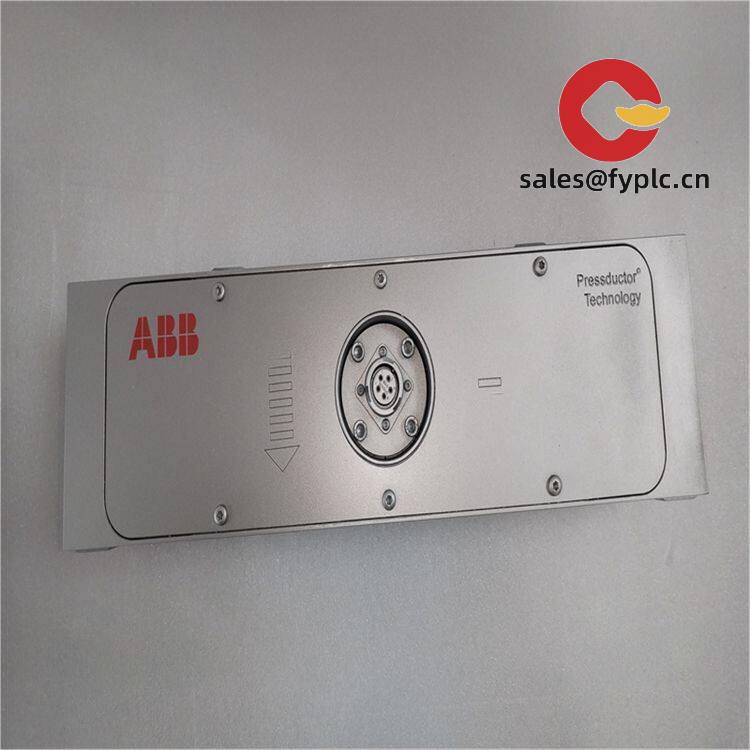
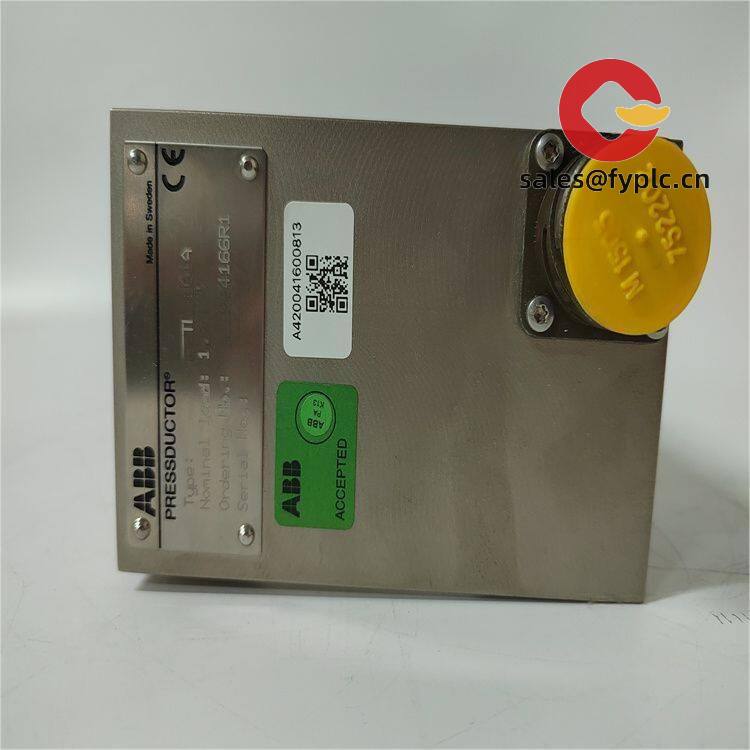
ABB PFTL101A-1-0KN (3BSE004166R1) – Pressductor force transducer for reliable web and strip tension measurement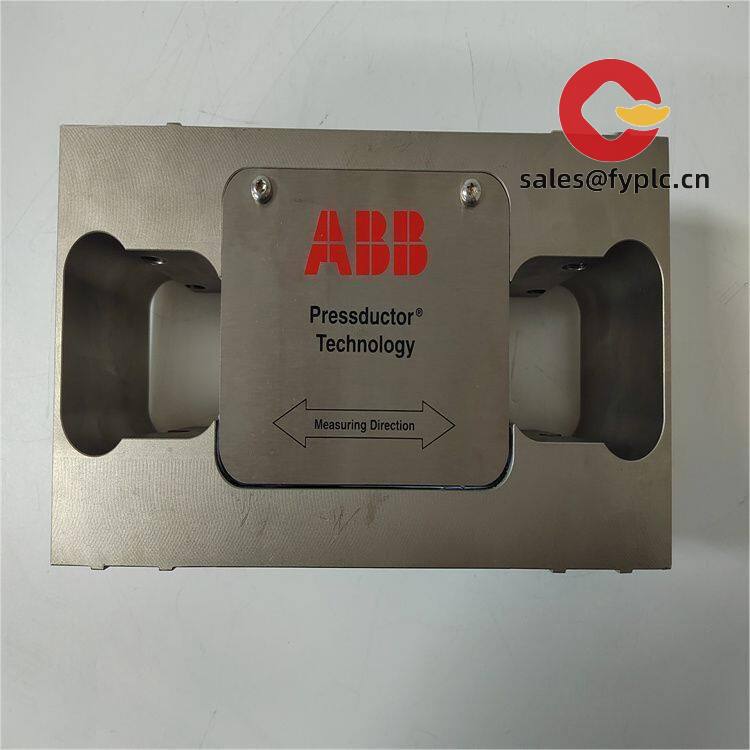
The ABB PFTL101A series is a proven magnetoelastic “Pressductor” force transducer designed for continuous web and strip tension measurement in tough industrial lines. From my experience, plants choose this model when they want stable readings in rolling mills, paper machines, converting, and wire processing—especially where vibration, temperature shifts, and side loads typically cause headaches for standard strain-gauge cells.
Company’s Order Placement Process and Guarantees
- Warranty: 365 days
- Delivery: 1 week if in stock; no more than 1 month at the latest
- Payment: 50% advance payment; full payment prior to delivery
- Express options: FedEx, UPS, DHL
Key Features
- Pressductor magnetoelastic technology – Typically offers high overload tolerance and excellent immunity to side forces, helping maintain accuracy where standard load cells drift.
- Stable, low-drift signal – You might notice that zero and span remain consistent across shifts and temperature changes, reducing recalibration stops.
- Full-bridge mV/V output – Works directly with ABB PFEA tension electronics for clean 0–10 V or 4–20 mA signals to your PLC or DCS.
- Rugged build for harsh areas – In many cases IP65–IP66 protection and a sealed, robust body handle splash, dust, and mechanical shock around the machine frame.
- Easy retrofit on existing frames – Bolt-on installation around a measuring roll or bearing seat; typically minimal mechanical modification.
- Consistent tension control – Smoother unwinding/rewinding and fewer web breaks, especially noticeable on thin foil or narrow web lines.
Technical Specifications
| Brand / Model | ABB PFTL101A-1-0KN (Order code: 3BSE004166R1) |
| HS Code | 9031.80 (Measuring or checking instruments, other) |
| Power Requirements | Passive bridge sensor; excitation typically 5–10 V DC supplied by external tension electronics (e.g., ABB PFEA series) |
| Signal Input/Output Types | Full-bridge mV/V output; when paired with PFEA electronics: 0–10 V / 4–20 mA to PLC/DCS |
| Operating Temperature | Typically -10 to +60 °C (sensor) |
| Protection Rating | IP65–IP66 in most configurations |
| Communication Interfaces | None on sensor; interface via external tension electronics (analog output) |
| Installation Method | Bolt-on to machine frame or bearing seat near the measuring roll; two sensors (both sides) are typically used for best accuracy |
| Dimensions & Weight | Variant-specific for PFTL101A; consult ABB outline drawing for -1-0KN configuration |
Application Fields
This model is commonly used in:
- Steel and non-ferrous rolling mills – strip and plate tension measurement on entry/exit bridles
- Paper and tissue machines – web tension control on press and dryer sections
- Film, foil, and flexible packaging lines – unwind/rewind tension feedback for thin materials
- Wire, cable, and rod mills – tension control during drawing and annealing
- Textile processing – fabric web handling where stable tension reduces wrinkles and breaks
A maintenance lead at a cold-rolling plant told us they swapped older strain-gauge cells for PFTL101A units and “stopped chasing zero drift every week.” It seems to be a common outcome where production runs long and ambient conditions fluctuate.
Advantages & Value
- Reliability in harsh areas – High immunity to thermal and mechanical influences keeps lines running with fewer recalibrations.
- Compatibility – Pairs neatly with ABB PFEA tension electronics for standardized analog outputs to most PLC/DCS platforms.
- Cost savings – Less downtime for zero/span checks; fewer web breaks from unstable feedback; simplified retrofits.
- Lifecycle support – ABB’s long-running PFTL platform typically ensures spare part availability and technical documentation.
Installation & Maintenance
- Mounting – Install on a rigid frame/bearing seat close to the measuring roll; use two sensors (left/right) for symmetrical load pickup and better linearity.
- Wiring – Use shielded, low-noise cabling (4–6 conductors) from sensor to the tension electronics; bond the shield at a single point to avoid ground loops.
- Electronics location – Place the signal conditioner (e.g., PFEA) in a ventilated control cabinet; segregate from high-frequency VFD cables where possible.
- Safety – Lock-out and support the roll before mechanical work. Verify zero load on the sensor during calibration.
- Routine care – Periodic zero check with no web, verify mounting bolts torque, and keep the area free of oil buildup. Firmware updates on the tension electronics are advisable when released.
Quality & Certifications
- Conformity: CE
- Environmental: RoHS compliant
- Manufacturing system: ISO 9001
- Warranty: 12 months from shipment (365 days)
If you’re standardizing around ABB tension control, the PFTL101A series is a safe choice. One thing I appreciate is how predictable the readings stay after a cold start—usually no chasing zero for hours. If you’d like, we can match the -1-0KN configuration with the recommended PFEA electronics, cable set, and mounting hardware for a clean drop-in kit.

Reviews
There are no reviews yet.