
Description
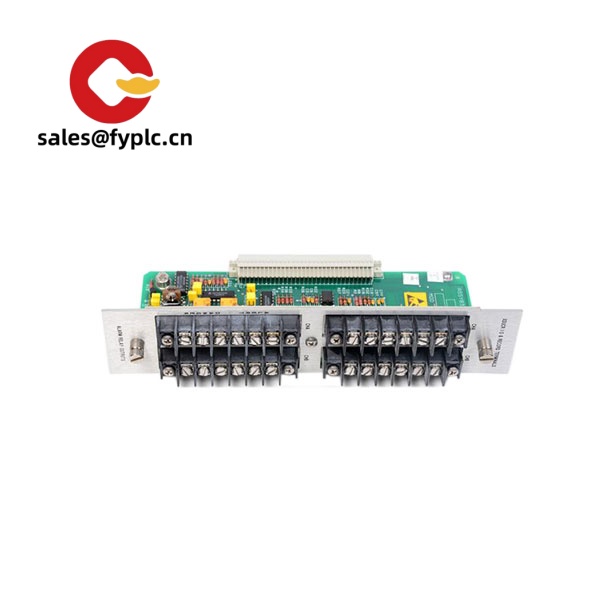
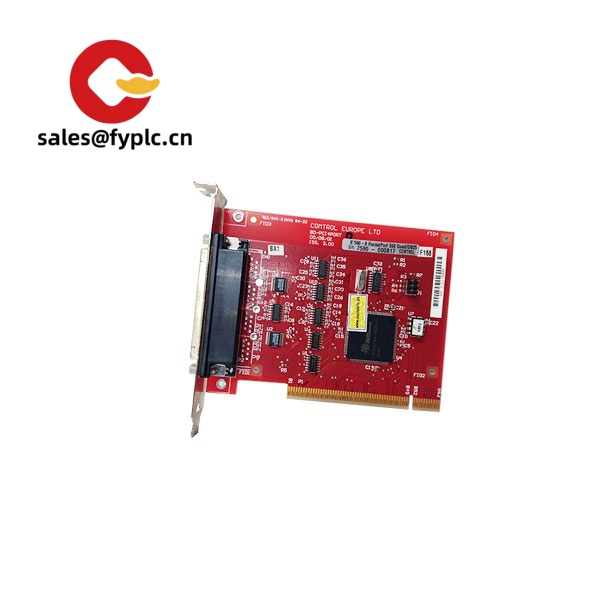
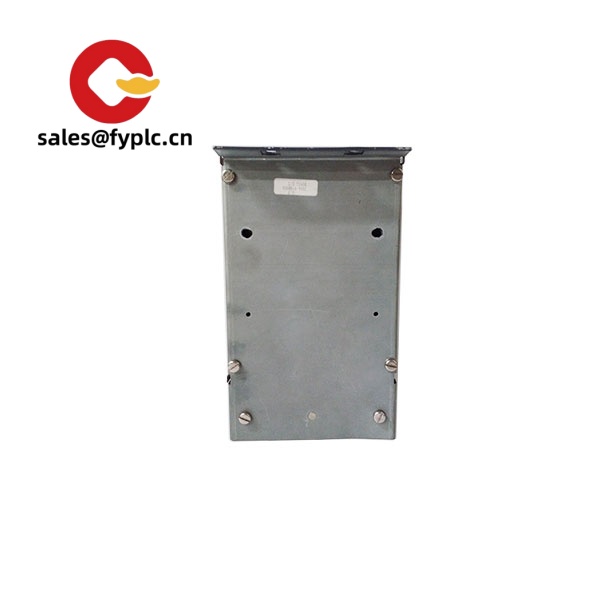
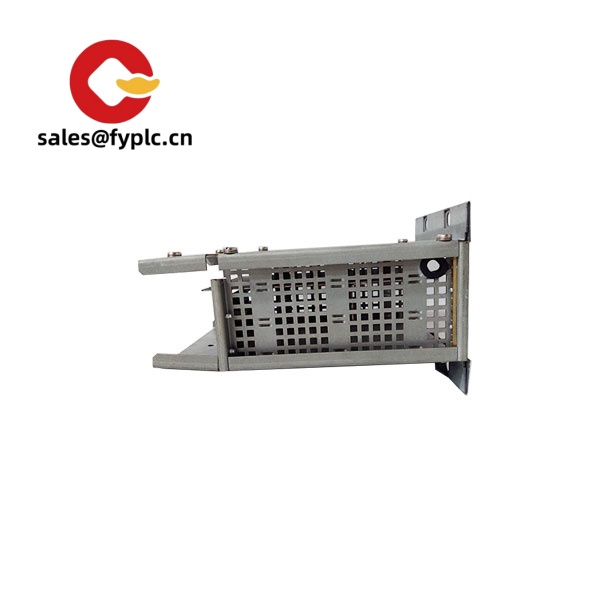
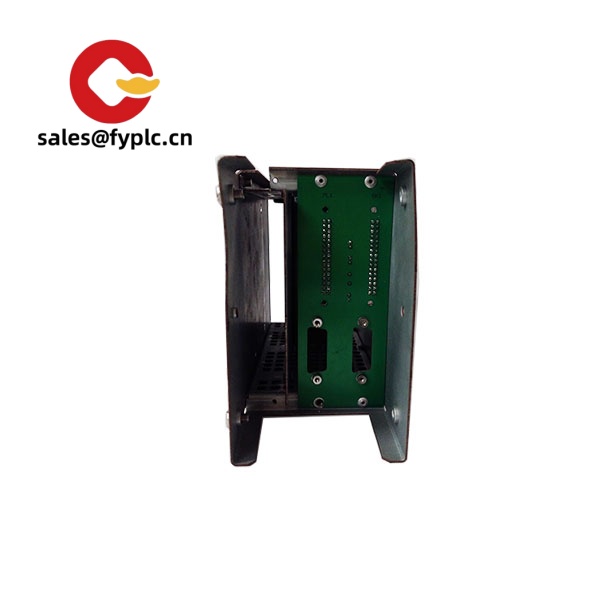
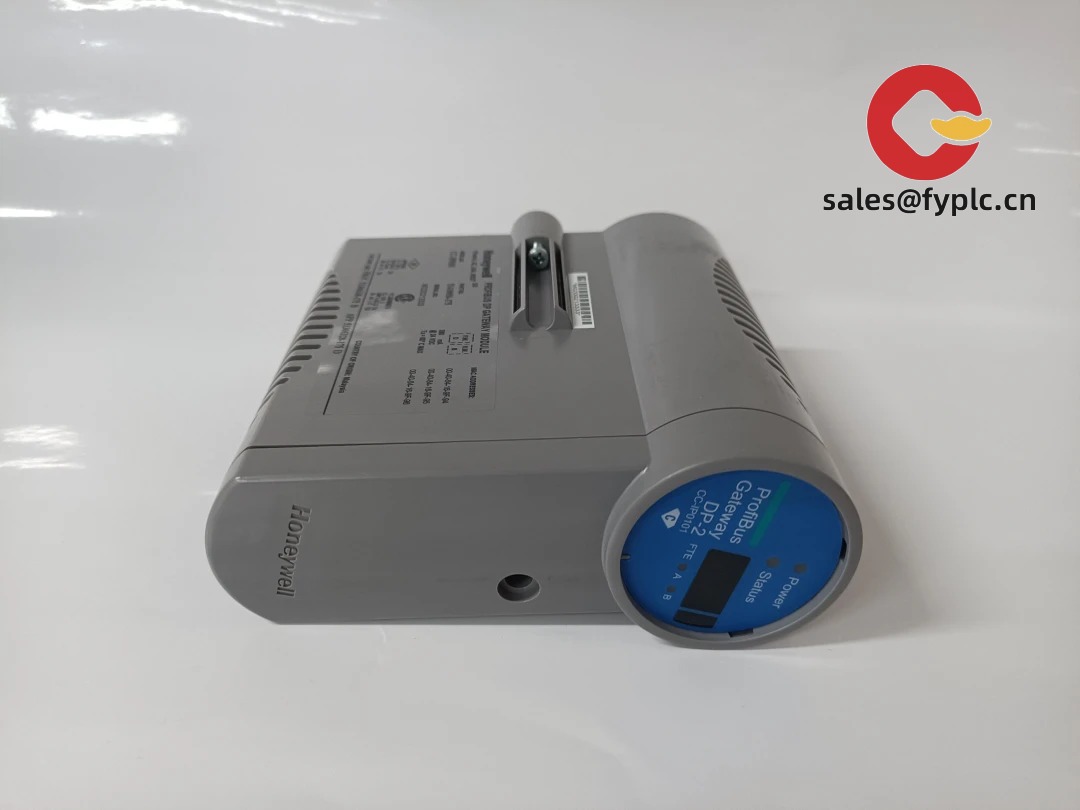
HONEYWELL 90088-A-9001 – OEM Control Module for Honeywell Process Systems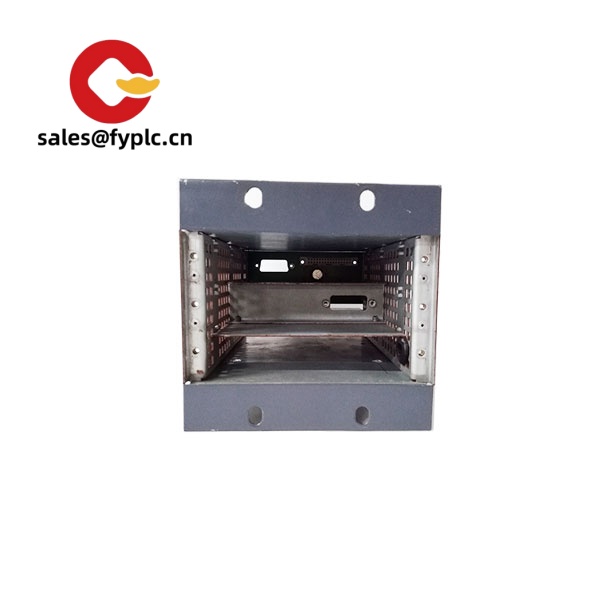
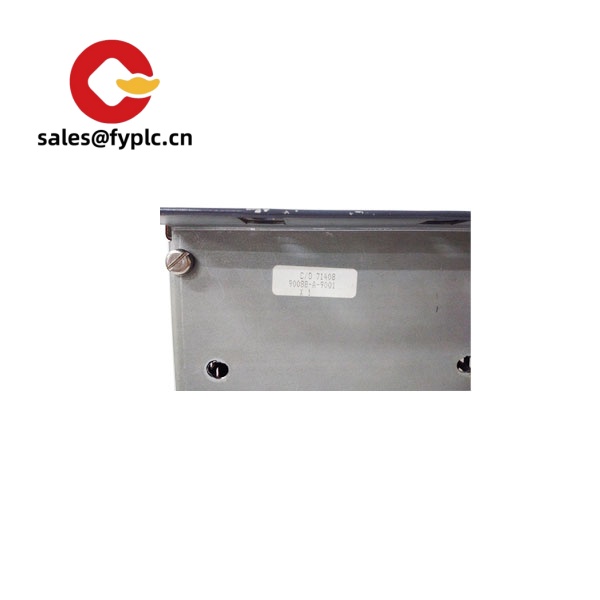
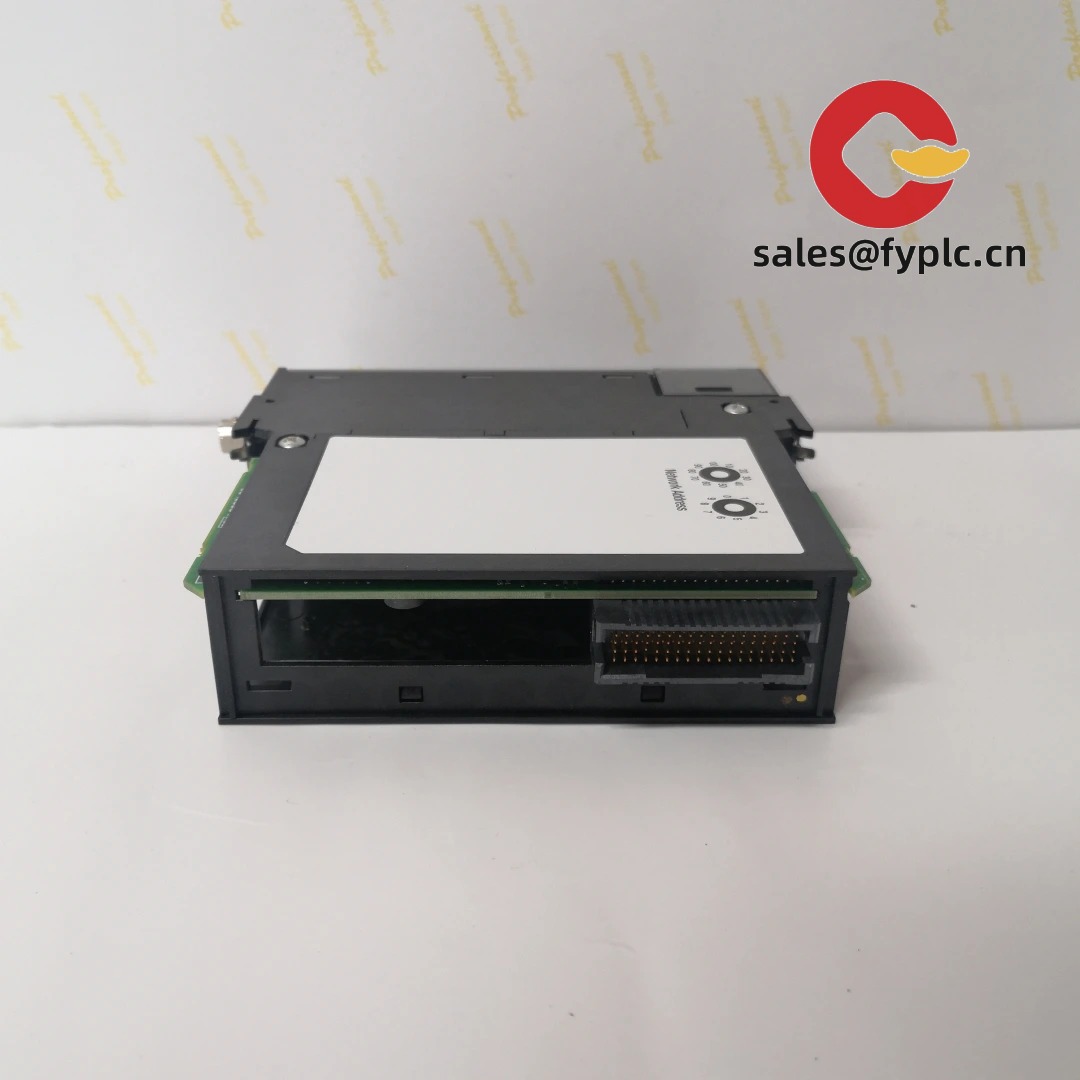
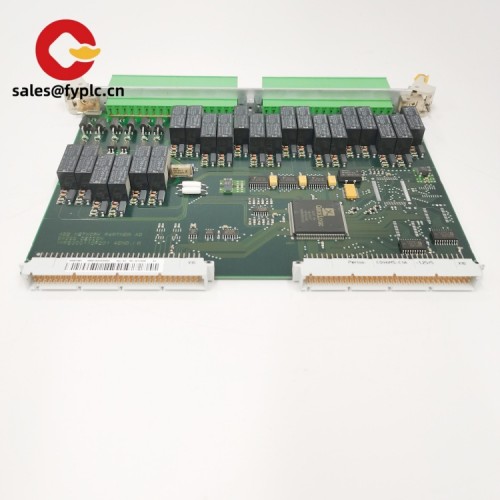
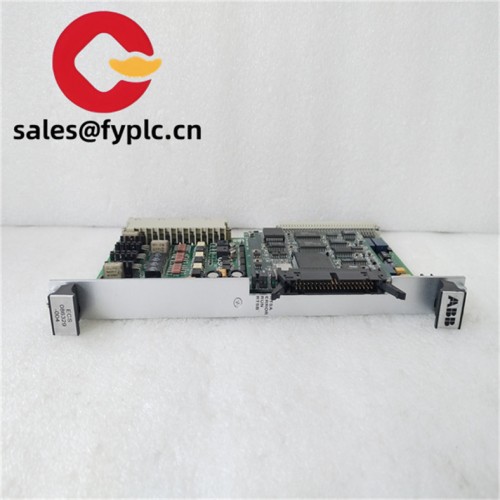
The HONEYWELL 90088-A-9001 is an original Honeywell board-level module used in industrial control environments where downtime is costly and long-term system stability matters. From my experience, this model typically serves as a plug-in card within a Honeywell rack or node, drawing power and signaling through the backplane to interface with the controller and I/O subsystem. If you’re maintaining a Honeywell DCS node or upgrading a mixed-generation system, this part seems to be a practical, drop-in replacement that helps you keep your installed base running to spec.
Company’s Order Placement Process and Guarantees
- Warranty: 365 days coverage from delivery date
- Delivery time: 1 week when in stock; no more than one month at the latest
- Payment: 50% advance payment; full payment prior to delivery
- Express options: FedEx, UPS, DHL
- Pre-shipment checks: visual inspection, packaging verification, and powered functional test when applicable
Key Features
- OEM Honeywell module – Sourced as genuine Honeywell hardware to protect system compatibility and lifecycle plans.
- Backplane-powered plug-in design – Installs into the Honeywell chassis slot; no external field power needed in most cases.
- Industrial-grade build – Typically conformal-coated PCB and robust connectors for plant environments with vibration and electrical noise.
- Stable operation – Designed to run continuously in 24/7 process control service with consistent signaling and timing.
- Service-friendly – Clear labeling and standard Honeywell latching/guide rails simplify swap-outs during scheduled maintenance.
- Traceability & handling – ESD-safe packaging and serial trace support to align with QA procedures.
Technical Specifications
| Brand / Model | HONEYWELL 90088-A-9001 |
| HS Code | 8538.90 – Parts suitable for apparatus of heading 8537 (industrial control panels/modules) |
| Power Requirements | Backplane powered; typically uses system 5 VDC (and, where applicable, ±12 V rails) from the Honeywell node power supply |
| Dimensions & Weight | Plug-in PCB assembly for Honeywell rack slot; card form factor consistent with Honeywell chassis guides |
| Operating Temperature | Typically 0 to +55 °C when installed in a ventilated control cabinet |
| Signal I/O Types | Interfaces through the Honeywell backplane; field I/O handled via the system’s terminal assemblies depending on configuration |
| Communication Interfaces | Proprietary Honeywell backplane bus; no direct Ethernet/serial port on the module face in most applications |
| Installation Method | Rack-mounted, plug-in card with guide rails and locking levers; ESD precautions required |
Application Fields
You might notice that this part shows up most in continuous-process environments. Typical use cases include:
- Chemical and petrochemical units maintaining legacy Honeywell nodes
- Refining and pipelines where control room downtime is tightly scheduled
- Power generation (cogen, combined-cycle) sustaining mixed-generation DCS assets
- Pharmaceuticals and food processing lines with validated Honeywell control infrastructure
- Pulp & paper and water treatment plants maintaining stable process loops
A maintenance lead at a cogeneration site told us, “Swapping in the 90088-A-9001 was straightforward—no wiring changes, just reseat, power-up, and the node came clean on diagnostics.”
Advantages & Value
- Reliability: OEM hardware helps reduce nuisance trips and intermittent bus faults.
- Compatibility: Drop-in fit for the intended Honeywell chassis, minimizing engineering time.
- Cost control: Short lead-times in many cases cut outage duration and contractor costs.
- Technical support: Pre-shipment checks and post-install guidance if addressing/position settings are involved.
Installation & Maintenance
- Cabinet environment: Install in a clean, ventilated control cabinet; keep ambient within the cabinet’s specified limits (typically 0–55 °C).
- Power isolation: De-energize the node and discharge residual energy before removing/inserting the module.
- ESD handling: Use a grounded wrist strap and handle the board by the edges only.
- Seating & guides: Align with the card guides; apply even pressure to seat the edge connector fully and engage latches.
- Address/settings: If the slot requires DIP/rotary addressing, match the previous module’s settings before power-up.
- Routine checks: Inspect connectors during planned outages; verify node diagnostics; keep firmware/configuration backups current where applicable.
- Cleaning: Dust the cabinet and intake filters; avoid solvents—use dry, ESD-safe wipes.
Quality & Certifications
- CE and UL conformity are typical for Honeywell control modules used in industrial panels.
- Manufacturing quality aligned with ISO 9001 practices.
- RoHS status can vary by production vintage; we can verify per serial/lot on request.
- 365-day warranty; each unit is packaged with ESD protection and undergoes functional verification where applicable.


Reviews
There are no reviews yet.