
Description
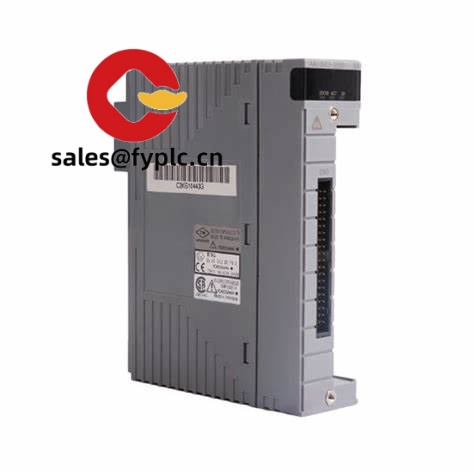
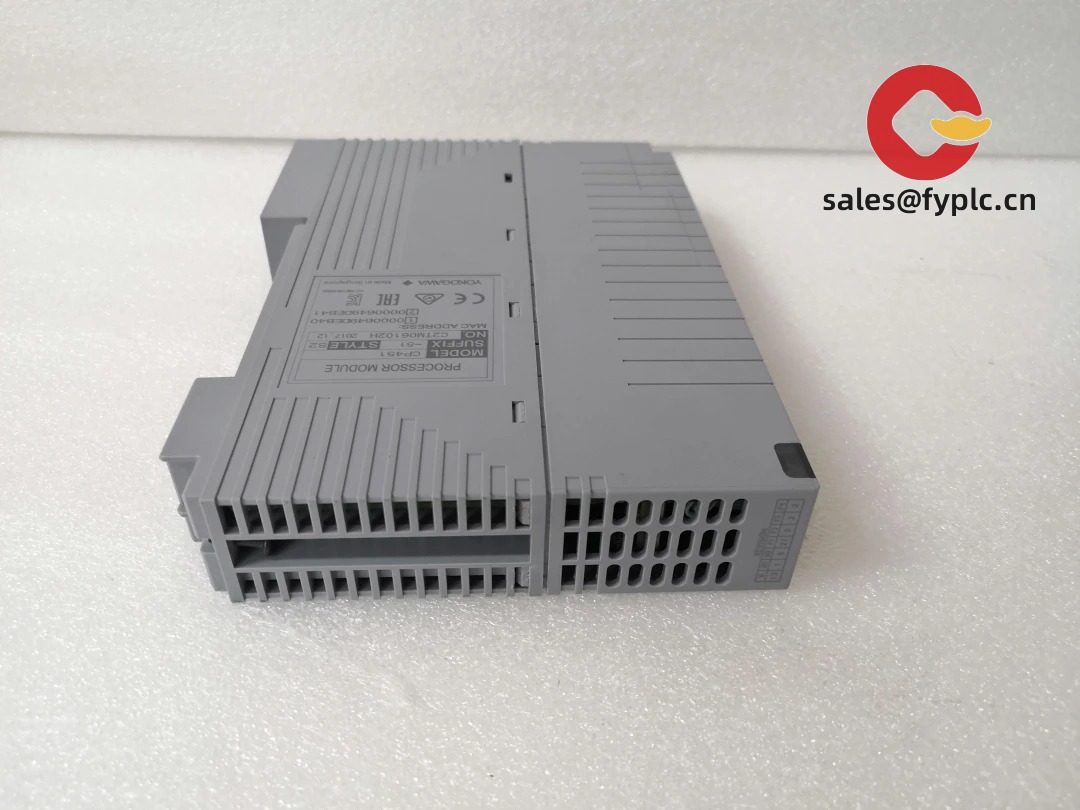
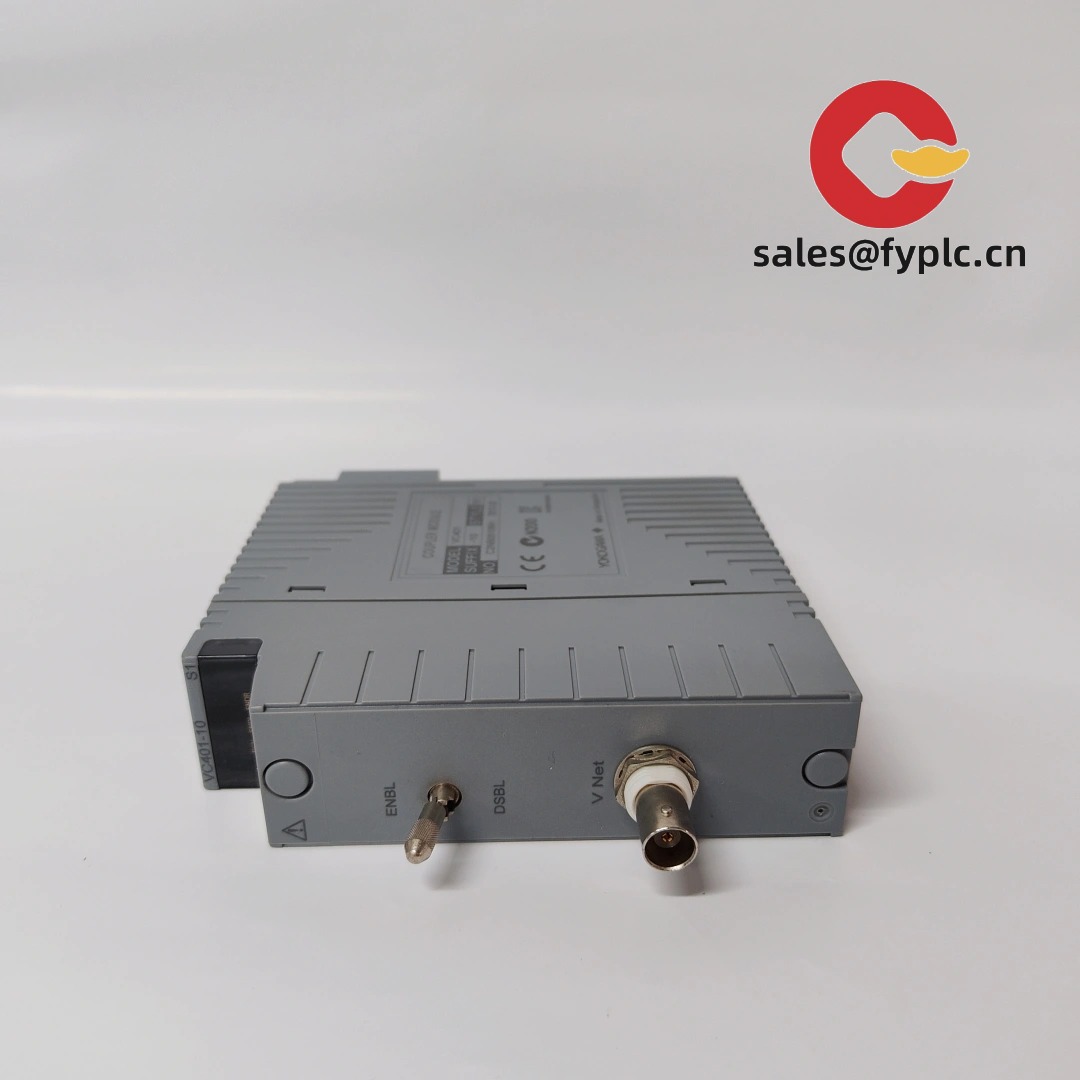
Yokogawa AAI543-S50 – Analog Input Module for CENTUM VP / ProSafe-RS Field I/O
The Yokogawa AAI543-S50 is part of the AAI-series Field I/O lineup typically used in CENTUM VP and ProSafe-RS systems. From my experience, this module is selected when you need reliable analog input handling on the FIO base—most often 4–20 mA process signals—with the stability and lifecycle support Yokogawa is known for. The “S50” at the end is a style code (generation/variant), so it won’t usually change how you wire or commission it, but it does help with compatibility and spare part matching.
Our Order Process & Guarantees
- Warranty: 365 days
- Delivery: 1 week if in stock; no more than 1 month at the latest
- Payment: 50% advance payment; full payment before delivery
- Express options: FedEx, UPS, DHL
Key Features
- AAI-series analog input – Designed for process signals typically in the 4–20 mA range used throughout plant instrumentation.
- FIO platform compatibility – Plugs into Yokogawa Field I/O bases used with CENTUM VP and, in many cases, ProSafe-RS architectures.
- Backplane communication – You might notice there’s no front Ethernet port; the module communicates through the FIO base to the node/controller.
- Solid diagnostics – Channel status and module health reporting through the system for faster troubleshooting.
- Style S50 – Style code that aligns with a specific hardware revision for dependable cross-compatibility when replacing existing cards.
- Clean wiring – Uses Yokogawa terminal blocks on the FIO base for tidy field cable terminations.
Technical Specifications
| Brand / Model | Yokogawa AAI543-S50 |
| Product Type | Field I/O Analog Input Module (AAI-series) |
| HS Code | 8538.90 (Parts of control panels/switchgear; typical classification for DCS/PLC I/O modules) |
| Power Requirements | Supplied via Yokogawa FIO base backplane (no external power to the module) |
| Signal Input Types | Analog input, typically 4–20 mA process signals (check system engineering data for the exact range and channel count) |
| Communication Interfaces | Backplane interface to Yokogawa FIO node; controller connection via system network (e.g., Vnet/IP at the node level) |
| Operating Temperature | 0 to 55°C (typical for cabinet-mounted Yokogawa FIO modules) |
| Installation Method | Plug-in module on Yokogawa FIO base; DIN-rail or panel-mounted cabinet assembly |
| Dimensions & Weight | Standard Yokogawa FIO module form factor (fits the corresponding base slot; allow ≥150 mm panel depth for wiring and airflow) |
Application Fields
Plants that need stable analog signal acquisition into Yokogawa DCS/ESD systems typically specify the AAI543 series. Common uses include:
- Oil & Gas: Wellhead and separator 4–20 mA transmitters, pipeline pressure/temperature loops
- Chemical & Petrochemical: Reactor and column instrumentation where low downtime is critical
- Power & Utilities: Boiler and balance-of-plant signal acquisition into CENTUM VP
- Water & Wastewater: Flow, level, and quality analyzer inputs across distributed cabinets
- Pulp & Paper / Food & Beverage: General process I/O modernization projects
Advantages & Value
- Reliable lifecycle – Yokogawa modules tend to remain available for long periods, making spares planning easier.
- System compatibility – Designed for FIO bases; no surprises integrating with existing CENTUM VP nodes.
- Cost control – Drop-in replacement reduces engineering time and loop downtime, which in many cases saves more than the hardware cost.
- Traceable quality – Style S50 hardware helps maintenance teams match like-for-like cards across units.
- Supportable – Diagnostics and clear channel status mean faster fault isolation during turnarounds.
Installation & Maintenance
- Cabinet environment – Install in a clean, ventilated enclosure; keep ambient 0–55°C with humidity control. Provide airflow across FIO modules.
- Wiring – Route 4–20 mA pairs separately from high-voltage lines; use shielded twisted pair and ground shields at one point to avoid loops.
- Base and terminals – Seat the module firmly in the FIO base slot; torque terminal screws per Yokogawa guidance to avoid intermittent reads.
- ESD & safety – De-energize the I/O node when adding/removing modules unless the system procedure specifically allows online replacement; use ESD protection.
- Routine checks – Verify loop ranges and scaling in the engineering tool, run periodic loop tests, and confirm channel health alarms.
- Firmware/config – Keep node firmware and engineering database backed up; update in maintenance windows after validation.
- Cleaning – Light dusting with dry air; avoid solvents. Ensure terminals remain tight after thermal cycling.
Quality & Certifications
- CE marked; UL/CSA recognition is typical for Yokogawa FIO modules
- RoHS compliance in most current styles
- Manufactured under ISO 9001 quality systems
- Warranty: 12 months from shipment (365 days)
Notes from the field
One thing I appreciate is how straightforward replacements tend to be: you match the style code (S50), swap the card, and the cabinet wiring doesn’t need to change. A maintenance manager I worked with mentioned they shaved hours off a turnaround simply because the AAI-series cards kept the same terminal layout across styles. You might notice that fault isolation is also easier when the node diagnostics are set up properly—saves a lot of “is it the field device or the card?” back-and-forth.


Reviews
There are no reviews yet.