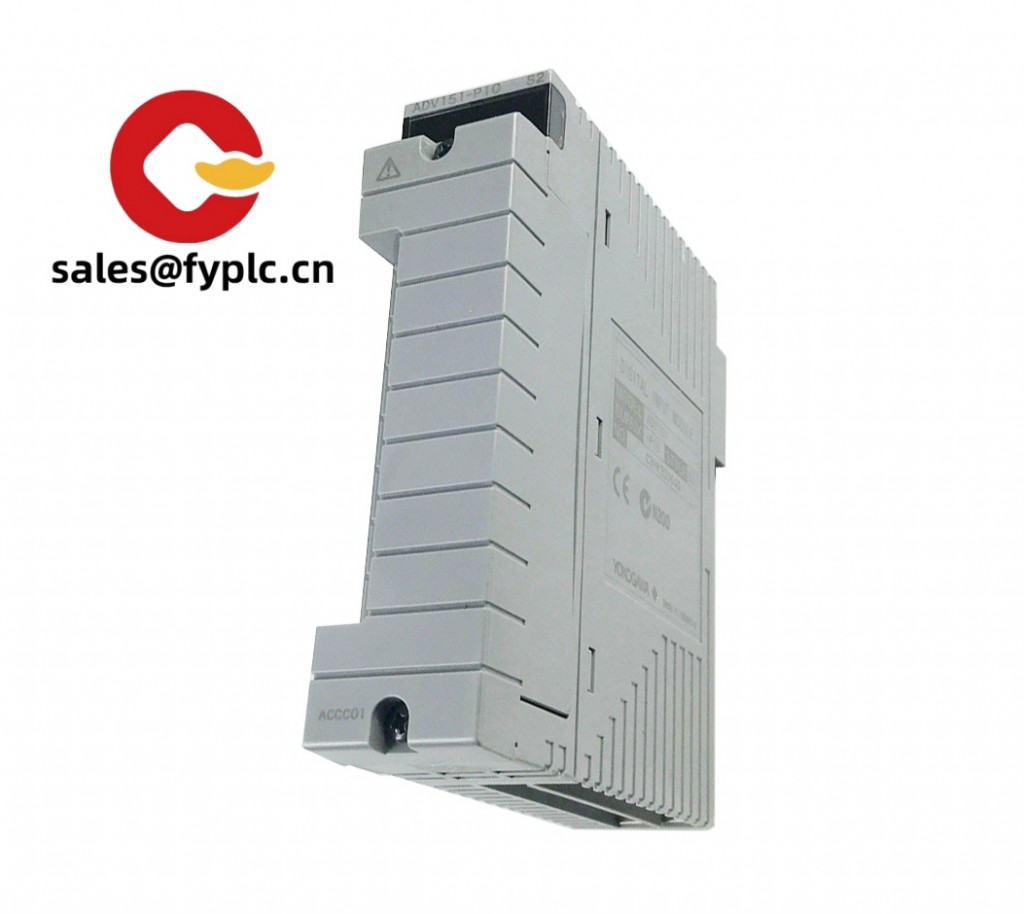
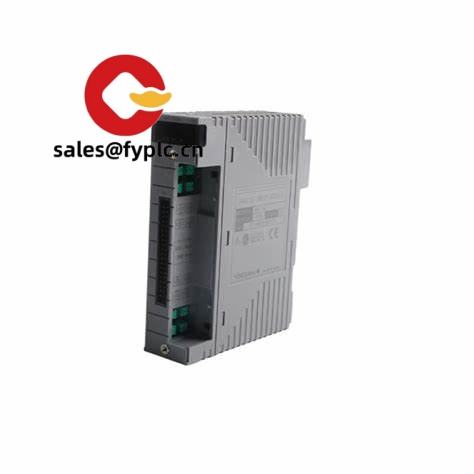

Description
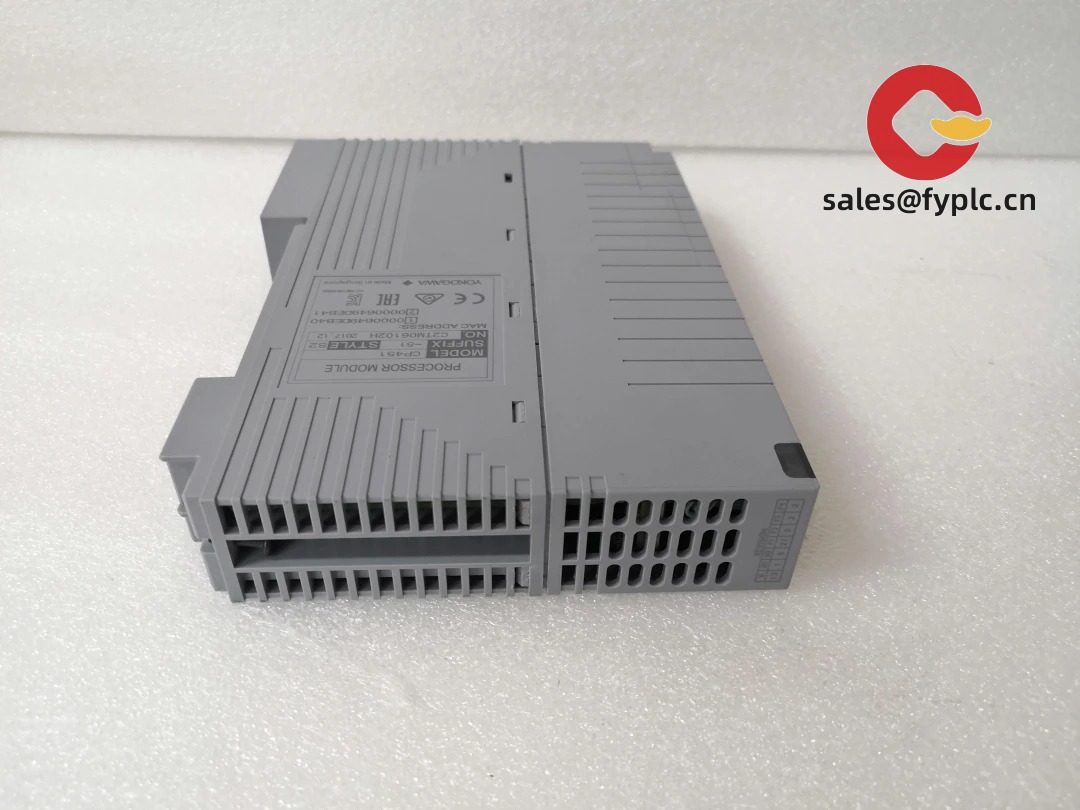
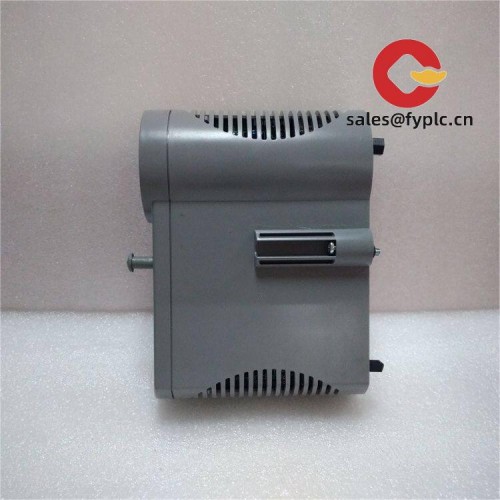
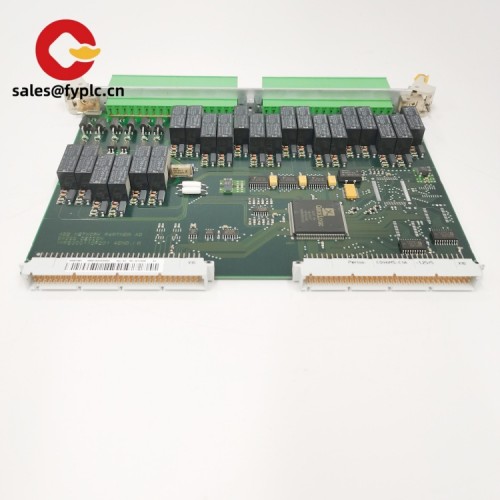
Yokogawa ADV159 – FIO Digital Input Module for CENTUM VP/CS and ProSafe-RS Nodes
The Yokogawa ADV159 sits in the ADV15x family of Field I/O plug-in modules, designed for reliable 24 VDC discrete signal acquisition on CENTUM VP/CS DCS and, in many cases, ProSafe-RS safety instrumented systems. From my experience, it’s the kind of module plants use when they need clean, time-accurate digital status collection—think pumps, MCC feedbacks, limit switches, solenoid monitoring, and interlock status—without babysitting it for noise or drift.
Our Order Placement Process and Guarantees
- Warranty: 365 days
- Delivery time: 1 week for in-stock items; no more than one month at the latest
- Payment terms: 50% advance payment, full payment prior to delivery
- Express options: FedEx, UPS, DHL
Key Features
- 24 VDC discrete input acquisition – Typically used for dry contact or 24 V signals from field devices, with robust noise immunity for industrial cabinets.
- High channel density – Up to 32 inputs per module depending on the exact suffix code, helping reduce cabinet footprint and wiring complexity.
- Event time-stamping – In most cases, supports millisecond-level SOE capture when used with the appropriate controller/engineering settings, useful for trip and interlock analysis.
- Hot-swappable on the FIO base – You can replace the module without removing the terminal block, which typically keeps field wiring untouched.
- Per-channel diagnostics and status LEDs – Quick visual checks cut troubleshooting time during commissioning and turnarounds.
- Backplane-powered – No external power feed to the card; power is provided via the FIO base/terminal unit, which simplifies panel design.
- System compatibility – Designed for Yokogawa FIO nodes used with CENTUM VP/CS; certain variants are also deployed with ProSafe-RS where design allows.
Technical Specifications
| Brand / Model | Yokogawa ADV159 (FIO Digital Input Module, ADV15x family) |
| HS Code | 8537.10 (Boards, panels, consoles for electrical control, ≤1000 V) |
| Power Requirements | Supplied via Yokogawa FIO backplane; no external module power input |
| Dimensions & Weight | Standard Yokogawa FIO plug-in form factor; compact card module (approx. 130 H × 28 W × 130 D mm; ~0.2 kg) |
| Operating Temperature | 0 to +55 °C (typical for FIO modules) |
| Signal Input Types | 24 VDC discrete inputs; channel count and input method depend on suffix code (commonly up to 32 channels) |
| Communication Interfaces | Yokogawa FIO backplane; no external network port on the module |
| Installation Method | Plugs into a compatible Yokogawa FIO base/terminal unit; cabinet mounting via the base on DIN rail or panel |
Application Fields
You’ll see ADV159 used in process plants where discrete status must be dependable and timestamped: oil & gas (ESD trips, compressor permissives), chemicals (reactor interlocks, valve limit switches), power generation (MCC status, breaker positions), water & wastewater (pump stations, level switches), and pharmaceuticals (BMS/EMS contacts, door interlocks). One thing I appreciate is how seamlessly it drops into existing CENTUM VP cabinets without reshuffling terminal wiring.
Advantages & Value
- Reliability in harsh panels – Solid noise immunity and clean switching behavior reduce nuisance alarms.
- Lifecycle-friendly – Stays compatible with mainstream FIO bases and engineering tools, easing spares consolidation.
- Lower total cost – Higher channel density and hot-swap capability translate to fewer cabinets and less downtime during changeouts.
- Integration confidence – Native fit for CENTUM VP/CS and, in many cases, ProSafe-RS architectures helps avoid third-party gateways.
A maintenance supervisor at a gas plant told us the ADV15x cards “cut our trip investigations in half” because the SOE time stamps lined up perfectly with MCC events. That lines up with what we typically see during FATs and site SATs.
Installation & Maintenance
- Panel environment – Use a ventilated cabinet with stable 24 VDC supply to the node/base; keep ambient within 0–55 °C and avoid condensation.
- Mounting – Install the module onto the Yokogawa FIO base/terminal unit; field wiring remains on the terminal block to simplify module replacement.
- Wiring practices – Separate discrete signal wiring from VFD power; add ferrules; verify shield terminations at one end to reduce noise.
- Safety – De-energize the node or follow hot-swap procedures per Yokogawa guidance; observe ESD precautions when handling cards.
- Routine checks – Periodically verify input debounce settings and alarm masks in the engineering tool; perform I/O loop checks after any MCC modifications.
- Firmware/config – Keep controller and engineering tool revisions aligned; apply qualified updates during planned outages.
Quality & Certifications
- Certifications – Typically CE compliant; many Yokogawa FIO modules are UL Recognized and RoHS compliant (specific markings depend on the module suffix and region).
- Manufacturer support – Yokogawa provides long-term lifecycle documentation and system compatibility notes for FIO modules.
- Warranty – 365 days from shipment.
If you can share the full suffix code for ADV159 (e.g., power supply, contact type, and channel count variant), I can confirm exact channel density, debounce ranges, and any ProSafe-RS usage notes. You might notice that small suffix differences can change whether the inputs are dry-contact oriented or better suited for 24 V wet-contact wiring.

Reviews
There are no reviews yet.