
Description
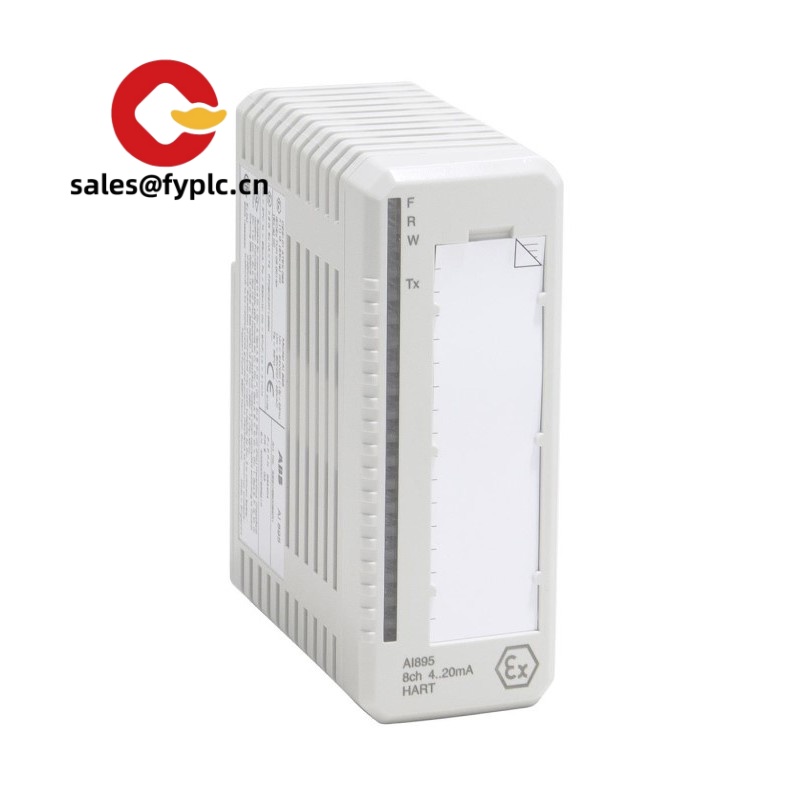
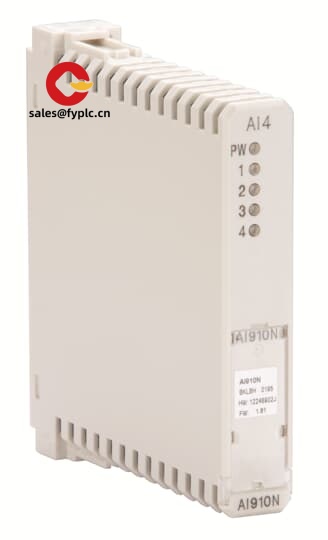
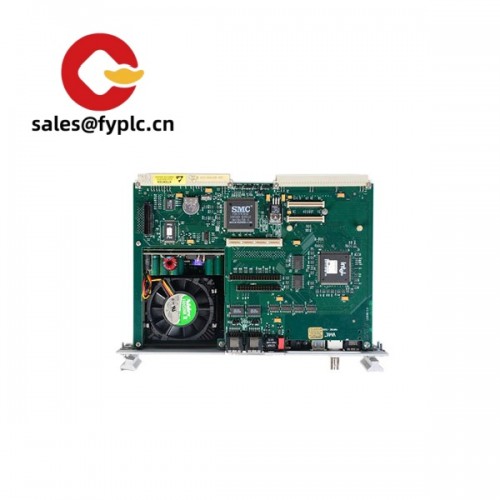
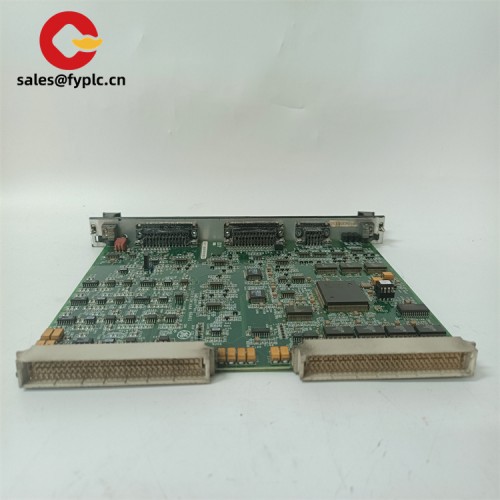
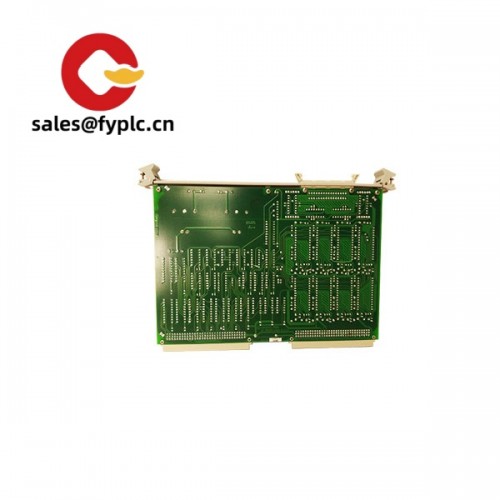
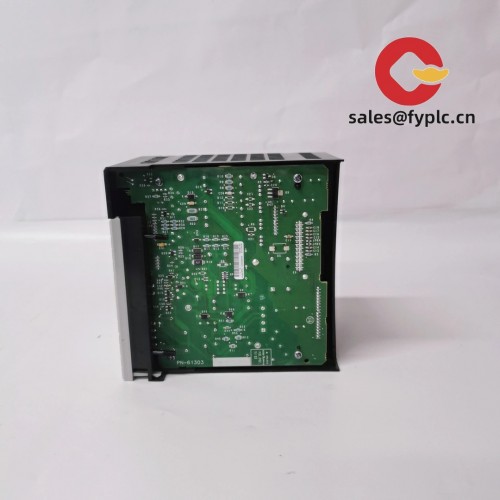
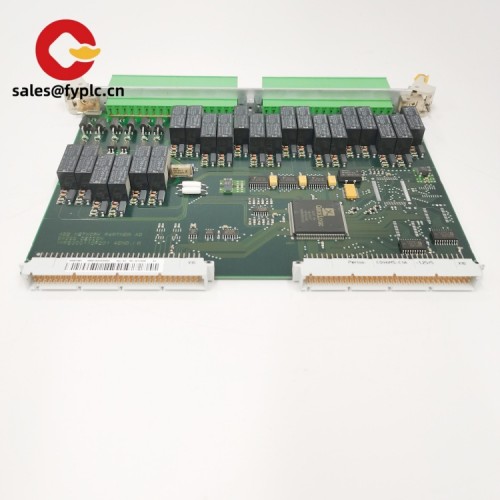
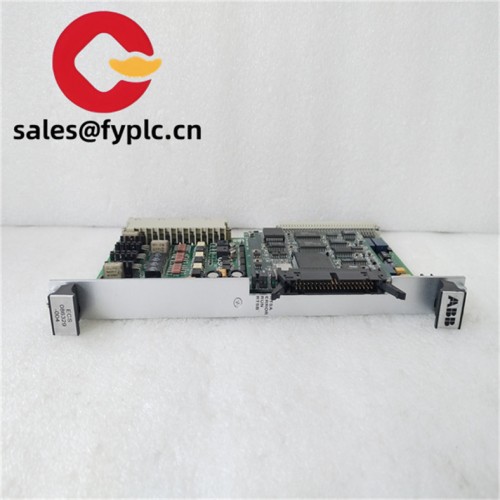
ABB AI910B – Multi‑channel analog input module for stable, accurate field signal acquisition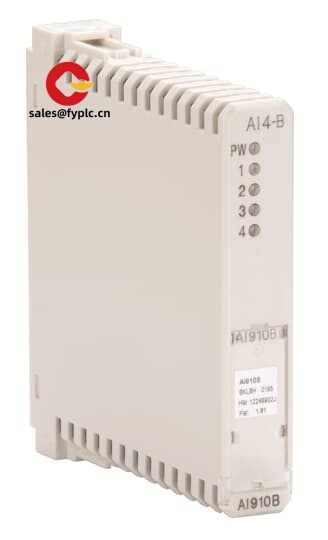
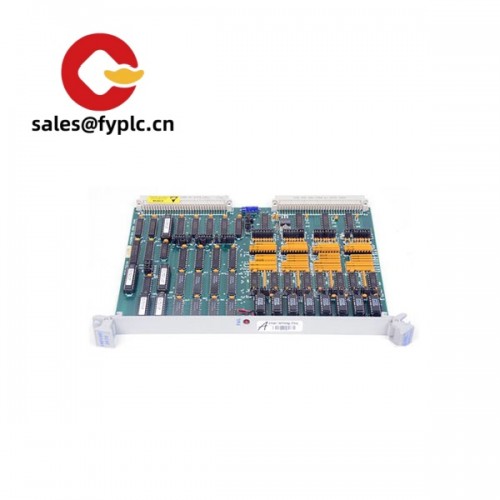
The ABB AI910B is designed to bring noisy, real‑world process signals into a control system with the kind of stability plants actually need. From my experience, it typically serves as a multi‑channel analog input module for 4–20 mA and voltage loops, dropping into an ABB rack/terminal base and syncing with the system backplane without drama. You might notice that it’s built for cabinet environments where reliability, straightforward wiring, and quick swap‑outs matter more than fancy marketing claims.
Order Placement Process and Guarantees
- Warranty: 365 days
- Lead time: 1 week for in‑stock items; no more than one month at the latest
- Payment: 50% advance payment; full payment prior to delivery
- Express options: FedEx, UPS, DHL
Key Features
- Multi‑channel analog inputs – Typically supports multiple current/voltage channels so you can aggregate transmitters efficiently in a single slot.
- Backplane‑powered – Draws 24 VDC via the system backplane, which keeps cabinet wiring clean and simplifies power distribution.
- Stable measurement performance – Designed for industrial environments; in many cases you get low drift and solid repeatability across normal plant temperatures.
- Galvanic isolation – Channel‑to‑bus isolation improves noise immunity and protects the controller from field faults.
- DIN‑rail friendly – Mounts on the appropriate ABB terminal base/backplane, making swap‑outs fast during planned shutdowns.
- System integration – Works with ABB control platforms that use this module family; from my experience, commissioning is usually straightforward once the terminal base is matched correctly.
Technical Specifications
| Brand / Model | ABB AI910B |
| HS Code | 8537.10 (Boards/panels for electric control or distribution) |
| Power Requirements | 24 VDC via system backplane; typical module consumption ~1–2 W |
| Dimensions & Weight | Approx. 122 × 45 × 102 mm; ~0.20–0.25 kg (module only) |
| Operating Temperature | 0 to +55 °C (cabinet‑mounted; non‑condensing humidity) |
| Signal Input/Output Types | Analog inputs (current/voltage, e.g., 4–20 mA / 0–10 V); multi‑channel configuration depending on revision |
| Communication Interfaces | System backplane I/O bus; no front‑mounted communication ports |
| Installation Method | DIN‑rail within control cabinet on the corresponding ABB terminal base/backplane |
Application Fields
Plants typically deploy the AI910B where dependable analog acquisition matters:
- Oil & Gas and Chemicals – pressure, flow, temperature transmitters in hazardous‑adjacent areas (cabinet‑mounted in safe zones)
- Power & Utilities – boiler and balance‑of‑plant loops feeding the DCS
- Pulp & Paper / Metals – process line instrumentation where channel density and uptime matter
- Water & Wastewater – SCADA‑connected RTUs/PLCs aggregating remote analog signals
- Pharma & Food – monitored, cabinet‑installed control panels with validated I/O modules
Advantages & Value
- Reliability – Stable readings and isolation help avoid nuisance trips; in many cases, modules run for years with minimal drift.
- Compatibility – Fits ABB systems using this module family, reducing engineering time and spare‑parts complexity.
- Cost control – Multi‑channel density lowers per‑loop cost and cabinet footprint.
- Serviceability – Quick module replacement on the terminal base; you typically retain field wiring during swaps.
- Support – We assist with part verification against your controller and terminal base, so you avoid mismatches.
Installation & Maintenance
- Cabinet & mounting – Install on the designated ABB terminal base/backplane; keep modules within 0…+55 °C and non‑condensing humidity. Provide ventilation and maintain clearance for heat dissipation.
- Power & grounding – Feed 24 VDC to the I/O subsystem as specified; bond cabinet ground properly and use shielded twisted pair for analog loops with single‑point shield termination.
- Wiring – Verify channel type (current vs. voltage) in the control project before landing wires. For 4–20 mA loops, check loop power and total burden; for voltage inputs, observe input impedance.
- Commissioning – Perform loop checks and a two‑point verify at ambient. You might notice that a quick trending test exposes wiring polarity issues faster than a full FAT.
- Routine care – Periodically inspect terminal torque and cleanliness; dust the card edge and ensure backplane connectors are seated. Firmware updates only if specified for your revision and system.
- Safety – De‑energize the I/O segment before module replacement unless your system is qualified for live swap. Follow site lock‑out/tag‑out procedures.
Quality & Certifications
- CE compliant
- RoHS conformant
- UL/cUL recognition is common for this class; confirm per your exact AI910B revision
- Manufacturer warranty typically applies; our supply warranty is 365 days
Commonly Paired Components (for planning)
To make integration smooth, plants often bundle the AI910B with the appropriate ABB terminal/base hardware and cabinet accessories. While exact pairings depend on your system, these are typical:
- Terminal base/backplane unit – The specific ABB base that mechanically supports the module and provides the backplane/power. Matching the base to the AI910B series is key.
- 24 VDC redundant power feed – For higher availability on the I/O segment.
- Shielded analog cable kits – Pre‑labeled pairs for faster loop termination and lower noise pickup.
- Panel accessories – DIN rails, end‑stops, and grounding bars sized for your cabinet depth and airflow plan.
Field note: A maintenance lead at a pulp mill told us, “We swapped an AI910B into the rack during a short stop—wiring stayed on the base, it recognized straight away, and trending matched our reference loop within a minute.” That’s usually the experience when the terminal base and configuration are aligned.
Next Steps
If you can share your controller type and the terminal base part you’re using, we’ll verify AI910B compatibility and confirm the exact channel counts and signal ranges for your revision before shipping. It seems to be the quickest way to avoid any surprises on install.
Reviews
There are no reviews yet.