
Description
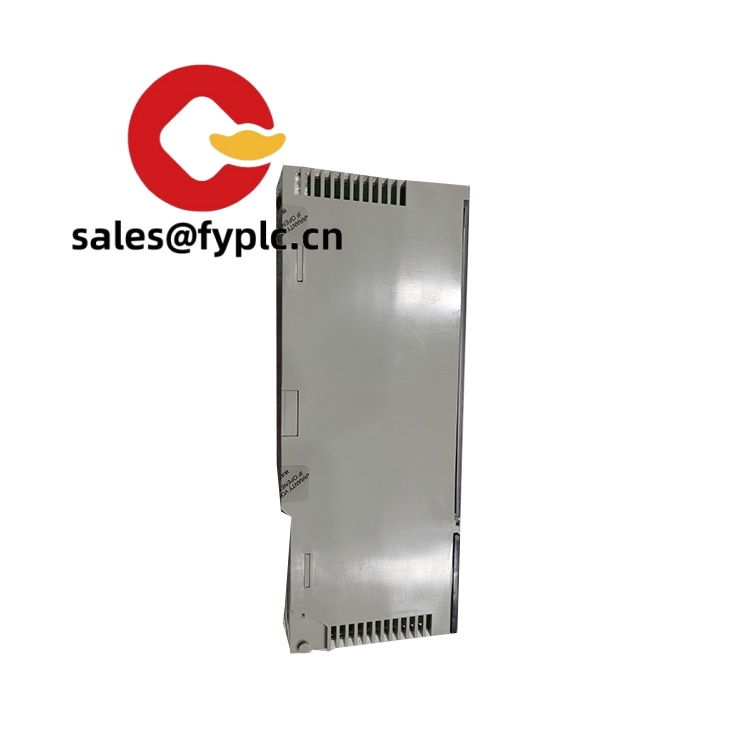
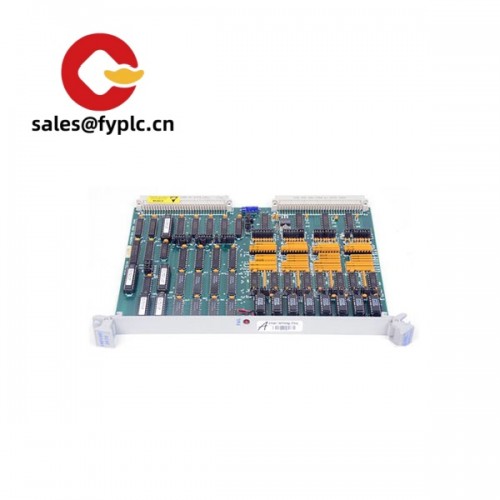
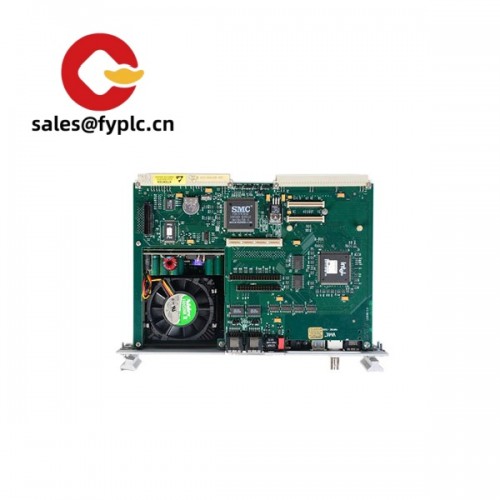
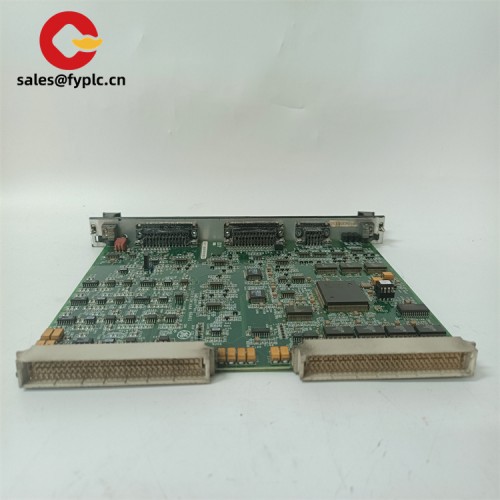
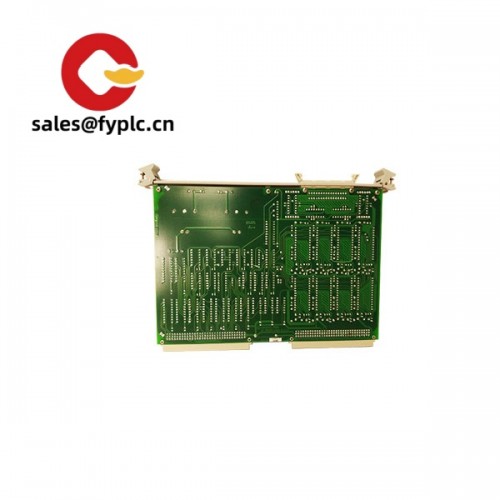
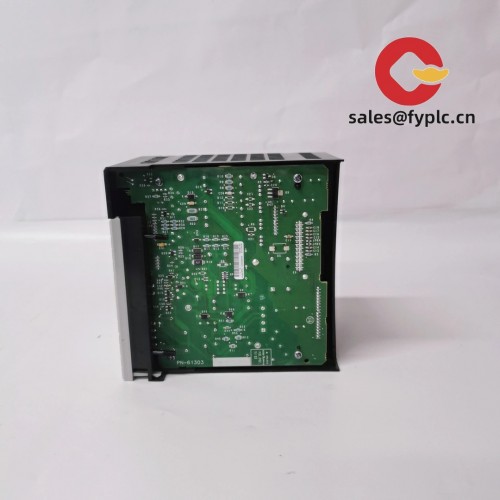
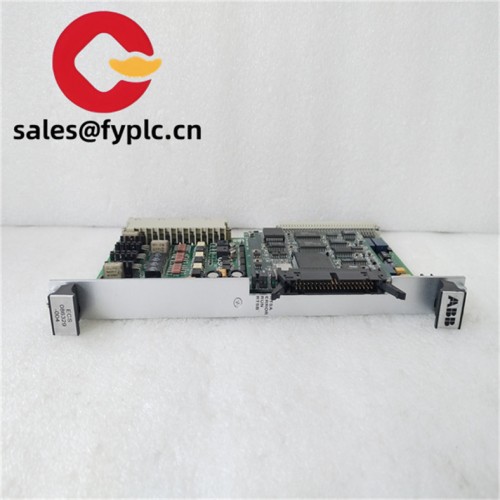
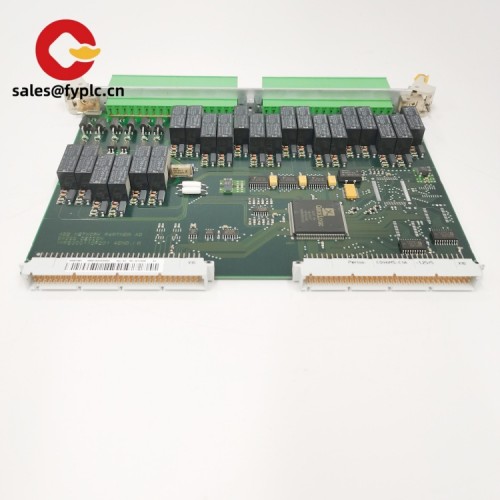
Schneider Electric AS-BADU-204 – Modicon 800 Series Remote I/O Bus Adapter for Legacy 984 Systems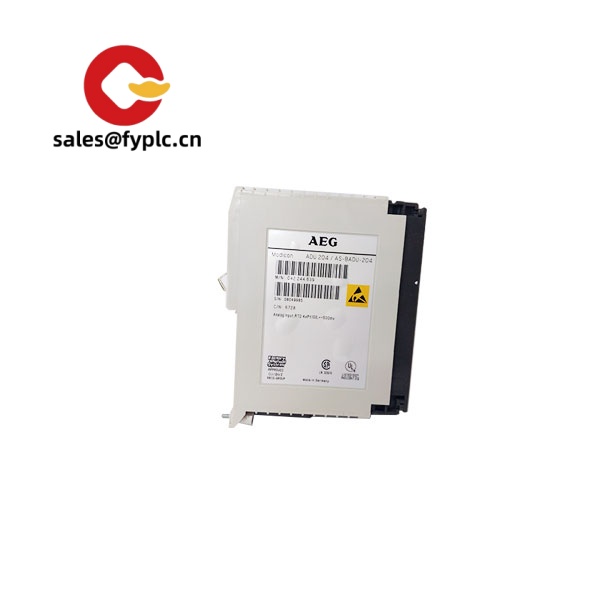
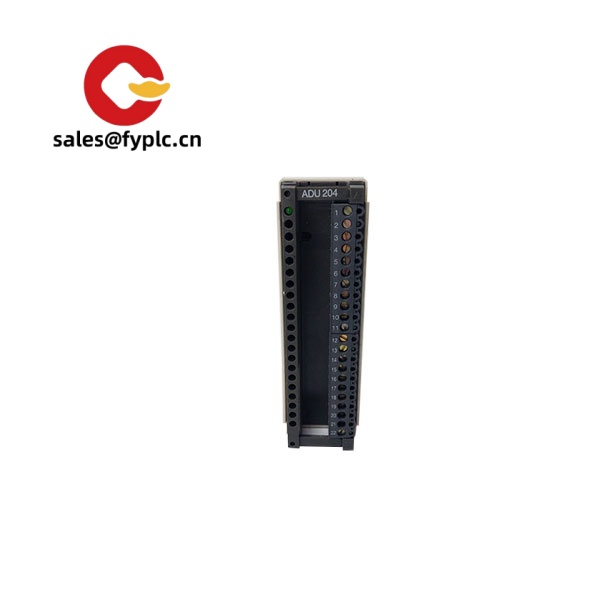
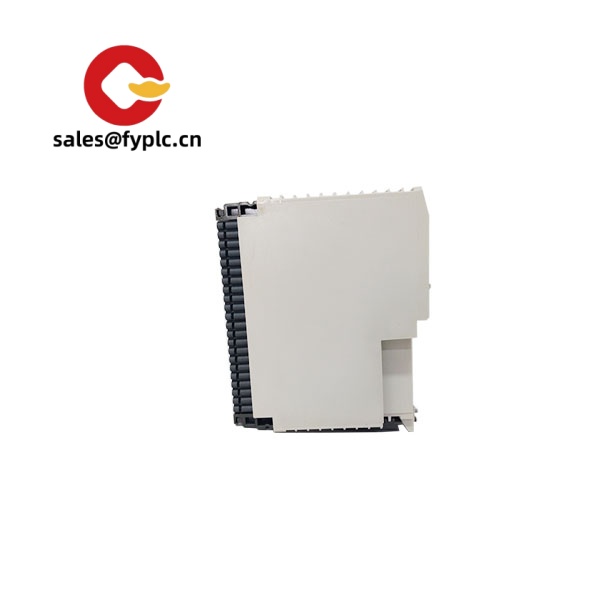
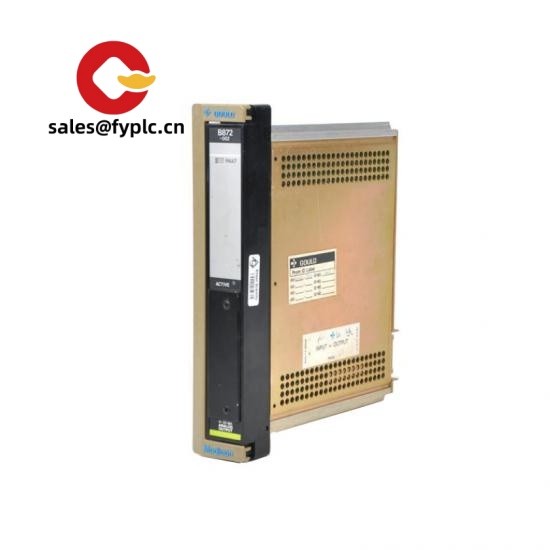
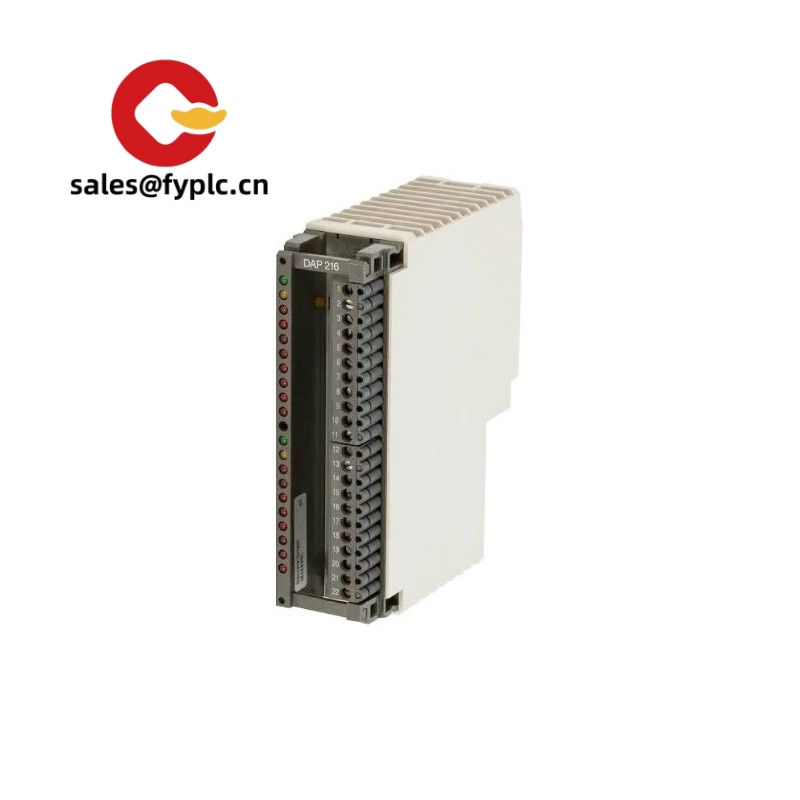
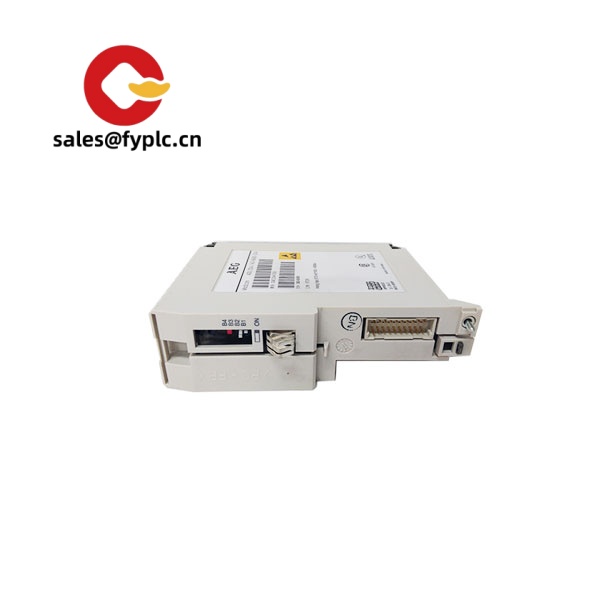
The Schneider Electric AS-BADU-204 is a legacy Modicon 800-series bus adapter module designed to act as the head of a remote I/O drop. From my experience, it’s typically used on classic Modicon 984 installations where you need a stable connection between the fieldbus (commonly S908-style remote I/O in many cases) and the 800-series backplane that hosts your discrete and analog I/O cards. If you’re maintaining a running plant, this module helps you replace a failing adapter or expand a drop without re-architecting the entire control system.
Order Placement Process and Guarantees
- Warranty: 365 days
- Delivery: 1 week if in stock, and no more than one month at the latest
- Payment: 50% advance payment; full payment prior to delivery
- Express delivery options: FedEx, UPS, DHL
Key Features
- Remote I/O drop adapter for 800-series racks – provides the bus interface between the field network and the 800-series backplane.
- Compatibility with legacy Modicon 984 platforms – typically applied in S908-style remote I/O architectures still running in brownfield plants.
- Backplane-powered – no separate field power supply for the module itself; it draws from the 800-series rack PSU.
- Status diagnostics – you might notice front-panel indicators that make it quicker to verify bus health and module status during commissioning.
- Service-friendly replacement – drop-in form factor to minimize downtime during maintenance or migration steps.
- Supports mixed I/O on the rack – the adapter lets your rack host both discrete and analog modules with no change to the CPU program structure in most cases.
- Stable operation in industrial environments – appears to be designed for cabinet-mounted use with typical PLC operating temperatures.
Technical Specifications
| Brand / Model | Schneider Electric / AS-BADU-204 |
| HS Code | 8537.10 (Programmable controllers and related modules) |
| Power Requirements | Backplane powered via Modicon 800-series rack PSU (typical 5 VDC rail consumption; consult rack PSU capacity) |
| Dimensions & Weight | Standard 800-series single-width card format; fits in the 800-series I/O chassis |
| Operating Temperature | Typically 0…60°C (32…140°F), cabinet-mounted; avoid condensation |
| Signal Input/Output Types | No direct field I/O on this module; provides bus link for the rack that hosts discrete/analog I/O modules |
| Communication Interfaces | Remote I/O drop interface (commonly used in S908-style networks) to the controller; backplane interface to 800-series I/O cards |
| Installation Method | Rack-mounted in 800-series I/O chassis; front-panel fieldbus connector(s); secured by retaining hardware |
Application Fields
Plants still running Modicon 984/800-series architectures will find the AS-BADU-204 useful when keeping remote drops online or expanding capacity without moving to a new PLC platform. I see it most in:
- Water & Wastewater – filter beds, pump stations, and remote lift stations where a stable RIO drop keeps instruments online.
- Pulp & Paper – distributed I/O around the paper machine and recovery boiler areas.
- Metals & Mining – process skids and conveyors that rely on legacy Modicon drops.
- Oil & Gas (midstream) – pipeline block valve stations and metering skids.
- Power Generation – balance-of-plant I/O marshaling in older units.
Advantages & Value
- Reliability for legacy systems – keeps your existing I/O drops operational with minimal engineering effort.
- Compatibility – works within the 800-series ecosystem and typically requires no program rewrite on the 984 CPU.
- Cost control – avoids immediate forklift upgrades; maintain uptime while planning a phased migration.
- Serviceability – straightforward swap with familiar installation practices, reducing maintenance time.
- Technical support – documentation and field-proven behavior simplify troubleshooting in many cases.
Installation & Maintenance
One thing I appreciate is how predictable installation is when the cabinet is prepared correctly. A few practical notes that usually help:
- Cabinet & environment – mount in a clean, ventilated control cabinet. Keep ambient within the typical PLC range and avoid condensation.
- Rack & PSU – ensure your 800-series chassis and power supply have adequate capacity for the adapter and all I/O modules.
- Fieldbus wiring – use the recommended shielded cable. Proper shielding, grounding, and termination (where applicable) are essential to avoid intermittent comms.
- Addressing/configuration – verify drop addressing and the controller’s RIO configuration. In many cases, existing 984 configurations recognize the replacement without logic changes.
- Maintenance – periodic visual inspection of connectors and cabling; check LED diagnostics for early signs of noise or drop faults.
- Spare strategy – keeping a tested spare on the shelf typically reduces unplanned downtime for legacy lines.
Quality & Certifications
- Certifications: commonly CE and UL for industrial control equipment; RoHS compliance may vary by production date for legacy units.
- Manufacturer’s warranty practices: for new or remanufactured supply, unit-level warranty coverage applies as stated above (365 days).
Related/Supporting Components (for planning)
When specifying or replacing an AS-BADU-204, teams often review the surrounding hardware to avoid bottlenecks:
- Modicon 800-series I/O chassis and matching power supplies – ensure the backplane and PSU ratings align with the total I/O load.
- Legacy Modicon 984 controllers – verify remote I/O configuration (drop numbers, scan parameters) matches the adapter and rack layout.
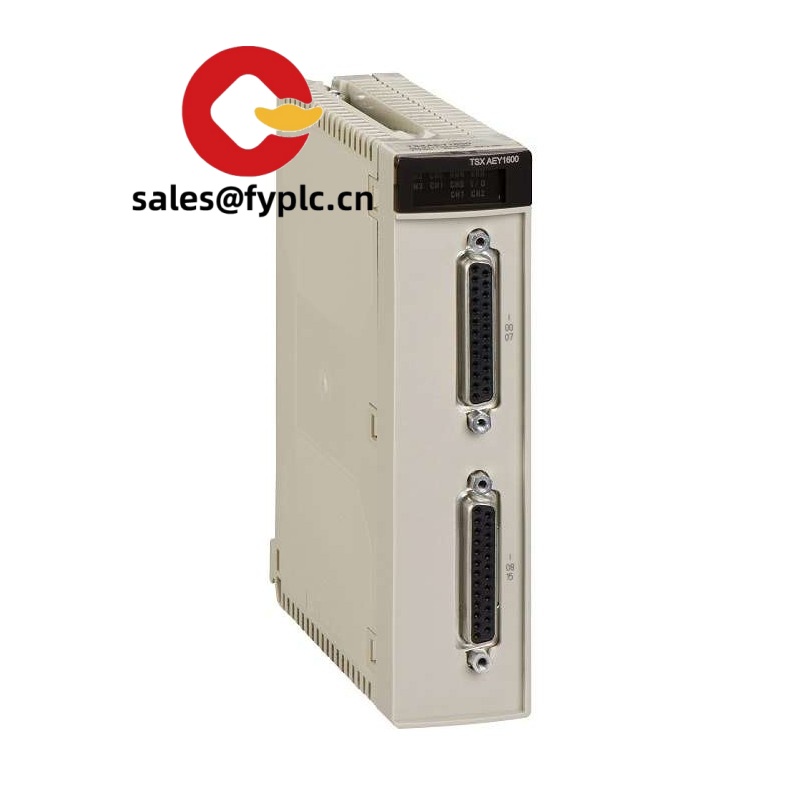
- Discrete/Analog I/O modules in the same rack – confirm channel counts and types to maintain addressing consistency.
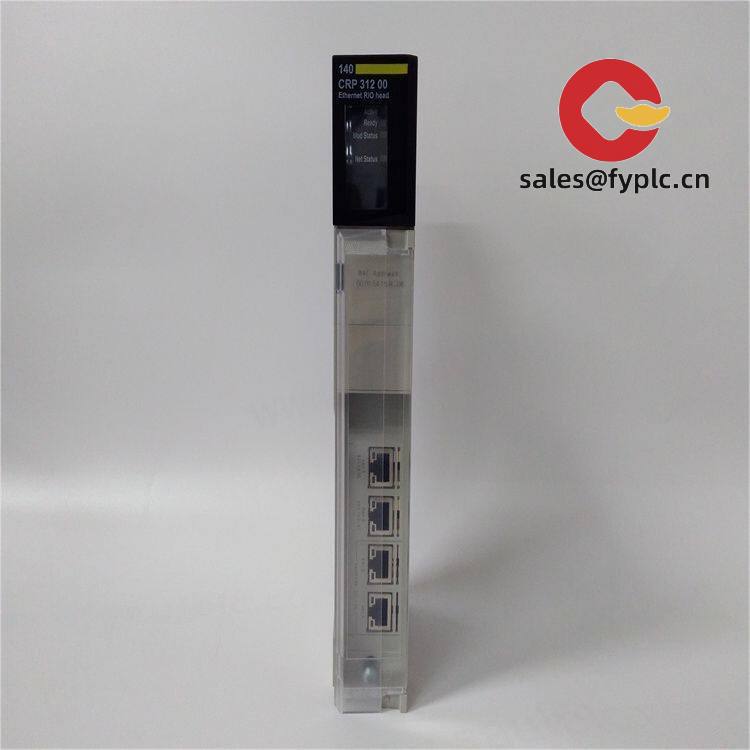
- Shielded fieldbus cabling and termination hardware – maintain signal integrity across longer runs.
Quick field note: a maintenance supervisor recently mentioned that swapping a failing bus adapter with an AS-BADU-204 restored comms immediately—no PLC logic edits, just a configuration check and proper shield grounding. That seems to be the typical experience when the network and addressing are set up correctly.

Reviews
There are no reviews yet.