
Description
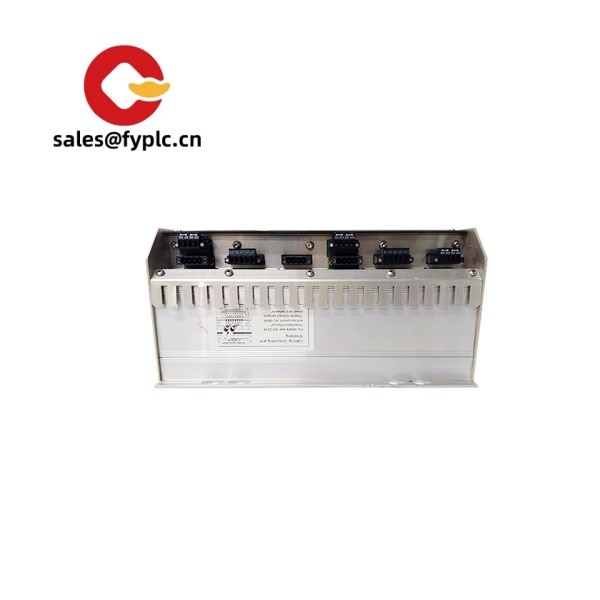
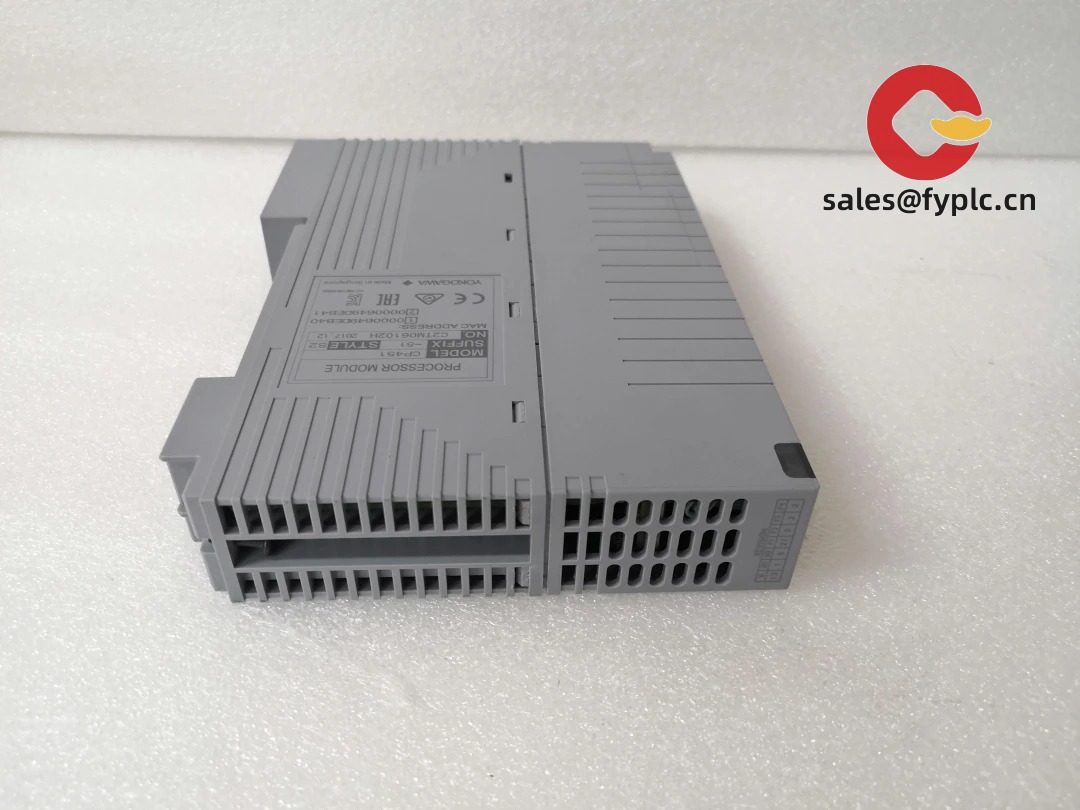
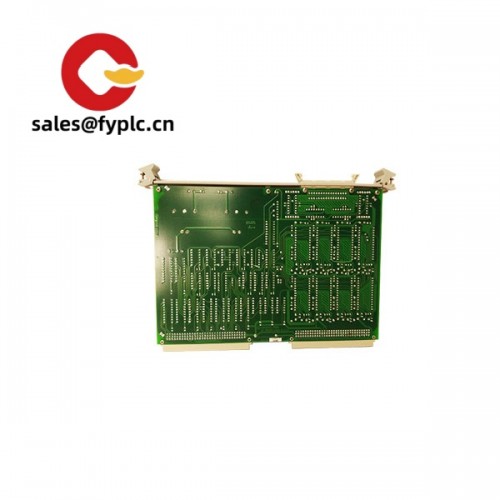
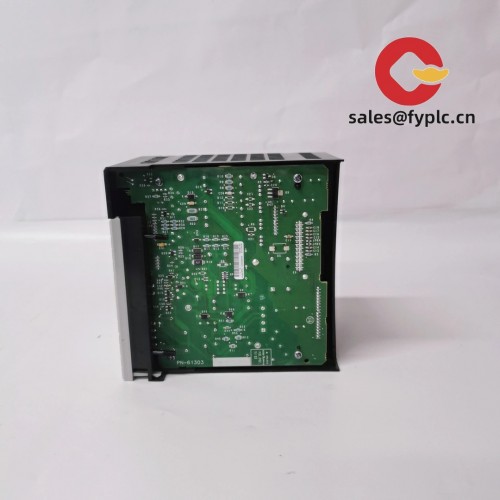
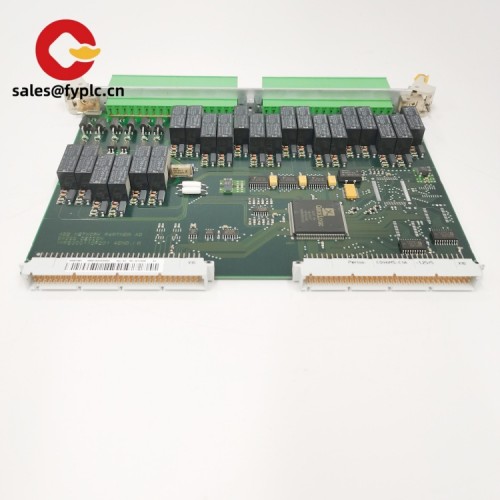
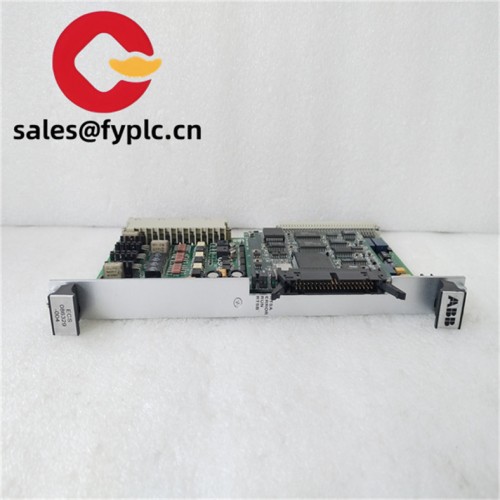
Yokogawa AVR10D-Q22020 – Vnet/Vnet/IP Router for CENTUM system bridging and phased migration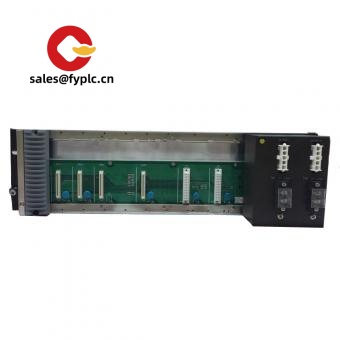
The Yokogawa AVR10D-Q22020 is part of the AVR10 family that, in many cases, is used to bridge legacy V net segments with modern Vnet/IP networks within CENTUM CS 3000 and CENTUM VP architectures. One thing I appreciate is how it lets plants migrate controllers and I/O step-by-step, while keeping safety margins and network determinism intact. The “Q22020” suffix appears to denote a specific option set/revision; we typically match this exactly to your installed base so it drops in without surprises.
Company’s Order Placement Process and Guarantees
- Warranty period: 365 days
- Delivery time: 1 week for in-stock; no more than one month at the latest
- Payment method: 50% advance payment, full payment for delivery
- Express delivery methods: FedEx, UPS, DHL
Key Features
- Vnet to Vnet/IP bridging – Enables legacy V net nodes to communicate with modern Vnet/IP segments, ideal for stepwise system upgrades.
- Redundancy-friendly design – Typically supports redundant configurations to maintain high availability during maintenance or switchover.
- Deterministic performance – Designed for control networks where predictable latency matters more than raw bandwidth.
- Diagnostics and status – From my experience, the AVR family provides clear status LEDs and system diagnostics that simplify troubleshooting.
- Cabinet-ready form factor – Fits standard control cabinets and works well alongside field control units and I/O bases.
- Migrates without disrupting production – You might notice that communication can continue while you revamp a controller or segment, which saves downtime.
Technical Specifications
| Brand / Model | Yokogawa AVR10D-Q22020 |
| HS Code | 8517.62.00 (Data communication network equipment) |
| Power Requirements | Typically 24 VDC (redundant supply recommended; confirm nameplate for site matching) |
| Operating Temperature | 0 to 50°C typical for cabinet environments |
| Communication Interfaces | V net (legacy) to Vnet/IP (Ethernet) bridging; supports redundant network topologies (model-dependent) |
| Signal I/O Types | Network layer device; no direct field I/O channels |
| Installation Method | Control cabinet mounting; observe Yokogawa grounding and wiring practices |
| Compliance | CE and RoHS; UL/cUL where applicable (final marking depends on exact style) |
Customer feedback from a refinery upgrade: “We kept our legacy V net running while moving new areas onto Vnet/IP. The AVR10D did the heavy lifting quietly—no nuisance trips, and switchover was clean.”
Application Fields
This model is typically used in process industries running Yokogawa control systems:
- Refining and petrochemicals – blending legacy CS 3000 islands with new CENTUM VP displays and controllers.
- Power generation – maintaining operational units on V net while adding new Vnet/IP turbine or BOP controls.
- Chemicals and pharma – staged upgrades to modern HMIs and historian networks without cutting over the entire plant.
- Upstream/midstream – unifying remote segments into a central Vnet/IP backbone while leaving proven islands intact.
Advantages & Value
- Lower migration risk – Bridge networks instead of ripping and replacing; keep production stable.
- Compatibility-first – Designed around Yokogawa’s control network behavior, which, from my experience, avoids odd protocol edge cases.
- Lifecycle savings – Extend the useful life of installed assets while adopting modern Vnet/IP where it matters.
- Service and spares – Easy to stock as a common node across multiple units, simplifying spares strategy.
Installation & Maintenance
- Environment – Install in a ventilated control cabinet; avoid vibration and excessive heat sources; keep ambient 0–50°C typical.
- Power & grounding – Use clean 24 VDC (if used by your style) with redundant feeds; bond to cabinet ground; separate signal and power wiring.
- Networking – Follow Yokogawa V net and Vnet/IP cable specs; use redundant rings or star topologies as designed.
- Firmware – Keep firmware aligned with your CENTUM VP/CS 3000 version; schedule upgrades during planned outages.
- Routine checks – Inspect connectors, tighten terminals, confirm LED/status diagnostics, and back up configuration before any change.
Quality & Certifications
- Manufactured to Yokogawa quality standards; typically marked with CE and RoHS conformity.
- UL/cUL marks where applicable by style/revision.
- Manufacturer warranty applies; our supply warranty is 365 days from delivery.
Suggested Supporting Components
- Yokogawa Vnet/IP industrial switches (redundant capable) for backbone stabilization.
- Dedicated 24 VDC redundant power supply modules sized for cabinet load.
- Shielded cables and approved connectors for V net and Ethernet segments.
- Associated CENTUM VP controllers/FCUs and FIO base units when expanding new segments.

Reviews
There are no reviews yet.