
Description
Honeywell C7024E1001 – UV Flame Detector for Reliable Gas/Oil Burner Supervision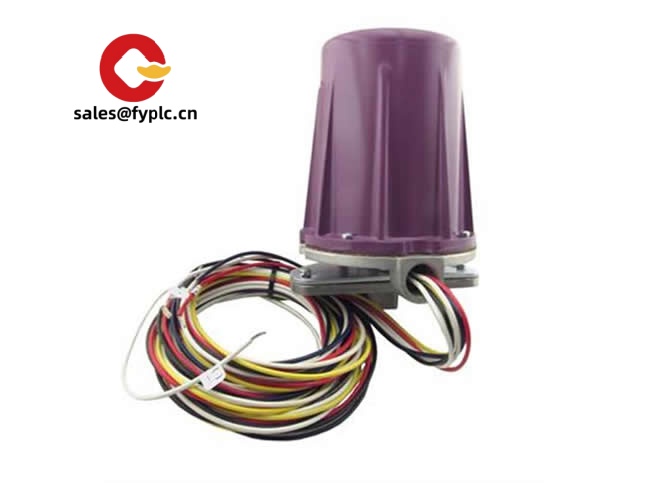
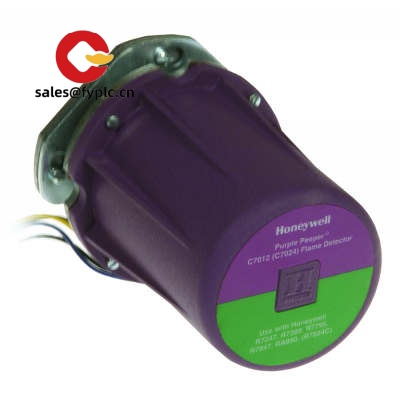
The Honeywell C7024E1001 is a compact ultraviolet (UV) flame detector designed to verify the presence of a stable flame in industrial gas and light‑oil burners. From my experience, it’s a practical choice when you need direct line‑of‑sight flame confirmation tied into a Honeywell flame safeguard—fast response, simple wiring, and dependable operation in typical boiler room conditions. You might notice that it shines in retrofit situations where space is tight and maintenance teams want a straightforward, proven UV pick-up.
Company’s Order Placement Process and Guarantees
- Warranty period: 365 days
- Delivery time: 1 week for in-stock; no more than one month at the latest
- Payment terms: 50% advance payment, full payment prior to delivery
- Express options: FedEx, UPS, DHL
Key Features
- UV flame sensing – Detects ultraviolet radiation emitted by gas or light‑oil flames, helping prevent nuisance trips due to visible light or hot refractory.
- Fast response – Responds quickly to flame presence or loss so the safeguard can act promptly; typically used on burners requiring short lockout times.
- Simple integration – Connects to compatible Honeywell flame safeguard/amplifier modules; no standalone power supply needed.
- Compact, threaded mounting – Designed for peep‑port or sight‑pipe installation, giving a clear line of sight to the flame root.
- Stable in boiler room environments – Typically handles common combustion area temperatures and vibration when mounted properly.
- Service-friendly – From my experience, periodic cleaning of the viewing window and a quick sighting check is usually all it needs.
Technical Specifications
| Brand / Model | Honeywell C7024E1001 |
| Product Type | Ultraviolet (UV) flame detector (non-communicating sensor) |
| Spectral Sensitivity | Typically 185–260 nm (UV) |
| HS Code | 9032.89 (automatic regulating/control instruments – reference classification) |
| Power Requirements | Powered via compatible Honeywell flame safeguard/amplifier; no separate external supply |
| Operating Temperature | Typically −18 to +60 °C, depending on installation and airflow around the sight port |
| Signal I/O | UV detector output to amplifier (commonly a 2‑wire connection per Honeywell safeguard design) |
| Communication Interfaces | None (sensor output only; all decision logic resides in the safeguard) |
| Installation Method | Threaded peep‑port / sight‑pipe mount with direct line‑of‑sight to the flame root |
Application Fields
The C7024E1001 is typically used on:
- Commercial and light‑industrial boilers (natural gas or light oil)
- Ovens, kilns, and process heaters where UV flame confirmation is preferred
- Burner retrofits replacing older photocells or unreliable flame rods
- Multi‑burner systems where fast flame failure response is required
“We swapped to C7024 UV pick-ups on two packaged boilers. Startups became cleaner and we cut nuisance trips during low‑fire. Maintenance is mostly wiping the lens every PM.” — Maintenance Supervisor, food plant
Advantages & Value
- Reliability – Stable UV sensing helps avoid false flame signals from hot refractory or ambient light.
- Compatibility – Pairs with Honeywell flame safeguards and UV amplifier modules commonly found in the field; this usually simplifies spares management.
- Cost control – Straightforward installation and low routine maintenance can reduce annual service hours.
- Technical backing – Documentation and support for burner sighting, alignment, and amplifier pairing are well established in Honeywell’s ecosystem.
Installation & Maintenance
- Mounting – Install on a burner peep‑port or sight‑pipe with a clear line of sight to the flame root. Avoid viewing through glass that blocks UV unless specified by Honeywell.
- Cabinet & wiring – Route leads in metal conduit where required; maintain separation from high‑voltage ignition lines to reduce noise. Use properly rated junction boxes.
- Ventilation & heat – Keep the detector body out of sustained high radiant heat. In many cases, a short sight pipe with airflow helps keep the lens cooler and clean.
- Safety – Isolate power at the flame safeguard before servicing. Verify burner lockout after removing the detector.
- Routine care – Inspect and clean the viewing window during scheduled PM (typically every 3–6 months). Confirm flame signal strength at low and high fire per the safeguard manual.
- Calibration/updates – The detector itself does not require calibration; however, check flame amplifier settings in the control (firmware in the safeguard, where applicable) during annual audits.
Quality & Certifications
Honeywell flame detectors in this class are typically CE compliant and UL Recognized for use with listed flame safeguard systems. RoHS conformity is common for current production. Manufacturer’s warranty is typically 12 months from shipment; we support a 365‑day warranty on this item.
Commonly Paired Honeywell Components (for reference)
- 7800 Series flame safeguard platforms (e.g., RM7800 family) with UV amplifier modules (e.g., R7847 series), where a UV detector is specified
- Sight pipes, peep‑ports, and appropriate mounting hardware for proper alignment
Compatibility can vary by burner, firing rate, and control vintage; if you share your current safeguard model and firing profile, we can confirm amplifier pairing and sighting recommendations before shipment.

Reviews
There are no reviews yet.