
Description
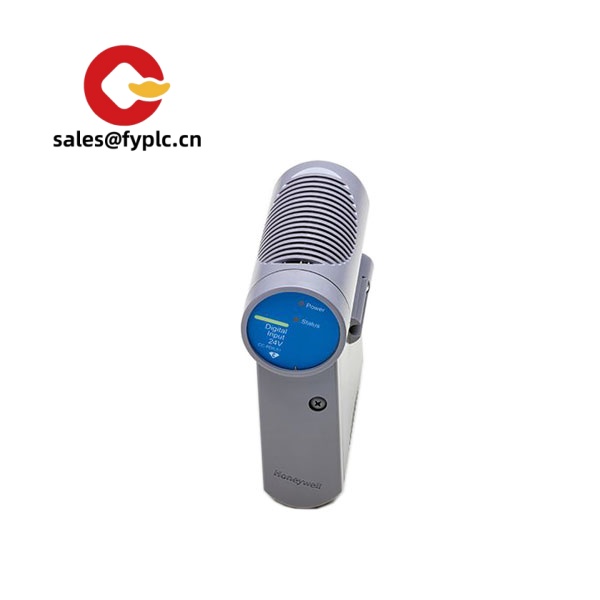
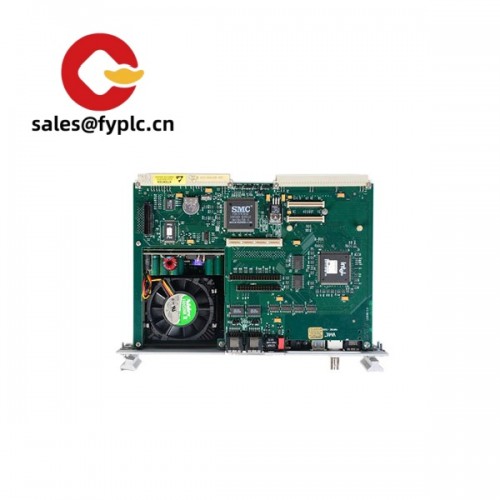
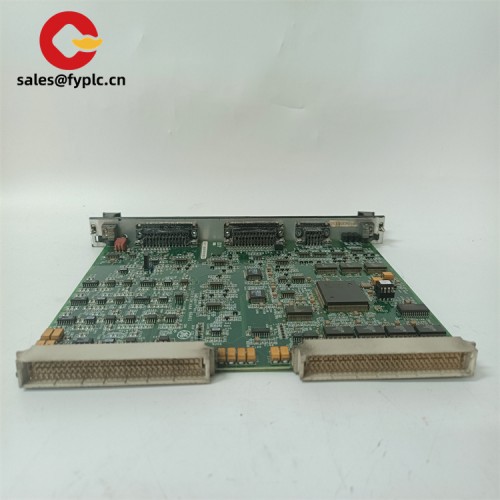
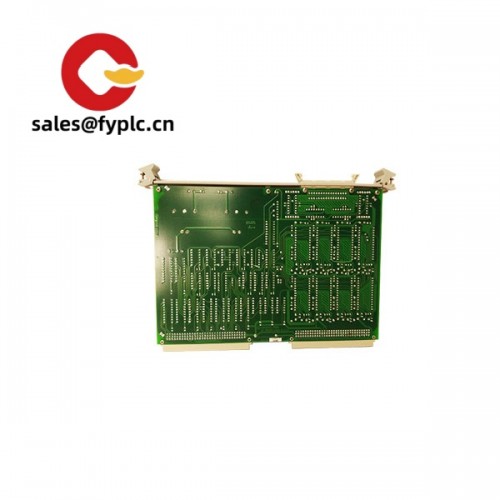
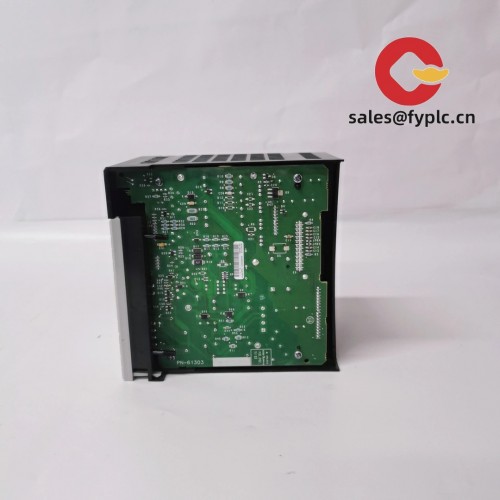
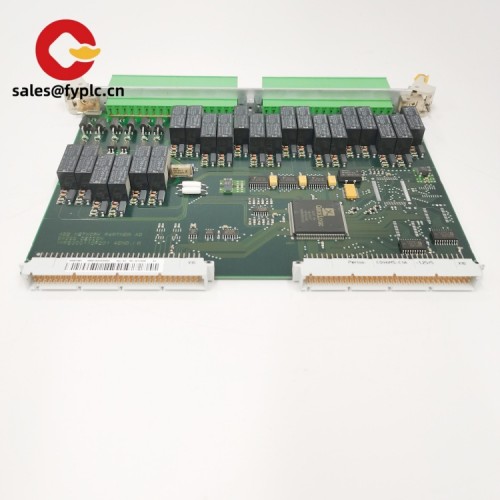
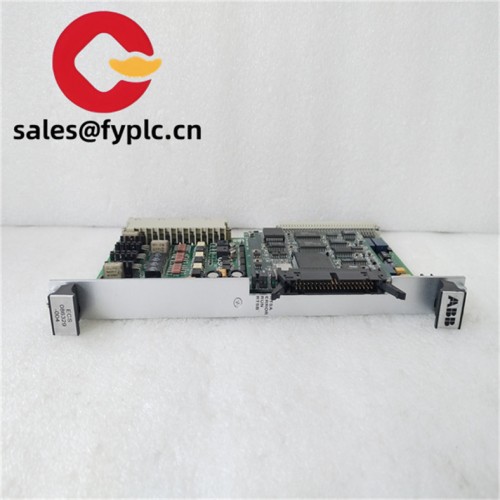
Honeywell CC-PDIS01 – High‑speed Discrete Input (SOE) Module for Experion/TDC I/O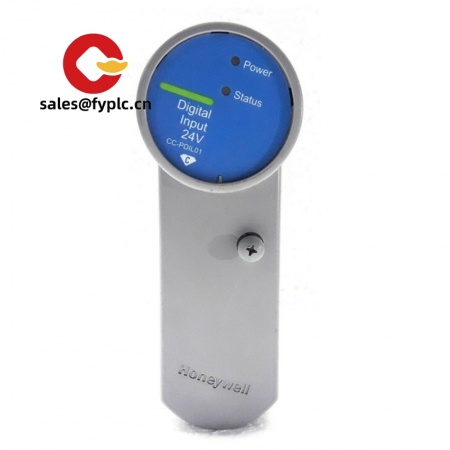
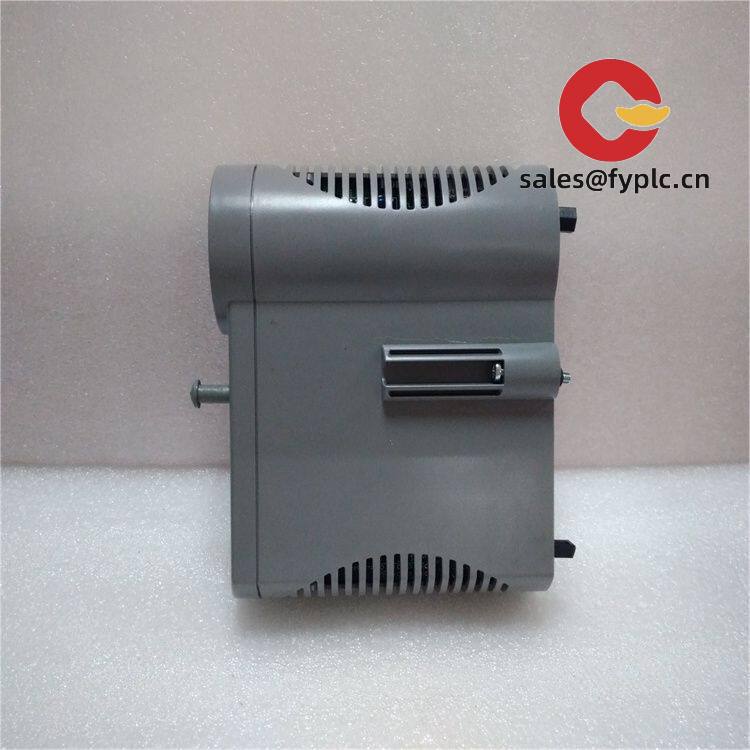
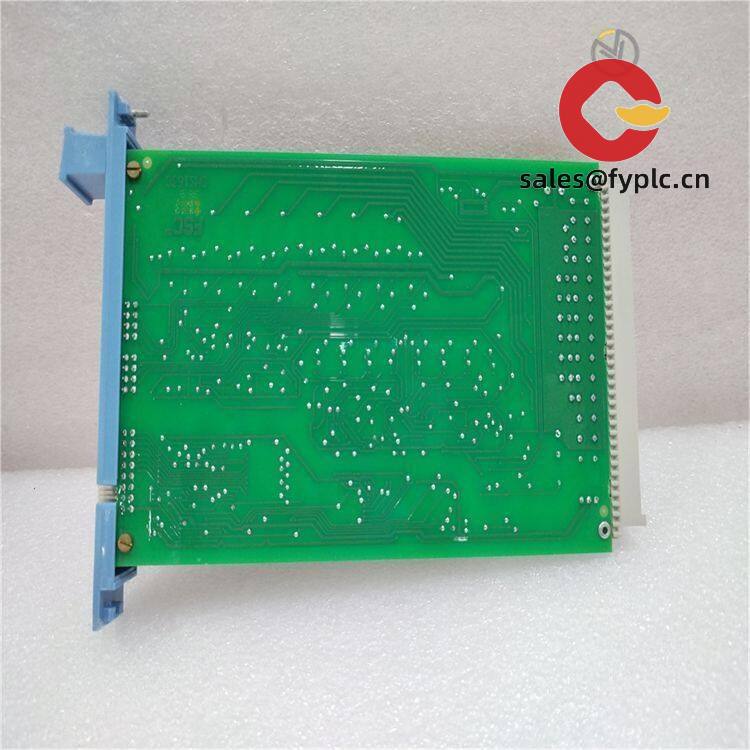
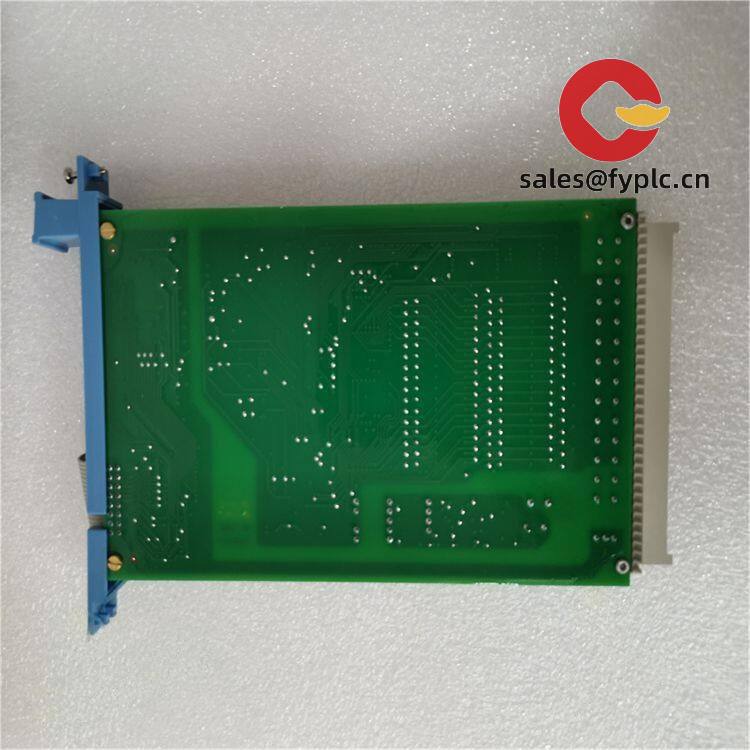
The Honeywell CC-PDIS01 is a discrete input module designed for fast event capture in Honeywell DCS environments, typically Experion PKS/C300 and legacy TDC platforms using compatible I/O chassis and terminal assemblies. From my experience, it’s the card plants use when they need reliable, millisecond‑level Sequence of Events (SOE) logging for breakers, trips, and interlocks without adding a separate event recorder. It slots into the standard Honeywell backplane, draws power from the rack, and interfaces to field terminals (FTA/IOTA) for clean, serviceable wiring.
Our Company’s Order Placement Process and Guarantees
- Warranty: 365 days
- Lead time: 1 week if in stock; no more than one month at the latest
- Payment: 50% advance payment, full payment prior to delivery
- Express options: FedEx, UPS, DHL
- Packaging: Anti‑static and shock‑protected, suitable for international air freight
Key Features
- High‑speed SOE capture – Typically millisecond‑class timestamping for precise sequence reconstruction during trips or shutdowns.
- Discrete input channels – Optimized for 24 VDC dry contact or wetted inputs commonly found in process and power applications.
- Noise immunity and isolation – Channel-to-system isolation and robust input filtering help reduce false trips in electrically noisy cabinets.
- Backplane integration – Communicates over the Honeywell I/O backplane; no external protocol gateway required.
- Health diagnostics – Front-panel status indicators assist quick troubleshooting during commissioning or routine checks.
- Engineering tool support – Seamless configuration and diagnostics through Honeywell engineering tools within Experion environments.
- Serviceable wiring – Works with Honeywell I/O terminal assemblies (FTA/IOTA) for clean field terminations and easy loop checks.
Technical Specifications
| Brand / Model | Honeywell CC-PDIS01 |
| HS Code | 8538.90 (Parts for electrical control/switching apparatus) |
| Function | High‑speed discrete input module with Sequence of Events (SOE) logging |
| Signal Input Types | 24 VDC discrete inputs; suitable for dry contact/wetted contact detection with debounce filtering |
| Timestamp Resolution | Typically 1 ms class when synchronized with controller/system clock |
| Communication Interfaces | Honeywell I/O backplane (no external fieldbus on the module) |
| Power Requirements | Powered via Honeywell I/O rack backplane; no separate external supply to the card |
| Installation Method | Pluggable module into compatible Honeywell I/O chassis; field wiring via FTA/IOTA |
| Operating Temperature | Typically −20 to +55 °C when installed in a ventilated control cabinet |
Application Fields
You’ll typically find the CC-PDIS01 in fast‑acting circuits where event order matters. A few common scenarios:
- Power generation and substations – breaker position SOE, busbar protection status, turbine trip/event capture
- Oil & gas (upstream and refining) – ESD/SIS input monitoring, compressor and pump trip diagnostics
- Chemicals and pharma – interlock panels, clean utility skids, batch event auditing
- Metals, pulp & paper – high‑speed line protection and machine status timestamping
One thing I appreciate is how it simplifies post‑event analysis. A maintenance lead told us their breaker chatter issue was pinned down in a single shift because the SOE timestamps made the sequence unambiguous.
Advantages & Value for Procurement
- Reliability – Honeywell’s DCS I/O modules are built for long service life and stable operation in electrically noisy cabinets.
- Compatibility – Integrates with Honeywell controllers and engineering tools; in many cases a direct fit for existing racks and FTAs.
- Lower lifecycle cost – Fast fault isolation via front LEDs and diagnostics tends to shorten downtime and commissioning time.
- Event accuracy – Millisecond SOE logging reduces guesswork during incident investigations, which often saves hours of analysis.
- Supportability – Widely used module; spares and technical know‑how are readily available in most regions.
Installation & Maintenance
- Cabinet & environment – Install in a clean, dry control cabinet with adequate ventilation. Maintain clearance for airflow on all I/O cards.
- Wiring practices – Use shielded twisted pairs for long runs, segregate DI wiring from VFD/motor power, and bond shields at a single point to minimize noise.
- Time sync – For accurate SOE, ensure the controller/system clock is synchronized (e.g., NTP/PTP within the Experion infrastructure).
- Commissioning – Verify input polarity, debounce settings, and any line monitoring per your site standards before live operation.
- Maintenance – Quarterly visual inspection of connectors and terminal blocks, dust removal with dry air, and periodic loop checks of critical inputs.
- Firmware/config – Keep controller/engineering station software at supported revisions; in most cases the module itself follows the system firmware baseline.
- Safety – De‑energize affected circuits and follow LOTO procedures before inserting or removing modules. Replace only with like‑for‑like Honeywell parts.
Quality & Certifications
- CE marking for EMC and safety (typical for Honeywell DCS I/O)
- UL/cUL recognized components (region‑dependent)
- RoHS compliance where applicable
- Manufactured under ISO 9001 quality systems
- Manufacturer’s warranty supported by our 365‑day coverage
Note: Specific channel counts, voltage thresholds, and exact environmental ratings can vary by system architecture and revision. If you share your rack type and FTA/IOTA part numbers, we can verify one‑to‑one compatibility and provide a pinned wiring guide.
Reviews
There are no reviews yet.