
Description
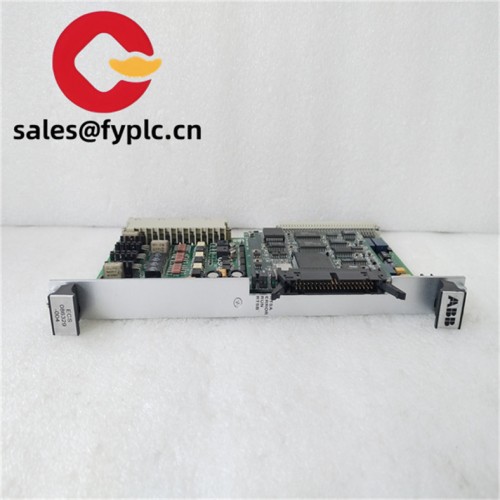
ABB CM597-ETH – Ethernet Communication Module for AC500 PLC Systems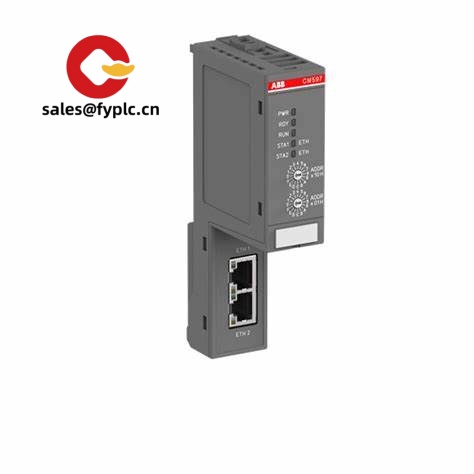
The ABB CM597-ETH is an Ethernet communication module typically used with the ABB AC500 family. From my experience, it’s the straightforward way to add a robust 10/100 Mbps Ethernet port to a PM59x-based controller without touching the core I/O layout. You might notice that it’s especially handy when you need a clean network separation for HMI/SCADA, remote diagnostics, or simple Modbus/TCP connectivity to third‑party devices. It seems to be the “fit-and-forget” option: low configuration overhead, reliable link, and solid diagnostics via status LEDs.
Order Placement Process and Guarantees
- Warranty: 365 days
- Lead time: 1 week if in stock; no more than one month at the latest
- Payment terms: 50% advance payment; full payment before delivery
- Express options: FedEx, UPS, DHL
Key Features
- Ethernet 10/100BASE‑TX connectivity – RJ45 copper interface for plant networks and HMIs, typically auto‑negotiating 10/100 Mbps.
- Modbus/TCP and standard TCP/IP services – In many cases used for quick PLC–SCADA integration and device‑level interoperability.
- Backplane‑powered on AC500 – No external PSU; installs next to the CPU to keep wiring clean and cabinet layouts compact.
- Diagnostics LEDs – Link, activity, and module status indicators to cut troubleshooting time on site.
- Industrial temperature range – Designed for typical control cabinets in machinery and process environments.
- Automation Builder friendly – Parameterization and project handling align with ABB’s AC500 engineering workflow.
Technical Specifications
| Brand / Model | ABB CM597-ETH |
| HS Code | 8537.10 (Programmable controllers; commonly used for PLC communication modules) |
| Power Requirements | Supplied via AC500 backplane; no external power (typical module consumption is low, suited for cabinet installations) |
| Dimensions & Weight | Approx. 45 × 100 × 120 mm; ~0.2 kg (typical AC500 communication module footprint) |
| Operating Temperature | -25 to +55 °C (typical for AC500 modules); storage often -40 to +70 °C |
| Signal I/O Types | Ethernet 10/100BASE‑TX (RJ45), status LEDs for link/activity/module state |
| Communication Interfaces | Ethernet (TCP/IP stack; commonly used with Modbus/TCP, web/diagnostics, SNTP/DHCP where supported) |
| Installation Method | DIN‑rail in control cabinet; attaches to AC500 base next to CPU (right‑side communication module position) |
| Protection / Standards | IP20 (cabinet use); EMC/CE compliant per typical AC500 family design |
Application Fields
Typical deployments include OEM machinery, packaging lines, water & wastewater skids, small process cells, and building utilities where a single Ethernet channel is enough for SCADA/HMI access and remote service. One thing I appreciate is how quickly technicians can bring a CM597-ETH online to read/write Modbus points from energy meters, drives, or third‑party gateways—no major architecture changes needed.
A customer in food processing recently used this module to segment maintenance access from the main plant network—keeping the CPU resources free while still giving engineering a clean diagnostic path.
Advantages & Value
- Compatibility – Designed for ABB AC500; reduces integration risk and speeds commissioning.
- Cost control – Adds Ethernet without upgrading the CPU or reworking I/O, which in many cases lowers total project cost.
- Serviceability – LED diagnostics and familiar tooling minimize on‑site downtime during changes or expansions.
- Scalability – A simple way to separate machine, SCADA, and maintenance traffic as networks grow.
- Supply assurance – Industrial‑grade build and stable lifecycle typical of ABB’s AC500 ecosystem.
Installation & Maintenance
- Cabinet & mounting – Mount on DIN‑rail inside an IP‑rated cabinet; allow ventilation space around the module.
- Wiring – Use industrial Ethernet (Cat5e/Cat6) with proper shielding/grounding; avoid sharp cable bends and high‑noise routes.
- Power – Module is backplane‑powered; verify the AC500 base has adequate power budget for all expansions.
- Safety – De‑energize the cabinet before inserting/removing modules; follow ESD handling procedures.
- Routine care – Periodically check connectors, clean dust with dry air, and keep firmware aligned with the AC500 project version to maintain stability.
- Network hygiene – Assign fixed IPs or managed DHCP reservations; document Modbus/TCP registers and firewall rules for maintenance teams.
Quality & Certifications
- Conformity: CE, RoHS; designed for industrial EMC. cULus compliance is typical within the AC500 line.
- Manufacturing: Built under ISO 9001 quality systems.
- Warranty: 12 months (365 days) from shipment.

Reviews
There are no reviews yet.