
Description
Basler Electric DECS-100 – Digital Excitation Control for Brushless Generators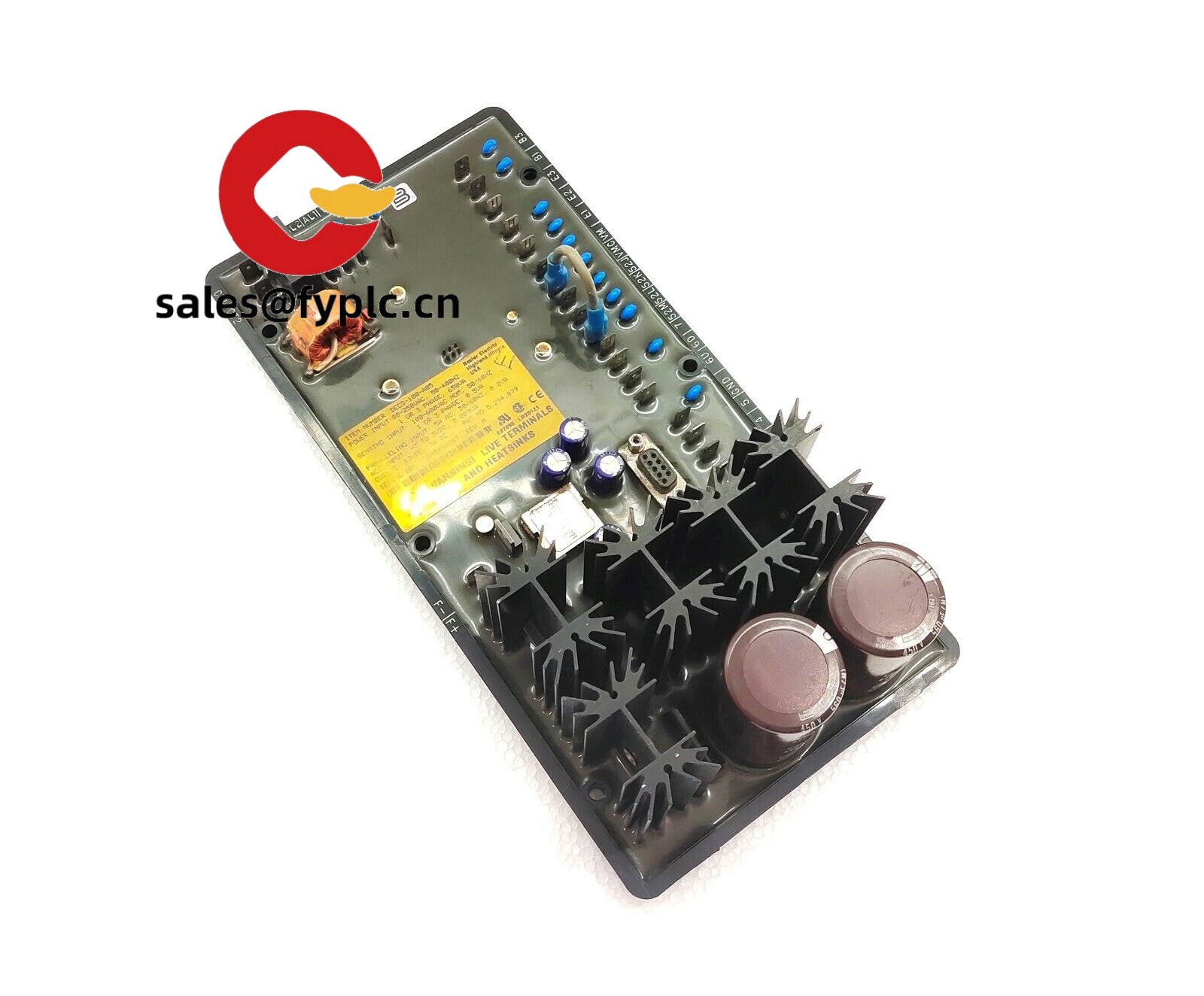
The Basler Electric DECS-100 is a microprocessor-based AVR designed to deliver precise, stable voltage regulation on synchronous generators. From my experience, it’s the kind of “set it and trust it” controller you put on critical standby units or rental fleets when you want tight control, solid protections, and straightforward setup. You might notice that it combines classic AVR functions (voltage regulation, V/Hz, droop) with digital tuning and communications, which typically shortens commissioning time and makes future adjustments far easier.
Our Order Placement Process and Guarantees
- Warranty: 365 days
- Lead time: 1 week if in stock; no more than 1 month at the latest
- Payment terms: 50% advance payment; full payment before delivery
- Express delivery: FedEx, UPS, DHL
Key Features
- Digital voltage regulation – Stable generator terminal voltage with fast response to load steps.
- Volts/Hz (under-frequency) protection – Maintains proper flux when engine speed dips, reducing nuisance trips.
- Reactive load sharing (droop) – Droop CT input supports parallel operation and smoother kVAr sharing.
- Remote setpoint adjust – Allows voltage or VAR/PF reference trim from a panel potentiometer or remote signal.
- Event/status via communication – Configuration and monitoring over an industrial comms port, typically RS‑485.
- Soft-start and limiters – Helps prevent over-excitation, improving exciter and alternator life.
- Flexible I/O – Raise/lower contacts, analog adjust, and alarm/status outputs for integration with the genset controller.
- Field-proven build – Rugged design for harsh generator rooms and mobile power applications.
Technical Specifications
| Brand / Model | Basler Electric DECS-100 |
| HS Code | 9032.89 (Automatic regulating or controlling instruments) |
| Power Requirements | Sensing-derived AC power; 120 or 240 Vac nominal, 50/60 Hz |
| Signal I/O Types | Voltage sensing (single-/three-phase), droop CT input for reactive sharing, remote setpoint adjust, raise/lower digital inputs, field DC output to exciter, status/alarm outputs |
| Communication Interfaces | RS‑485 (Modbus RTU) for configuration/monitoring via Basler BESTCOMSPlus |
| Installation Method | Panel/chassis mount inside generator control cabinet; screw terminal wiring |
Application Fields
The DECS-100 fits most brushless synchronous generators used in:
- Standby and prime-power gensets for commercial buildings and data rooms
- Industrial plants and CHP where tight voltage regulation improves process stability
- Rental/mobile power, where fast setup and predictable behavior are valued
- Marine and offshore auxiliary generators (subject to class approvals on the project)
- Microgrids and parallel bus applications with reactive power sharing
Advantages & Value
- Reliability – Digital control with soft-start and limiters typically reduces nuisance trips and over-excitation events.
- Compatibility – Works with standard droop CTs, raise/lower contacts, and most genset controllers—helpful in retrofit projects.
- Commissioning speed – PC-based tuning over RS‑485 streamlines setup; parameter changes are repeatable and documented.
- Lifecycle savings – Stable regulation helps protect alternator windings and AVR-exciter hardware in the long run.
- Support – Access to configuration files and event data makes troubleshooting quicker in many cases.
Installation & Maintenance
- Mounting – Install in a dry, vibration-controlled generator control cabinet with adequate ventilation. Keep power and signal wiring neatly segregated to reduce noise pickup.
- Wiring – Use twisted/shielded pairs for sensing and communications. Observe CT polarity on the droop input. Fit appropriate fusing on the field circuit and the sensing supply.
- Grounding and EMC – Bond the unit to a clean cabinet ground point. Route high-current cabling away from low-level signals.
- Commissioning – Verify correct voltage sensing (120/240 Vac), confirm V/Hz and limiters, and validate droop performance with a load test.
- Routine care – Periodically check terminal tightness, clean dust, review event logs, and save a backup of the parameter set. Firmware/config tools via RS‑485 make updates straightforward.
One thing I appreciate is how predictable the tuning feels across units. A rental power customer told us they swapped a legacy analog AVR with a DECS-100 on a 500 kW set and were able to dial in VAR sharing in under an hour—no surprises during the parallel test.
Quality & Certifications
- CE compliance for EMC and safety
- UL/cUL recognition (model-dependent)
- RoHS-compliant construction
- Manufactured under ISO 9001 quality system
- Manufacturer’s warranty support; sales warranty offered: 365 days
Recommended Supporting Components
- Droop CT for kVAr sharing (match ratio and burden to the generator’s application)
- Remote voltage adjust potentiometer (typically 5–10 kΩ panel-mounted)
- USB‑to‑RS‑485 adapter for PC configuration with BESTCOMSPlus
- Shielded twisted-pair cable for sensing and comms runs
If you’re replacing an existing AVR, share a photo of the current wiring and nameplate. We can typically confirm DECS‑100 fit and I/O mapping quickly, and advise on any minor panel updates needed.

Reviews
There are no reviews yet.