
Description
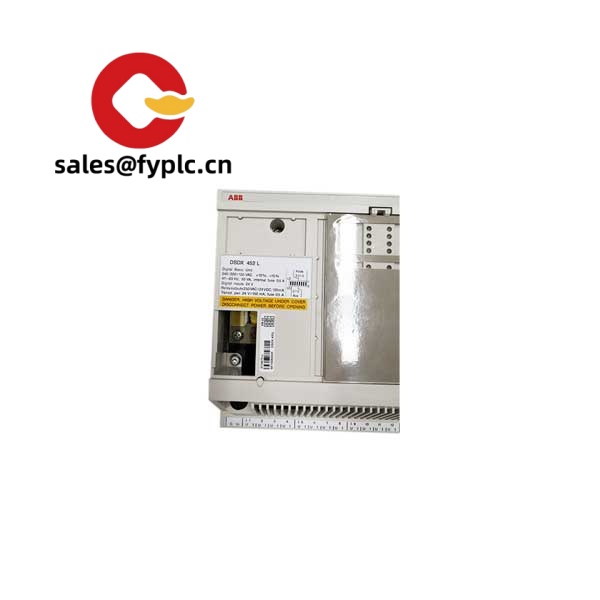
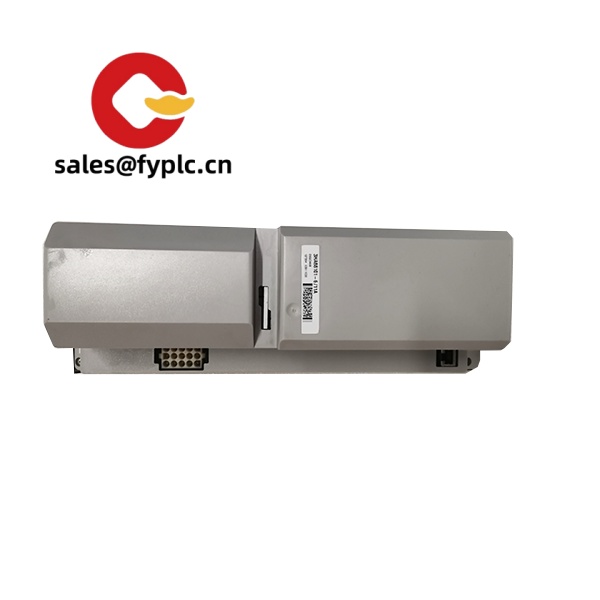
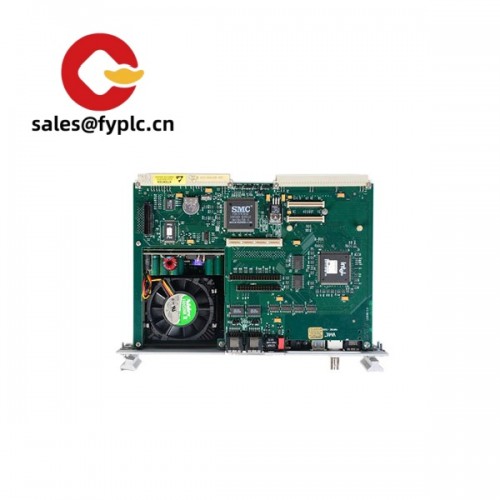
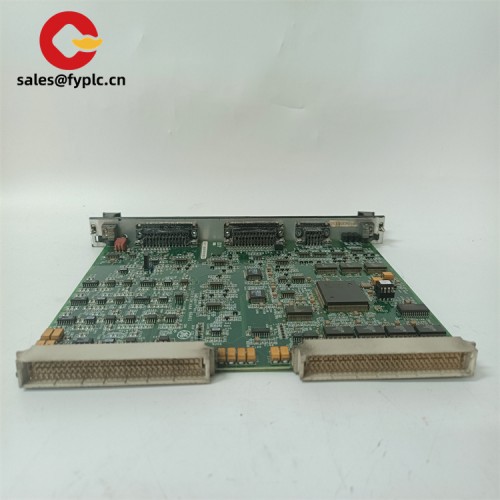
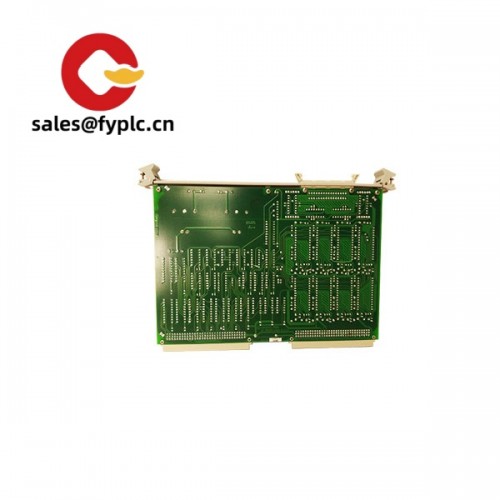
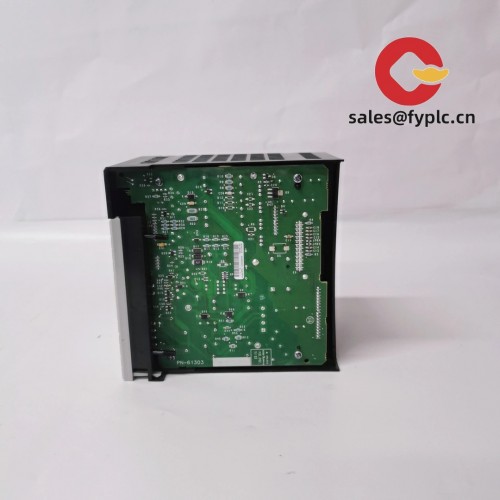
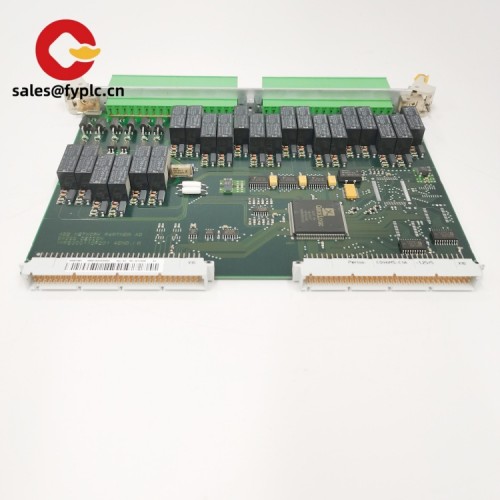
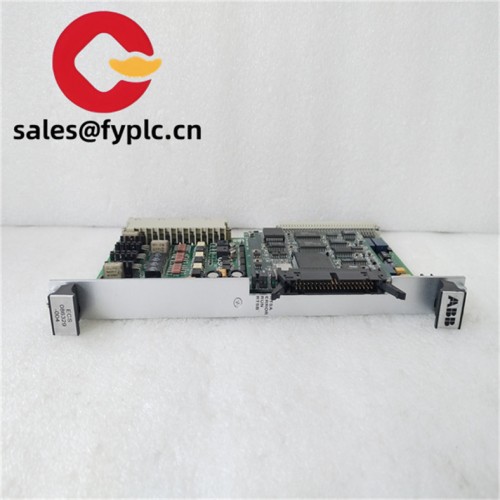
ABB DSQC 633C – Controller I/O/Backplane Board for IRC5 Robot Systems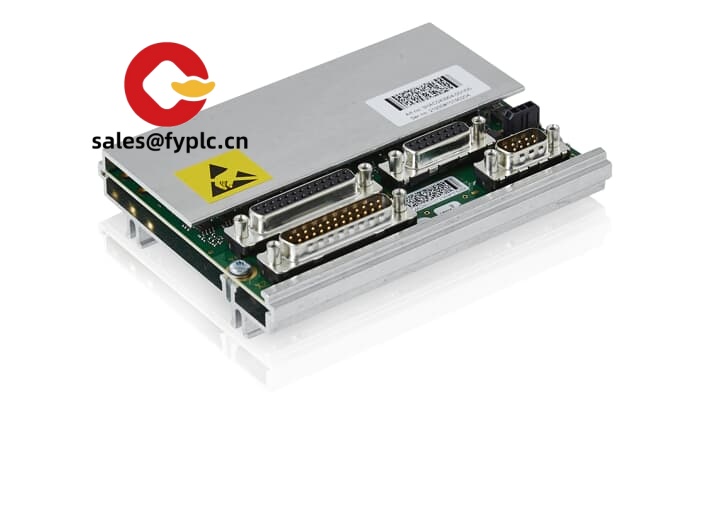
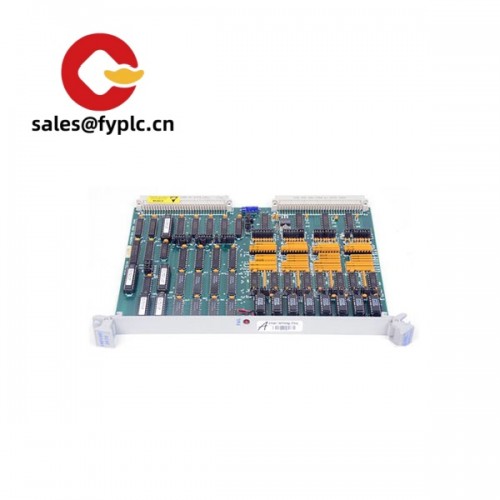
The ABB DSQC 633C is a controller board used in many IRC5-based robot cells to manage local I/O and backplane communication inside the cabinet. From my experience, it’s the board you rely on when you need stable, deterministic signal handling between the robot controller and the plant I/O—digital sensors, valves, light curtains, or analog feedback. Integrators typically choose the DSQC 633C as a dependable spare to keep IRC5 cabinets running, especially in lines where downtime penalties stack up quickly.
One thing I appreciate is how it slots directly into the IRC5 rack with minimal fuss—no awkward rewiring when you’re swapping a faulty card. You might notice that diagnostics come through cleanly in most cases, so technicians can trace field issues faster and avoid chasing ghosts in the wiring.
Company’s Order Placement Process and Guarantees
- Warranty: 365 days
- Delivery: 1 week if in stock; no more than one month at the latest
- Payment: 50% advance payment; full payment before delivery
- Express options: FedEx, UPS, DHL
Key Features
- Designed for ABB IRC5 – Plug-in board that fits the standard IRC5 rack/backplane, easing replacement and upgrades.
- Stable I/O handling – Typically used for 24 VDC industrial I/O with deterministic response suitable for interlocks and conveyor logic.
- Backplane-powered – Draws 24 VDC from the controller, simplifying cabinet power routing and reducing wiring clutter.
- Service-friendly – Clear slotting and guided connection points; maintenance teams can swap a board in minutes in most cases.
- Works with common field signals – Digital inputs/outputs and, when configured with the right I/O sets, analog loops (0–10 V / 4–20 mA).
- Diagnostic support – Faults and status are visible through the controller interface, which helps cut troubleshooting time on busy lines.
Technical Specifications
| Brand / Model |
ABB DSQC 633C |
| HS Code | 853890 (Parts suitable for electrical control panels and apparatus) |
| Power Requirements | 24 VDC nominal via IRC5 backplane; low-power board (typically < 10 W) |
| Operating Temperature | Typically 0 to 45 °C inside a ventilated control cabinet, non‑condensing |
| Signal Input/Output Types | 24 VDC digital I/O; analog 0–10 V / 4–20 mA when configured with matching I/O sets |
| Communication Interfaces | IRC5 controller backplane; interfaces to field I/O via controller-side connections/terminal sets |
| Installation Method | Plug-in/rack-mounted in IRC5 cabinet; ESD-safe handling, follow ABB service procedures |
Related / Supporting Components
In many cases the DSQC 633C is paired with IRC5 controller modules and fieldbus options. Typical companions include:
- IRC5 Controller (for IRB-series robots) – the host system where the DSQC board resides.
- DSQC 652 (DeviceNet) or comparable fieldbus options (e.g., Profibus DP, EtherNet/IP) depending on the cell specification.
- FlexPendant for diagnostics and commissioning within the controller environment.
Application Fields
You’ll typically find the DSQC 633C in robot cells where stable, cabinet-level I/O processing matters:
- Automotive body-in-white lines: interlocking grippers, clamps, and position sensors.
- Material handling and palletizing: conveyor handshakes, photoeyes, end-of-line triggers.
- Machine tending: door signals, part-present checks, and safety circuits coordinated with the controller.
- General assembly and packaging: discrete I/O timing where controller determinism improves throughput.
Advantages & Value
- Reliability under load – Seems to be less sensitive to electrical noise when installed in a properly grounded cabinet.
- Drop-in compatibility – Works with standard IRC5 architecture, reducing retrofit time and engineering risk.
- Lower downtime cost – Quick swap and straightforward commissioning save hours during urgent maintenance windows.
- Lifecycle support – Keeps legacy IRC5 cells productive while you plan larger modernizations.
Installation & Maintenance
- Cabinet requirements: Install in an IRC5 controller cabinet with adequate ventilation; maintain ambient 0–45 °C and non-condensing humidity.
- Wiring & grounding: Use 24 VDC industrial I/O wiring; keep field cables separated from power lines; verify protective earth continuity.
- Safety: Lockout/tagout the controller supply before removal; observe ESD handling procedures.
- Commissioning: After installation, load or verify the controller configuration; check I/O maps and run a quick signal test.
- Routine care: Periodically vacuum dust in the cabinet, check terminal tightness, and keep firmware/config backups in case of unplanned swaps.
Quality & Certifications
- Manufacturing quality aligned with ABB’s ISO 9001 processes
- CE and RoHS compliance typical for IRC5 controller modules
- UL/CSA considerations apply at the cabinet level when integrated per ABB guidelines
- Warranty: 365 days (from us) on the supplied unit
Practical note: If you’re replacing a failed board, snap a quick photo of the current slot and connectors before removal. It usually saves 10–15 minutes during reassembly and helps avoid mis-seating cables on a rushed restart.
Reviews
There are no reviews yet.