
Description
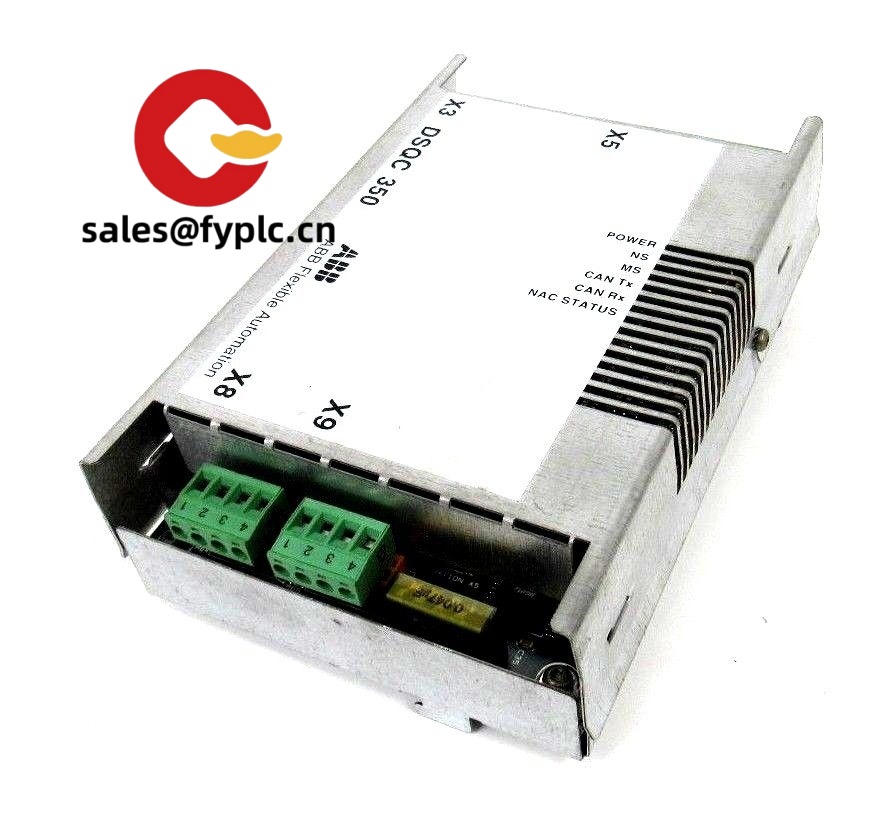
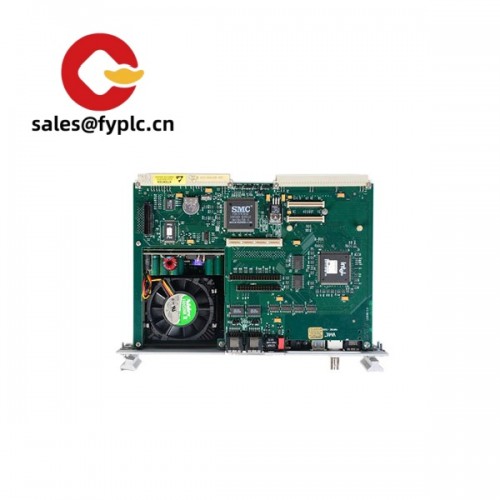
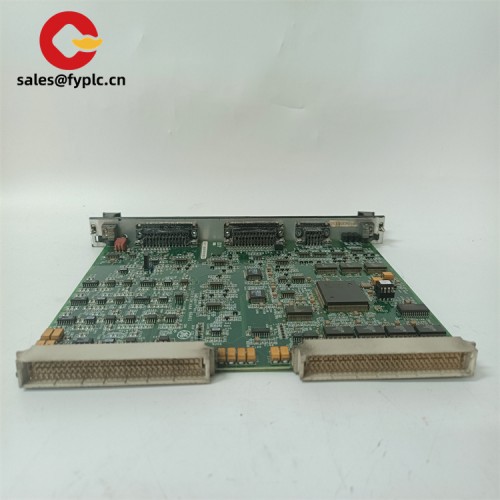
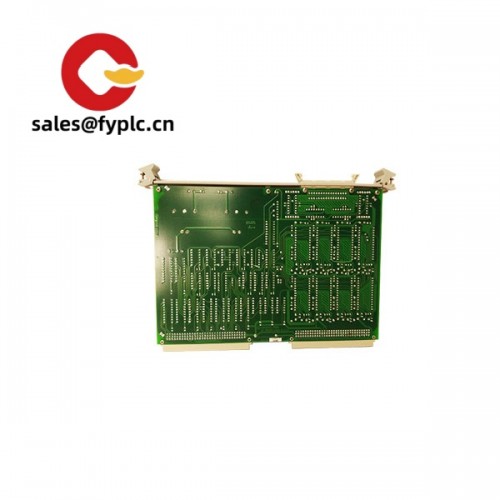
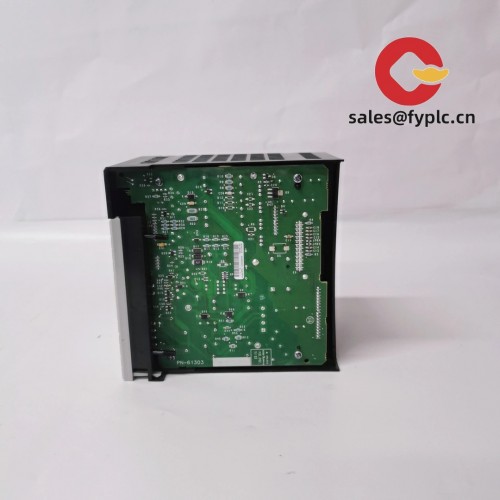
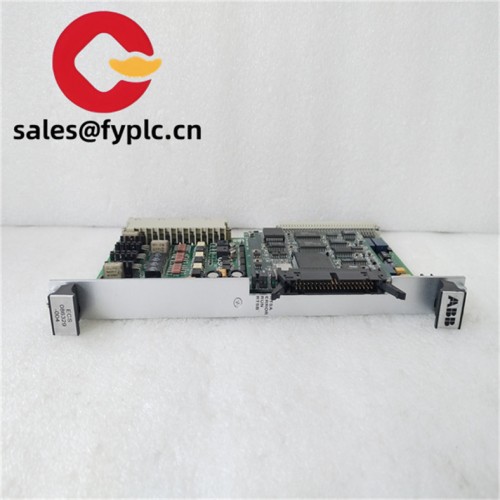
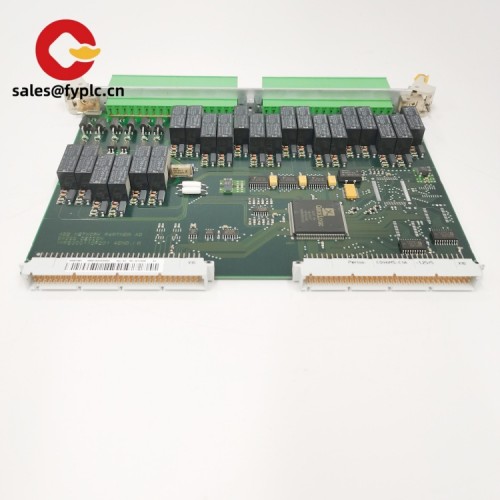
ABB DSQC377B – I/O Interface Board for S4C/S4C+ Robot Controllers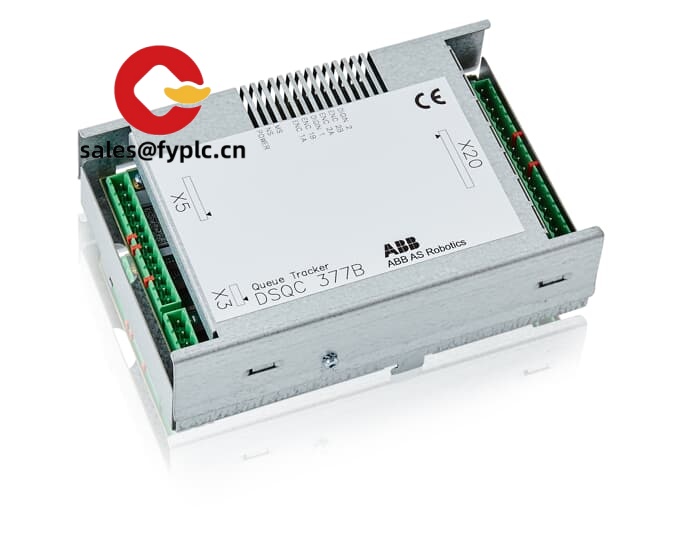
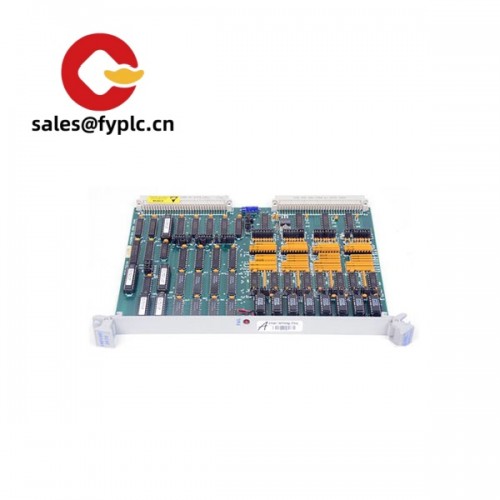
The ABB DSQC377B is a controller-mounted I/O interface board used in many S4C/S4C+ robot cabinets to handle 24 VDC field signals and connect peripheral devices to the robot system. From my experience, it’s the go-to replacement when a robot cell starts throwing intermittent I/O faults or when you’re expanding a line and need reliable, deterministic I/O handling without redesigning the whole cabinet. You might notice that integration is straightforward—ribbon harnesses and terminal boards usually remain unchanged, making it a clean drop-in when time is tight.
Order Placement Process and Guarantees
- Warranty: 365 days
- Delivery time: 1 week if in stock; no more than one month at the latest
- Payment: 50% advance payment; full payment prior to delivery
- Express options: FedEx, UPS, DHL
Each unit is function-checked prior to dispatch. Packaging is ESD-safe and transport-rated to reduce in-transit risk.
Key Features
- Native fit for S4C/S4C+ – Designed to mount inside ABB S4C/S4C+ controller racks, keeping wiring layouts and harness lengths intact.
- 24 VDC digital signal handling – Typically used for standard industrial sensors, pushbuttons, and solenoid-triggered outputs.
- Backplane communication – Uses the ABB controller backplane for low-latency I/O updates and robust synchronization with the main CPU.
- Practical diagnostics – Status indications (onboard LEDs in many cases) help maintenance teams verify signal state and board health at a glance.
- Drop-in replacement – Minimizes downtime; most field terminal blocks and ribbon connectors remain unchanged during swap.
- Stable in harsh environments – Built for cabinet-mounted operation in typical plant conditions (automotive, packaging, metals).
Technical Specifications
| Brand / Model | ABB DSQC377B |
| HS Code | 8538.90 (Parts suitable for use with 8535/8536/8537 apparatus) |
| Power Requirements | Supplied from controller backplane, 24 VDC; typical board consumption < 10 W |
| Dimensions & Weight | Controller PCB form factor for S4C/S4C+ rack; typical net weight approx. 0.3–0.5 kg |
| Operating Temperature | 0 to +45 °C (cabinet environment) |
| Signal Input/Output Types | 24 VDC digital inputs/outputs via internal harness to terminal boards; channel count depends on controller configuration |
| Communication Interfaces | ABB controller backplane interface; field wiring via ribbon/terminal connections inside the cabinet |
| Installation Method | Rack-mounted board inside the robot controller (S4C/S4C+), seated into designated slot |
Application Fields
Typical use cases include digital I/O expansion and signal interfacing in ABB robot cells across:
- Automotive body shops (spot welding fixtures, clamps, part-present sensing)
- Packaging and palletizing lines (conveyors, diverters, light curtains—non-safety circuits)
- Metalworking and machining cells (part detection, feeder interlocks)
- General assembly stations where deterministic robot-driven I/O is required
One thing I appreciate is how it keeps legacy S4C/S4C+ assets productive—teams can add or replace I/O capacity without redesigning the cabinet, which in many cases saves several maintenance shifts.
Advantages & Value
- Reliability – Stable backplane communication and robust industrial PCB design help reduce nuisance trips.
- Compatibility – Works within the ABB S4C/S4C+ ecosystem; no custom firmware loading in typical replacements.
- Cost control – Extends the life of existing controllers; avoids premature migration to newer control cabinets.
- Technical support – We can assist with slot mapping, I/O verification, and power budgeting to speed up commissioning.
A maintenance lead from a tier‑1 auto supplier summed it up well: “Swapping the DSQC377B cleared our random input glitches—no rewiring, just reseat, address, and we were back in production before the second break.”
Installation & Maintenance
- Cabinet standards – Install in a clean, dry, ventilated controller cabinet (S4C/S4C+). Maintain ambient 0–45 °C and avoid vibration.
- ESD handling – Use ESD grounding straps and antistatic packaging when handling or storing the board.
- Wiring – Power down the controller. Label and verify ribbon cables/terminal harnesses before removal. Check seating and backplane alignment.
- Verification – After installation, run I/O tests in the robot HMI and confirm channel state changes at the field terminals.
- Routine care – Quarterly dust-out with dry air (regulated), inspect connectors for oxidation, and reseat if needed. No calibration is typically required.
- Firmware compatibility – Board behavior follows the controller’s RobotWare level; keep the controller’s software maintained and backed up.
- Safety note – Use approved safety relays/PLC for safety circuits; this board is not a dedicated safety controller.
Quality & Certifications
- Designed for use in CE-marked ABB robot systems; UL compliance applies at the cabinet/system level.
- RoHS/WEEE adherence typically follows the manufacturing vintage and regional requirements.
- 365-day warranty coverage on supplied units.
Related Accessories (on request)
- I/O terminal boards and ribbon harnesses compatible with S4C/S4C+ racks
- 24 VDC sensor power distribution modules and fused output blocks
- ESD-safe handling kits and cabinet filter sets for routine upkeep
Reviews
There are no reviews yet.