
Description
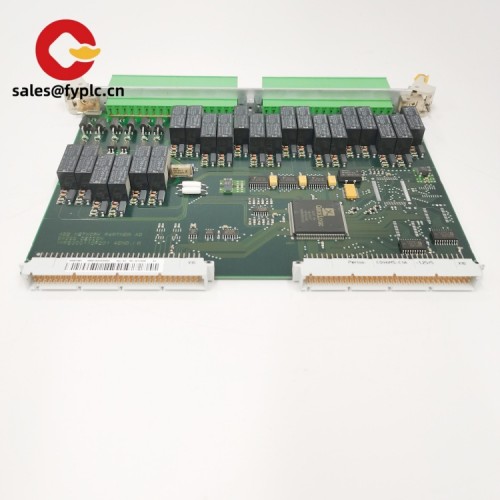
GE Fanuc IC697BEM731Y – Genius Bus Controller for Series 90-70 Distributed I/O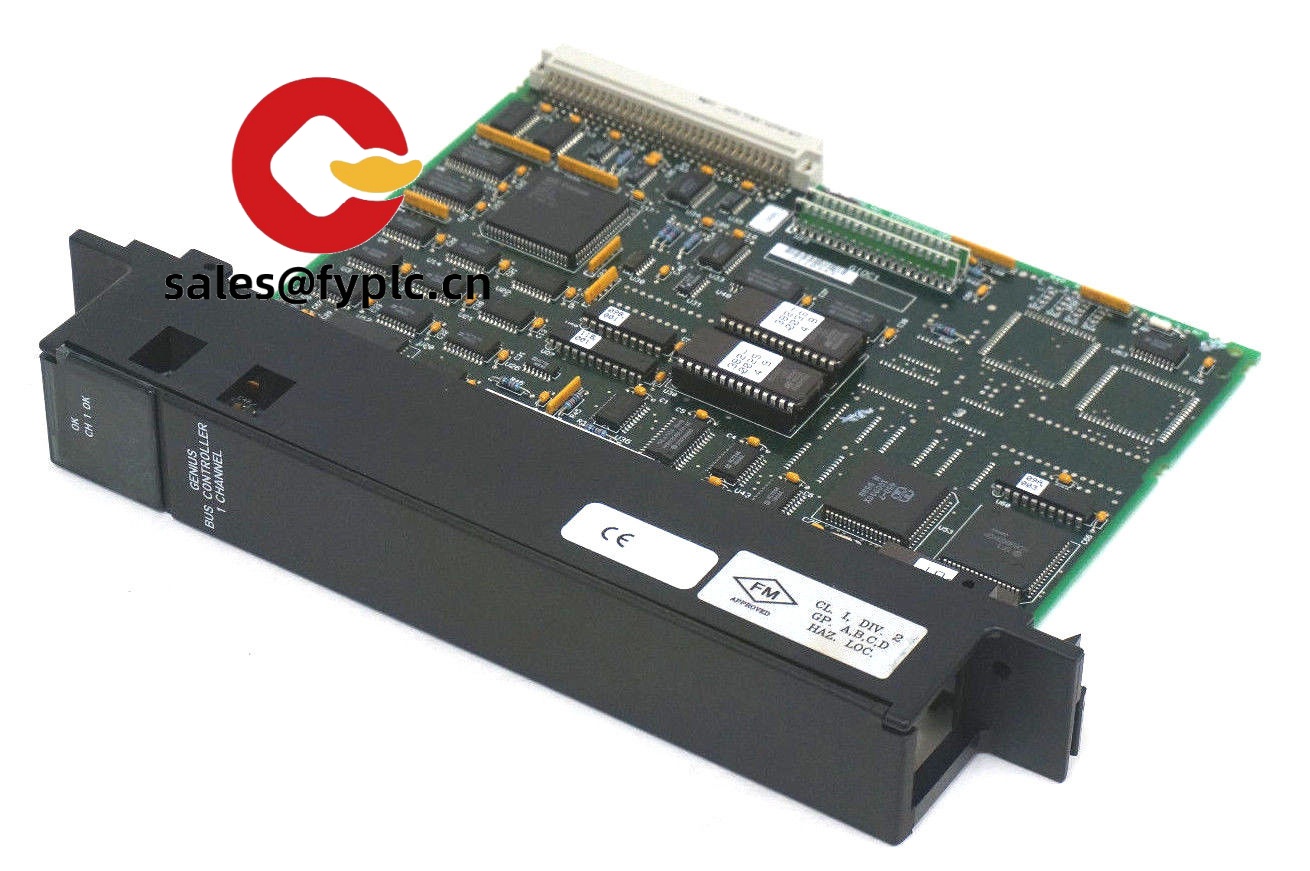
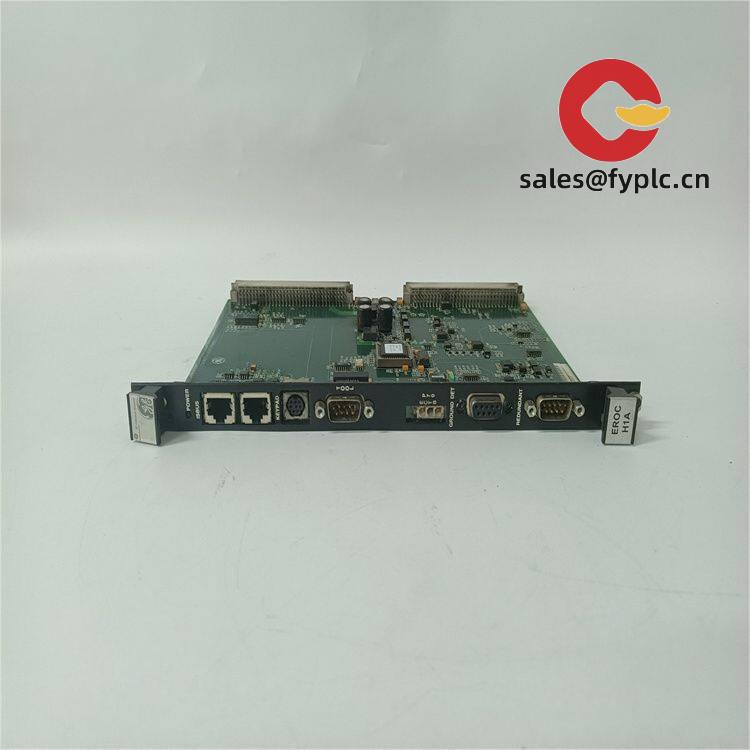
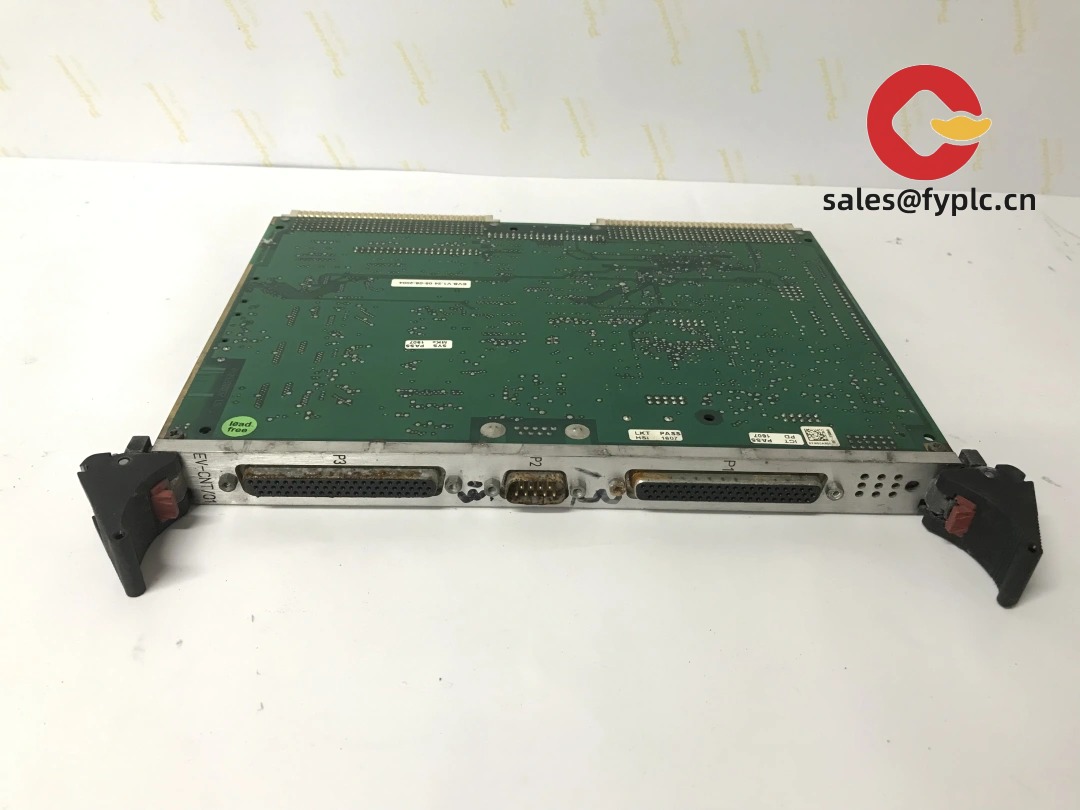
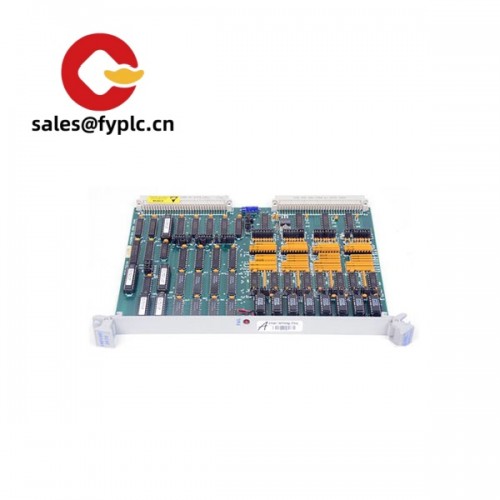
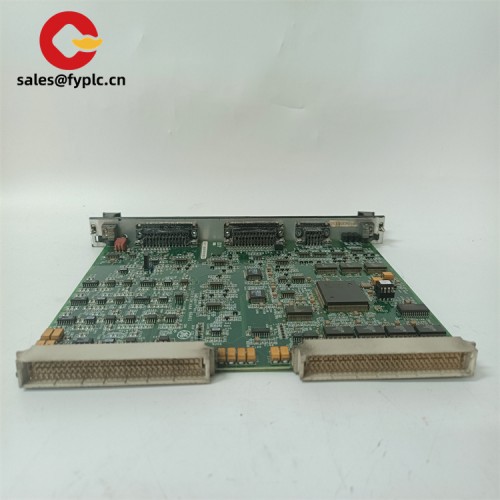
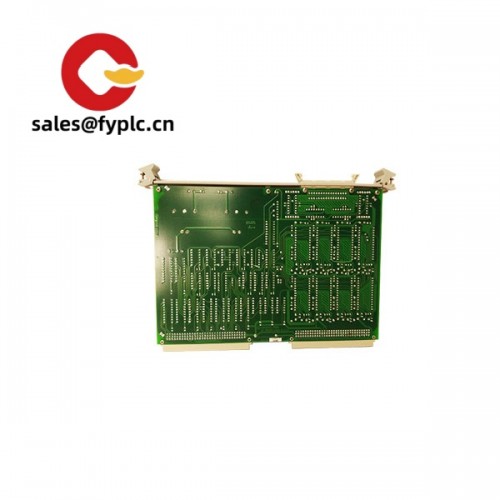
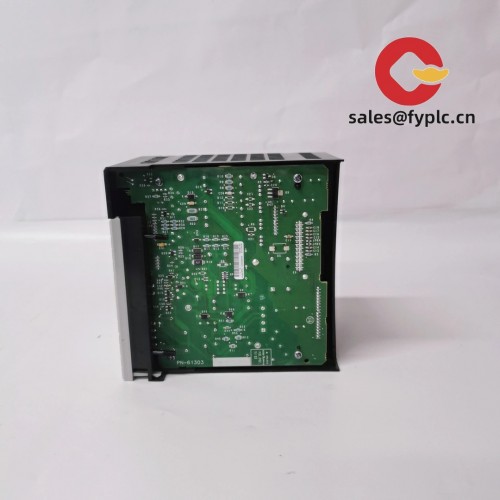
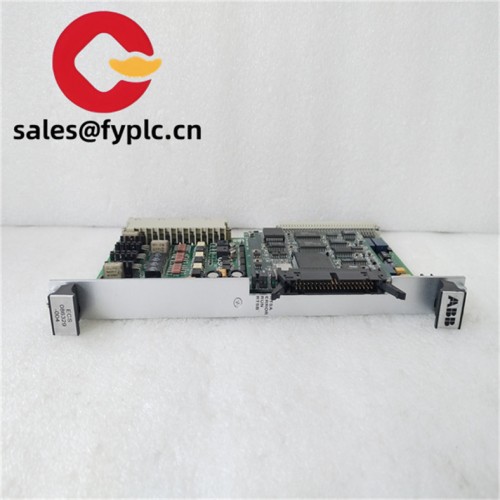
The GE Fanuc IC697BEM731Y is a Genius Bus Controller (GBC) module designed for the Series 90-70 platform. From my experience, plants bring this module in when they want deterministic, rack-to-field communications without adding a pile of hardwired I/O. It ties your 90-70 CPU to Genius distributed I/O blocks, drives, and other field devices over a single shielded twisted-pair cable—reducing wiring, simplifying expansions, and typically speeding up commissioning on legacy systems.
Order Placement Process and Guarantees
- Warranty: 365 days
- Delivery: 1 week if in stock; no more than one month at the latest
- Payment: 50% advance payment, full payment prior to delivery
- Express shipping: FedEx, UPS, DHL
One thing I appreciate is how predictable this process is—especially when downtime windows are tight. If you need a firm ship date, we’ll confirm availability the same day in most cases.
Key Features
- Genius network master for 90-70 – Interfaces the Series 90-70 PLC to Genius I/O blocks and devices over a single bus.
- Cyclic global data exchange – Deterministic updates for distributed discrete and analog points, typically at a fixed scan rate set in the configuration.
- Diagnostics and fault reporting – Front-panel indicators and controller status bits help pinpoint cabling, addressing, or device errors quickly.
- Single-slot IC697 form factor – Drops directly into a Series 90-70 rack; no external power required beyond the backplane.
- Robust cabling – Genius twisted-pair trunk with proper termination supports long runs and multiple drops in most cases.
- Legacy system fit – Ideal for sustaining installed Genius networks or staging phased migrations without a full rewire.
Technical Specifications
| Brand / Model | GE Fanuc IC697BEM731Y (Series 90-70 Genius Bus Controller) |
| HS Code | 8538.90 – Parts suitable for use with industrial control equipment |
| Power Requirements | 5 VDC from IC697 backplane; typical consumption is within standard single-slot communication module range |
| Dimensions & Weight | Single-slot IC697 form factor; approx. 1.0 kg |
| Operating Temperature | 0 to 60 °C (32 to 140 °F), typical for Series 90-70 modules |
| Signal Input/Output Types | Genius bus communications to distributed I/O and devices (shielded twisted pair; cyclic global data) |
| Communication Interfaces | Genius network port (153.6 kbps typical); IC697 backplane interface to CPU |
| Installation Method | Plugs into Series 90-70 rack; bus trunk and termination at the module; configure addressing and scan via PLC software |
Typical Use Cases
- Expanding an existing Genius network with additional remote drops without adding local rack I/O.
- Maintaining uptime during migration—keeping Genius devices online while upgrading the main 90-70 rack.
- Bringing legacy drives or process skids into a common PLC scan using global data exchange.
You might notice that troubleshooting time drops when the bus diagnostics are used consistently. A maintenance lead at a food plant told us their team cut a repeated nuisance fault down to a pinched drop cable within minutes by watching the GBC’s status and addressing maps.
Related or Supporting Products
- IC697BEM731 (non-Y) – Same core function; the “Y” suffix often indicates a particular revision or factory reworked unit.
- IC697BEM711 – FIP Bus Controller for sites standardized on FIP rather than Genius.
- IC693BEM331 – Series 90-30 Genius Bus Controller; similar concept for smaller systems or mixed fleets.
- IC660/IC670 Genius I/O blocks – Typical field I/O companions (discrete/analog). Select based on point count and enclosure rating.
- IC697CHS7xx racks, IC697PWR711 power supplies, IC697CPU77x CPUs – Core 90-70 infrastructure commonly installed with the GBC.
- Recommended cable – Industrial shielded twisted pair for Genius trunk (e.g., Belden-type Genius cable), with proper terminators at each end.
Installation & Maintenance
- Cabinet & environment – Mount the 90-70 rack in a clean, ventilated enclosure. Maintain 0–60 °C ambient and avoid sources of electrical noise.
- Wiring – Use shielded twisted pair for the Genius trunk. Terminate at both ends of the segment and maintain consistent polarity. Ground shielding at one point to minimize ground loops.
- Topology & length – Star and T-taps can introduce reflections; a linear trunk with controlled drop lengths is typically more stable. Maximum segment length depends on cable type and baud rate—check the site standard.
- Addressing & scan – Assign unique node addresses to all drops. Set the update rate and global data size in the PLC configuration software.
- ESD & handling – Power down the rack before insertion or removal. Use proper ESD precautions on the front connector and terminals.
- Routine maintenance – Periodically inspect connectors, terminations, and shield continuity; clean dust from the front panel; review fault logs. Firmware and configuration are managed through the CPU, so keep a validated backup on hand.
Quality & Certifications
- CE and UL/cUL compliance are typical for Series 90-70 modules. RoHS status can vary by manufacturing vintage; we can check by lot or revision on request.
- Manufacturer-grade build with 365-day warranty coverage as stated above.
- Each unit is inspected before shipment; functional testing can be added if you need a signed report.
If you’re replacing a failed GBC, share the current node map and bus length estimate. It seems to speed things up—we can verify revision compatibility and ship the right terminators and connector hardware with the module.

Reviews
There are no reviews yet.