
Description
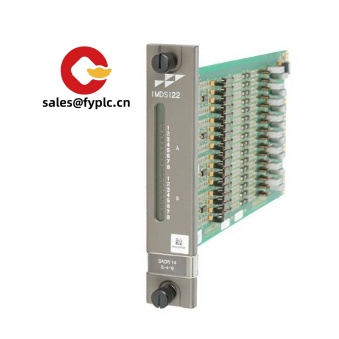
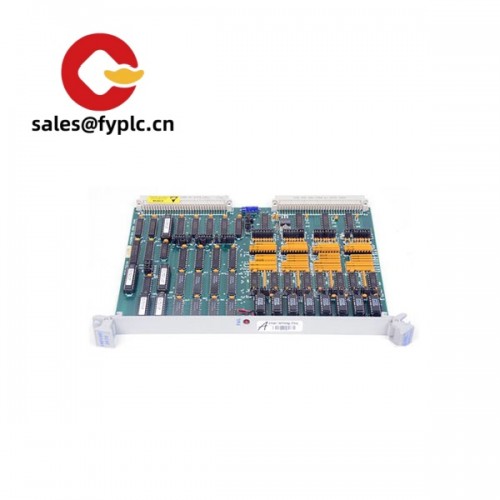
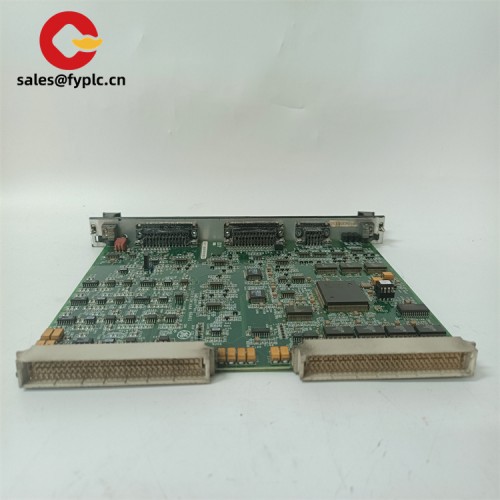
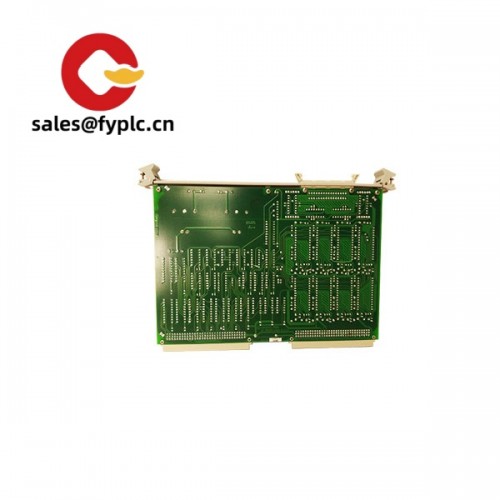
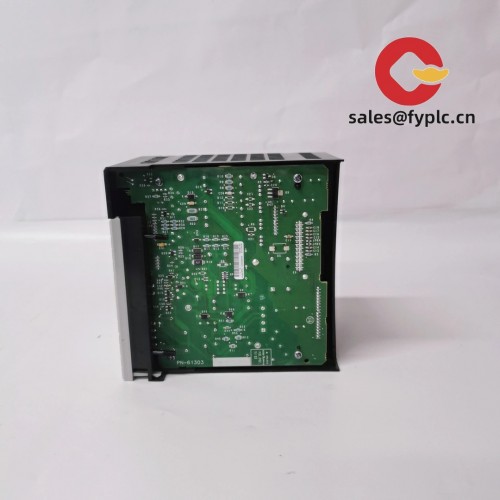
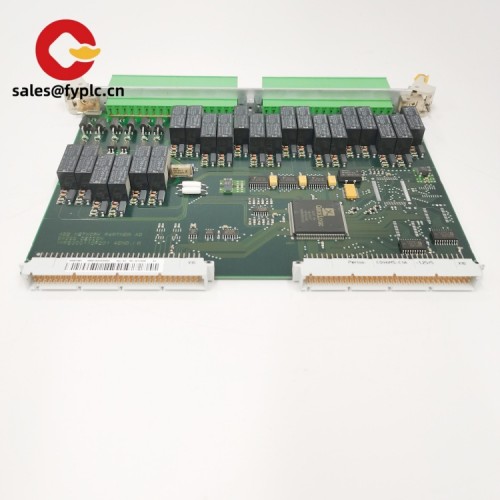
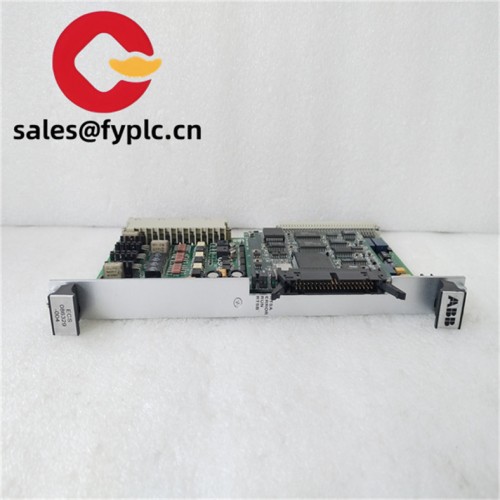
ABB IMDSI13 – Digital Input Slave Module for Harmony/INFI 90 I/O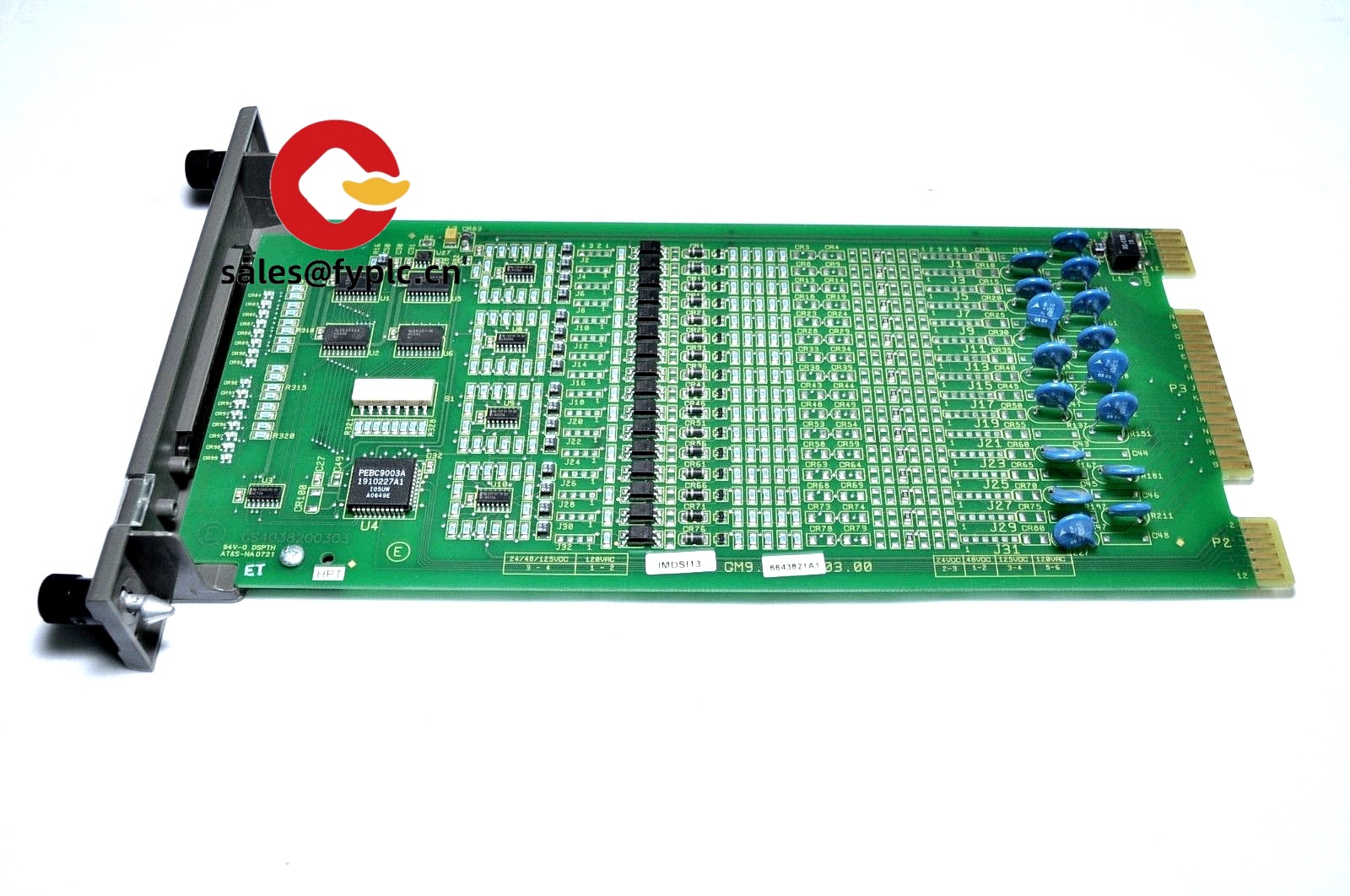
The ABB IMDSI13 is a digital input slave module typically used in ABB Harmony/INFI 90 distributed control systems to bring field contact signals into the controller with stable, noise-immune acquisition. From my experience, it’s the unit plants rely on when they need clean, reliable scanning of 24 VDC or dry-contact inputs from MCCs, switchgear, interlocks, and utility skids. You might notice that IMDSI-series modules tend to be very forgiving in mixed brownfield cabinets—good isolation and sensible filtering help a lot with older wiring.
Company’s Order Placement Process and Guarantees
- Warranty: 365 days
- Delivery: 1 week if in stock, and no more than one month at the latest
- Payment: 50% advance payment, full payment for delivery
- Express options: FedEx, UPS, DHL
Key Features
- Reliable digital input scanning – Designed for typical 24 VDC field contacts and dry-contact signals used across process and power plants.
- Channel isolation and noise immunity – Input channels are optically isolated to reduce ground loops and improve resilience in electrically noisy cabinets.
- Debounce/filtering – Built-in filtering (typical of IMDSI-series) helps prevent chatter and false transitions on mechanical contacts.
- Integration with Harmony/INFI 90 – Communicates over the ABB module bus, pairing with compatible digital input termination units for neat field wiring.
- Status and diagnostics – Front-panel status indicators make commissioning easier; maintenance teams can see module health at a glance.
- Service-friendly form factor – Single-width rack module that, in many cases, can be swapped with minimal system disruption.
Technical Specifications
Notes below reflect typical IMDSI-series behavior in ABB Harmony/INFI 90 racks; some values can vary by installation or termination hardware. If you have a particular firmware or revision requirement, I can verify against your rack list.
| Brand / Model | ABB IMDSI13 |
| HS Code | 853890 (Parts suitable for electrical control/switchgear) |
| Power Requirements | Backplane powered (nominal 5 VDC from Harmony/INFI 90 rack; low wattage) |
| Signal Input Types | Digital inputs, typically 24 VDC field contacts or dry-contact; optically isolated; channel count per termination unit (commonly 16/32) |
| Communication Interfaces | Harmony/INFI 90 module bus; field connection via compatible digital input termination units/cables |
| Operating Temperature | 0 to +60 °C (typical for ABB I/O modules) |
| Installation Method | Single-width rack module for ABB Harmony/INFI 90; mates with ABB termination units |
| Dimensions & Weight | Standard ABB single-width module; approx. 0.4–0.6 kg (varies by revision and shields) |
Where it typically fits
Common use cases include discrete signal collection from motor starters, valve limit switches, breaker status, permissives, and ESD/ESD-bypass panels. One thing I appreciate is how consistently it behaves across mixed panels—you don’t spend hours chasing phantom transitions when the wiring isn’t perfect.
Related or Supporting Products
- ABB IMDSI12 – Earlier IMDSI variant; typically compatible in the same rack with differing firmware/hardware revisions.
- ABB IMDSI14 – Later IMDSI series module; often selected for newer revisions or specific channel options.
- ABB IMDSO14 – Digital output companion module for driving solenoids, lamps, or interposing relays.
- ABB IMASI03 – Analog input module used alongside IMDSI for mixed I/O strategies in Harmony/INFI 90 systems.
If you can share your rack type and termination unit part numbers, I can confirm channel density and cable compatibility for your specific installation.
Installation & Maintenance
- Cabinet & mounting – Install in an ABB Harmony/INFI 90 rack within a clean, ventilated cabinet. Maintain clearance for airflow; avoid mounting near high-heat sources.
- Wiring – Use the recommended ABB termination units and shielded field wiring for long runs. Keep power and signal wiring segregated to reduce noise.
- Grounding – Ensure proper panel grounding and bonding; channel isolation helps, but good grounding typically solves most field noise issues.
- Startup checks – Verify module status LEDs, scan the controller diagnostics, and confirm correct input polarity on a few channels before going live.
- Routine maintenance – Annual visual inspection, terminal re-torque, and cleaning of dust with dry air. Keep firmware/strategy backups; update only during planned outages.
- Spare strategy – In many cases, plants keep at least one spare IMDSI on the shelf. It seems to be the quickest path to reducing downtime if a channel group gets damaged by field transients.
Quality & Certifications
- CE conformity for industrial EMC and safety (typical for ABB Harmony/INFI 90 modules)
- UL/CSA recognition for control equipment (varies by revision/market)
- ISO 9001 manufacturing systems (ABB)
- RoHS status depends on production date and region; we can confirm per serial/revision if needed

Reviews
There are no reviews yet.